Base Camp
Sleeper, Restroom, Shower, Laundry and Office Trailers Deployed Together for Responder Camps, Man Camps and Remote Crews
When a crew has to live where it works, the camp has to work too: beds, restrooms, hot showers, clean clothes, and a place to run the operation. NRT builds the trailers that make up a base camp and coordinates them as one deployment, with off-grid options for sites without utilities. As a coast-to-coast manufacturer, NRT supplies camp trailers to buy for a standing fleet or to rent for a specific incident or project.
Request A QuoteA Working Camp Wherever the Crew Is
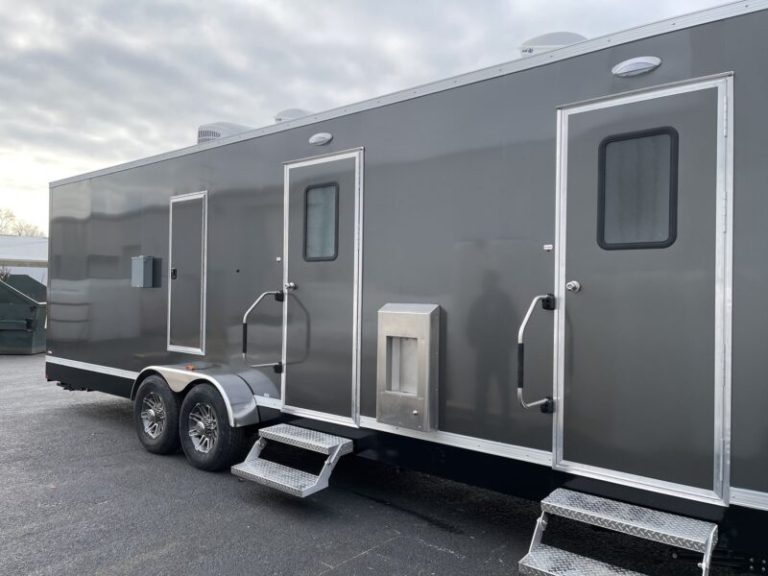
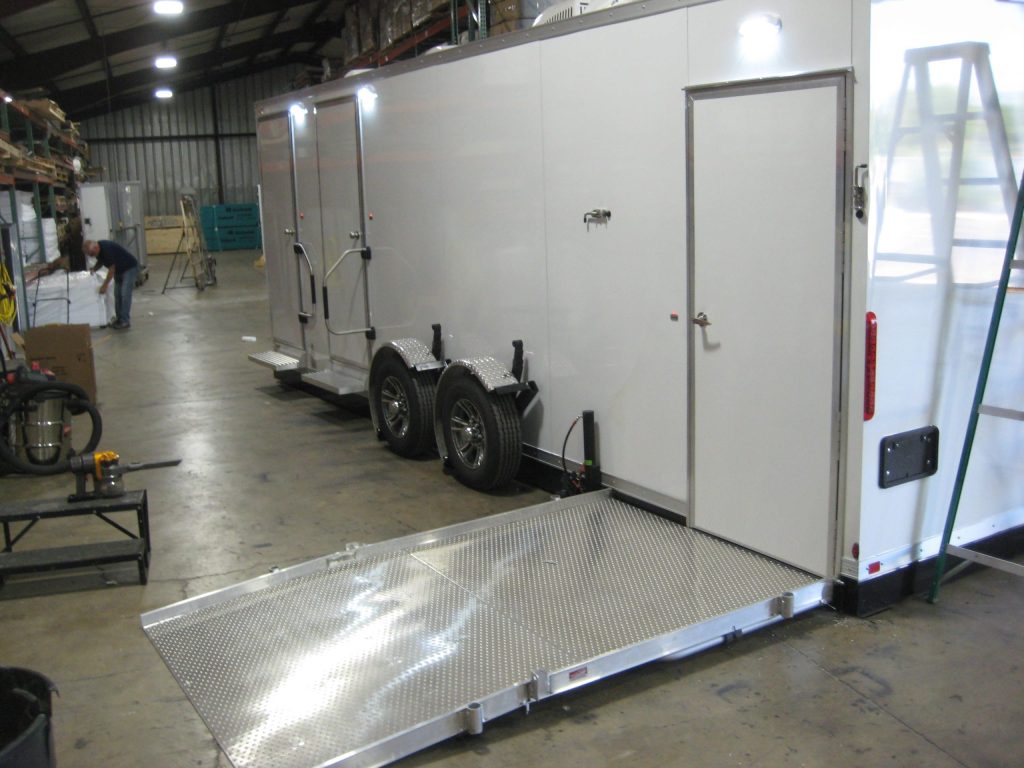
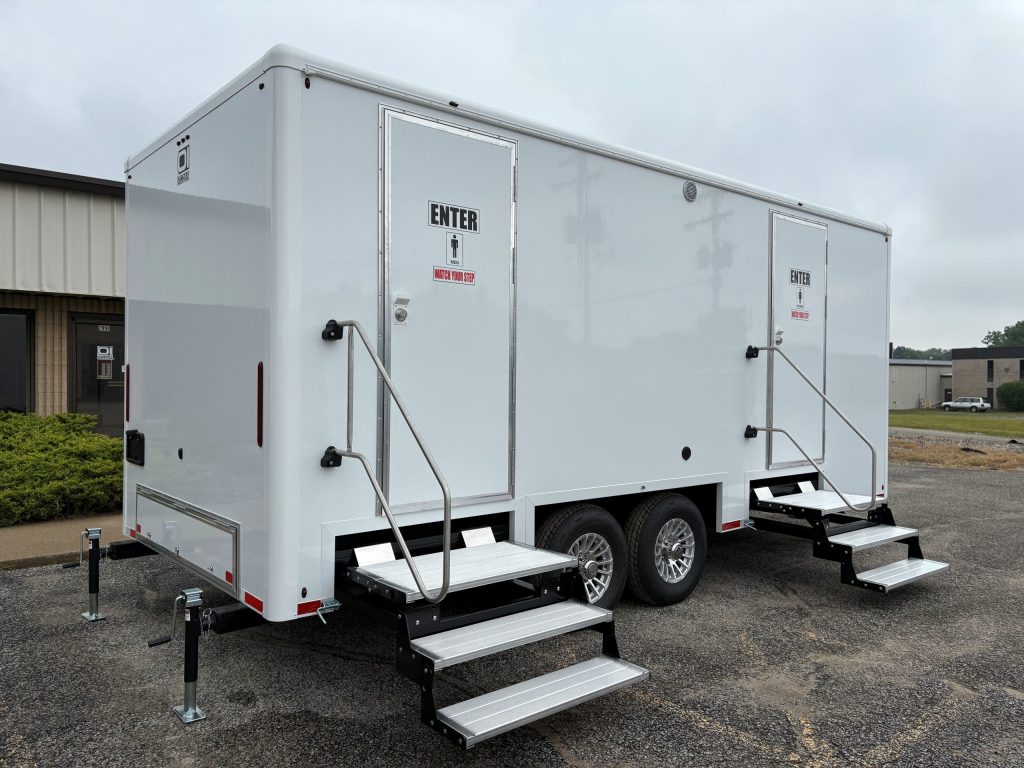
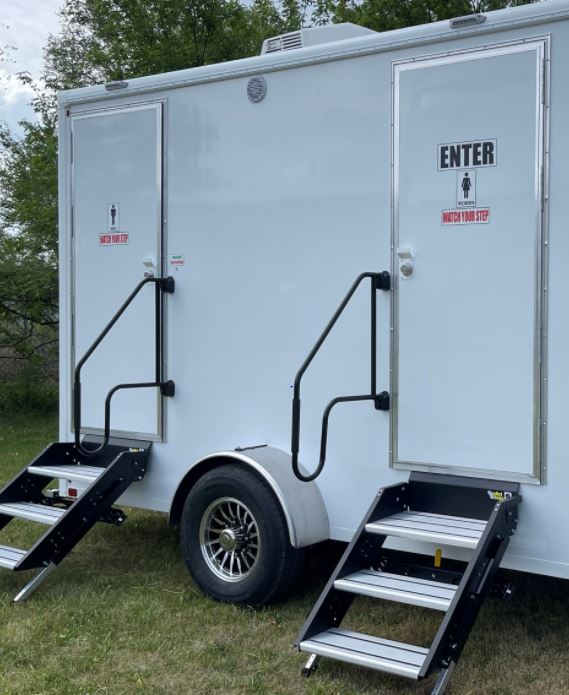
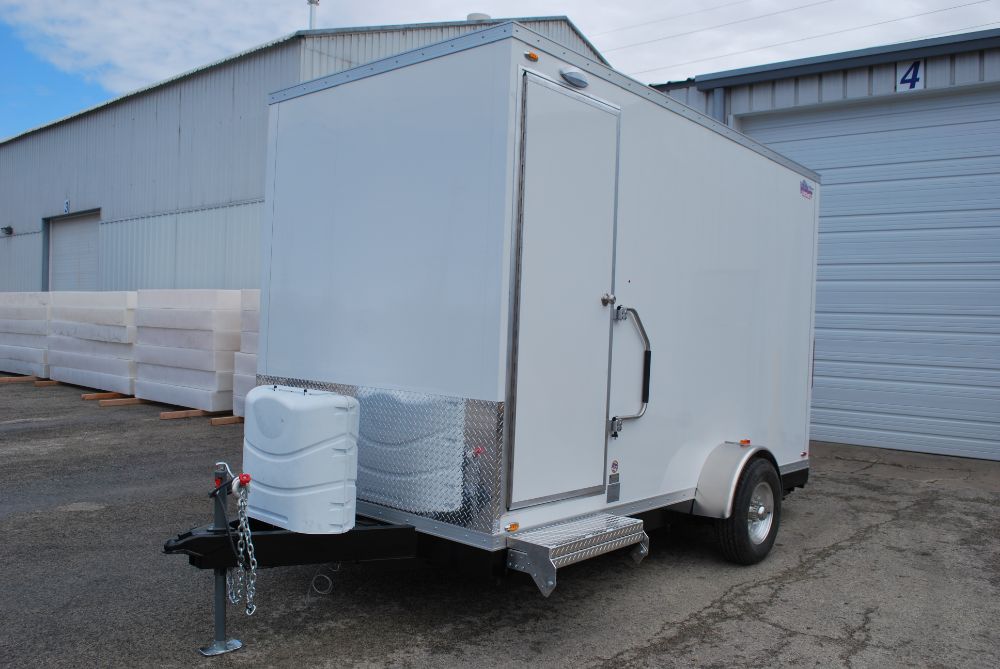
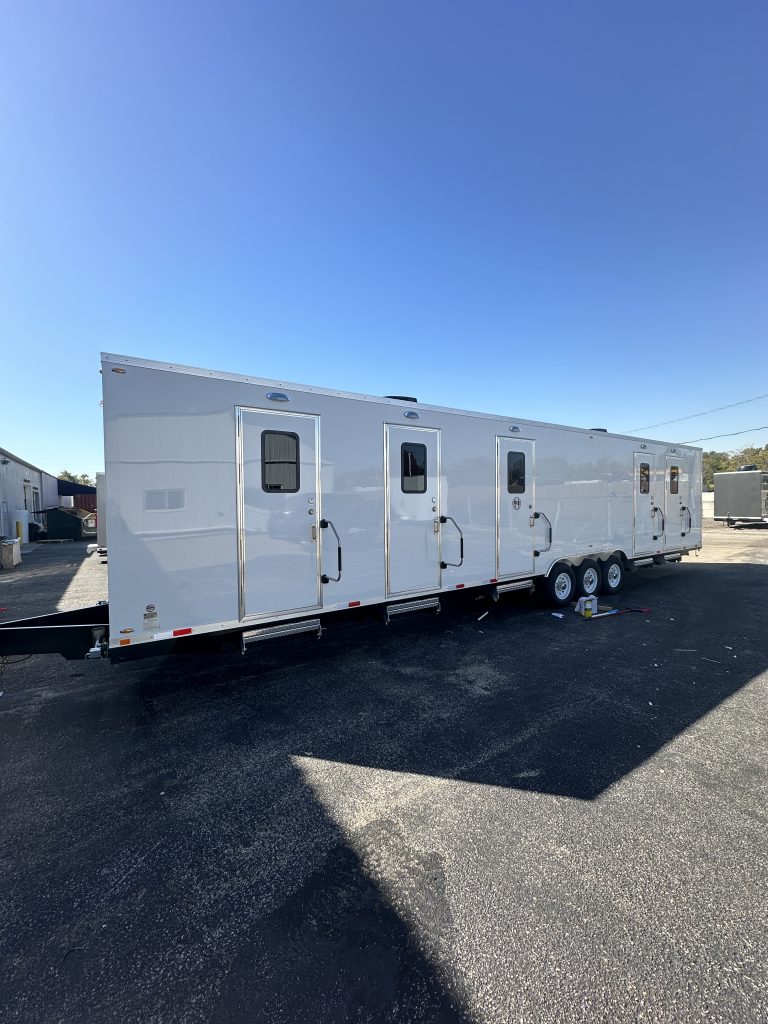
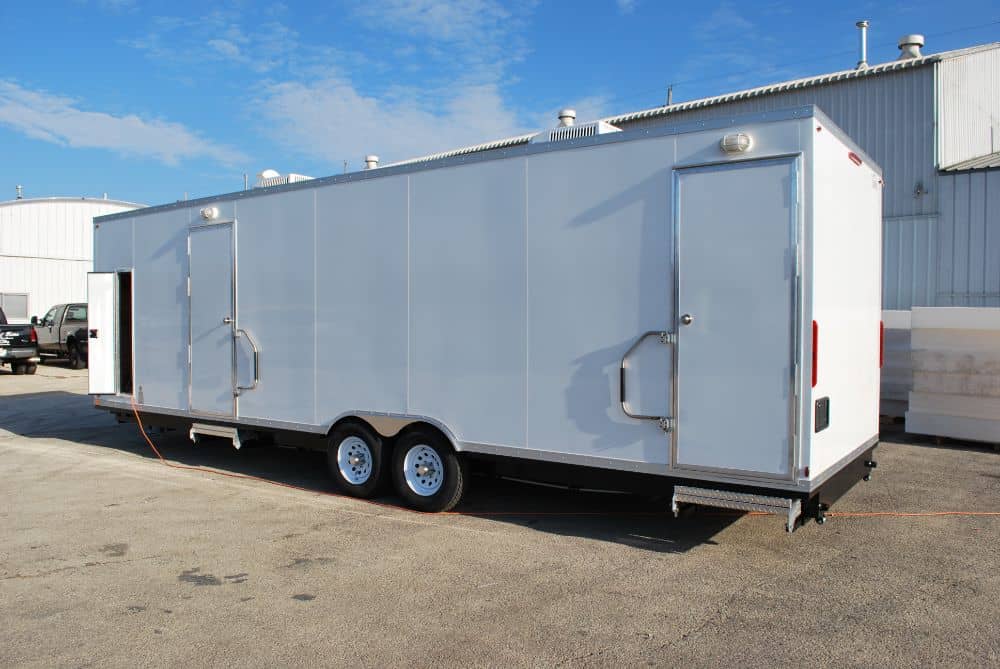
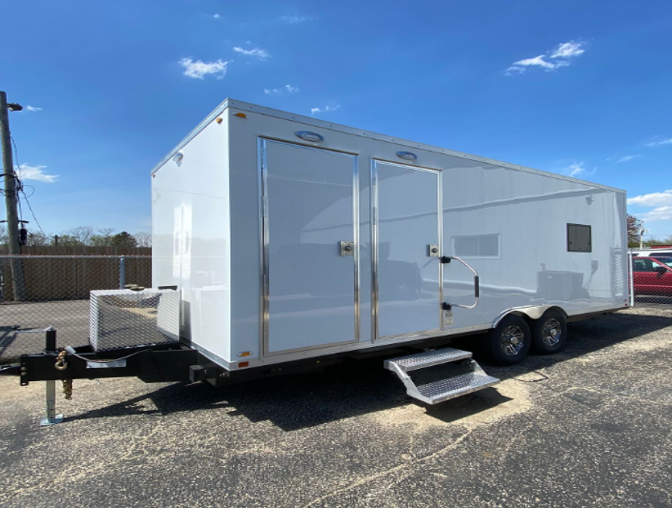
A base camp turns an empty lot, a fire line staging area, or a remote job site into a place where a crew can sleep, shower, use the restroom, wash clothes, and run the operation. NRT builds the trailers that make up that camp, from sleeper and restroom units to shower, laundry, and office trailers, and coordinates them as one deployment.
Base camps support disaster responders, wildfire crews, utility restoration teams, and remote construction and industrial crews in man camps far from town. As a manufacturer, NRT builds each trailer for heavy daily use and long stays. For the full response lineup, see our emergency response trailers.
What Goes Into a Base Camp
Sleeping Quarters
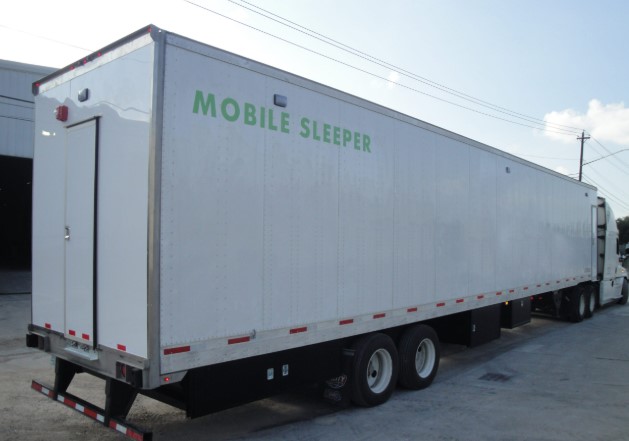
Bunk and private-room trailers for crews on long rotations. See bunkhouse trailers.
Restrooms
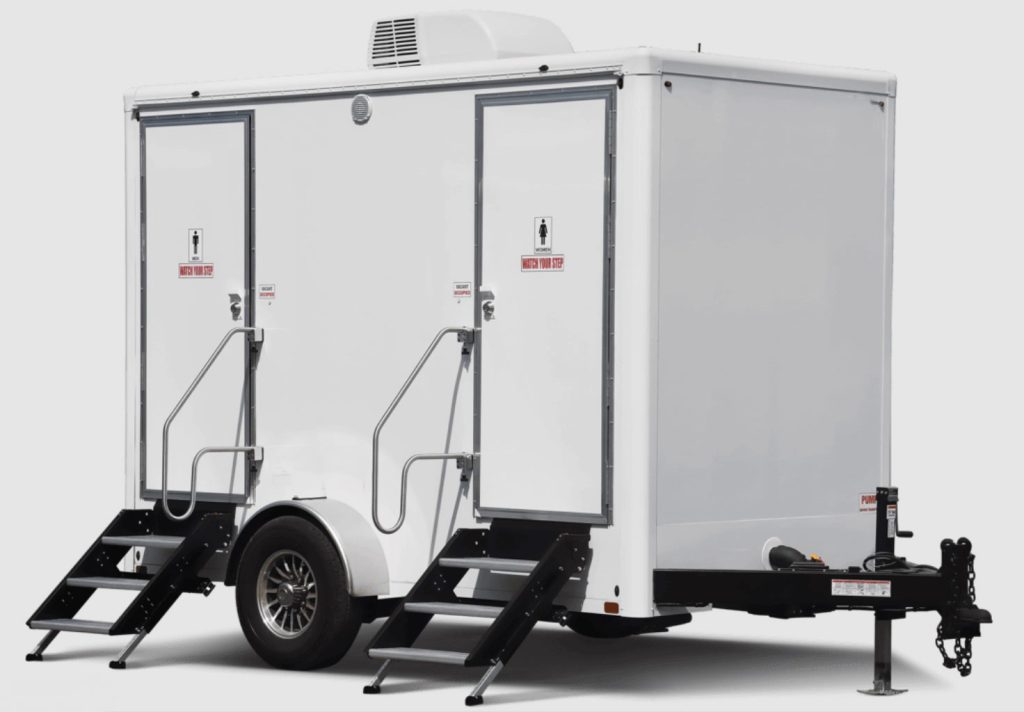
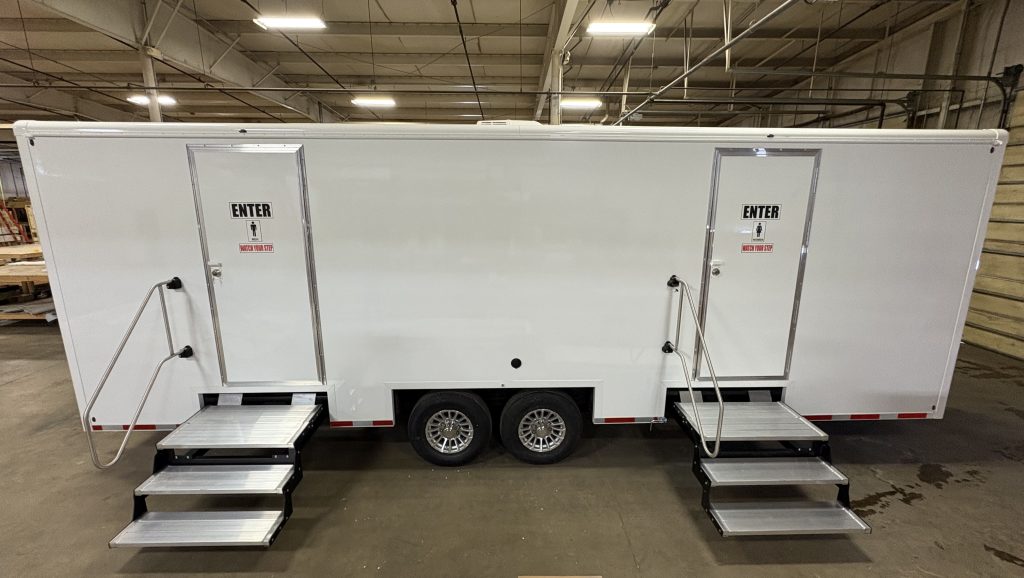
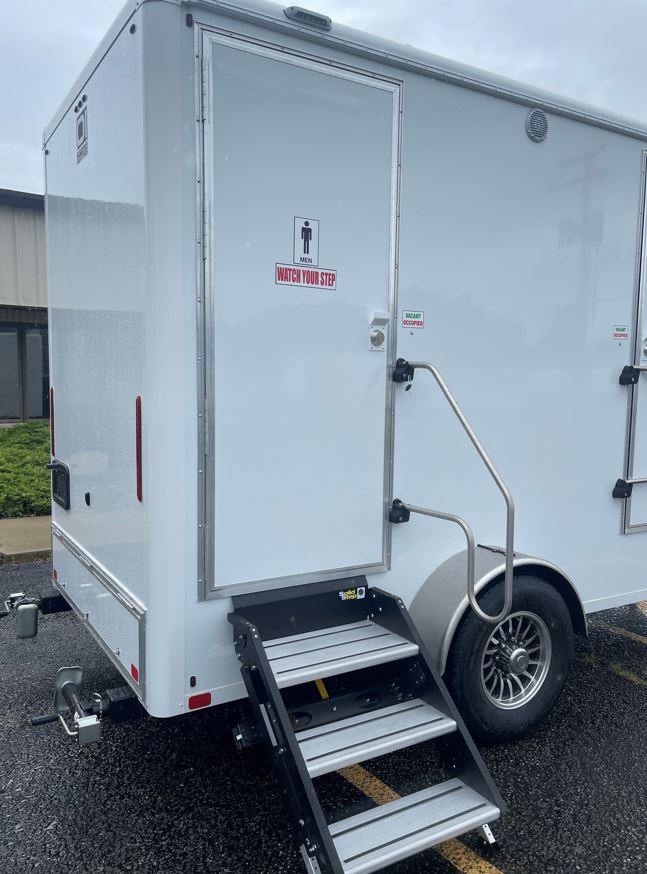
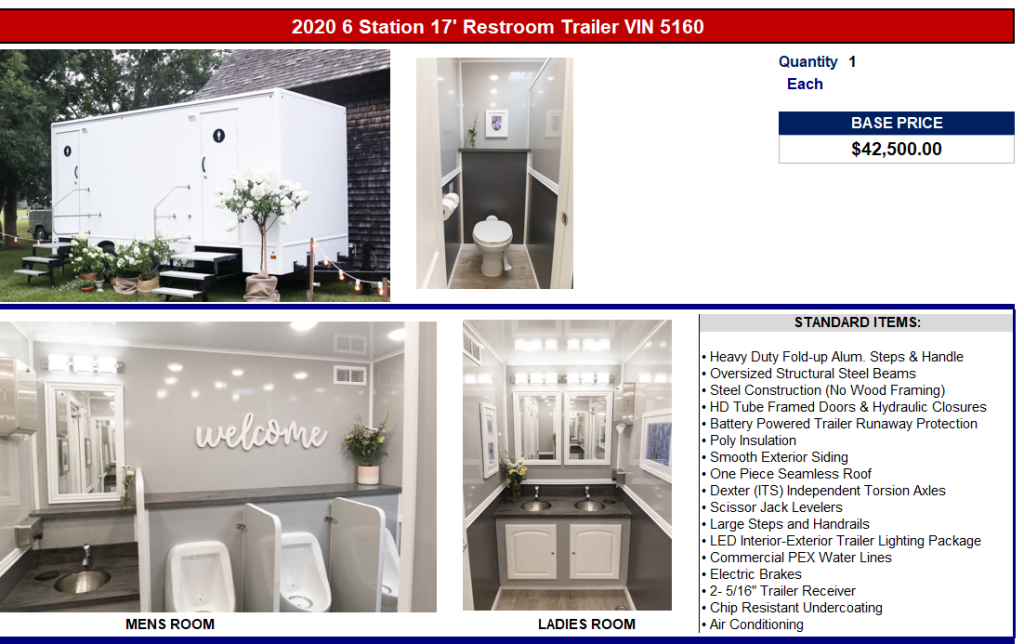
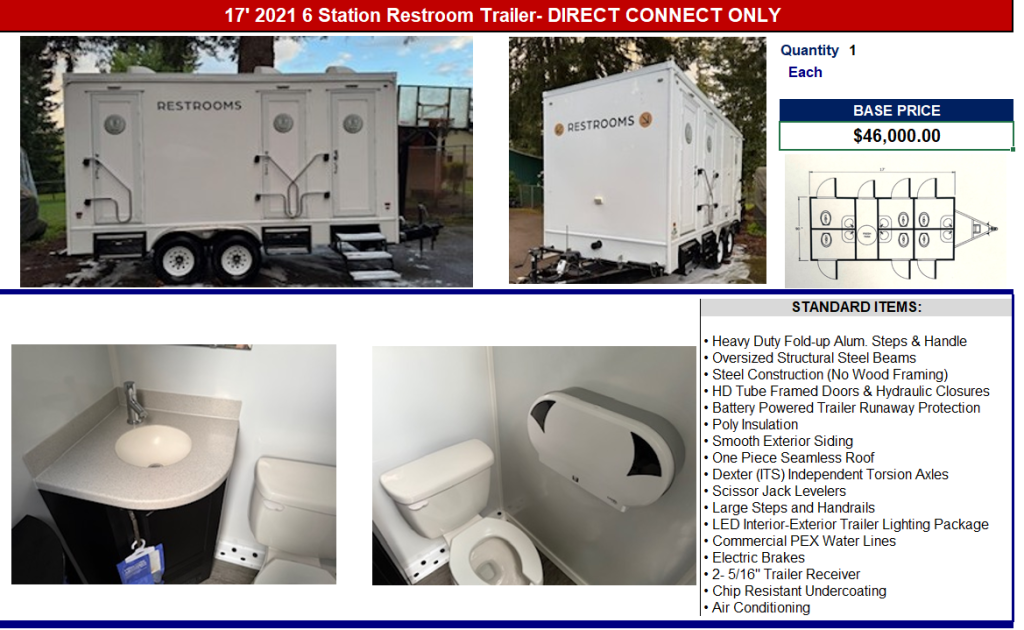
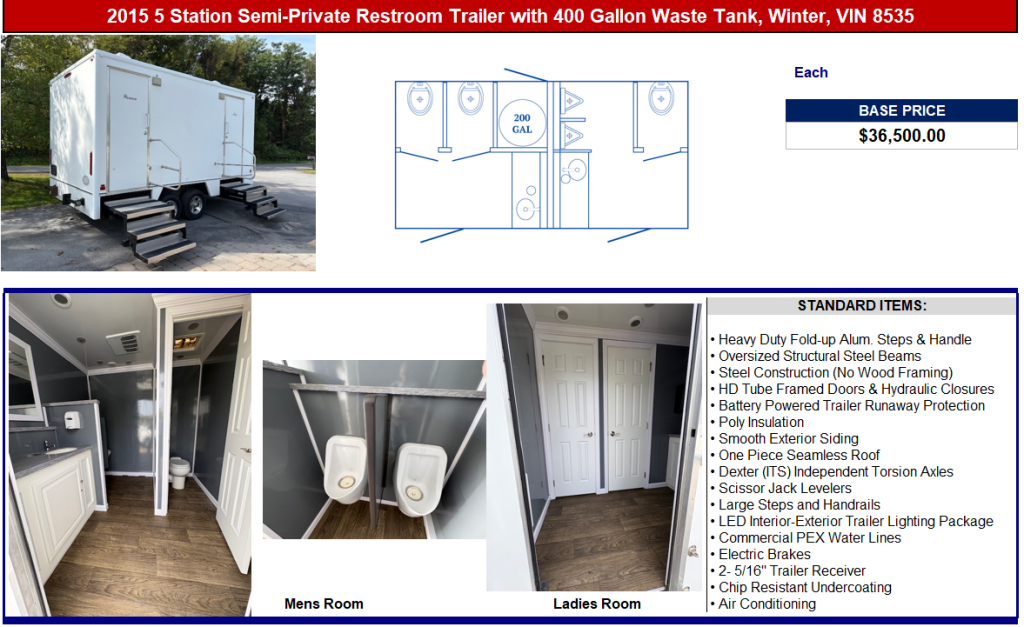
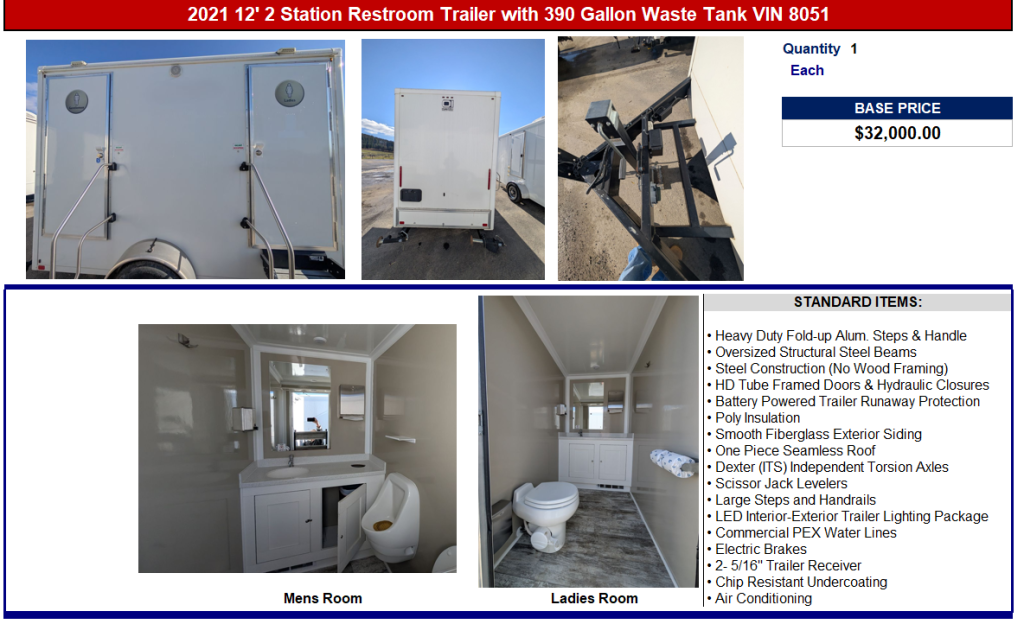
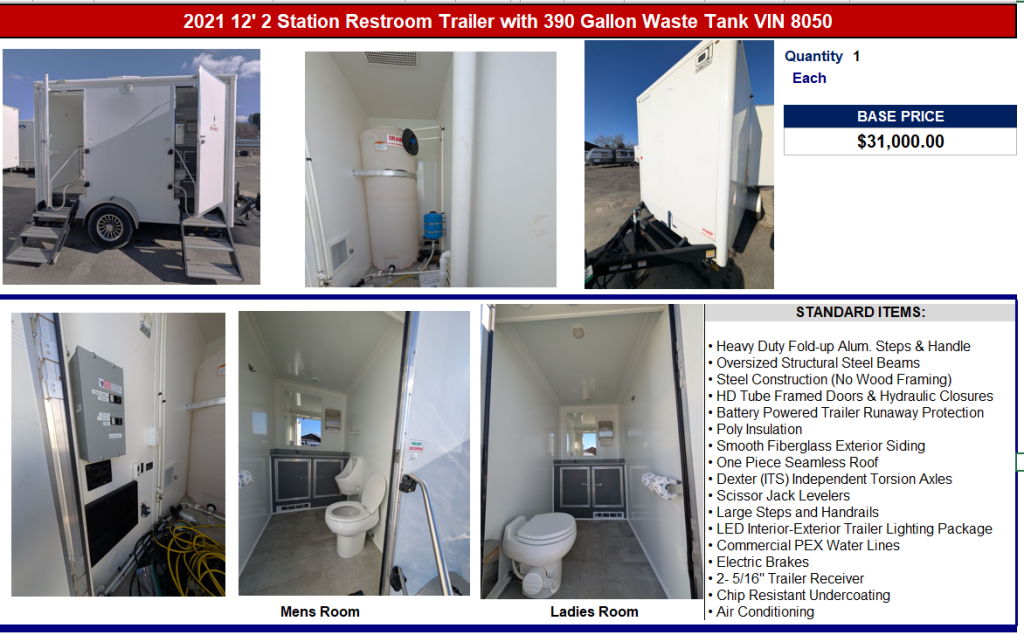
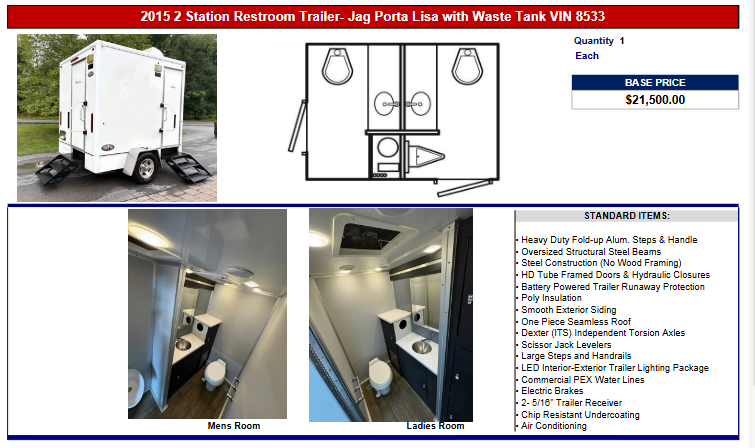
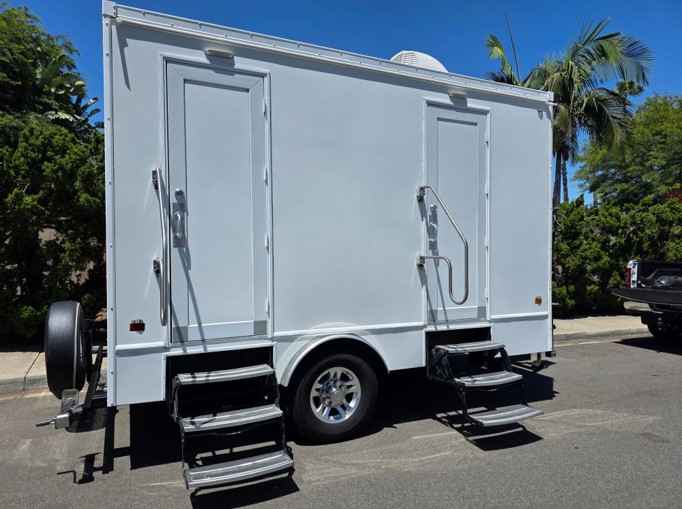
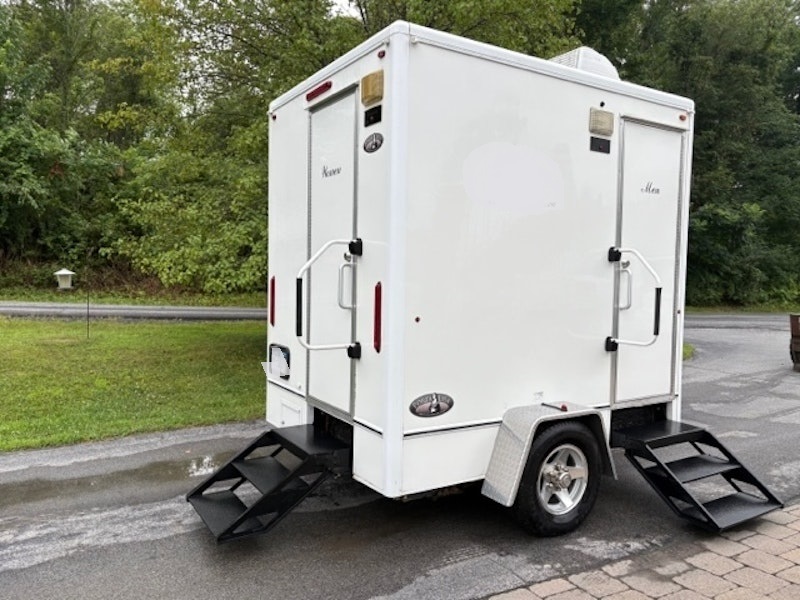
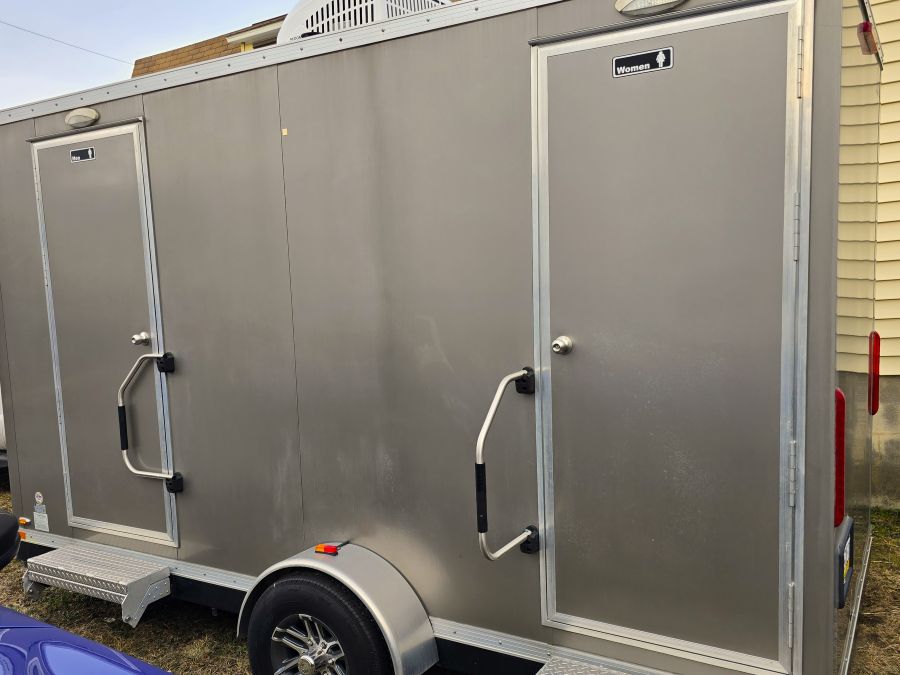
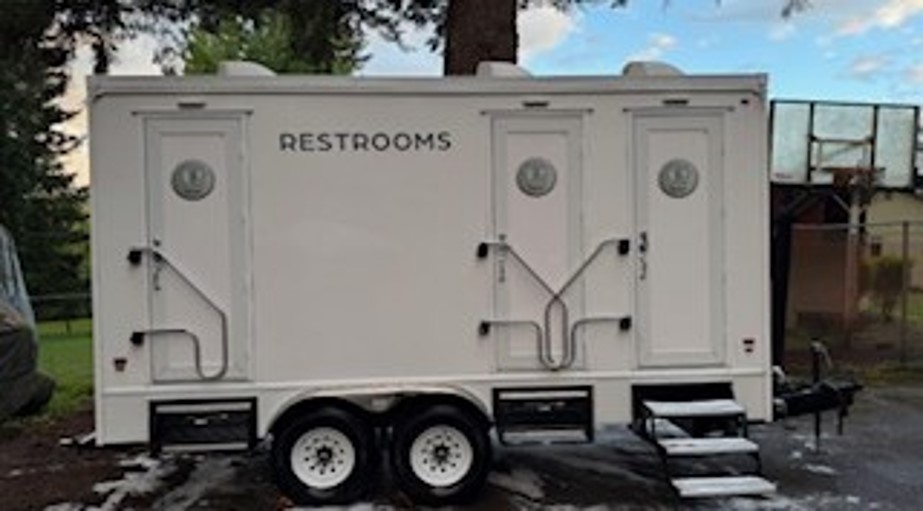
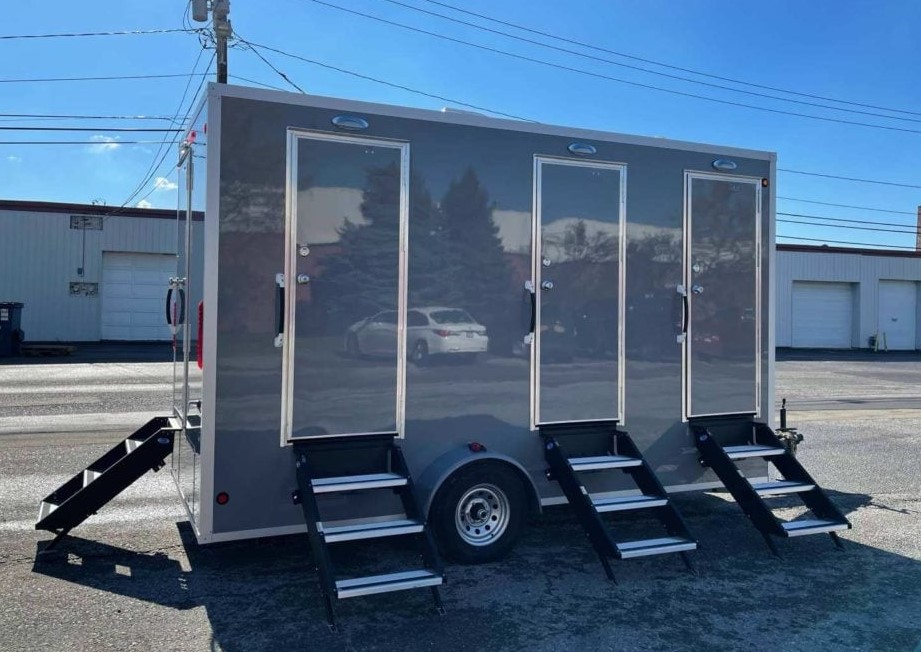
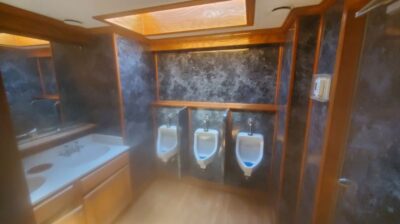
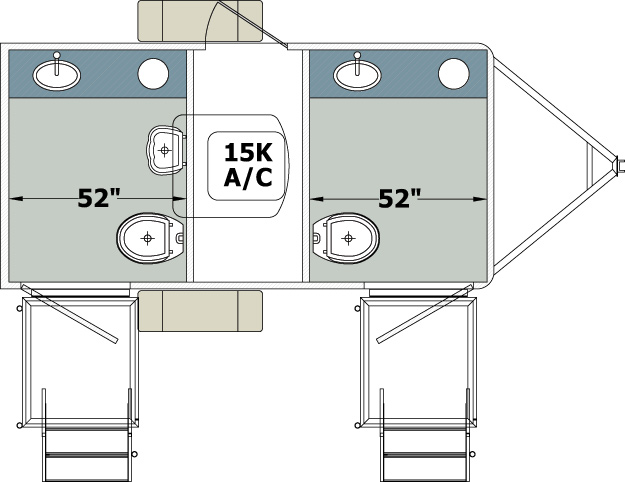
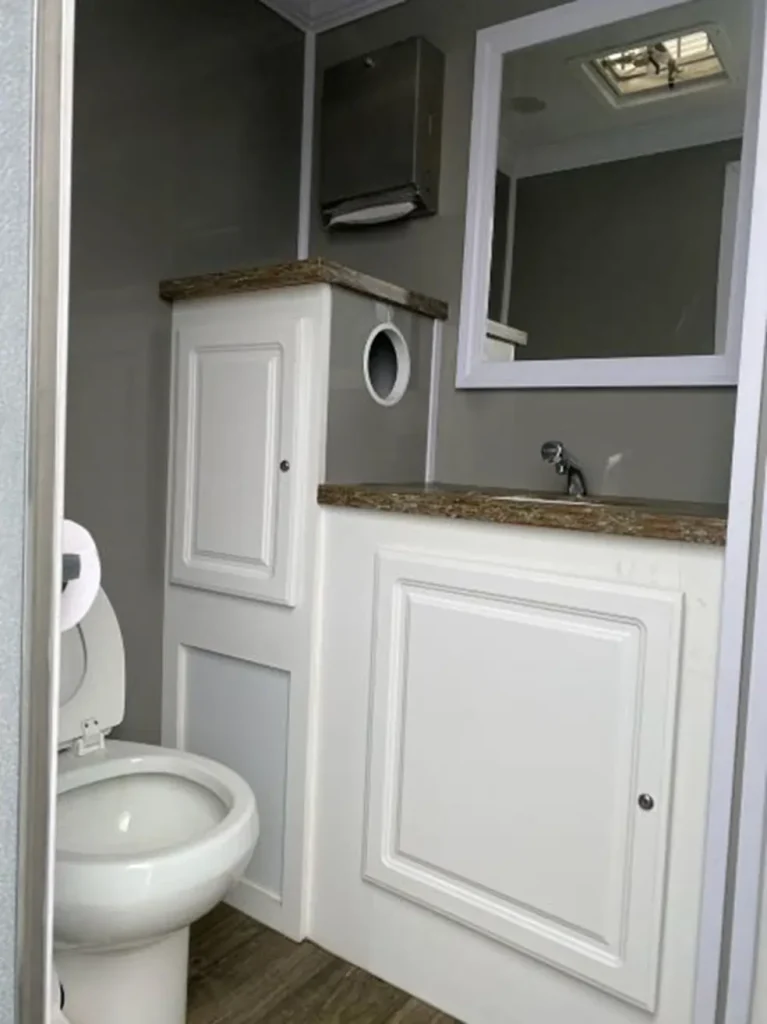
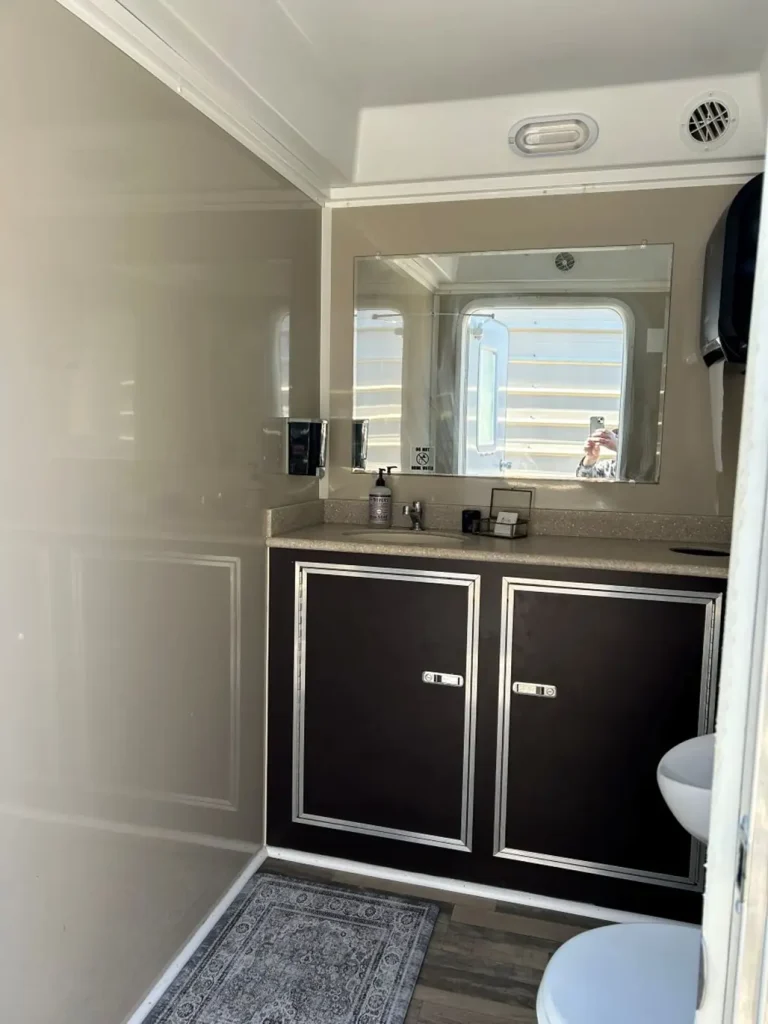
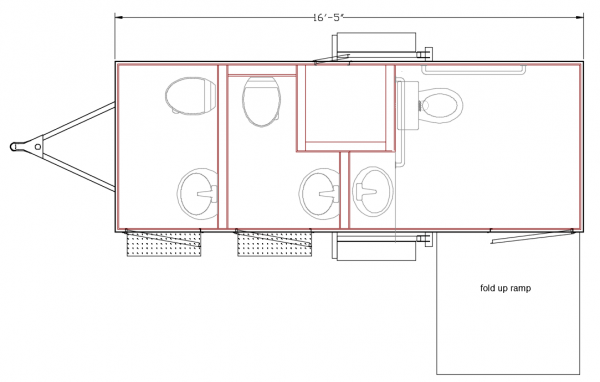
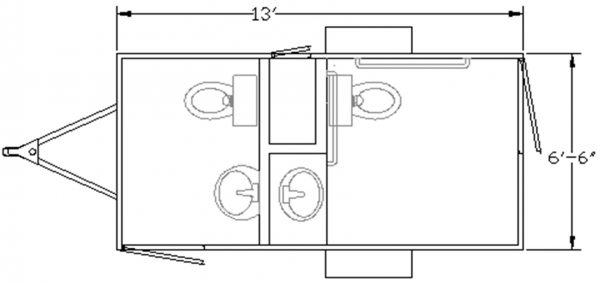
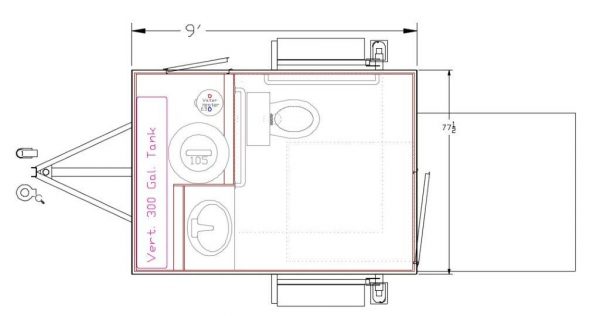
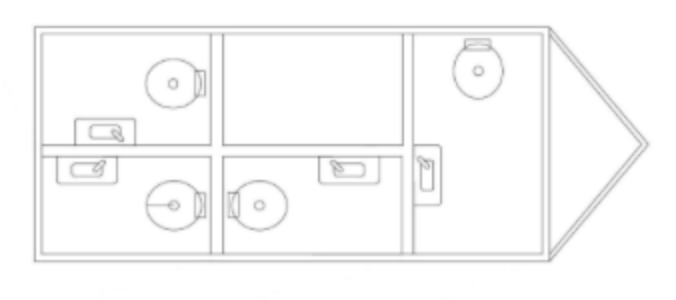
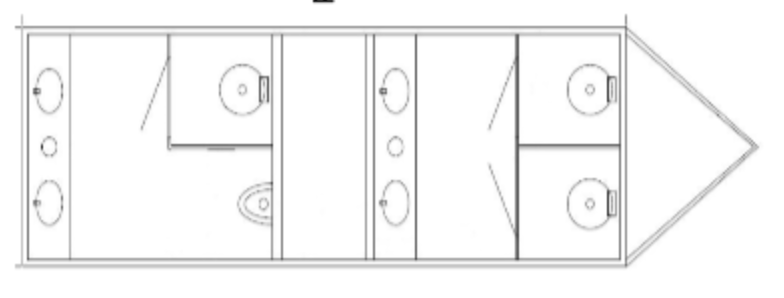
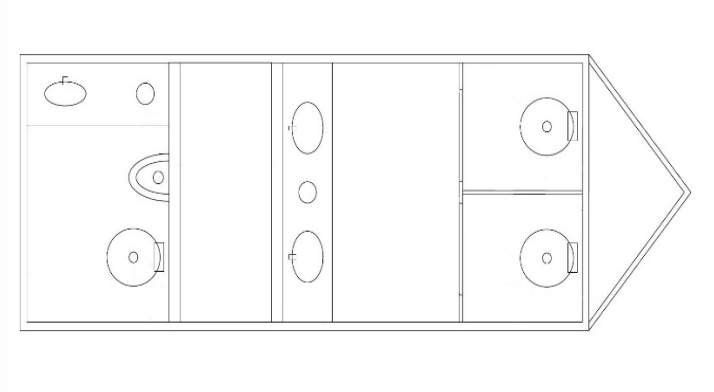
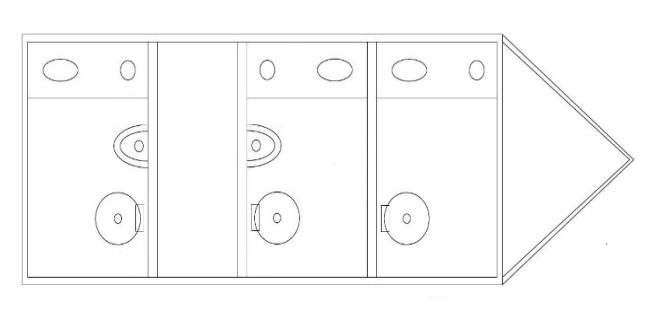
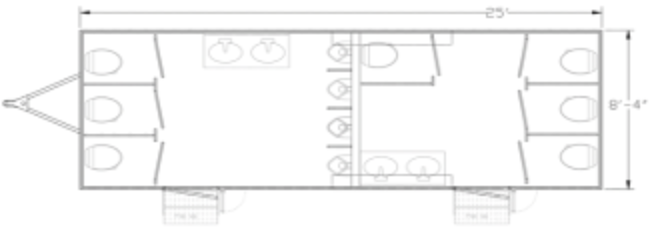
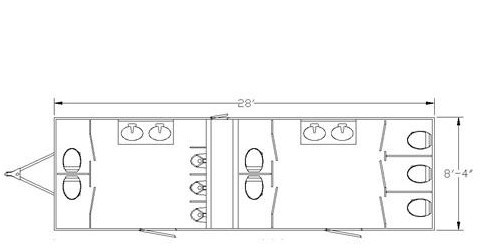
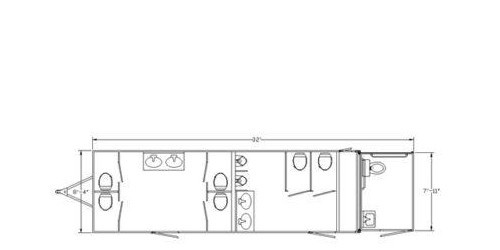
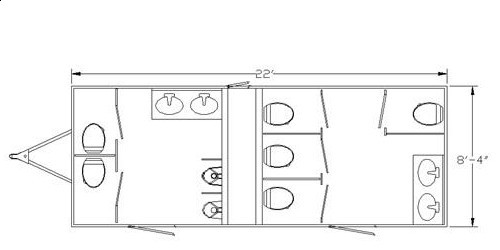
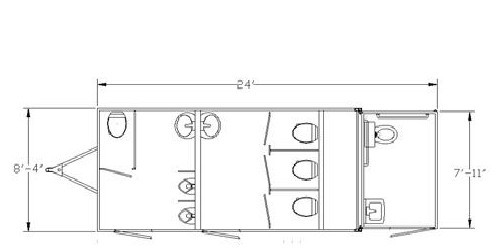
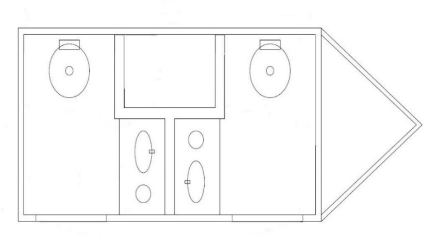
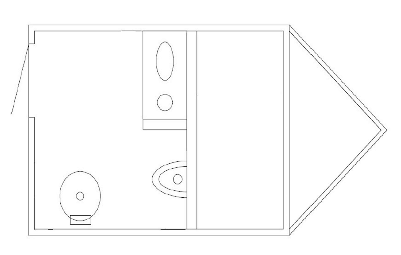
Flushing restrooms sized to camp headcount. See restroom trailers for sale.
Showers
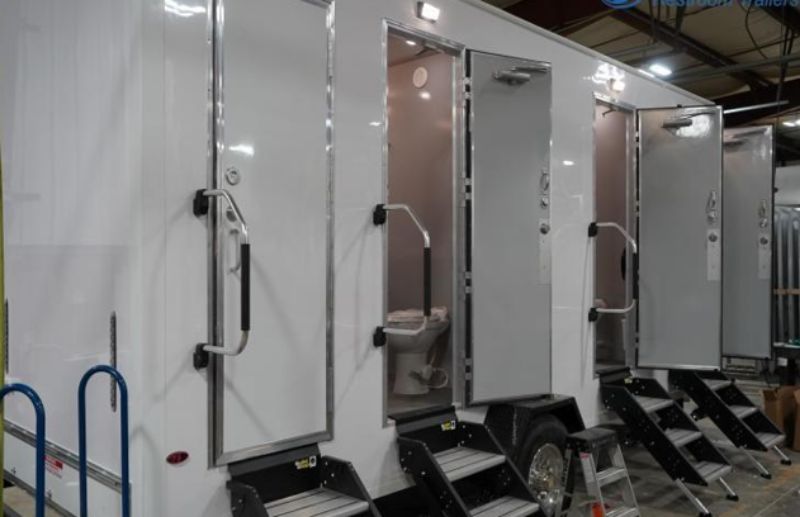
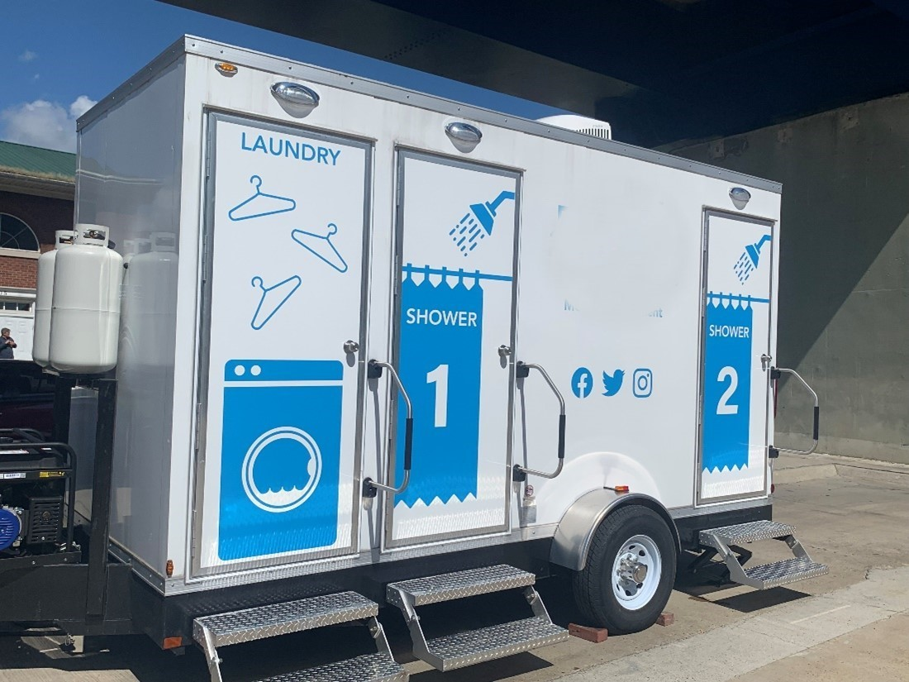
Hot showers at the end of every shift. See portable shower trailers.
Laundry
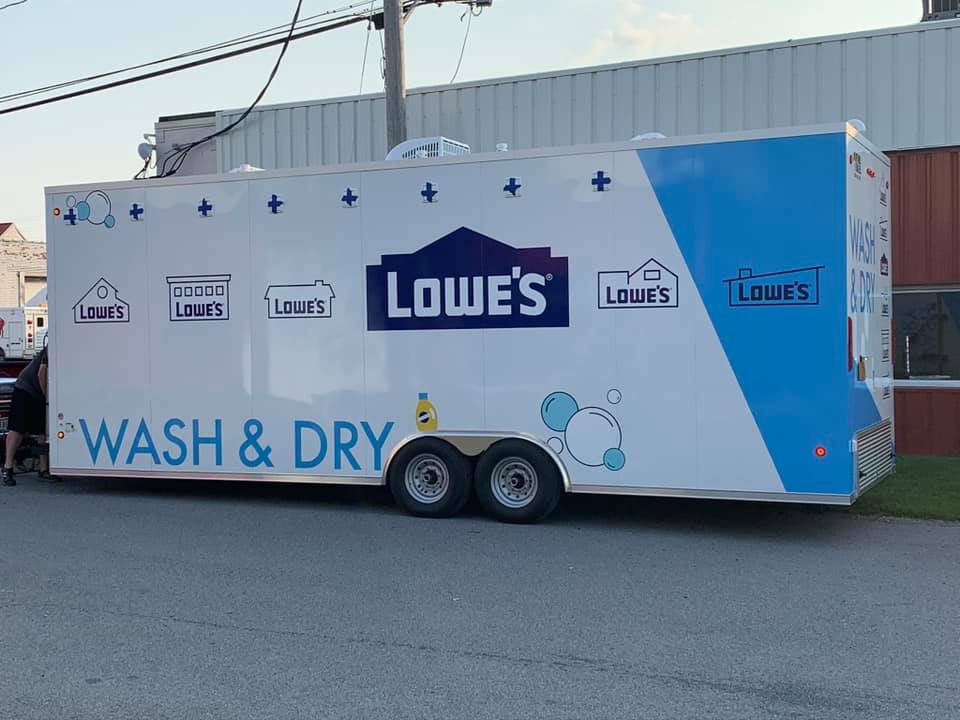
Clean clothes and bedding without leaving camp. See mobile laundry trailers.
Office & Command
Workspace to run the operation on site. See mobile office trailers.
Accessible Units
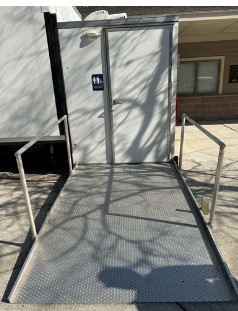
ADA restroom and shower units for camp access. See ADA trailers.
Hygiene and Laundry at Camp Scale
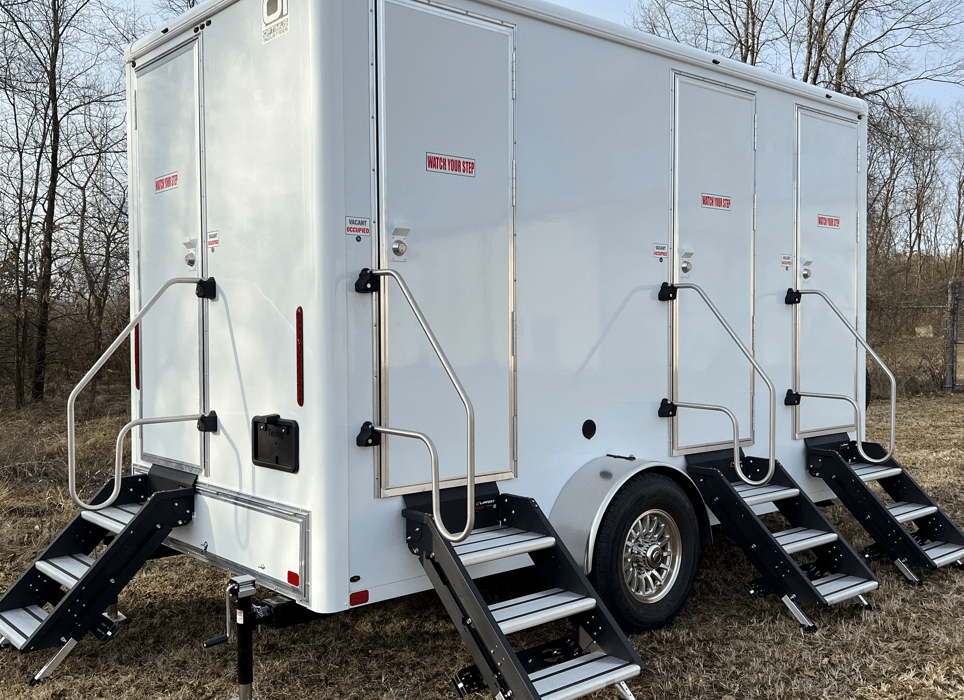
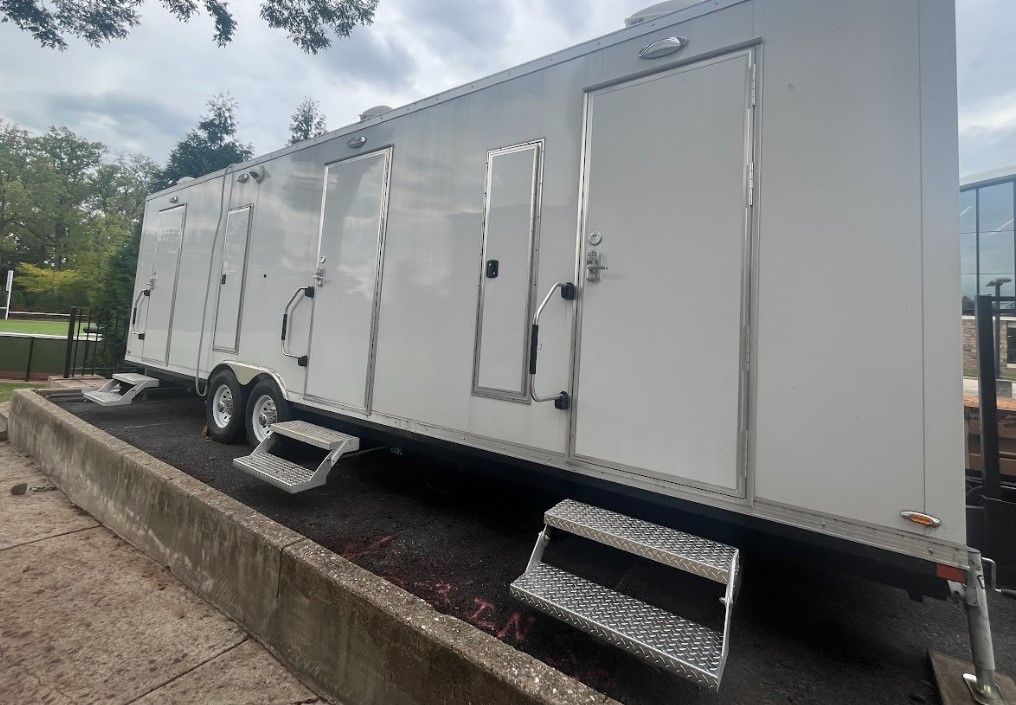
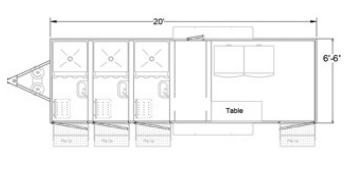
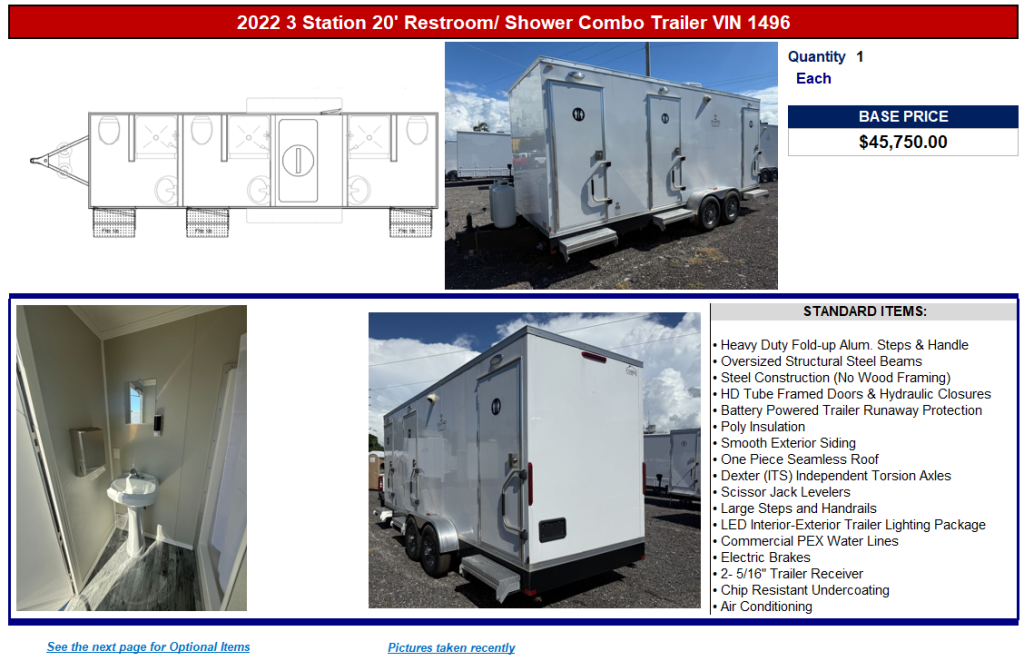
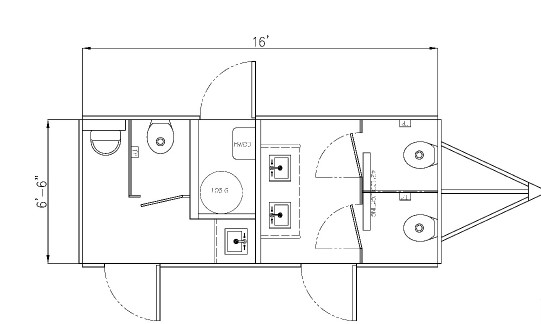
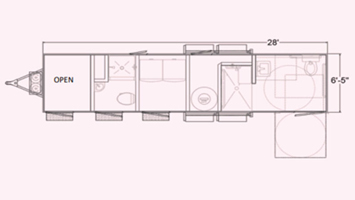
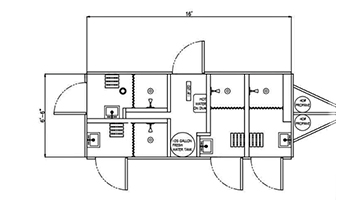
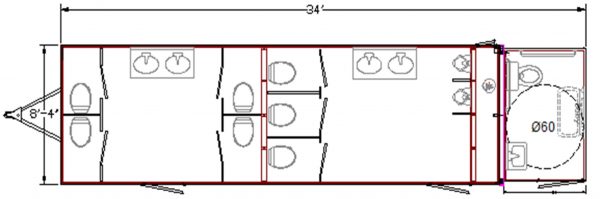
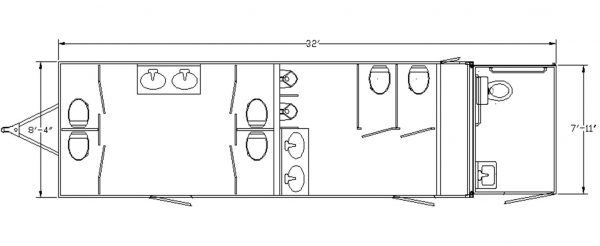
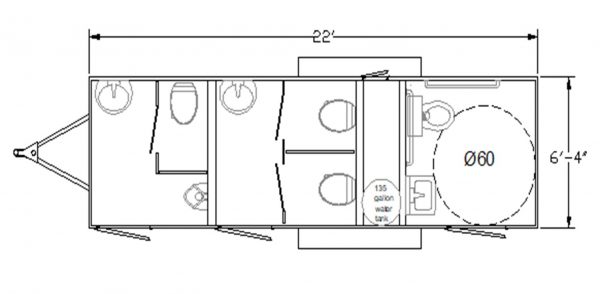
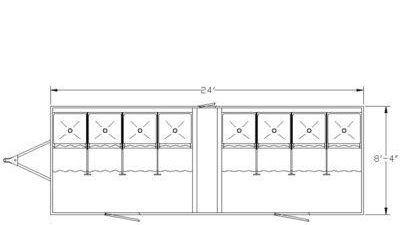
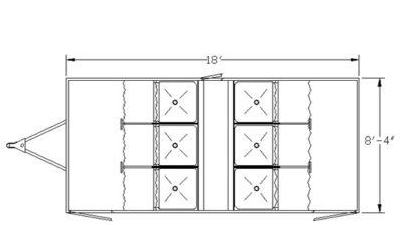
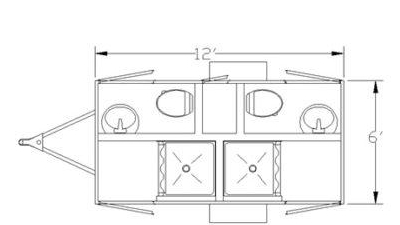
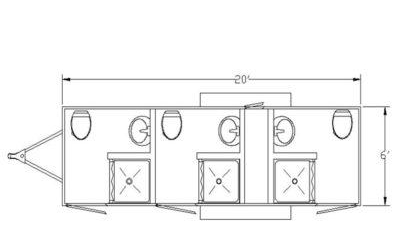
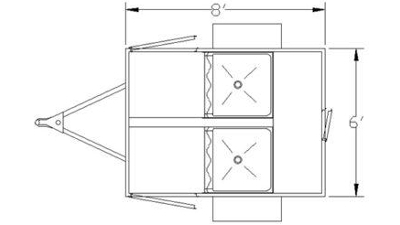
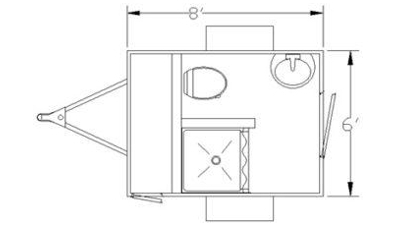
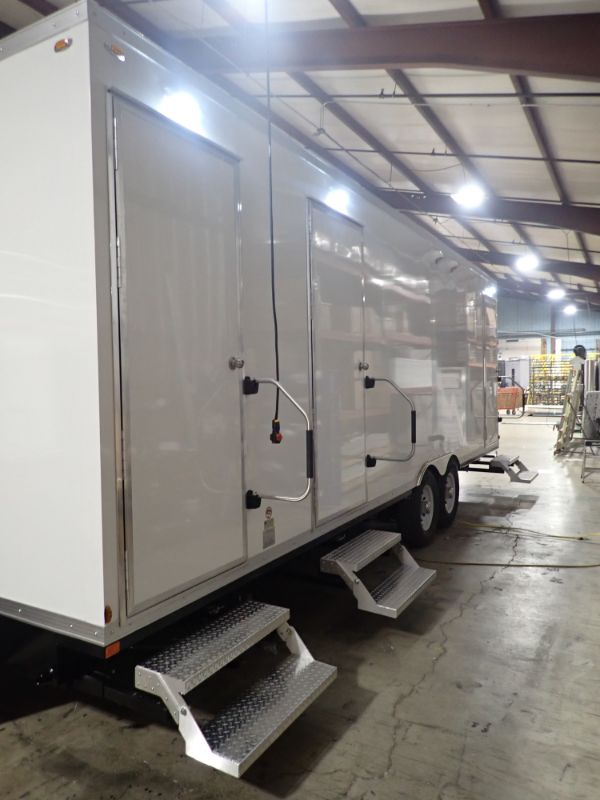
In a camp of dozens or hundreds of people, showers and laundry are what keep crews healthy and on the job. NRT builds high-capacity shower, restroom, and laundry trailers for continuous use, including combination units that put several services on one chassis. See our restroom, shower, and laundry combo trailers.
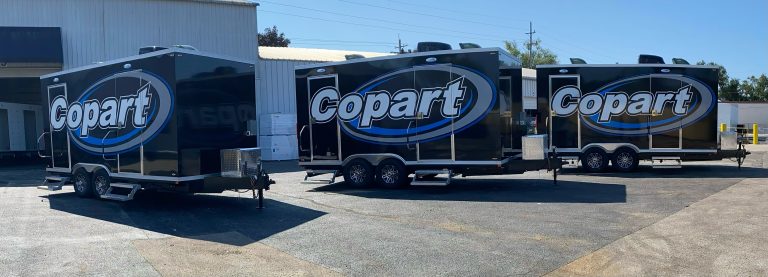
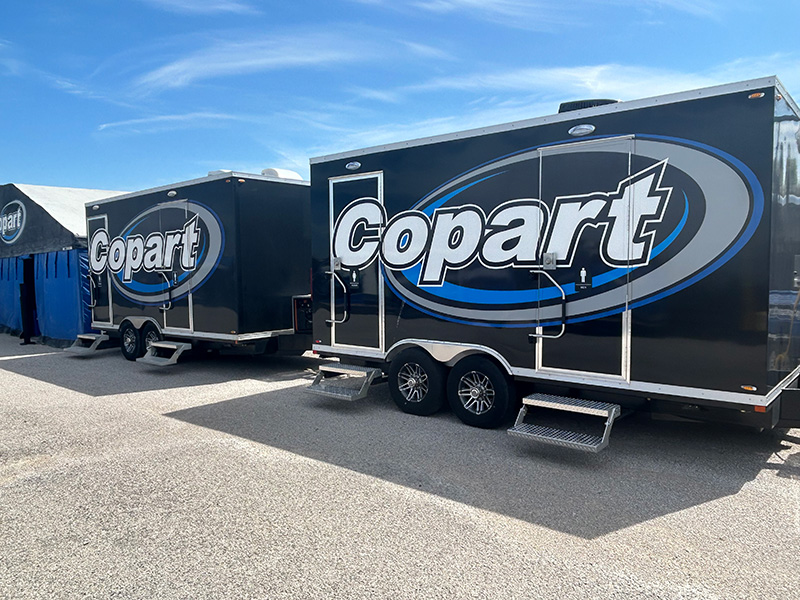
Trailers can also be finished with custom exterior graphics, so an organization’s camp or program is easy to recognize on site.
Who Uses Base Camp Trailers
Wildfire Crews
Fire camp hygiene and rest for long assignments. See wildfire relief trailers.
Disaster Responders
Support for teams working recovery sites. See disaster relief trailers.
Utility Restoration Crews
Staging camps for storm and outage restoration work.
Man Camps & Remote Industry
Oilfield, pipeline, and mining crews living far from town.
Remote Construction
Crews on long projects away from services. See jobsite trailers.
Government & Military
Field operations and training sites. See military, tactical & federal trailers.
Planning a Base Camp Deployment
Every camp is different, so our team works through the details with you before anything ships:
- Headcount and shifts: how many people the camp will sleep, shower, and serve each day
- Site conditions: ground surface, access for delivery, and layout space
- Utilities: grid power, water, and sewer where available, or onboard tanks and generators where not
- Length of stay: short incident deployments or long rotations at remote sites
- One coordinated delivery: sleeper, hygiene, and office trailers scheduled together
Buy New, Buy Pre-Owned, or Rent
Buy New
Build a standing camp fleet to your spec with Build Your Own Trailer.
Buy Pre-Owned
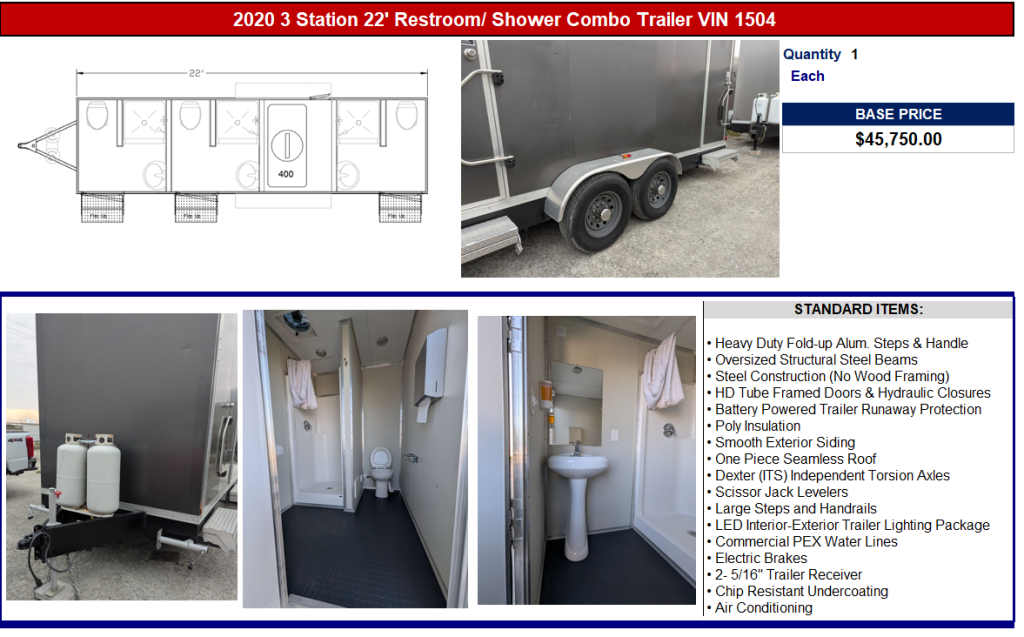
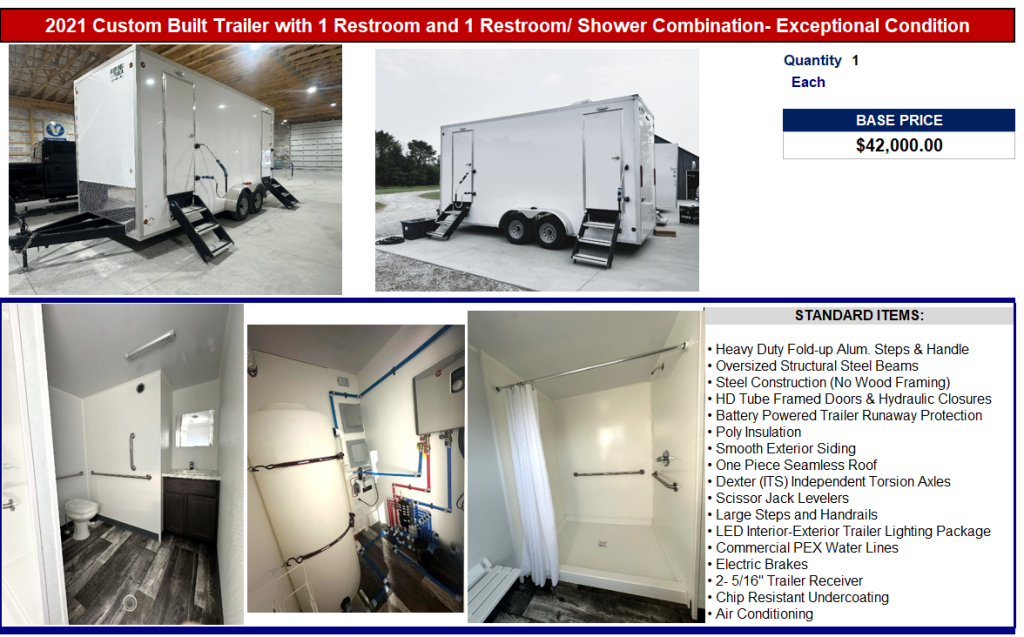
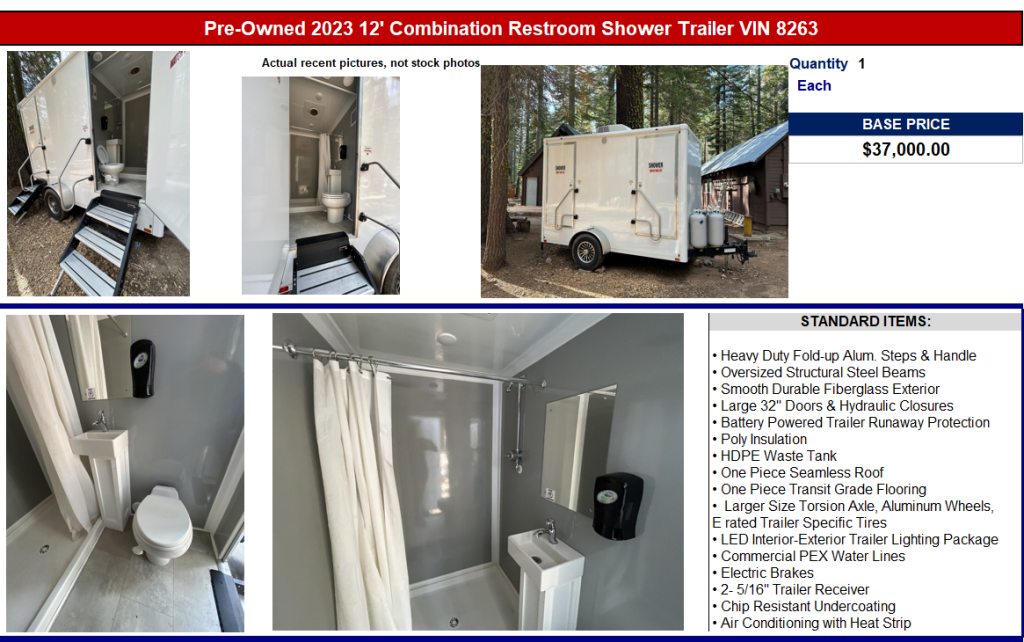
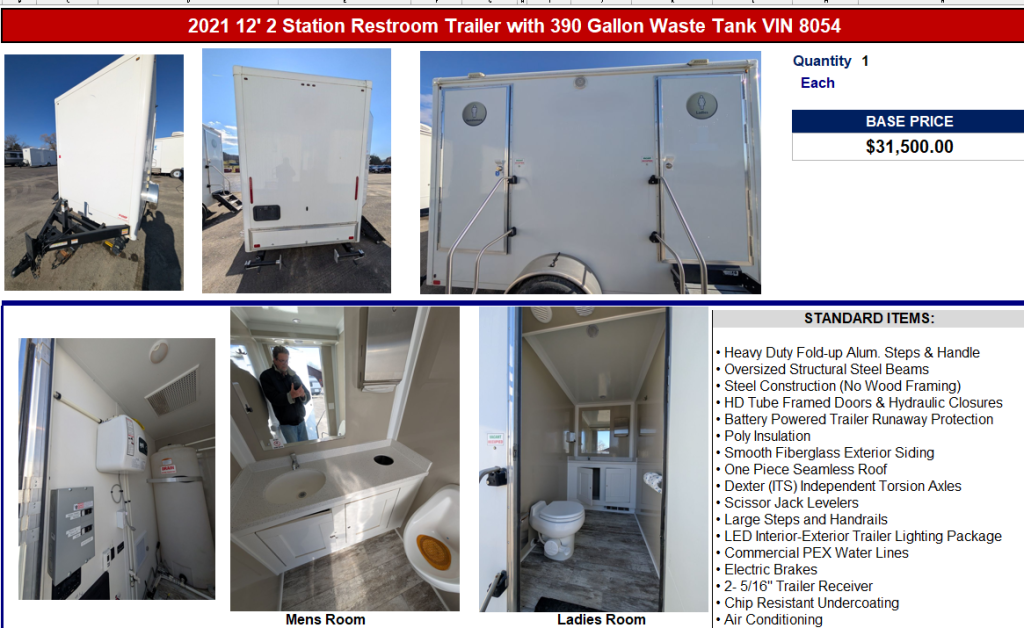
Check current units on our pre-owned trailers page. Inventory changes often.
Rent
Deploy through our long-term and government rental programs.
Coast-to-Coast Delivery
NRT operates manufacturing facilities in Chicago, Indiana, New York, Texas, and California, so camp trailers ship from the facility nearest your site. For active incidents, our team coordinates expedited delivery from the closest facility with available units. See our service areas for coverage.
Frequently Asked Questions: Base Camp Trailers
What is a base camp trailer setup?
A base camp is a group of trailers deployed together to house and support a crew on site. A typical setup combines sleeper or bunkhouse trailers with restroom, shower, and laundry units, plus office or command trailers to run the operation.
Who uses base camps?
Wildfire crews, disaster responders, utility restoration crews, oilfield, pipeline, and mining crews in man camps, remote construction crews, and government and military field operations all use base camps when they need to live and work away from permanent facilities.
What is the difference between a base camp and a man camp?
The terms overlap. Base camp is common in emergency response, such as wildfire and disaster operations, while man camp usually describes housing for oilfield, pipeline, and other remote industrial crews. Both rely on the same sleeper, restroom, shower, and laundry trailers.
Can a base camp run without utilities?
Yes. NRT builds camp trailers with onboard freshwater and waste tanks plus generator options, so a camp can operate at remote or damaged sites, then connect to power, water, and sewer when service is available.
How do I size a base camp?
Sizing starts with headcount, shift schedule, and length of stay, which drive the number of beds, restroom and shower stations, and laundry capacity. Our team works through those numbers with you and recommends the right mix of trailers.
Can I buy base camp trailers or rent them?
Both. Agencies and companies that deploy often buy new or pre-owned units to keep a standing camp fleet, while others rent through our long-term and government rental programs for a specific incident or project.
How much does a base camp cost?
Every base camp is quoted based on headcount, the mix of trailers, utility setup, length of stay, and whether you buy or rent. Contact our team with your requirements and we will put together a quote.
Request a Quote on Base Camp Trailers
For a quote on a base camp, request a quote online or contact our team directly. Tell us how many people the camp will support, where it will be, the site utilities, and how long you need it, and we will recommend the right mix of trailers.
A Working Camp Wherever the Crew Is
A base camp turns an empty lot, a fire line staging area, or a remote job site into a place where a crew can sleep, shower, use the restroom, wash clothes, and run the operation. NRT builds the trailers that make up that camp, from sleeper and restroom units to shower, laundry, and office trailers, and coordinates them as one deployment.
Base camps support disaster responders, wildfire crews, utility restoration teams, and remote construction and industrial crews in man camps far from town. As a manufacturer, NRT builds each trailer for heavy daily use and long stays. For the full response lineup, see our emergency response trailers.
What Goes Into a Base Camp
Sleeping Quarters
Bunk and private-room trailers for crews on long rotations. See bunkhouse trailers.
Restrooms
Flushing restrooms sized to camp headcount. See restroom trailers for sale.
Showers
Hot showers at the end of every shift. See portable shower trailers.
Laundry
Clean clothes and bedding without leaving camp. See mobile laundry trailers.
Office & Command
Workspace to run the operation on site. See mobile office trailers.
Accessible Units
ADA restroom and shower units for camp access. See ADA trailers.
Hygiene and Laundry at Camp Scale
In a camp of dozens or hundreds of people, showers and laundry are what keep crews healthy and on the job. NRT builds high-capacity shower, restroom, and laundry trailers for continuous use, including combination units that put several services on one chassis. See our restroom, shower, and laundry combo trailers.
Trailers can also be finished with custom exterior graphics, so an organization’s camp or program is easy to recognize on site.
Who Uses Base Camp Trailers
Wildfire Crews
Fire camp hygiene and rest for long assignments. See wildfire relief trailers.
Disaster Responders
Support for teams working recovery sites. See disaster relief trailers.
Utility Restoration Crews
Staging camps for storm and outage restoration work.
Man Camps & Remote Industry
Oilfield, pipeline, and mining crews living far from town.
Remote Construction
Crews on long projects away from services. See jobsite trailers.
Government & Military
Field operations and training sites. See military, tactical & federal trailers.
Planning a Base Camp Deployment
Every camp is different, so our team works through the details with you before anything ships:
- Headcount and shifts: how many people the camp will sleep, shower, and serve each day
- Site conditions: ground surface, access for delivery, and layout space
- Utilities: grid power, water, and sewer where available, or onboard tanks and generators where not
- Length of stay: short incident deployments or long rotations at remote sites
- One coordinated delivery: sleeper, hygiene, and office trailers scheduled together
Buy New, Buy Pre-Owned, or Rent
Buy New
Build a standing camp fleet to your spec with Build Your Own Trailer.
Buy Pre-Owned
Check current units on our pre-owned trailers page. Inventory changes often.
Rent
Deploy through our long-term and government rental programs.
Coast-to-Coast Delivery
NRT operates manufacturing facilities in Chicago, Indiana, New York, Texas, and California, so camp trailers ship from the facility nearest your site. For active incidents, our team coordinates expedited delivery from the closest facility with available units. See our service areas for coverage.
Frequently Asked Questions: Base Camp Trailers
What is a base camp trailer setup?
A base camp is a group of trailers deployed together to house and support a crew on site. A typical setup combines sleeper or bunkhouse trailers with restroom, shower, and laundry units, plus office or command trailers to run the operation.
Who uses base camps?
Wildfire crews, disaster responders, utility restoration crews, oilfield, pipeline, and mining crews in man camps, remote construction crews, and government and military field operations all use base camps when they need to live and work away from permanent facilities.
What is the difference between a base camp and a man camp?
The terms overlap. Base camp is common in emergency response, such as wildfire and disaster operations, while man camp usually describes housing for oilfield, pipeline, and other remote industrial crews. Both rely on the same sleeper, restroom, shower, and laundry trailers.
Can a base camp run without utilities?
Yes. NRT builds camp trailers with onboard freshwater and waste tanks plus generator options, so a camp can operate at remote or damaged sites, then connect to power, water, and sewer when service is available.
How do I size a base camp?
Sizing starts with headcount, shift schedule, and length of stay, which drive the number of beds, restroom and shower stations, and laundry capacity. Our team works through those numbers with you and recommends the right mix of trailers.
Can I buy base camp trailers or rent them?
Both. Agencies and companies that deploy often buy new or pre-owned units to keep a standing camp fleet, while others rent through our long-term and government rental programs for a specific incident or project.
How much does a base camp cost?
Every base camp is quoted based on headcount, the mix of trailers, utility setup, length of stay, and whether you buy or rent. Contact our team with your requirements and we will put together a quote.
Request a Quote on Base Camp Trailers
For a quote on a base camp, request a quote online or contact our team directly. Tell us how many people the camp will support, where it will be, the site utilities, and how long you need it, and we will recommend the right mix of trailers.
Shop new trailers with the latest features and warranties.
Find quality pre-owned trailers inspected and ready for immediate use.