ADA Compliant Trailers: What to Know Before You Buy
ADA Trailer Requirements, Specifications & Buyer Guide for Events, Government Projects & Public Facilities
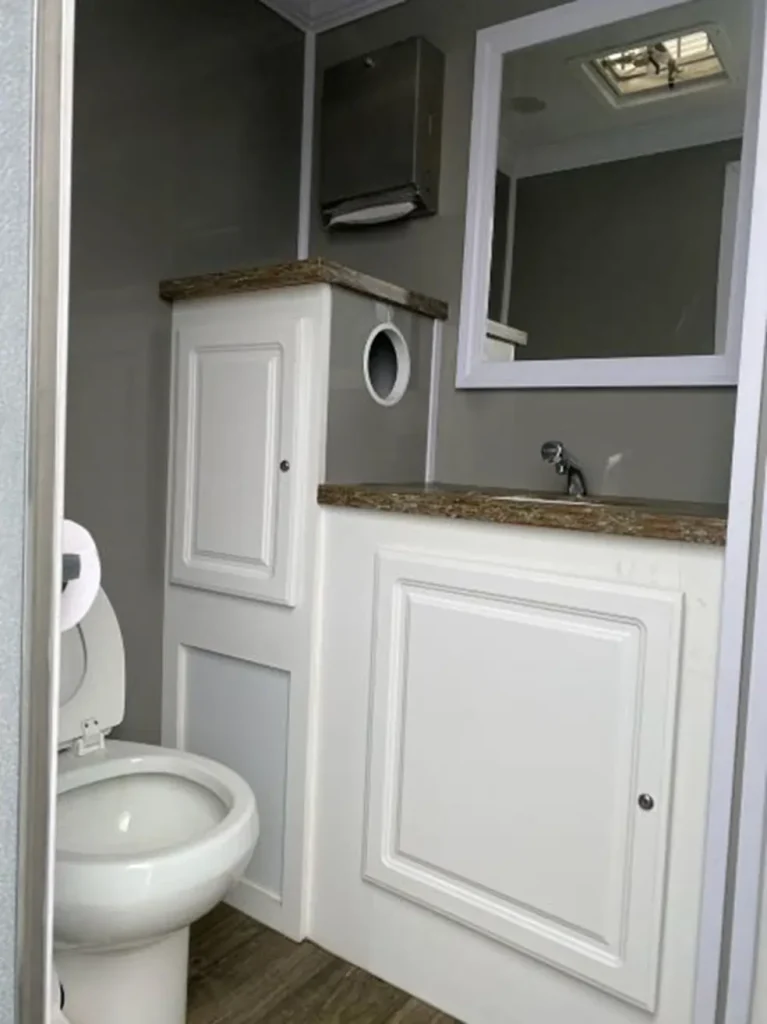
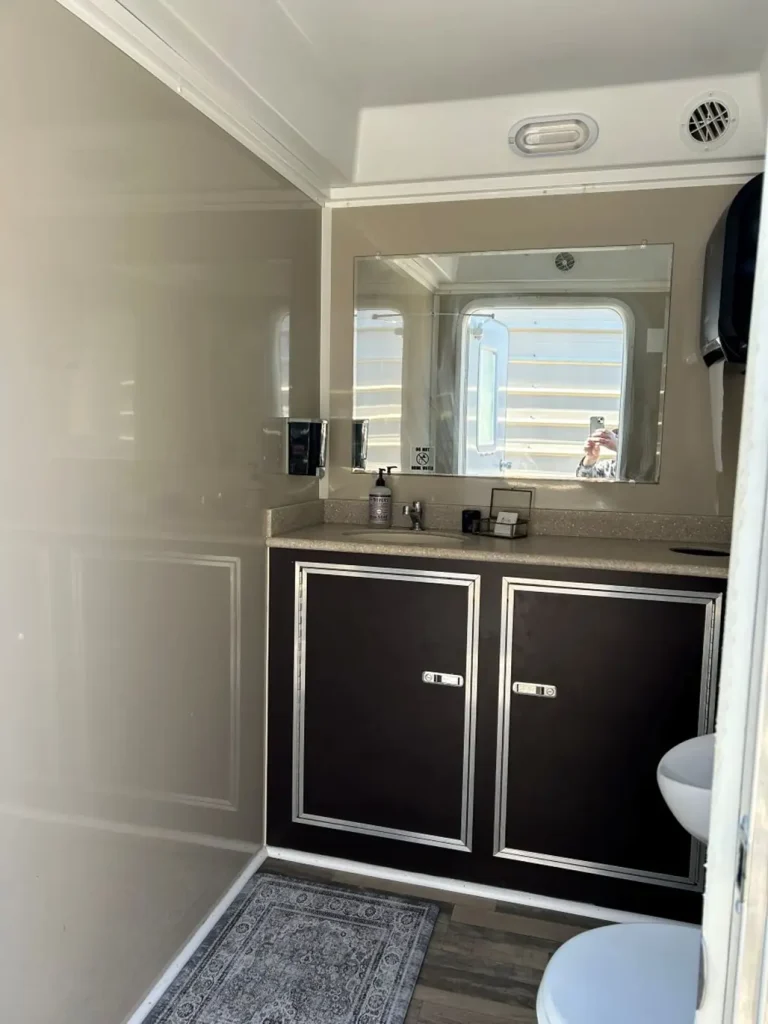
ADA compliance in a mobile trailer is not a checkbox — it is a specific set of engineering requirements that determine whether a unit is genuinely accessible to individuals using wheelchairs, walkers, or other mobility devices. NRT specialty trailers are built to meet or exceed ADA standards across restroom, shower, and laundry configurations, with the door widths, ramp systems, interior clearances, and fixture heights the law requires. Whether you are sourcing for a public event, a government facility, a nonprofit program, or a long-term deployment, this guide covers what ADA compliance actually means in a mobile trailer and what to look for before you buy.
Request A QuoteWhat Makes a Trailer ADA Compliant?
ADA compliance in a mobile trailer means the unit meets the specific dimensional, structural, and fixture requirements of the Americans with Disabilities Act — not just that it has a ramp or a wider door. A genuinely compliant trailer meets all of the following standards:
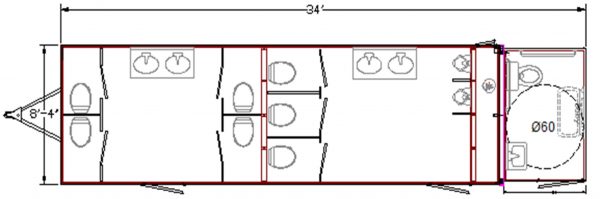
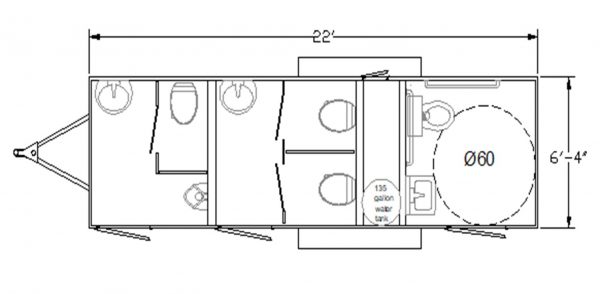
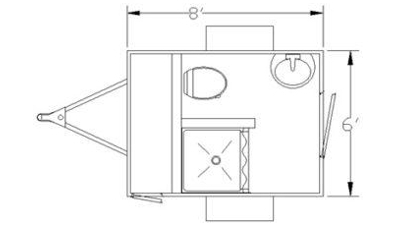
- Interior turning clearance — a minimum 60-inch diameter clear floor space allowing a wheelchair to complete a full 360-degree turn without obstruction
- Entry width — doors must provide a minimum 32 to 36-inch clear opening width with self-closing mechanisms or easy-to-operate lever-style hardware
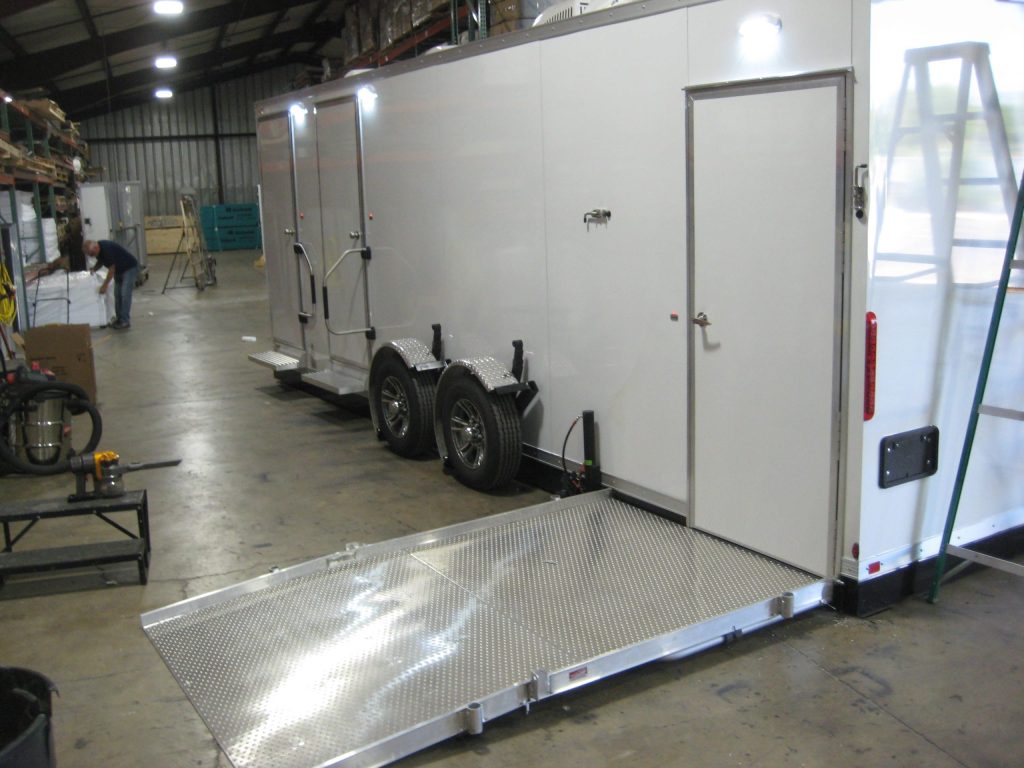
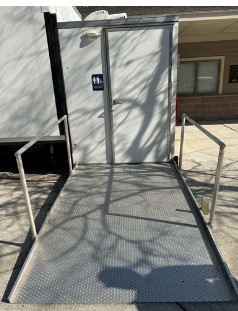
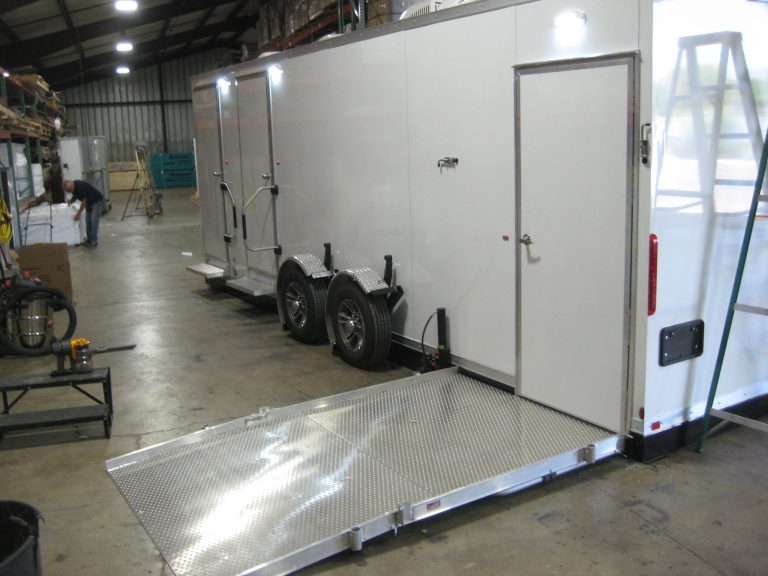
- Ramp or ground-level access — entry must be via a compliant ramp with a maximum slope ratio of 1:12, with handrails extending to the door, or a hydraulic lowering system that brings the unit to ground level
- Grab bars — interior walls must be reinforced to support grab bars rated to hold a minimum of 250 lbs of force, positioned around the toilet and shower areas
- Fixture heights — sinks, counters, mirrors, soap dispensers, and paper towel dispensers must be positioned at accessible heights, typically a maximum of 34 inches, using lever-style handles rather than knobs
- Non-slip flooring — floors must be slip-resistant and free of obstacles or raised thresholds that would impede wheelchair movement
- Signage — exterior must display the international wheelchair accessibility symbol with Braille labeling
NRT’s ADA trailer line is engineered to these specifications. See our full ADA trailers overview for available configurations.
What Makes a Trailer ADA Compliant?
ADA compliance in a mobile trailer means the unit meets the specific dimensional, structural, and fixture requirements of the Americans with Disabilities Act — not just that it has a ramp or a wider door. A genuinely compliant trailer meets all of the following standards:
- Interior turning clearance — a minimum 60-inch diameter clear floor space allowing a wheelchair to complete a full 360-degree turn without obstruction
- Entry width — doors must provide a minimum 32 to 36-inch clear opening width with self-closing mechanisms or easy-to-operate lever-style hardware
- Ramp or ground-level access — entry must be via a compliant ramp with a maximum slope ratio of 1:12, with handrails extending to the door, or a hydraulic lowering system that brings the unit to ground level
- Grab bars — interior walls must be reinforced to support grab bars rated to hold a minimum of 250 lbs of force, positioned around the toilet and shower areas
- Fixture heights — sinks, counters, mirrors, soap dispensers, and paper towel dispensers must be positioned at accessible heights, typically a maximum of 34 inches, using lever-style handles rather than knobs
- Non-slip flooring — floors must be slip-resistant and free of obstacles or raised thresholds that would impede wheelchair movement
- Signage — exterior must display the international wheelchair accessibility symbol with Braille labeling
NRT’s ADA trailer line is engineered to these specifications. See our full ADA trailers overview for available configurations.
ADA Trailer vs. Standard Trailer — Key Differences
Standard restroom and shower trailers are not interchangeable with ADA units. The differences affect footprint, entry, interior layout, and fixtures:
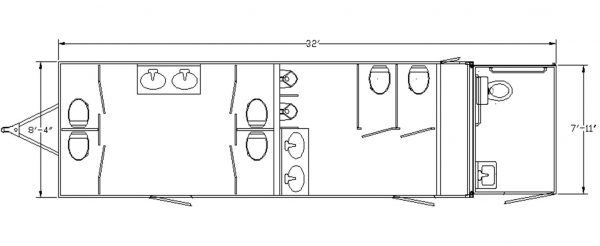
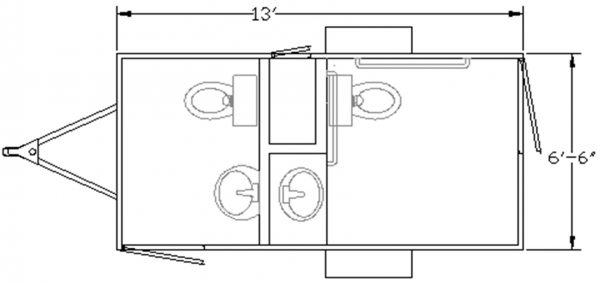
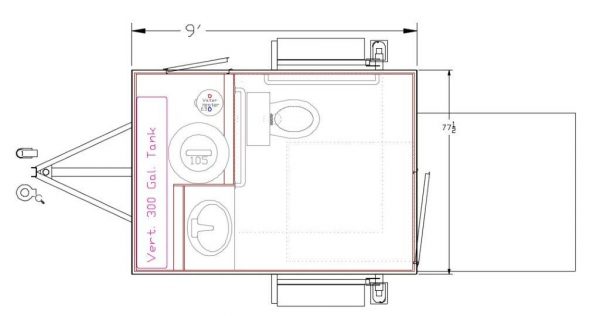
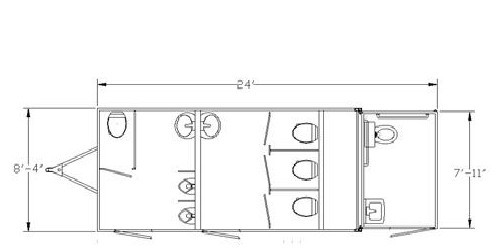
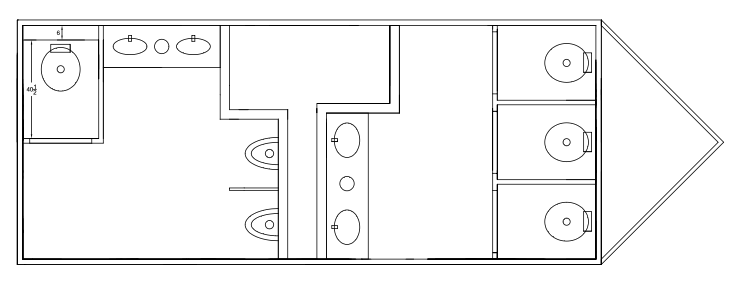
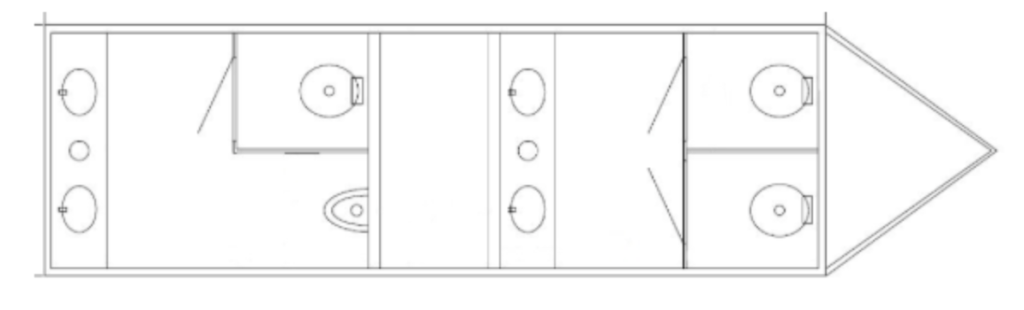
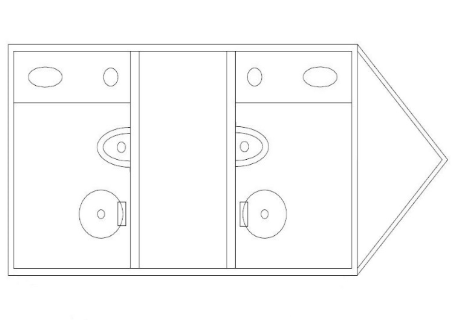
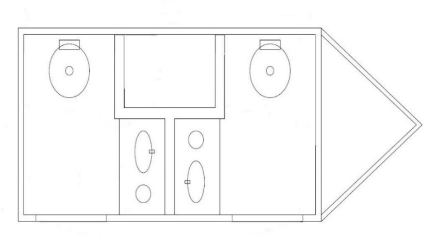
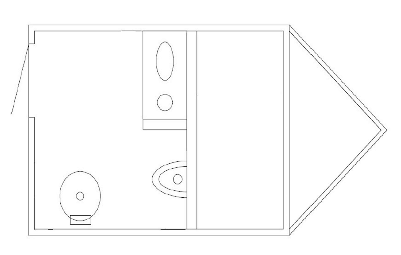
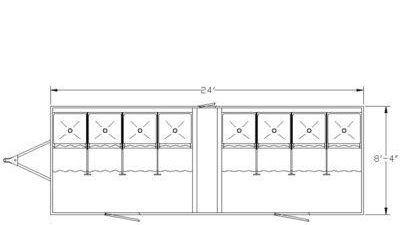
- Footprint — standard trailers use compact, efficient floor plans to maximize stall count. ADA units require a significantly larger interior suite to accommodate the 60-inch turning radius, which reduces the total stall count per trailer length
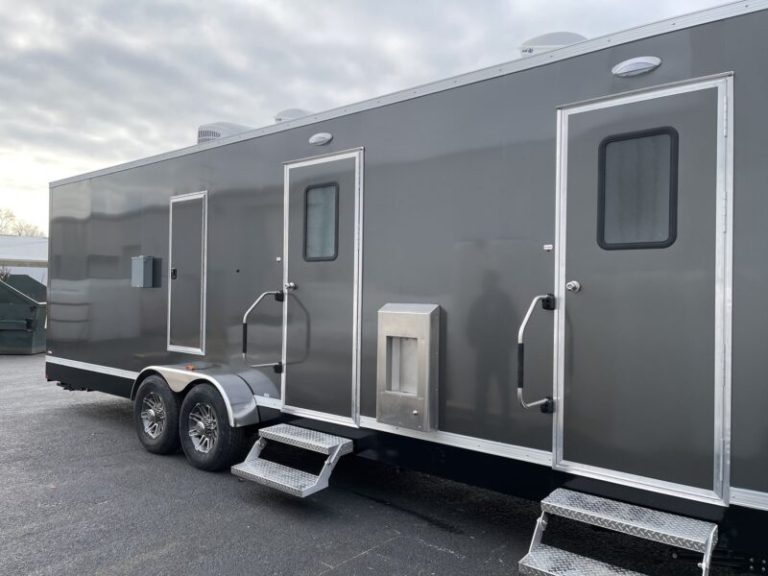
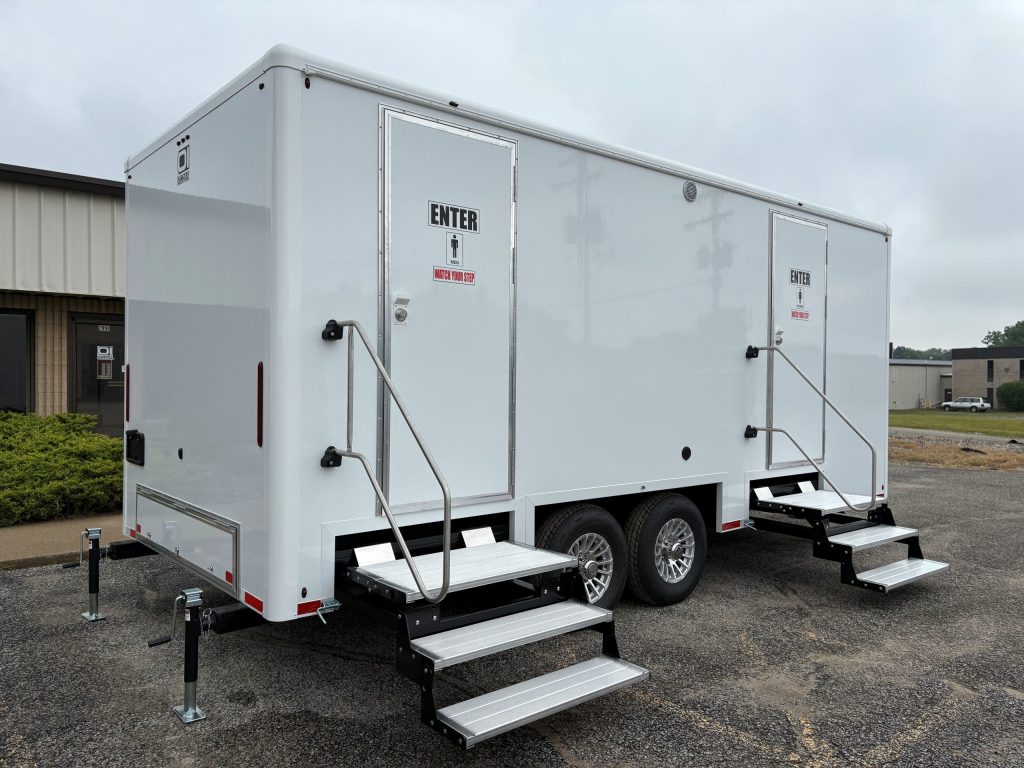
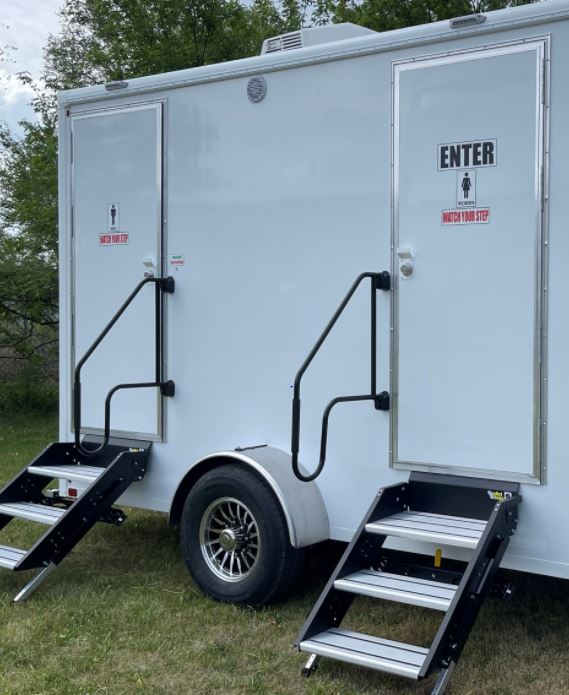
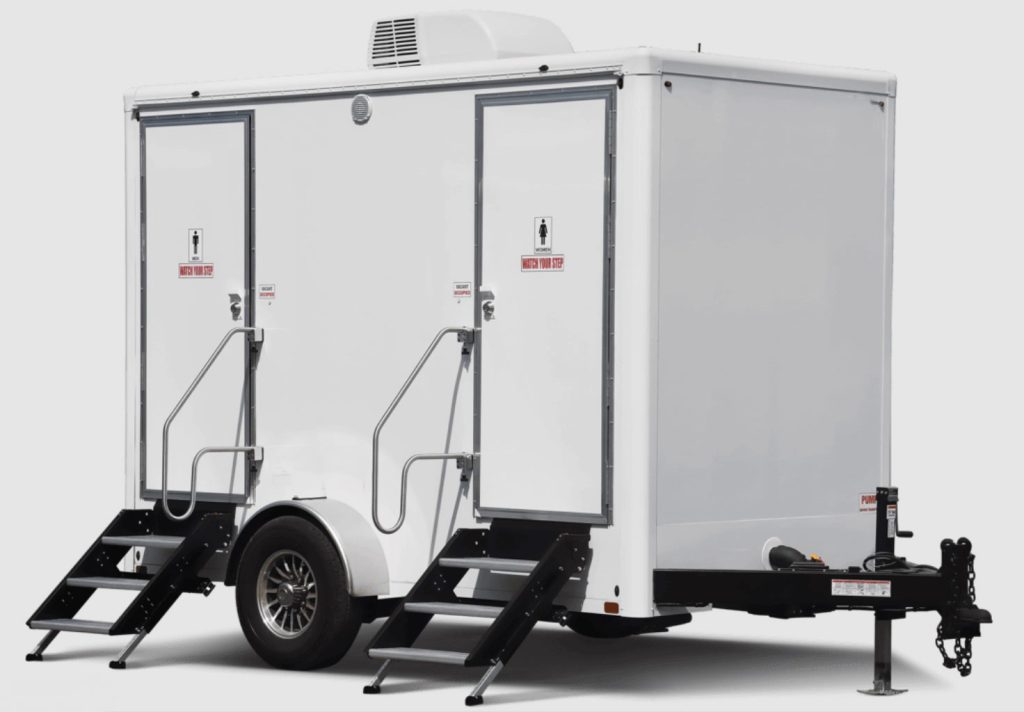
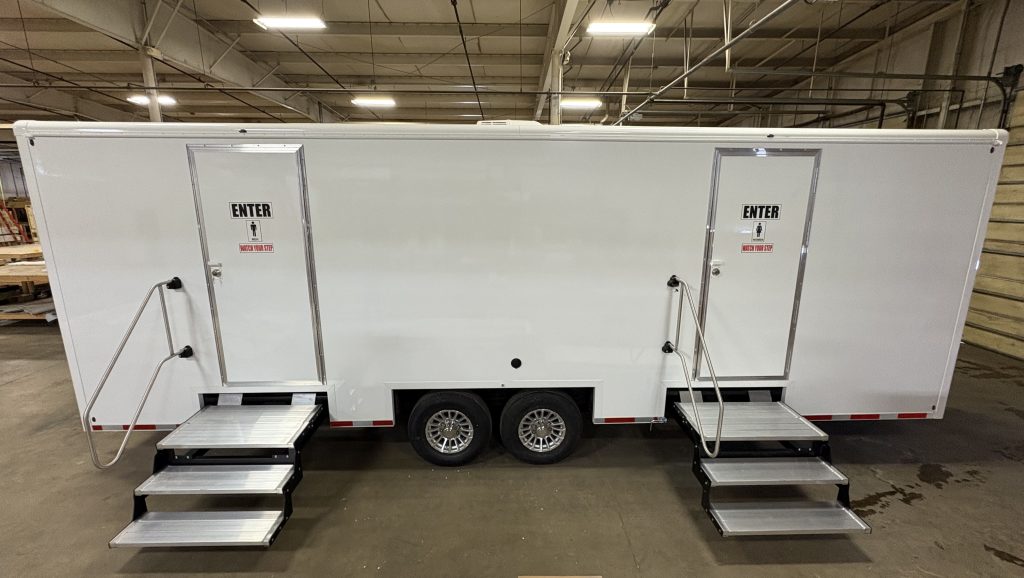
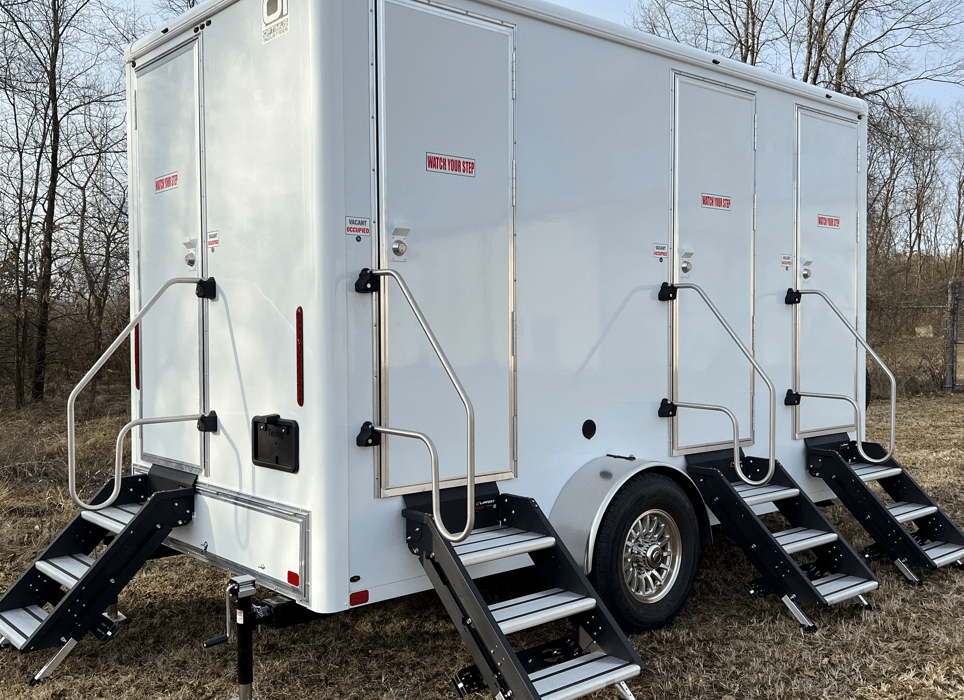
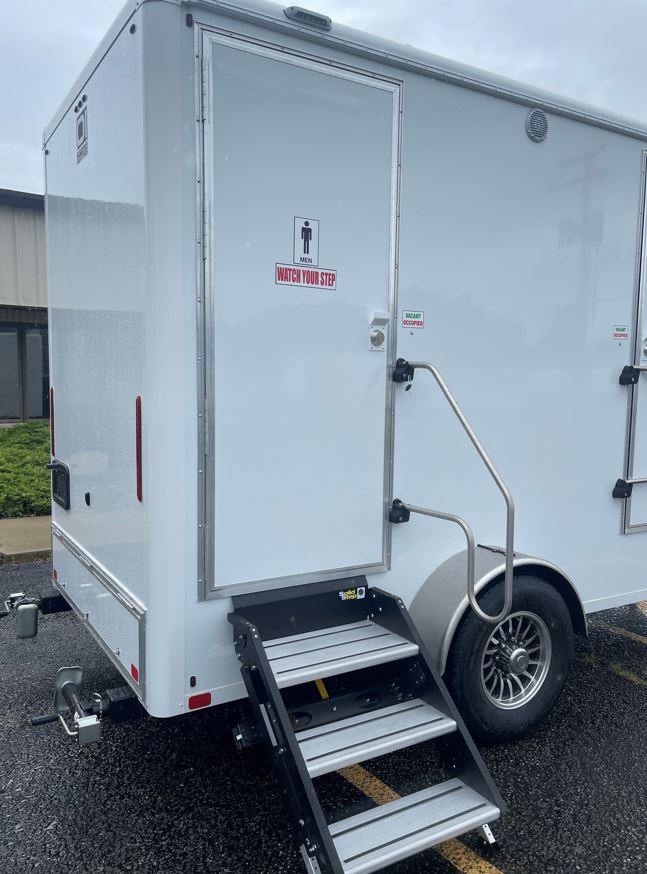
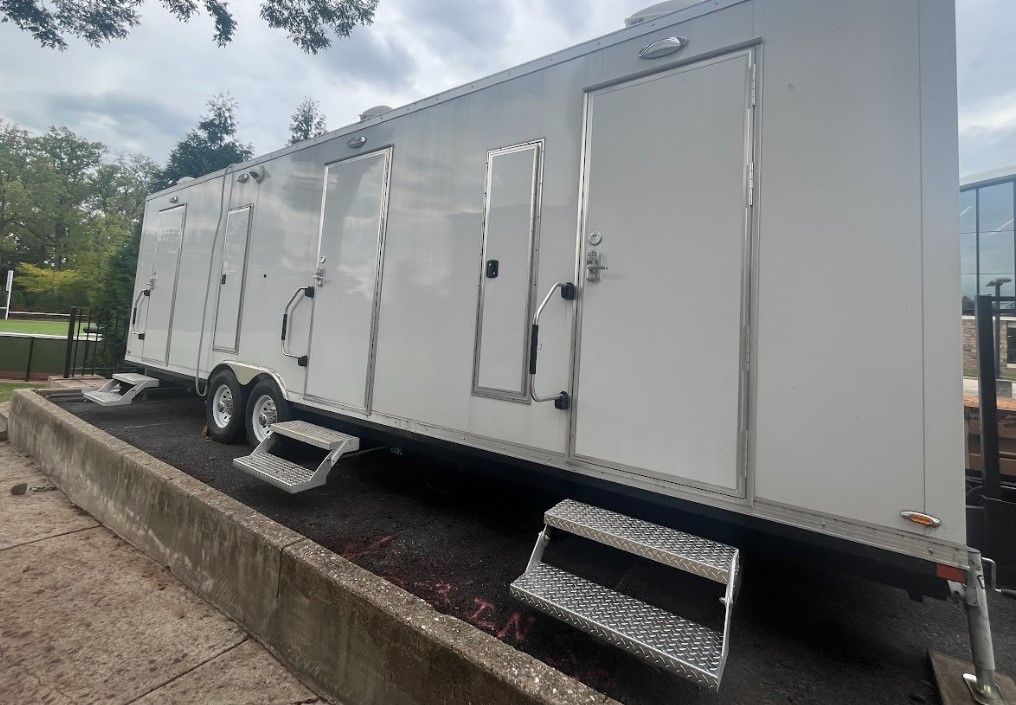
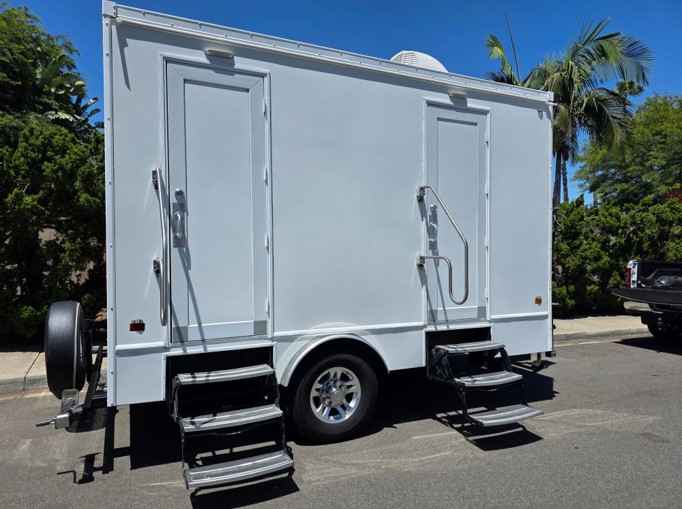
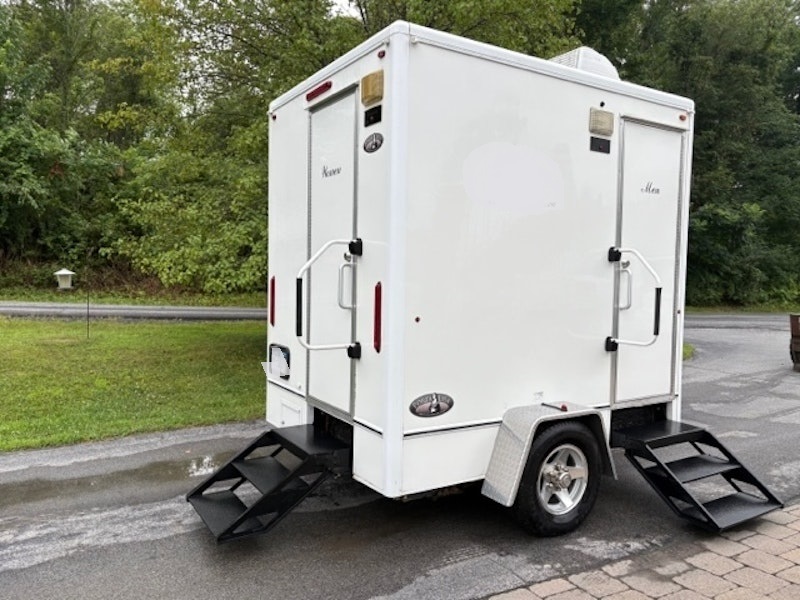
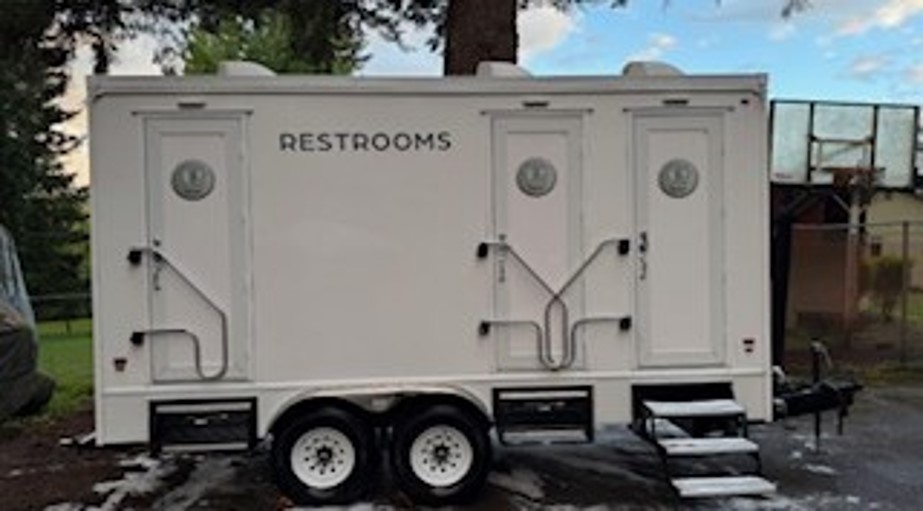
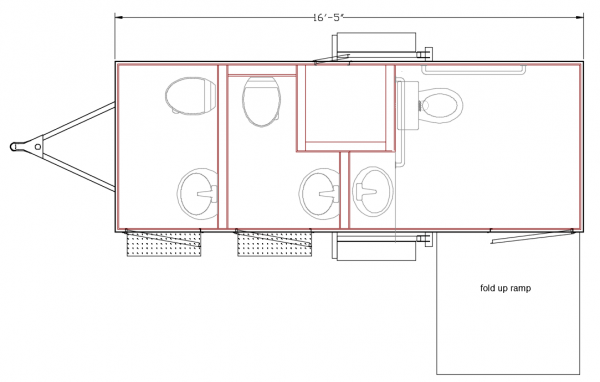
- Entry system — standard trailers use elevated entry with flip-down steps. ADA trailers sit lower to the ground or use hydraulic lowering systems paired with wide, gently sloping ramp systems and exterior handrails
- Interior clearance — standard stalls provide enough room to stand and use the facility. ADA suites provide the full unobstructed turning radius required for wheelchair maneuverability
- Fixtures — standard units use standard-height vanities, traditional flush mechanisms, and conventional door hardware. ADA units use lowered sinks, front-push or hands-free controls, lever handles, outward-opening doors, and wrapped grab bars at compliant positions
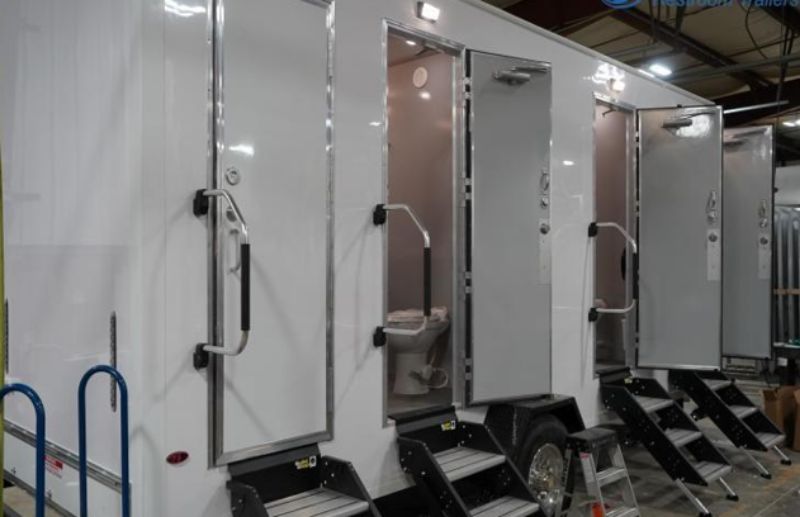
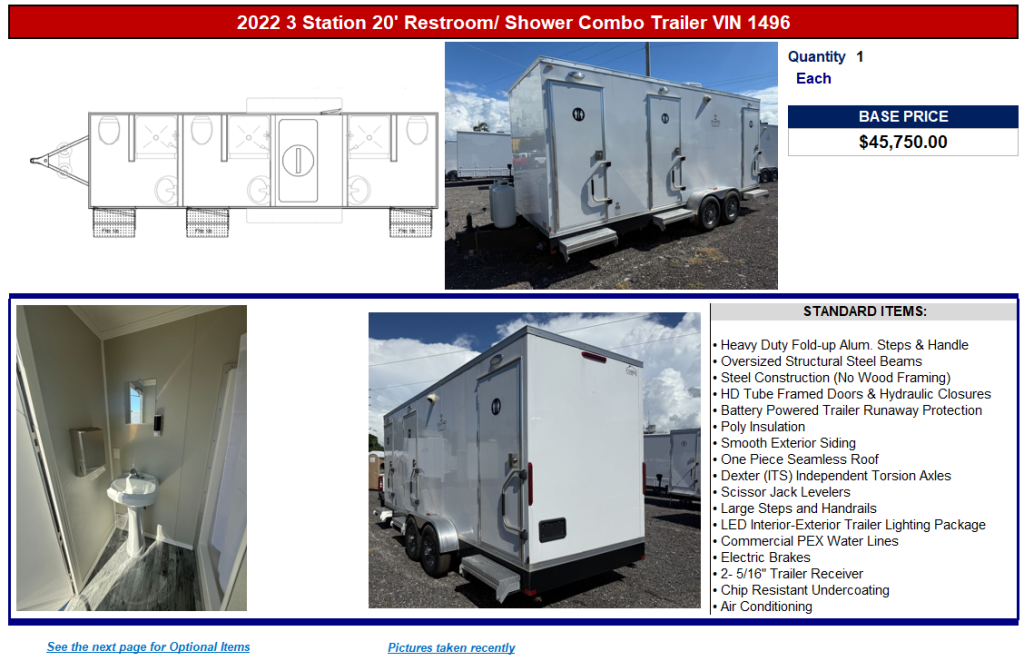
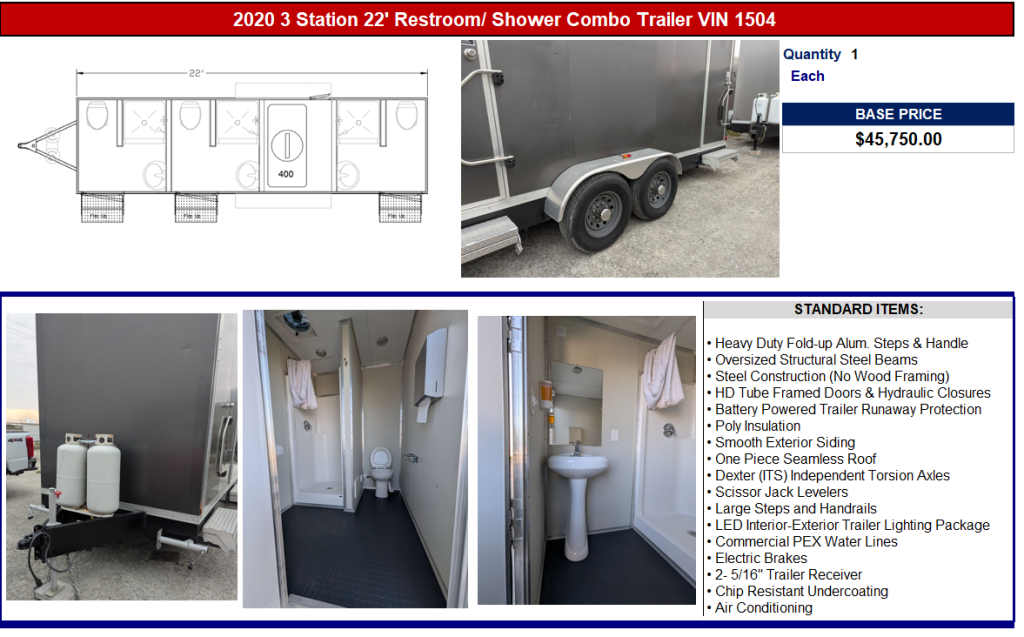
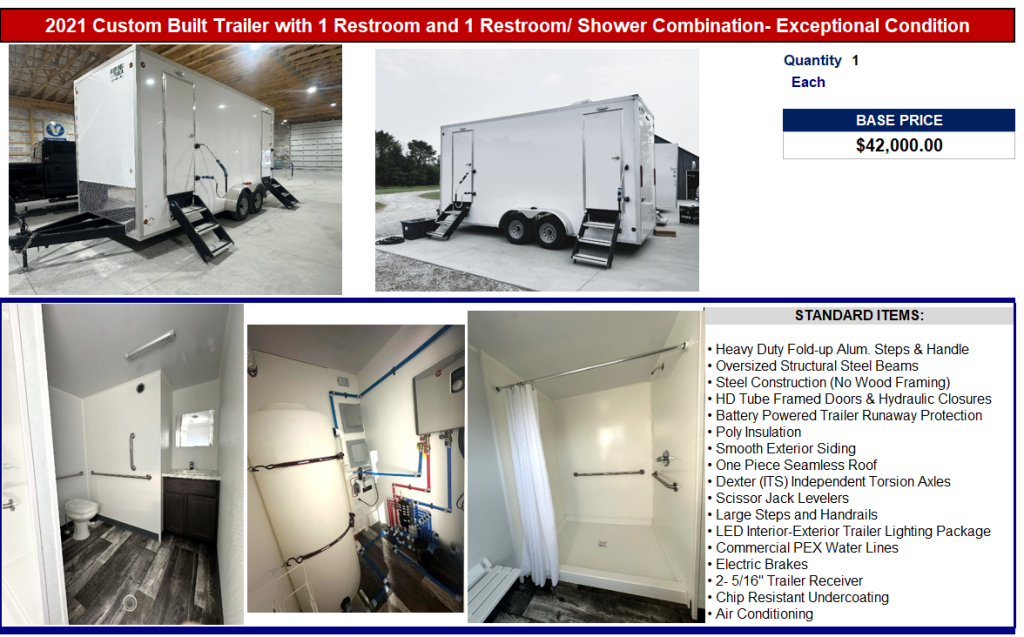
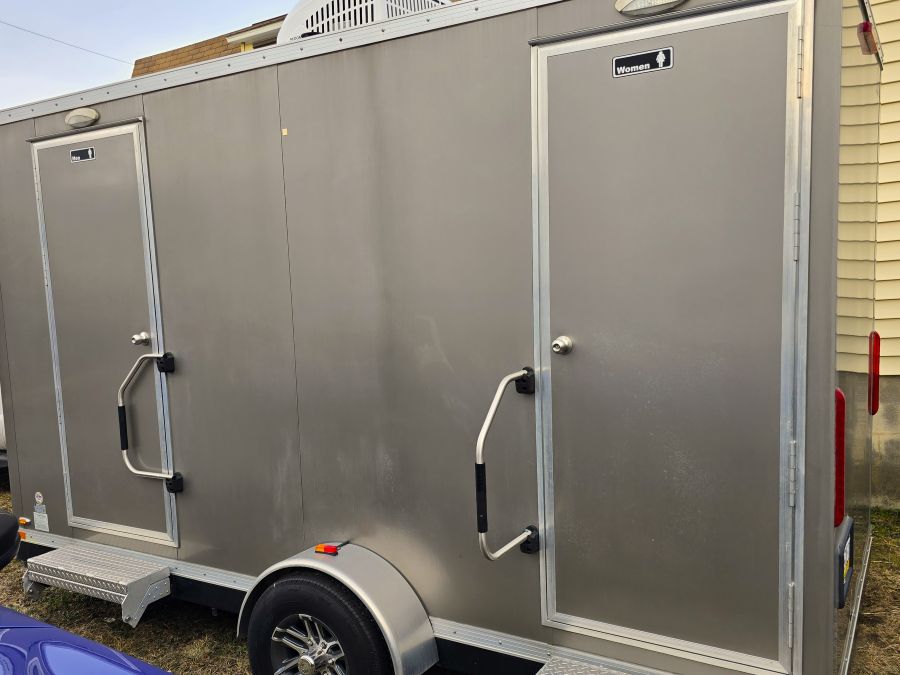
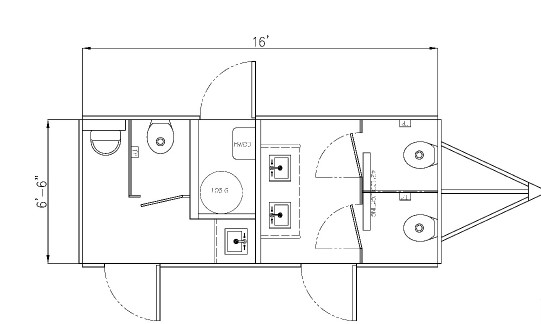
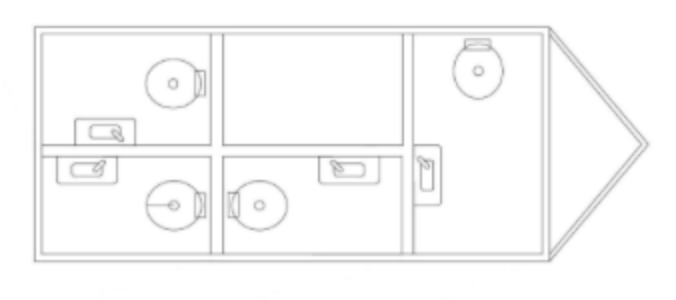
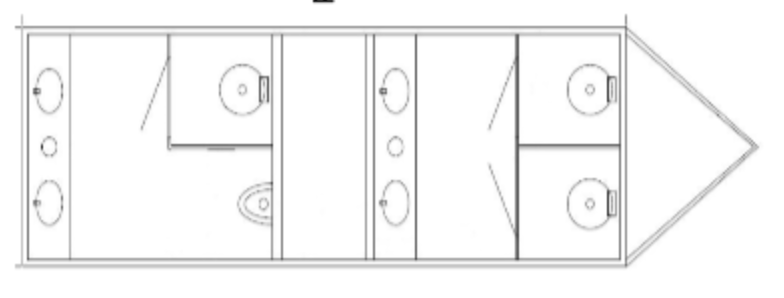
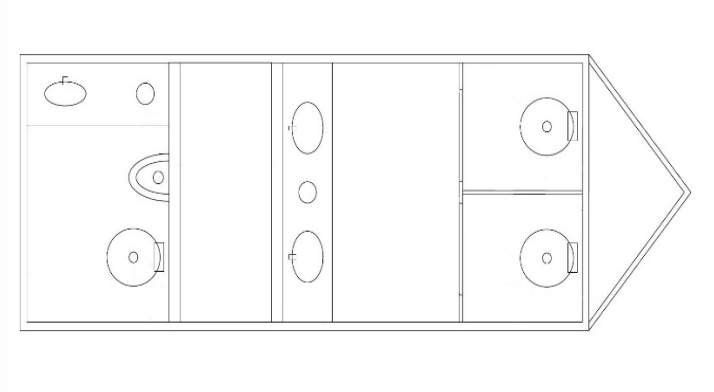
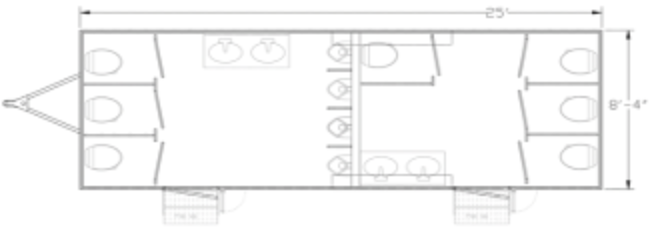
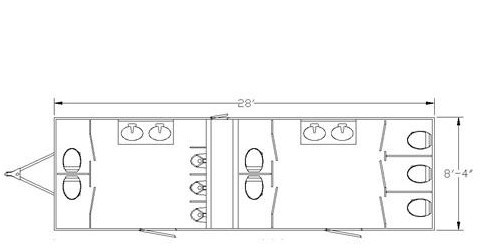
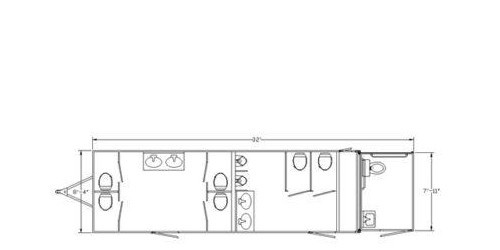
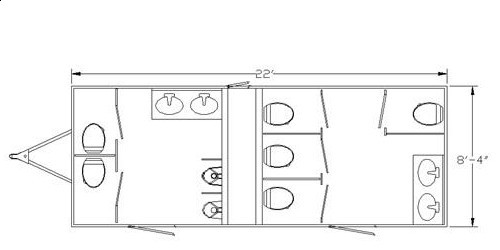
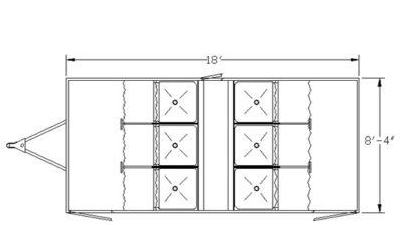
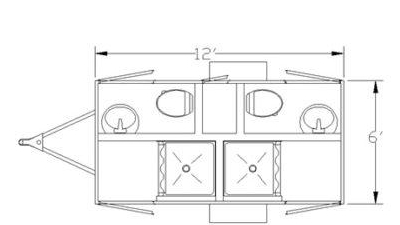
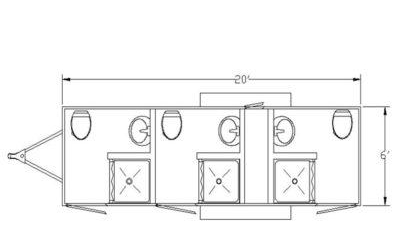
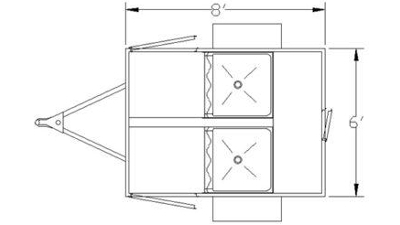
Many NRT configurations pair a certified ADA suite alongside standard stalls on a single trailer — giving you compliant accessibility without dedicating an entire unit to a single user. See our ADA restroom trailers and ADA shower trailers for specific layouts.
The 5% Rule — How Many ADA Units Do You Need?
For events and temporary facilities deploying multiple portable restroom units, ADA guidelines generally require that at least one unit per every 20 portable restrooms on-site — or 5% of total units — must be ADA compliant. This applies to public events, construction sites, and temporary facilities serving the general public.
For government contracts and federally funded projects, requirements may be more specific depending on the scope of the deployment. NRT’s team can help you determine the right ratio for your event or project. See our ADA government trailers for public-sector configurations and our contact page to discuss compliance requirements for your deployment.
Who Is Required to Provide ADA Accessible Facilities
ADA accessibility requirements apply broadly to public accommodations, government entities, and employers. In the context of temporary and mobile facilities, the following situations typically require ADA compliant units:
- Public events — festivals, concerts, sporting events, fairs, and outdoor gatherings open to the public
- Government and municipal projects — any federally or state-funded project serving the public must provide accessible facilities — see our ADA government trailers
- Construction sites — OSHA field sanitation standards apply, and accessible facilities are required where workers with disabilities are present
- Nonprofit and community outreach programs — programs serving the general public, including homeless outreach and disaster relief operations — see our non-profit rental program
- University and campus events — temporary facilities on educational campuses must meet ADA standards — see our ADA university campus trailers
- Disaster relief staging sites — accessible facilities are required when serving displaced populations — see our ADA disaster relief trailers
ADA Trailer Configurations NRT Offers
NRT builds ADA compliant trailers across multiple functions to match the specific needs of your deployment:
- ADA restroom trailers — compliant restroom suites for events, government projects, and public facilities — see ADA restroom trailers
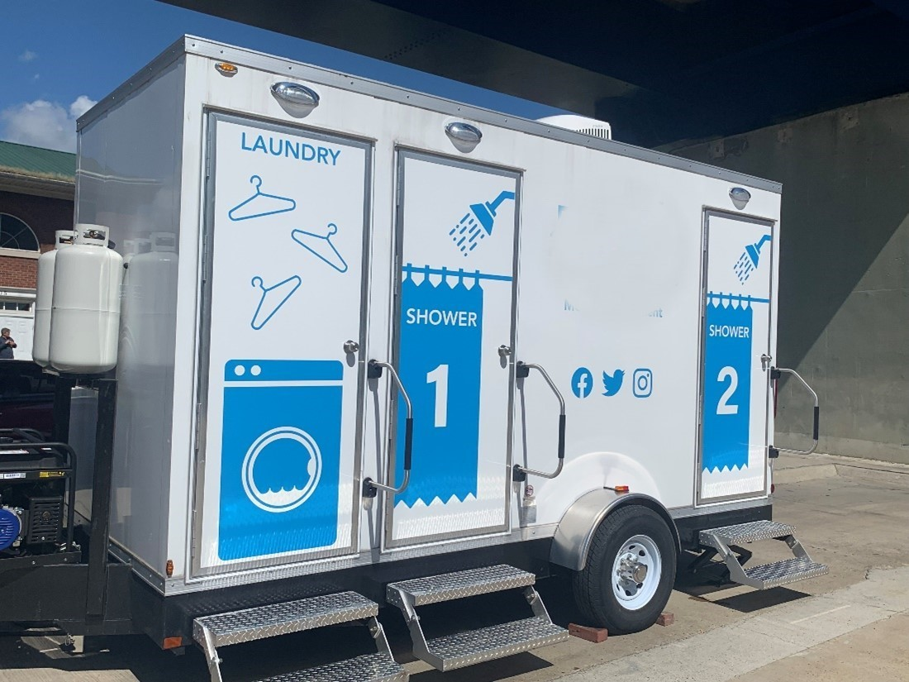
- ADA shower trailers — roll-in shower access with compliant clearances and grab bar placement — see ADA shower trailers
- ADA laundry trailers — accessible laundry facilities for long-term deployments and facilities — see ADA laundry trailers
- ADA government trailers — public-sector configurations built to government deployment specifications — see ADA government trailers
- ADA disaster relief trailers — rapid-deploy accessible units for emergency staging sites — see ADA disaster relief trailers
- Custom ADA builds — engineered to your specific accessibility requirements and deployment conditions — see custom ADA trailers
Buy New, Custom, or Pre-Owned
NRT offers ADA trailers across budgets and timelines:
- New units — built to ADA specification with full warranty coverage — see our new ADA compliant trailers
- Custom builds — engineered to your exact accessibility requirements, function mix, and deployment conditions — see our custom ADA trailers
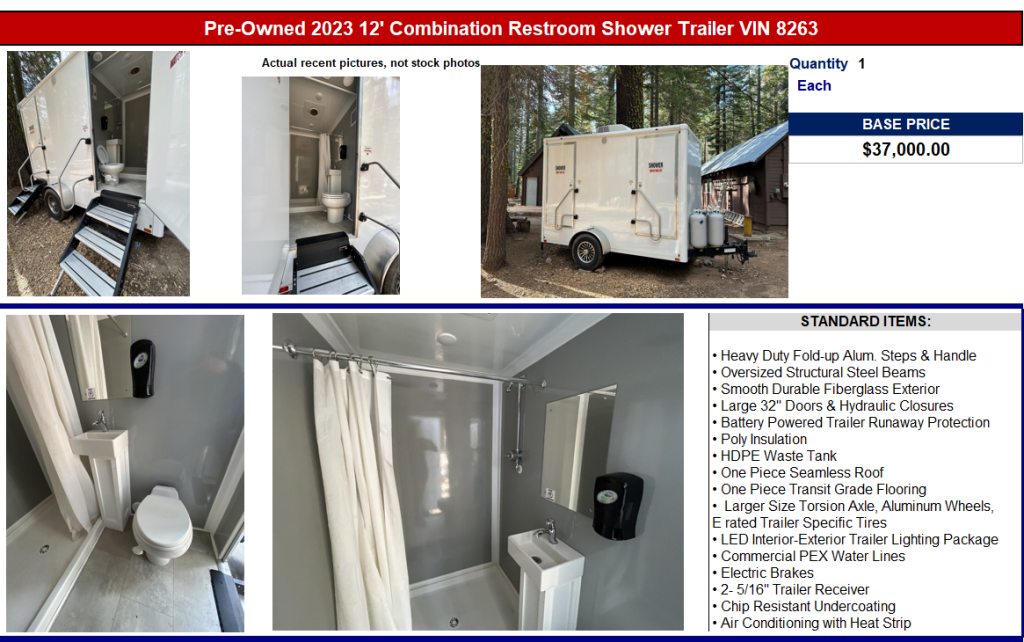
- Certified pre-owned — inspected ADA units for faster delivery and lower cost of entry — see our pre-owned trailers
For seasonal or event-based needs, NRT also offers ADA trailer rentals — see our rental program and long-term rentals.
Nationwide Delivery & On-Site Setup
NRT delivers ADA trailers nationwide from facilities in Murfreesboro, Tennessee and West Seneca, New York, with coordinated transport, on-site placement, leveling, and ramp setup included. For government contracts and incident-driven deployments, our team coordinates expedited delivery and compliance documentation support. See our service areas page for coverage details.
Frequently Asked Questions About ADA Compliant Trailers
What is the difference between ADA compliant and wheelchair accessible?
Wheelchair accessible generally means a ramp or ground-level entry exists. ADA compliant means the unit meets the full scope of Americans with Disabilities Act requirements — including interior turning radius, grab bar weight ratings, fixture heights, door widths, lever hardware, and tactile signage. A unit can have a ramp and still not be ADA compliant if interior dimensions or fixtures fall short.
Are luxury restroom trailers automatically ADA compliant?
No. Luxury restroom trailers prioritize premium finishes, climate control, and upscale amenities — but they are not automatically ADA compliant unless they include the required door widths, 60-inch interior turning radius, compliant ramp systems, and properly positioned grab bars and fixtures. Always confirm ADA certification before assuming a luxury unit meets compliance requirements.
Can you combine ADA and standard stalls on the same trailer?
Yes. Many NRT configurations include a certified ADA suite alongside standard restroom or shower stalls on a single trailer, allowing you to serve a diverse population without dedicating an entire unit to a single accessible station.
How wide does an ADA trailer door need to be?
ADA compliant trailer doors must provide a minimum clear opening width of 32 to 36 inches to accommodate wheelchair entry. Doors must also feature self-closing mechanisms or lever-style hardware that can be operated without tight grasping or twisting.
What ramp slope is required for an ADA trailer?
ADA compliant ramps must not exceed a slope ratio of 1:12 — meaning for every inch of vertical rise, the ramp must extend at least 12 inches horizontally. Handrails must extend to the door, and the ramp surface must be non-slip. Some NRT units use hydraulic lowering systems as an alternative to ramp entry.
Does NRT deliver ADA trailers nationwide?
Yes. NRT delivers ADA trailers nationwide from Murfreesboro, Tennessee and West Seneca, New York, with on-site placement, ramp setup, and leveling included. See our service areas page or contact our team to confirm delivery to your location.
Request a Quote on an ADA Compliant Trailer
For a quote on a new, custom, or pre-owned ADA trailer built for your event, government project, or facility, request a quote online or contact our team directly. Tell us your deployment type, the population being served, any specific compliance documentation requirements, and whether you are considering new, custom, or pre-owned — and our team will respond with configuration options, availability, and next steps.
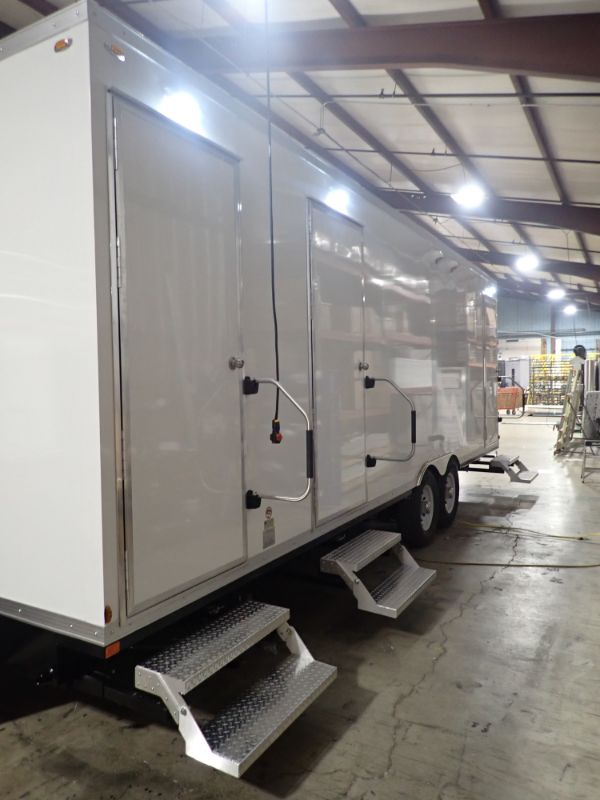
Shop new trailers with the latest features and warranties.
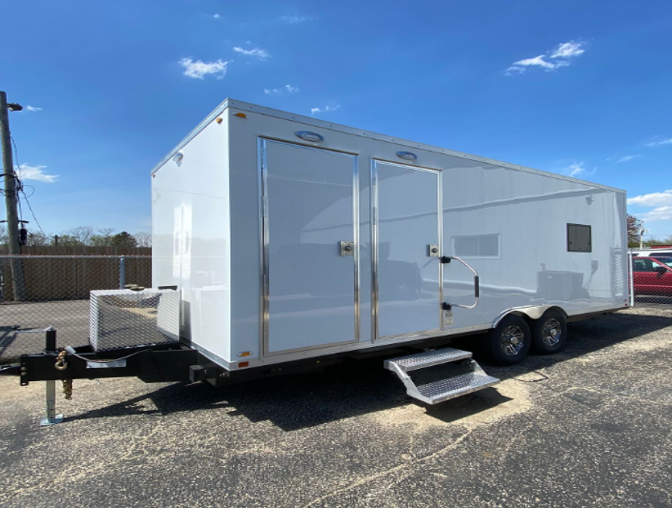
Find quality pre-owned trailers inspected and ready for immediate use.