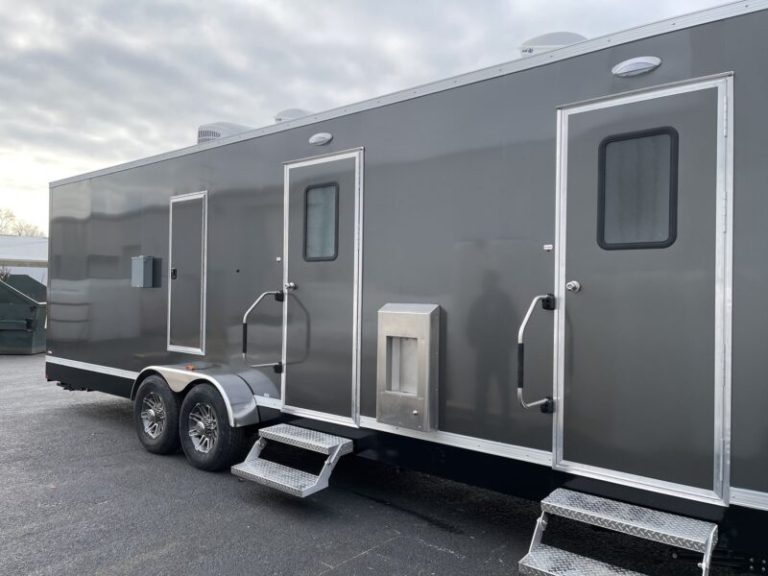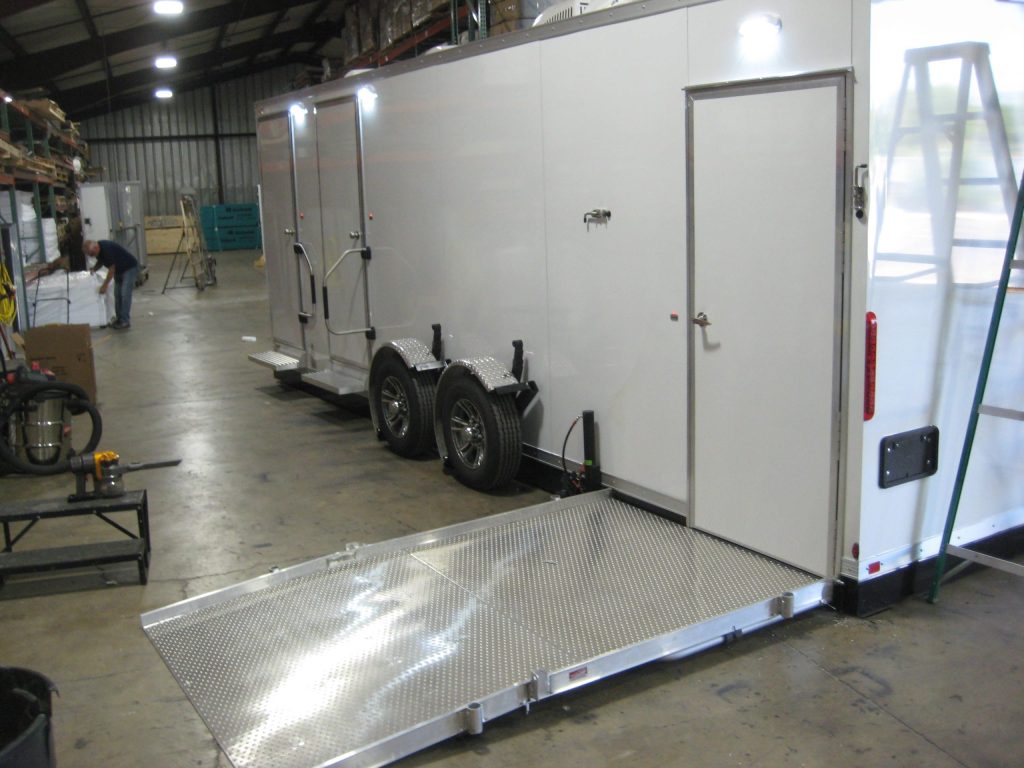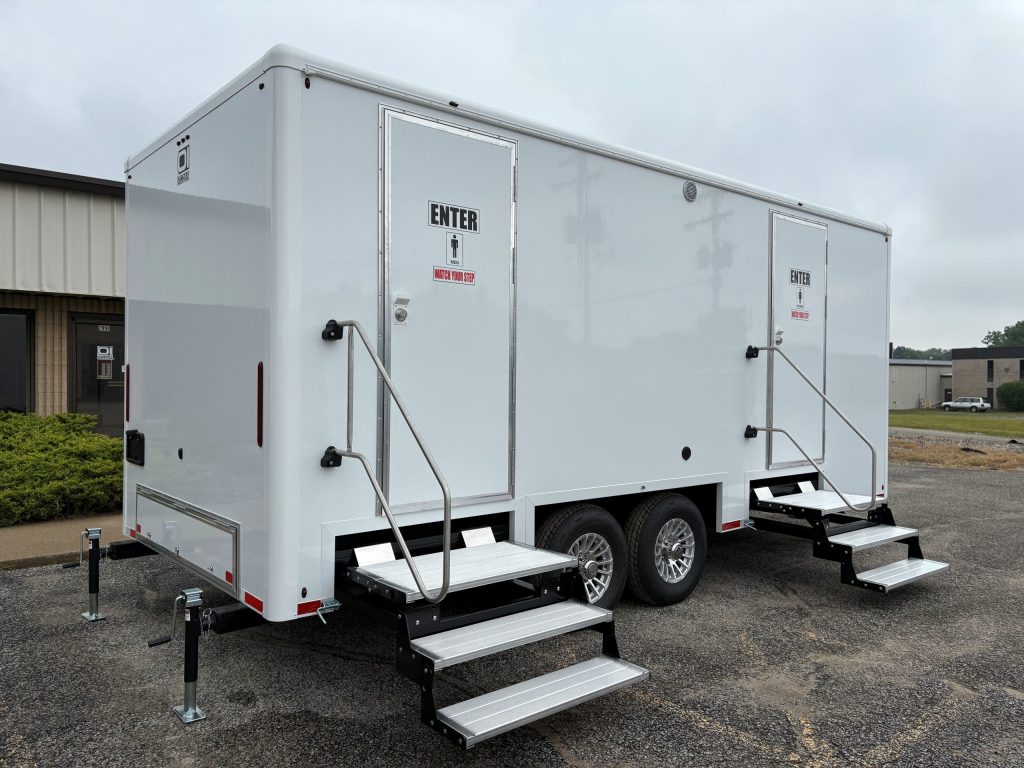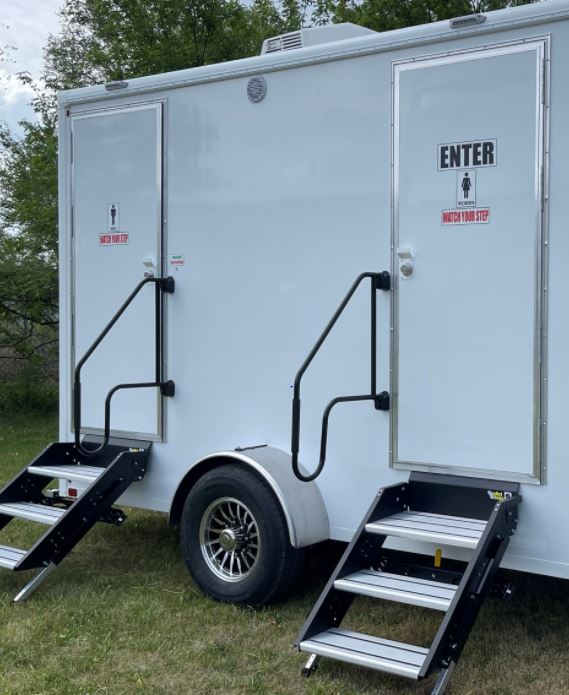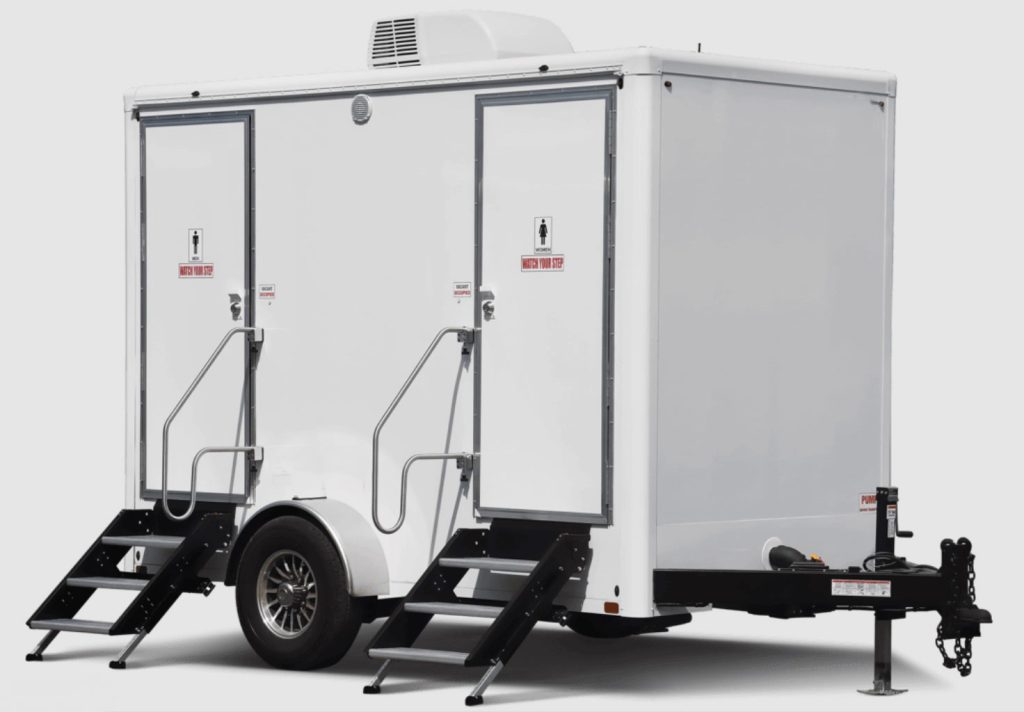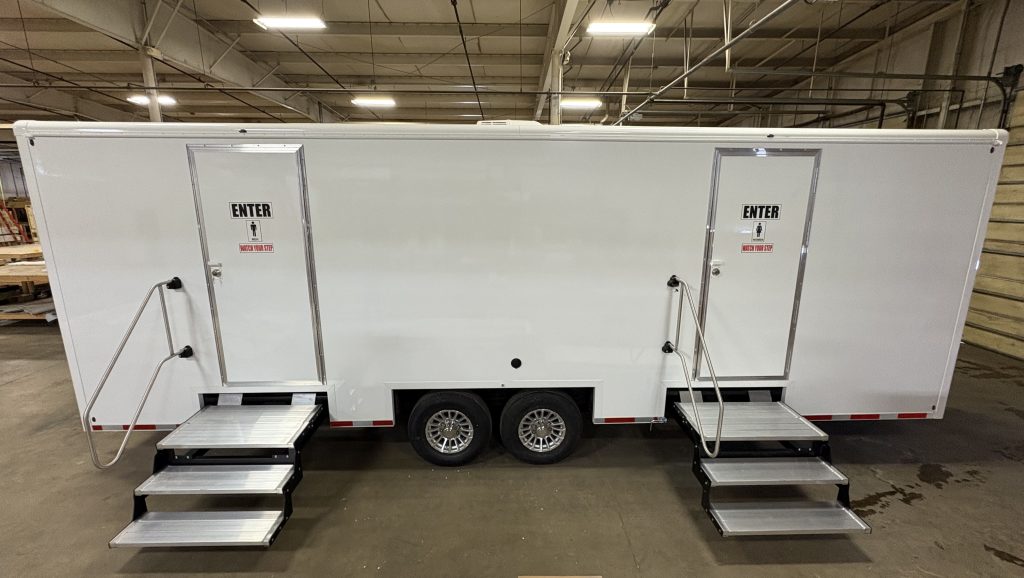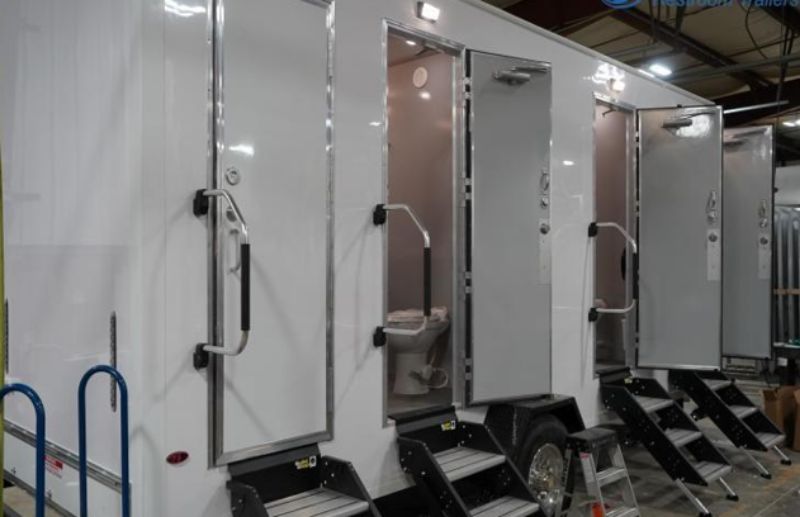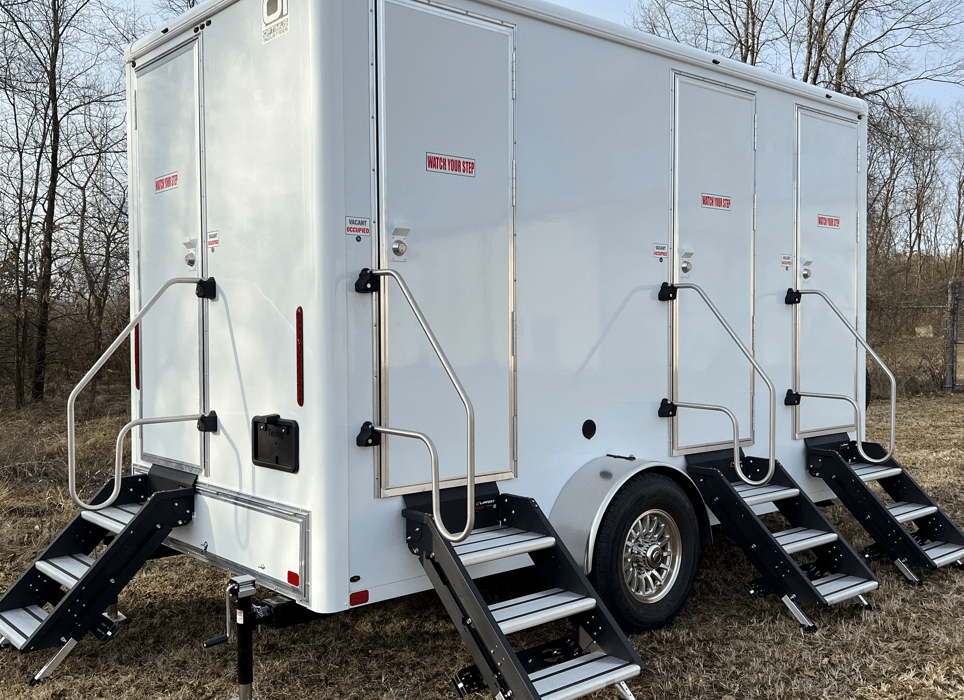
Emergency Response Command Center Trailers
Emergency Response Command Center Trailers: Critical Infrastructure for Crisis Management
When disaster strikes, having a fully operational command center ready to deploy within hours can mean the difference between chaos and coordinated response. Emergency response command center trailers serve as mobile headquarters that bring sophisticated communication systems, operational planning spaces, and coordination capabilities directly to incident sites. These specialized units transform parking lots, fields, and remote locations into functioning nerve centers where emergency management teams can establish immediate operational control during natural disasters, large-scale emergencies, and planned events requiring enhanced security coordination.
At NRT Sales LLC, we understand that emergency response scenarios demand equipment that performs flawlessly under pressure. Our command center trailers integrate advanced technology with rugged construction, creating mobile facilities that withstand harsh conditions while maintaining full operational capability. From hurricane response along coastal regions to wildfire management in western states, these units have proven essential for maintaining command and control when traditional infrastructure becomes compromised or when incidents occur in areas lacking permanent facilities.
Emergency Response Command Center Trailers: Critical Infrastructure for Crisis Management
When disaster strikes, having a fully operational command center ready to deploy within hours can mean the difference between chaos and coordinated response. Emergency response command center trailers serve as mobile headquarters that bring sophisticated communication systems, operational planning spaces, and coordination capabilities directly to incident sites. These specialized units transform parking lots, fields, and remote locations into functioning nerve centers where emergency management teams can establish immediate operational control during natural disasters, large-scale emergencies, and planned events requiring enhanced security coordination.
At NRT Sales LLC, we understand that emergency response scenarios demand equipment that performs flawlessly under pressure. Our command center trailers integrate advanced technology with rugged construction, creating mobile facilities that withstand harsh conditions while maintaining full operational capability. From hurricane response along coastal regions to wildfire management in western states, these units have proven essential for maintaining command and control when traditional infrastructure becomes compromised or when incidents occur in areas lacking permanent facilities.
Core Components and Technical Specifications
Modern emergency command center trailers incorporate multiple interconnected systems designed to support extended operations in challenging environments. The communications suite typically includes satellite uplinks, multiple radio frequency capabilities, cellular signal boosters, and hardwired ethernet connections supporting both classified and unclassified networks. Power systems feature redundant generators with automatic transfer switches, uninterruptible power supplies for critical equipment, and shore power connections with surge protection. Climate control systems maintain optimal operating temperatures for sensitive electronics while providing comfortable working conditions for personnel during extended deployments.
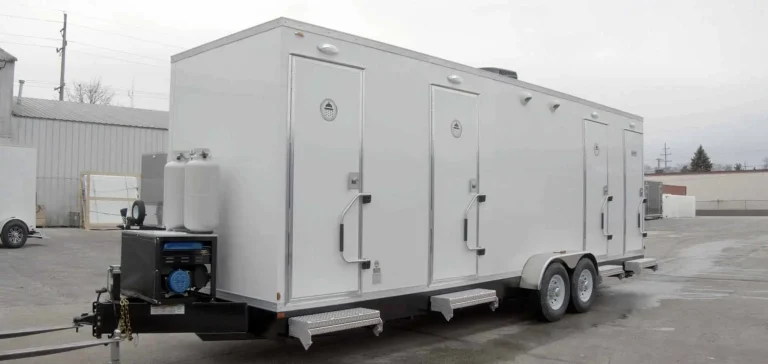
Interior configurations maximize functional workspace within the trailer footprint, incorporating modular workstations with adjustable monitor mounts, ergonomic seating rated for 24-hour operations, and integrated cable management systems. Map boards, video walls, and interactive displays enable real-time situational awareness and information sharing. Storage solutions include secure equipment lockers, supply cabinets, and specialized racks for communications gear. External features often include pneumatic mast systems supporting antenna arrays, awning systems creating additional covered workspace, and leveling systems ensuring stability on uneven terrain.
Deployment Applications Across Multiple Sectors
Federal agencies utilize command center trailers for border security operations, requiring units capable of supporting extended deployments in remote locations with extreme temperatures. These applications demand robust environmental controls, enhanced security features, and compatibility with federal communication standards. State emergency management agencies deploy these assets during hurricane season, positioning trailers strategically before storms make landfall to ensure immediate response capability once conditions permit. The ability to pre-stage equipment and establish operations quickly proves invaluable when responding to fast-moving situations.
Local governments employ command center trailers for managing large public events, coordinating multi-agency responses to major incidents, and providing backup facilities when primary emergency operations centers undergo maintenance or upgrades. Fire departments use specialized command units at wildfire incidents, structure fires, and hazardous materials responses where on-scene coordination between multiple agencies becomes critical. Law enforcement agencies deploy mobile command posts during manhunts, hostage situations, and major crime scene investigations requiring extended on-site presence and coordination capabilities.
Design Considerations for Maximum Operational Effectiveness
Creating effective emergency command center trailers requires balancing numerous competing demands while maintaining focus on operational requirements. Weight distribution affects towing requirements and stability, influencing decisions about equipment placement and structural reinforcement. Power consumption calculations determine generator sizing, battery backup capacity, and cooling requirements. Electromagnetic interference considerations influence equipment placement and shielding requirements, particularly when integrating multiple radio systems operating on different frequencies.
Transportation logistics significantly impact design decisions, as trailers must navigate both highways and potentially challenging deployment sites. Axle configurations, suspension systems, and overall dimensions must comply with Department of Transportation regulations while providing adequate interior space for operational requirements. At our company, we’re proud to offer a strong pre-owned sales division with wide inventory available for immediate purchase, understanding that emergency preparedness often requires rapid acquisition of suitable equipment. Quick deployment features include automatic leveling systems, slide-out sections that expand workspace, and pre-wired connections allowing rapid setup of external equipment.
Technology Integration and Future Capabilities
Contemporary command center trailers increasingly incorporate artificial intelligence systems supporting decision-making processes, predictive analytics for resource allocation, and automated alert systems monitoring multiple information streams simultaneously. Cybersecurity features protect sensitive communications and data, implementing both physical and digital security measures meeting federal standards. Network architecture supports secure information sharing between agencies while maintaining appropriate separation between different classification levels.
- Advanced Communication Systems: Integration of FirstNet, Land Mobile Radio systems, satellite communications, and commercial cellular networks ensuring redundant connectivity
- Environmental Monitoring: Weather stations, air quality sensors, and radiation detection equipment providing real-time hazard assessment
- Power Management: Smart power distribution systems optimizing generator runtime and fuel consumption while maintaining critical system availability
- Documentation Systems: Digital logging platforms, automated transcription services, and evidence management systems supporting after-action reporting requirements
Backed by extensive knowledge of different trailer types and the unique situations they’re suited for, our team helps every customer find the right fit for their specific emergency management needs. Providing trailers to all 50 states, we understand regional variations in emergency response requirements and environmental challenges. Desert deployments require enhanced cooling capacity and dust filtration, while northern operations demand robust heating systems and cold-weather packages protecting water systems and sensitive equipment.
Ensuring Mission Success Through Comprehensive Support
Successful emergency response operations depend on reliable equipment maintained in constant readiness. Preventive maintenance programs address wear items before failure, ensuring trailers remain deployment-ready. Regular testing of all systems, particularly those used infrequently, identifies issues before they impact operations. With a customer-first approach, we provide free estimates to ensure transparency and value from the start, helping agencies budget effectively for these critical assets.
Training programs familiarize personnel with equipment operation, troubleshooting procedures, and maintenance requirements. Documentation packages include comprehensive operating manuals, quick reference guides, and video tutorials accessible through mobile devices. Plus, with nationwide service, we’re ready to deliver reliable solutions wherever you are, ensuring support remains available regardless of deployment location. Technical support services provide remote diagnostics, on-site repairs, and emergency parts delivery maintaining operational capability during extended deployments. Understanding that emergency response never stops, support services operate around the clock, providing assistance when situations demand immediate solutions.
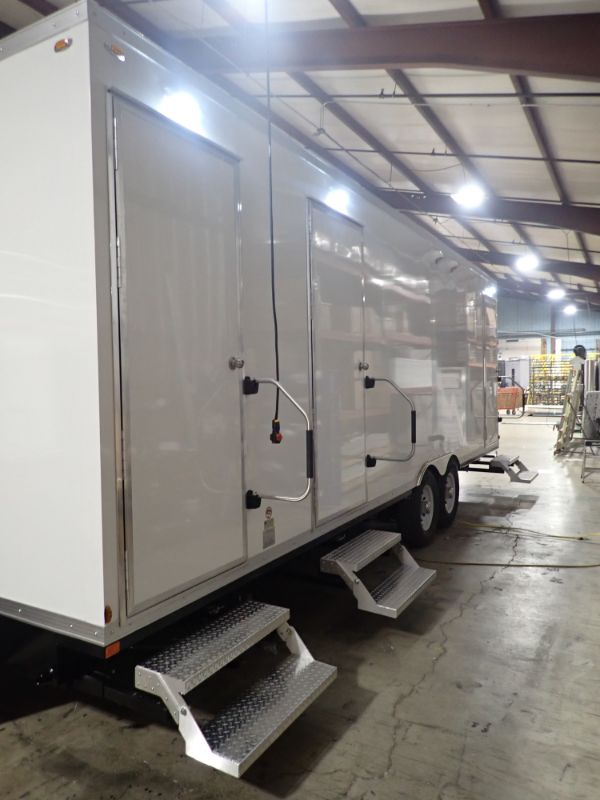
Shop new trailers with the latest features and warranties.
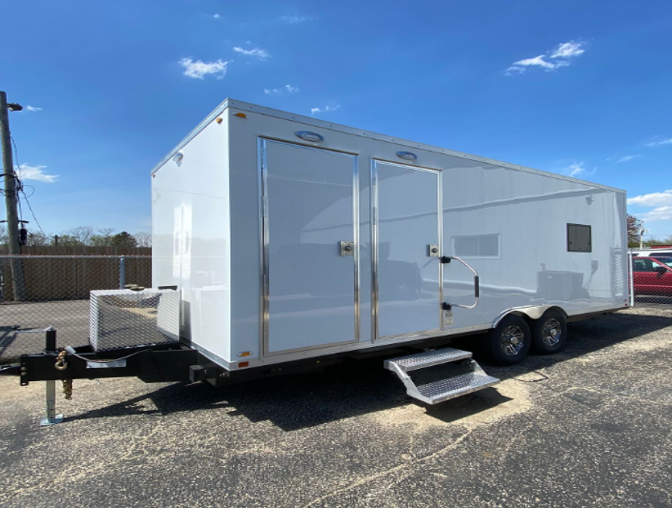
Find quality pre-owned trailers inspected and ready for immediate use.