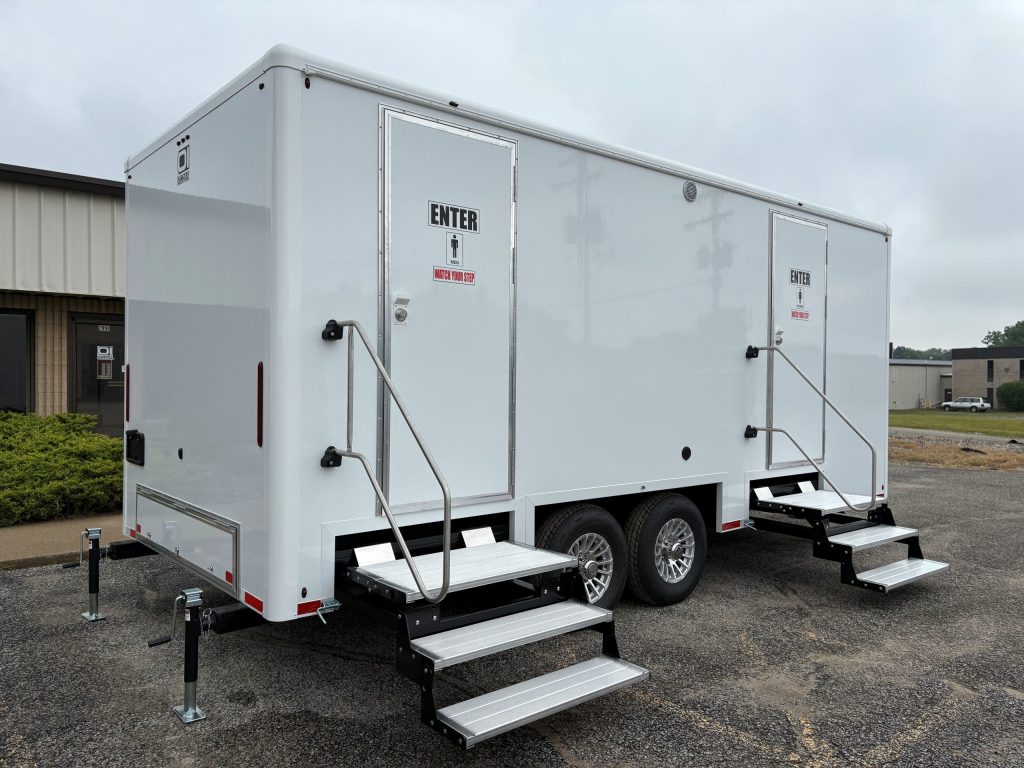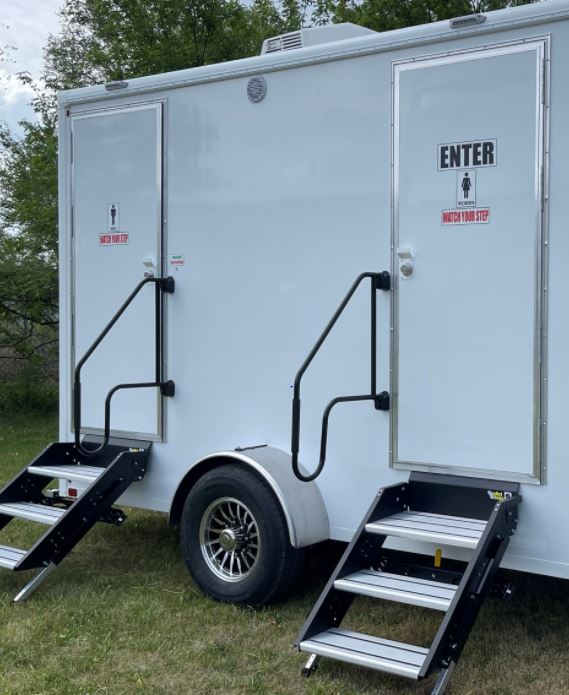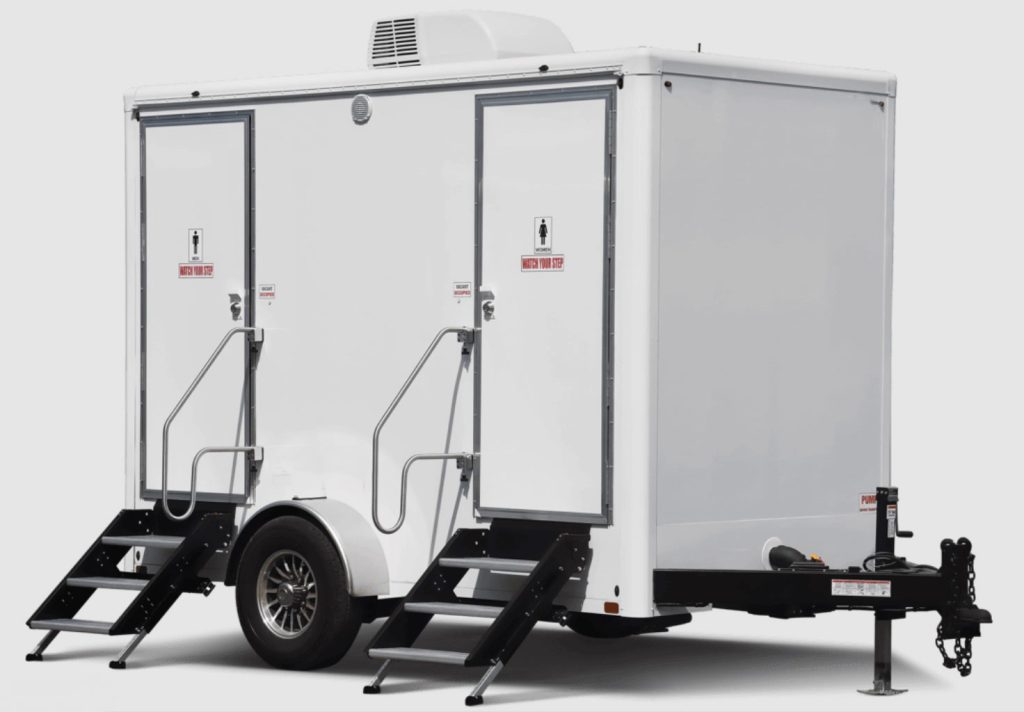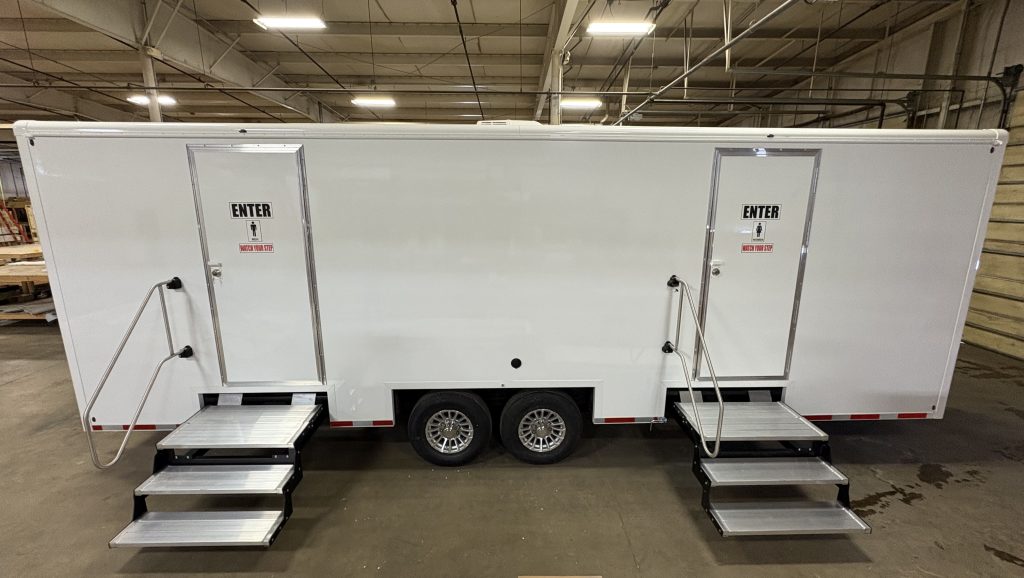
Top Emergency Trailer Features for Disaster Recovery Teams
Speed, resilience, and readiness when every second counts
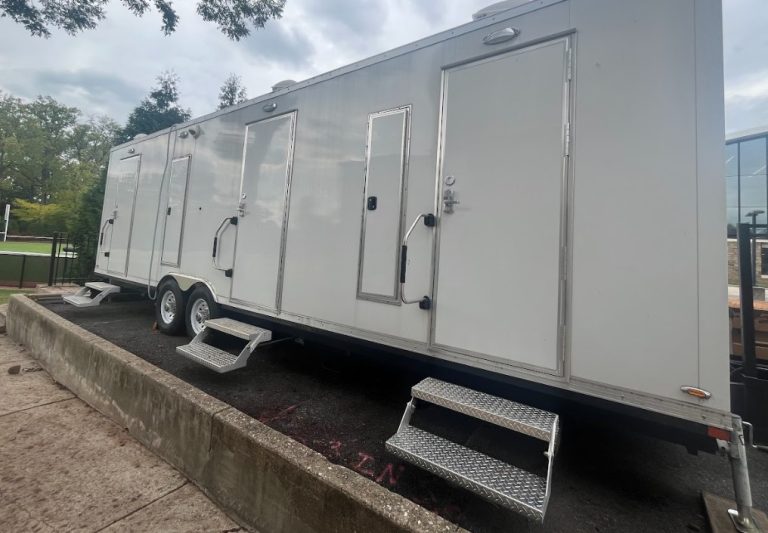
When disaster strikes, there’s no time for improvising. Whether it’s a hurricane, wildfire, flood, or public health crisis, emergency response teams need reliable mobile infrastructure that can deploy quickly, operate off-grid, and support essential hygiene, shelter, and communication functions.
That’s where emergency response trailers come in.
But what separates a basic trailer from one that’s mission-ready?
Here are the top features every disaster recovery team should demand — and why they make all the difference in the field.
1. All-Season Climate Control
Disasters don’t wait for good weather.
Response trailers must operate in extreme conditions — from freezing temperatures to scorching heat.
Must-have climate features include:
- Commercial-grade HVAC systems
- Insulated plumbing and heated tanks
- Thermal skirting or undercarriage protection
- Roof ventilation and air purification (especially in wildfire zones)
Why it matters:
Teams need consistent internal temps for medical staging, hygiene, rest, or operations. Frozen pipes or overheating can disable the unit completely — costing precious hours.
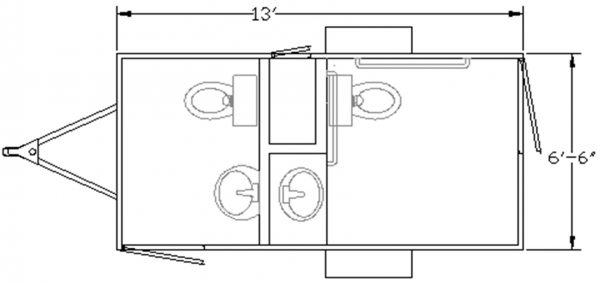
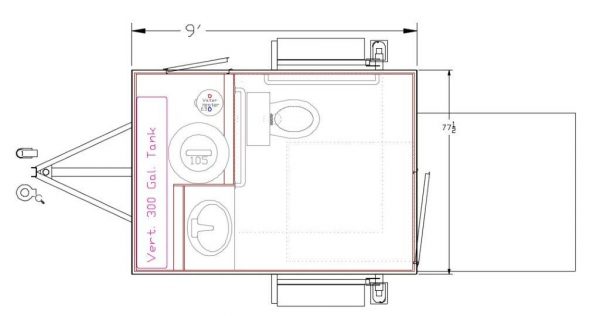
2. ADA-Accessible Layouts
In disaster zones, inclusivity is not optional — it’s urgent.
Whether serving displaced residents, medical staff, or volunteers, ADA access ensures safe, respectful hygiene for all.
Key ADA features:
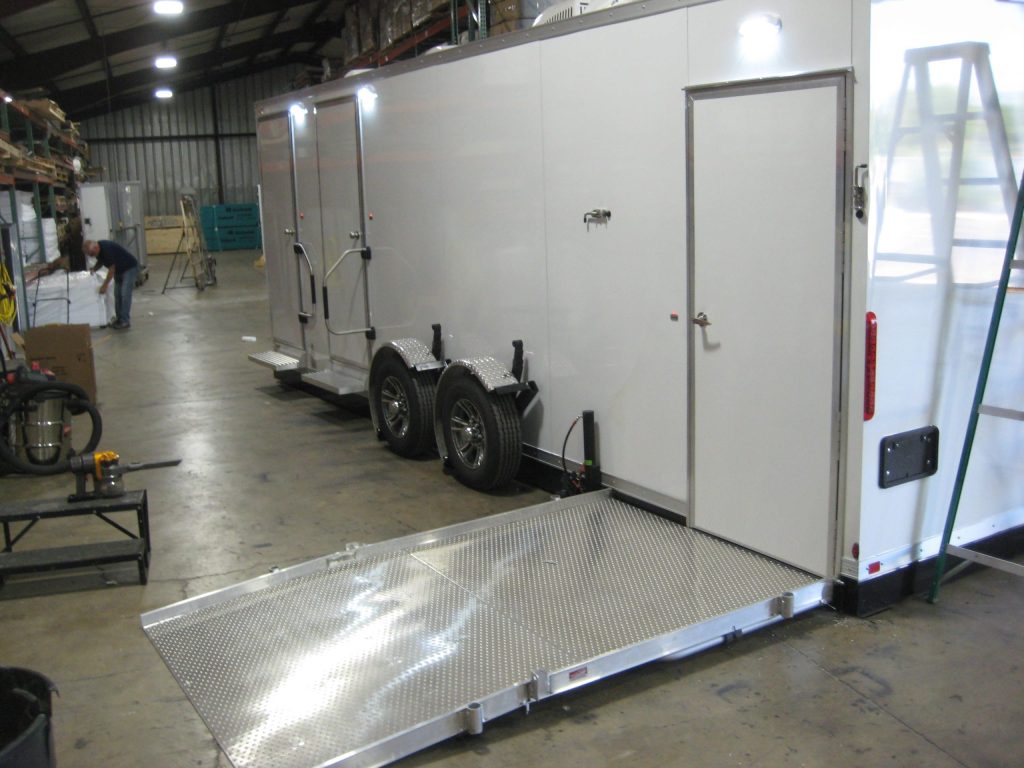
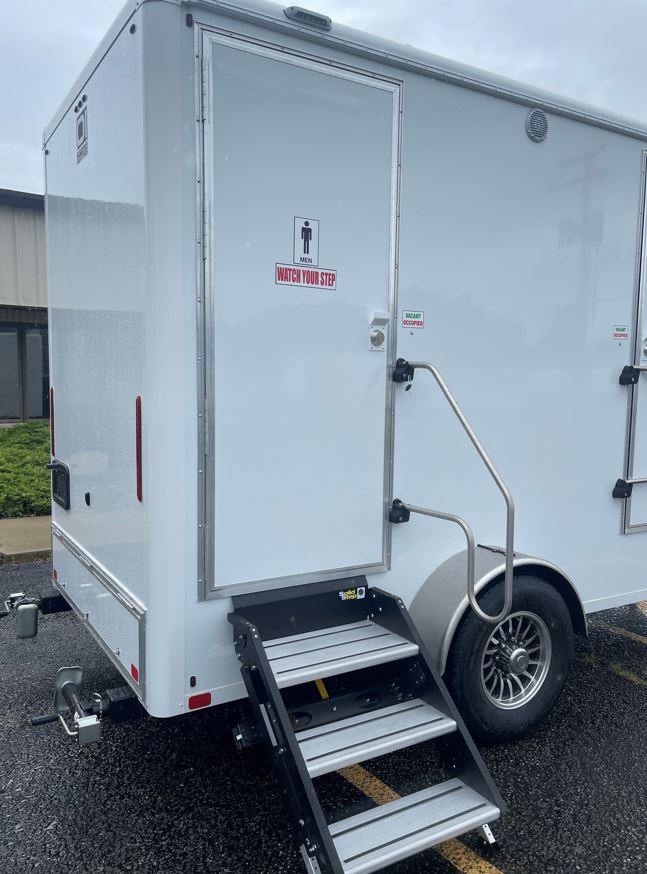
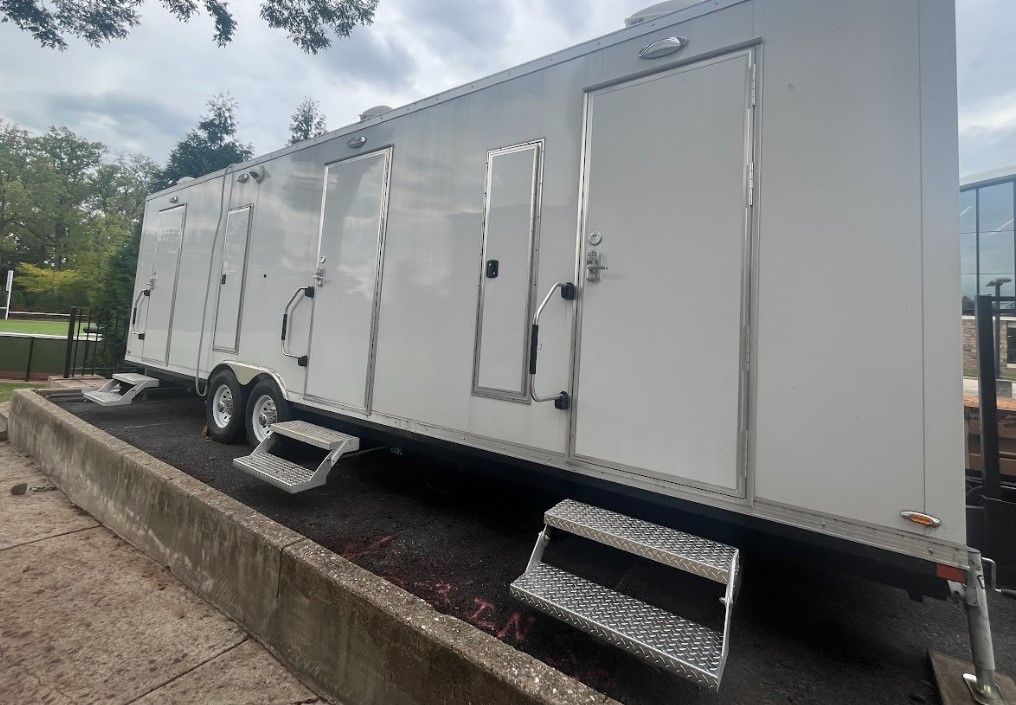
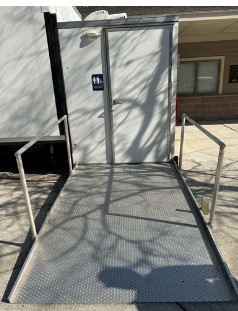
- Wheelchair ramps and compliant railings
- Grab bars, non-slip flooring, and wide turning radius
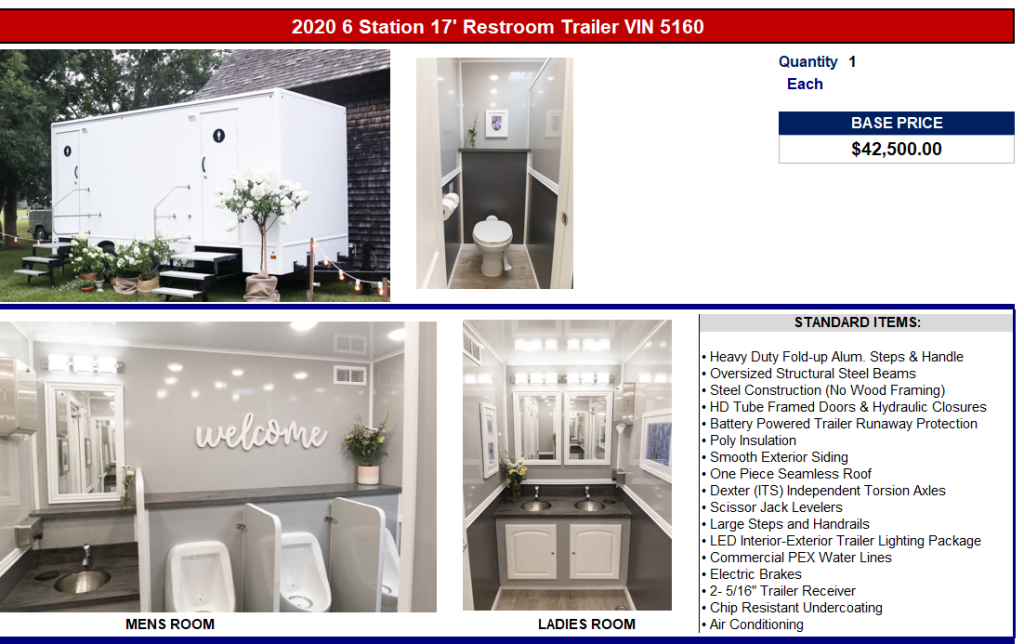
- Low-mounted sinks and hands-free fixtures
Why it matters:
Shelters and relief zones often serve the elderly, injured, or those with mobility challenges. ADA trailers also meet FEMA and Red Cross response guidelines.
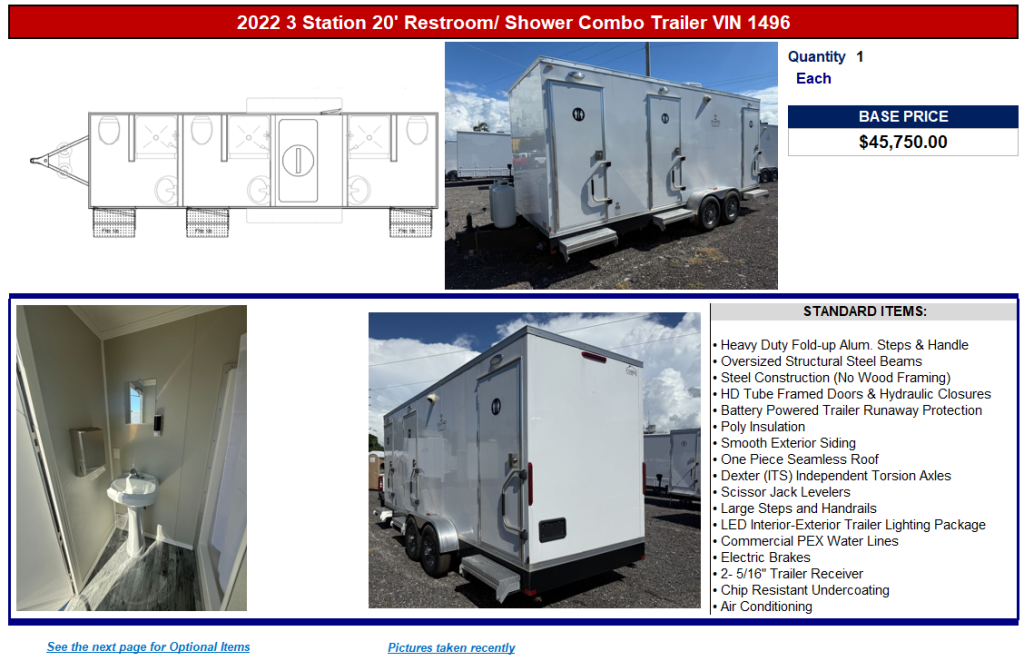
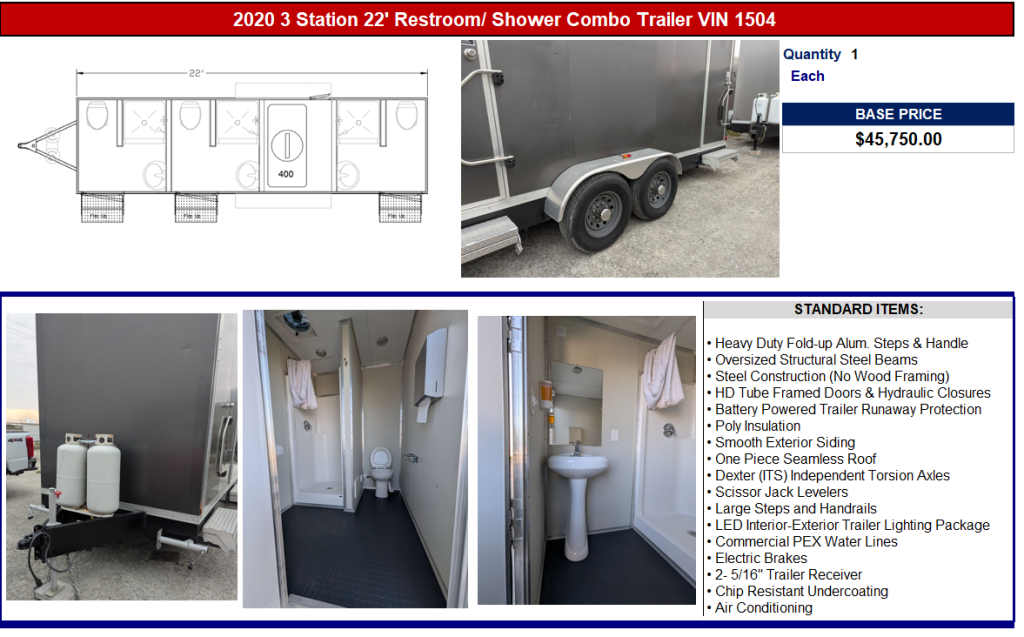
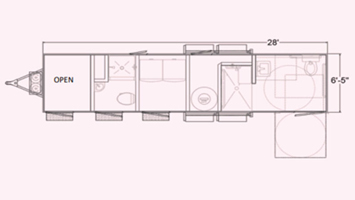
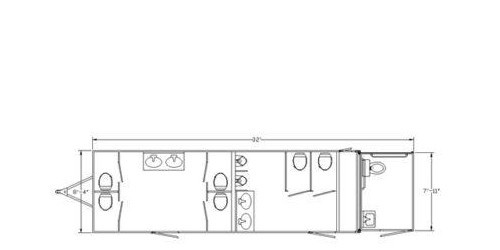
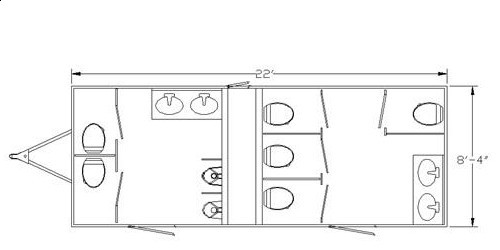
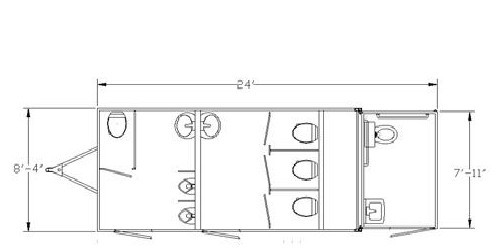
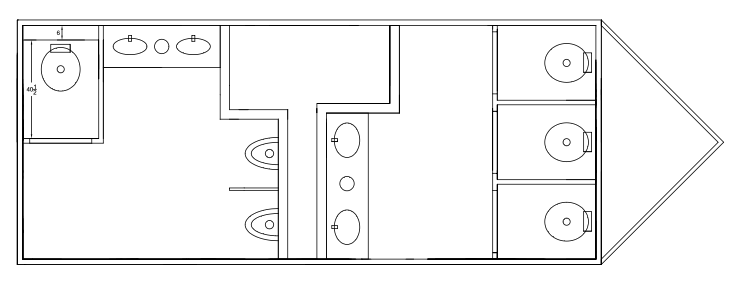
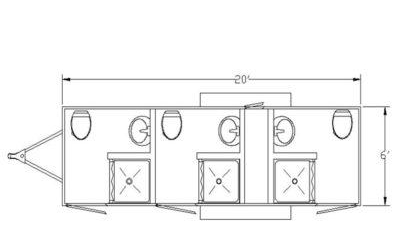
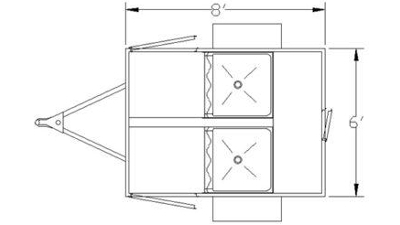
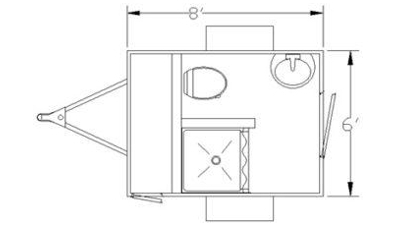
3. Integrated Shower + Restroom Stations
Keeping teams clean is about more than comfort — it’s about health, morale, and infection control.
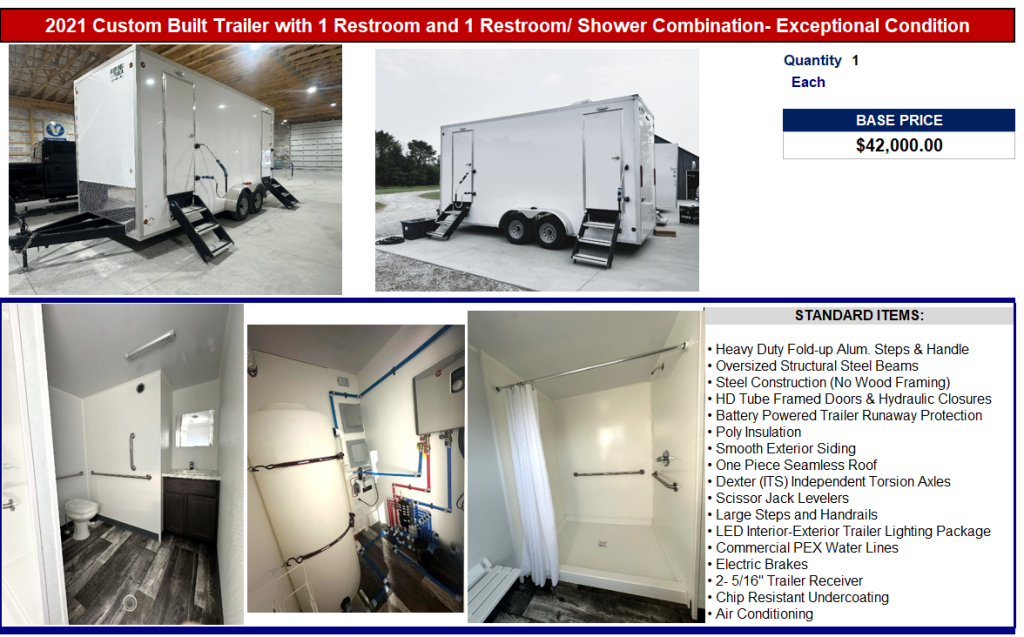
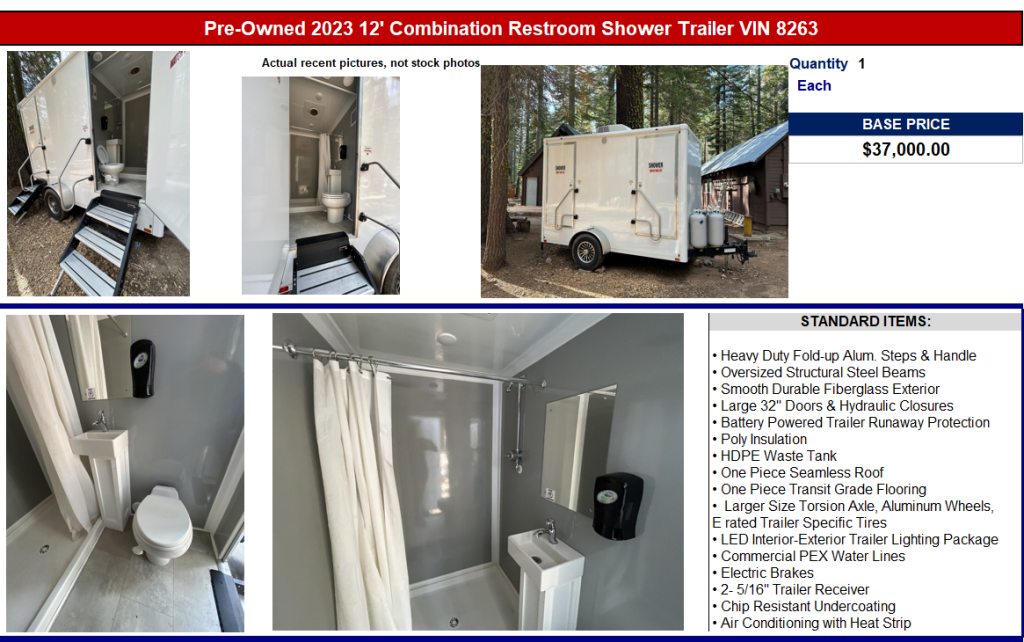
Look for combo trailers that offer:
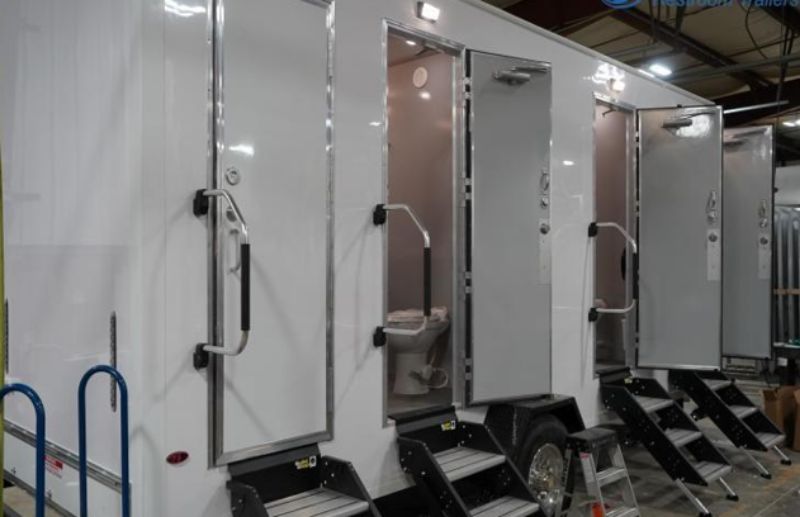
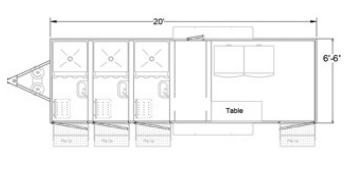
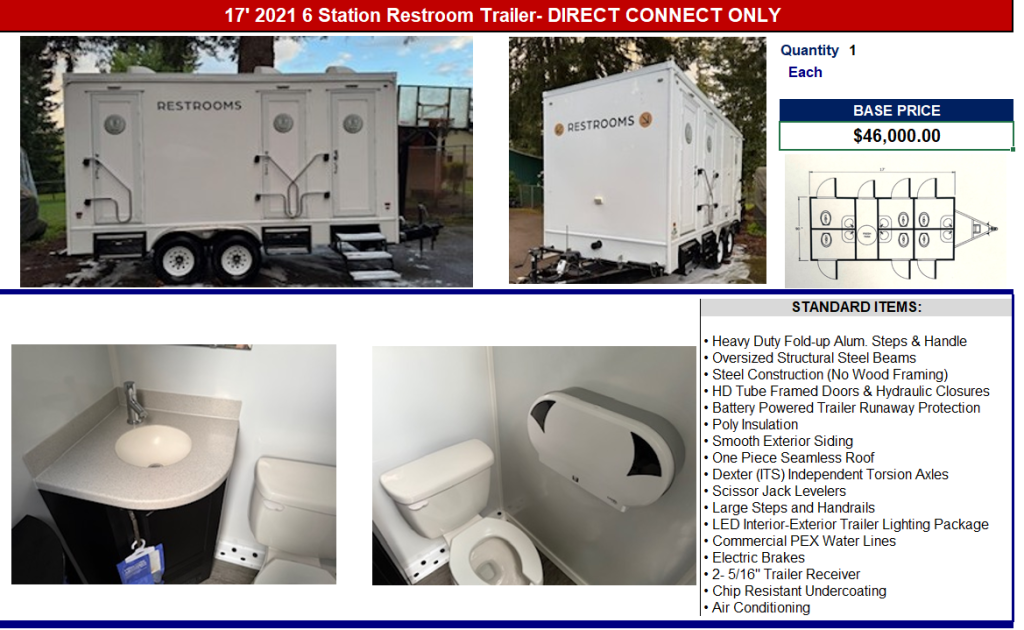
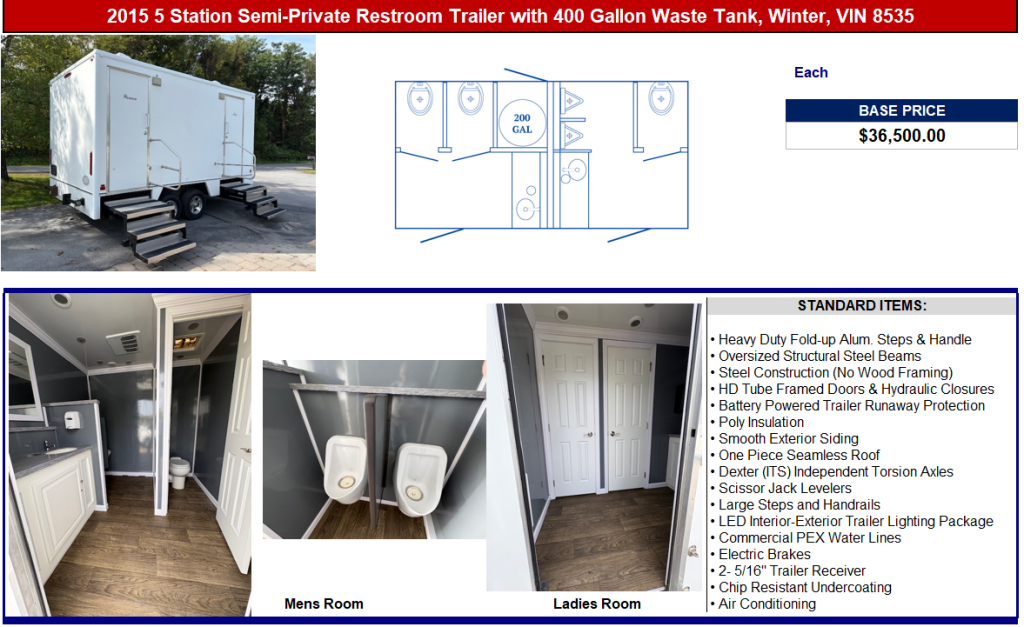
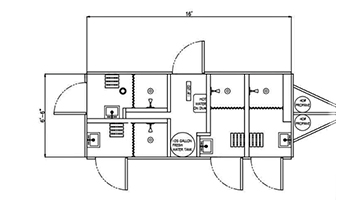
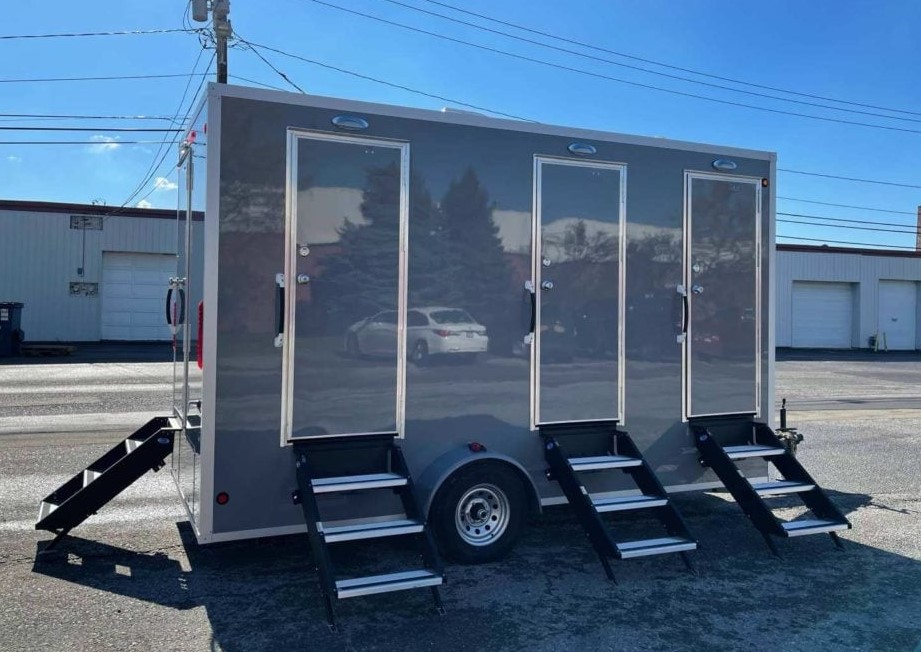
- Private or semi-private stalls
- Hot water on demand
- Easy-to-sanitize interiors
- Water-saving fixtures and gray water storage
Why it matters:
In flood, fire, or debris-filled zones, decontamination is essential.
Combo trailers reduce the footprint and logistics of separate units, while improving hygiene flow at staging areas.
4. Rapid Deployment & Self-Sufficiency
An emergency trailer isn’t helpful if it takes 8 hours to set up.
Disaster zones need plug-and-play simplicity.
Deployment-ready trailers should include:
- On-board generators with shore power backup
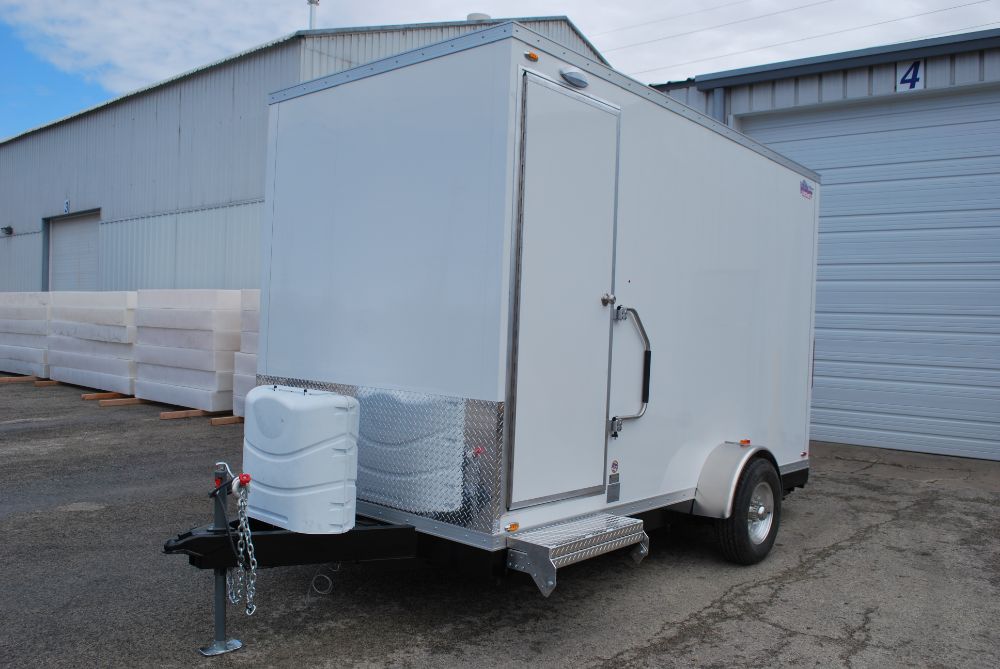
- Easy water hookup or built-in freshwater tanks
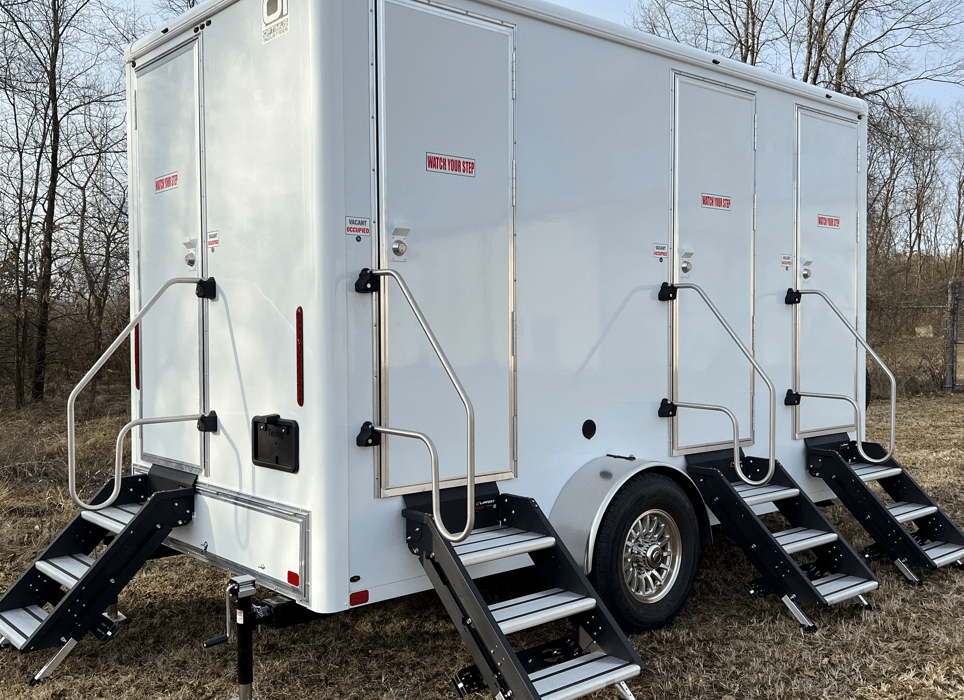
- Leveling jacks or quick-stabilization hardware
- Pre-wired lighting and internal HVAC controls
Why it matters:
In remote or off-grid locations, there may be no hookups available — and time is critical. Units should be functional within 30–60 minutes of arrival.
5. Durable Exterior + Secure Build
Emergency trailers face brutal conditions:
Rough roads, flying debris, power outages, and public access.
Look for:
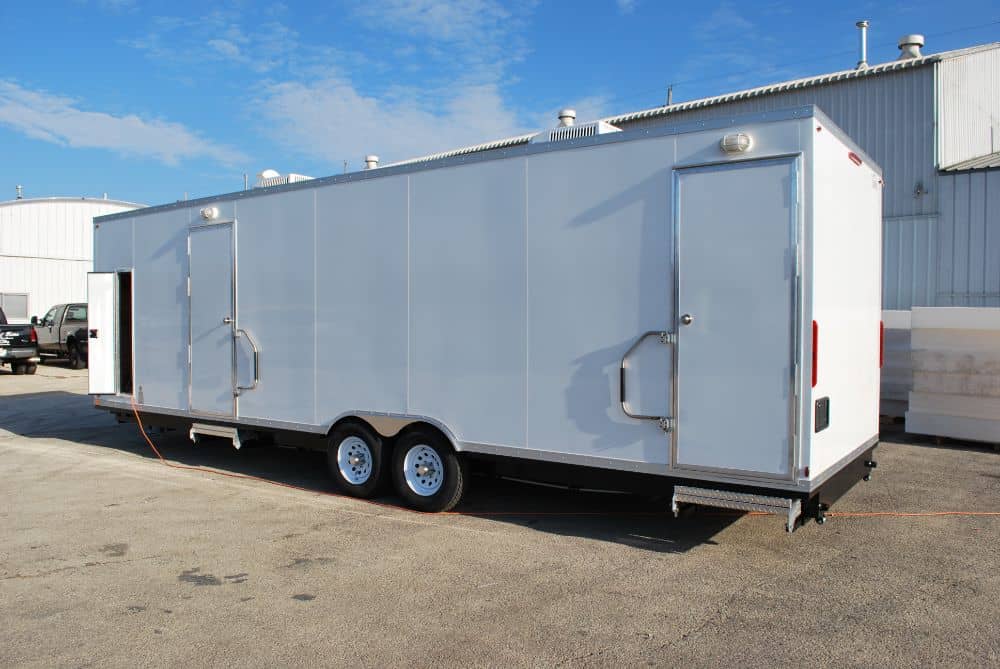
- All-aluminum or steel frames
- Vandal-resistant locks and hardware
- Skid plates or off-road tires (if needed)
- Reinforced doors and weather seals
Why it matters:
These trailers often stay in place for weeks or months and must withstand repeat use, mobile relocations, and unpredictable exposure.
Bonus Features That Can Save Lives
Some teams may also benefit from:
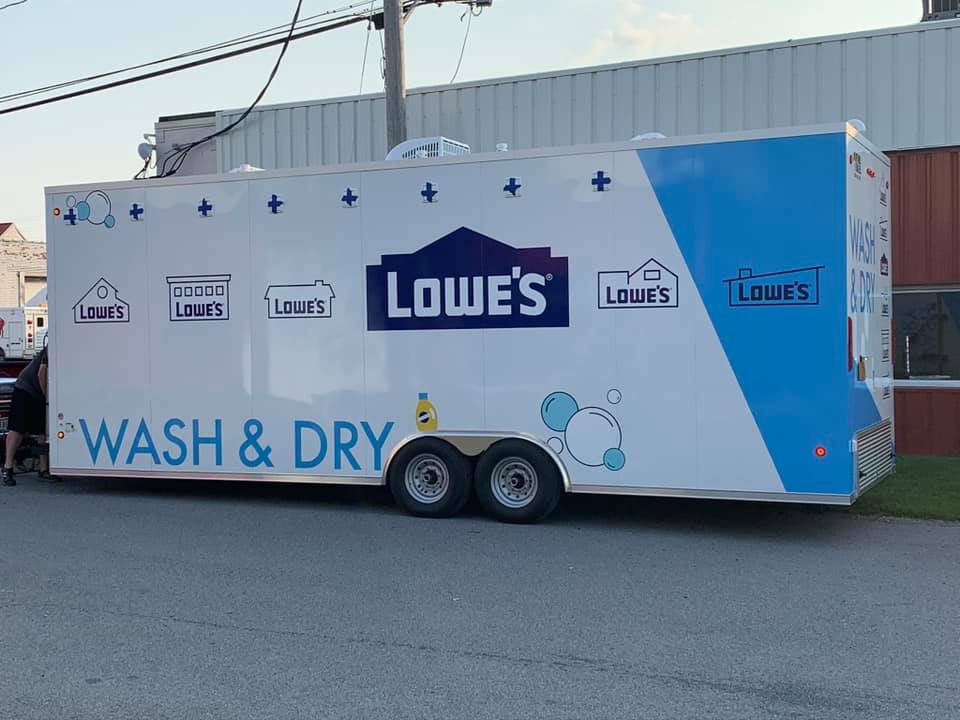
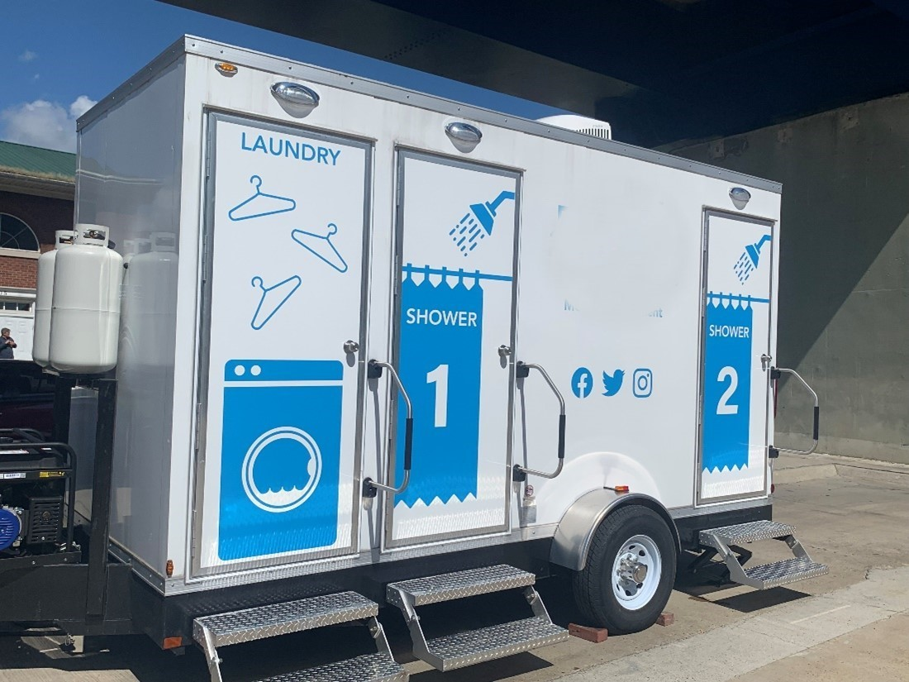
- Onboard laundry capabilities
- Medical refrigeration or supply storage
- Wi-Fi signal boosters
- Water filtration for contaminated zones
- Exterior lighting for night ops
When selecting a trailer, ask about modular upgrades — some units can be outfitted with custom additions quickly.
NRT Builds & Delivers Emergency Trailers Nationwide
We’ve worked with FEMA contractors, municipal responders, and private relief agencies for over 50 years.
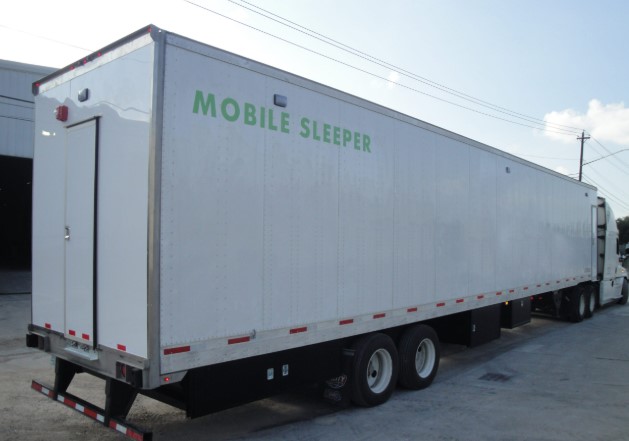
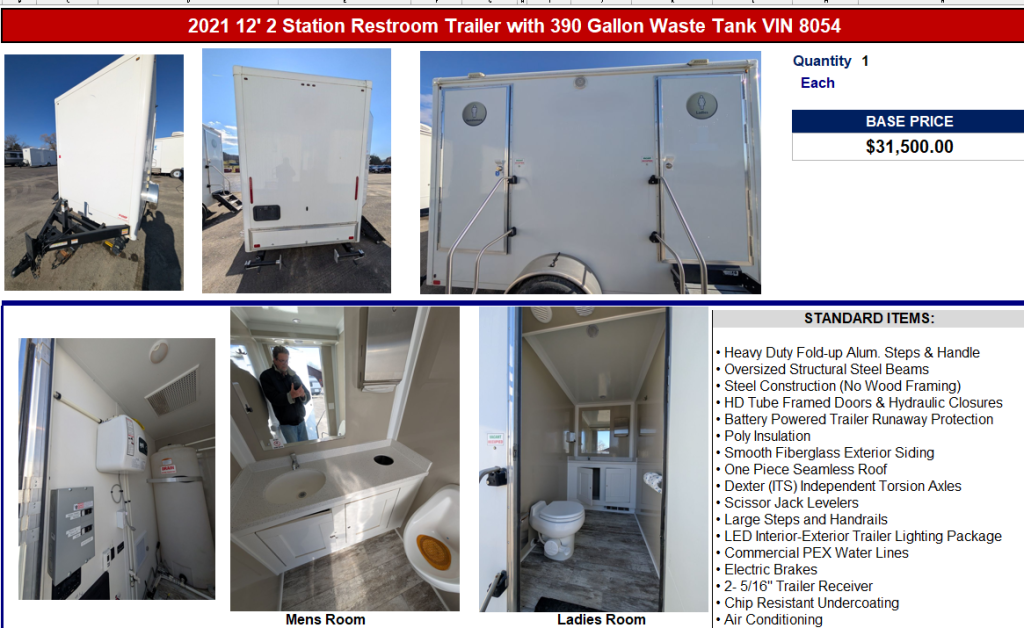
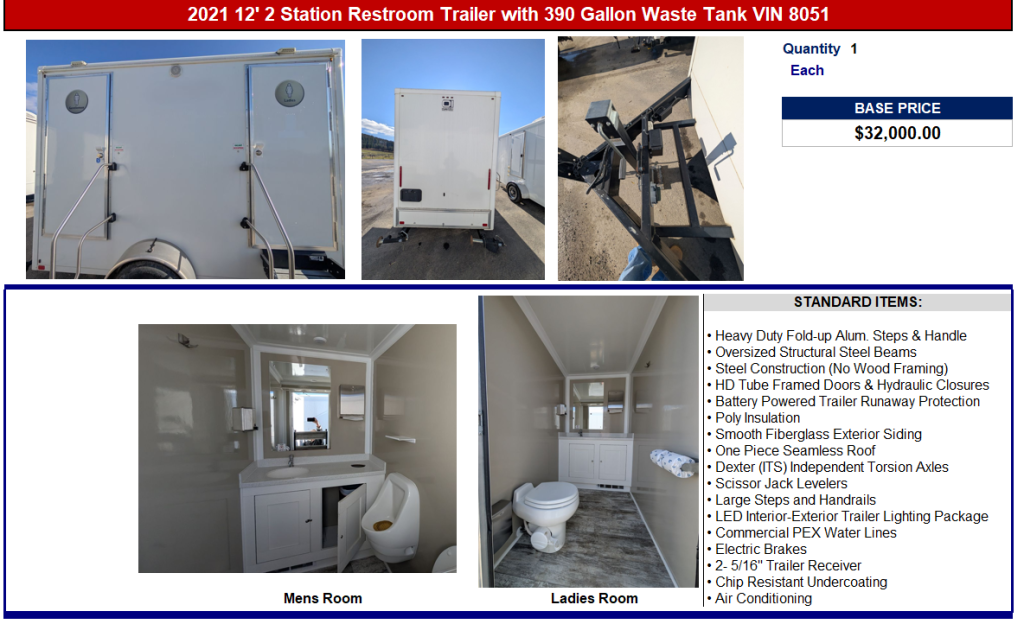
Whether you need ADA restrooms, shower combos, bunk trailers, or mobile laundry stations, we’ll help you build the right solution — fast.
Explore Disaster Relief Trailers →
Request a Rapid Response Quote →
FAQs: Emergency Trailer Features for Disaster Zones
- How fast can an emergency trailer be deployed?
In most cases, delivery and setup can happen within 24–72 hours. NRT units are built for rapid deployment with minimal site prep. - Do emergency trailers require hookups?
Not necessarily. Many come with generators, tanks, and solar power options to support off-grid deployment. - Are ADA-compliant trailers required in disaster zones?
Yes, in most cases — especially when serving displaced residents or operating under FEMA guidelines. - What size trailer is best for large-scale relief efforts?
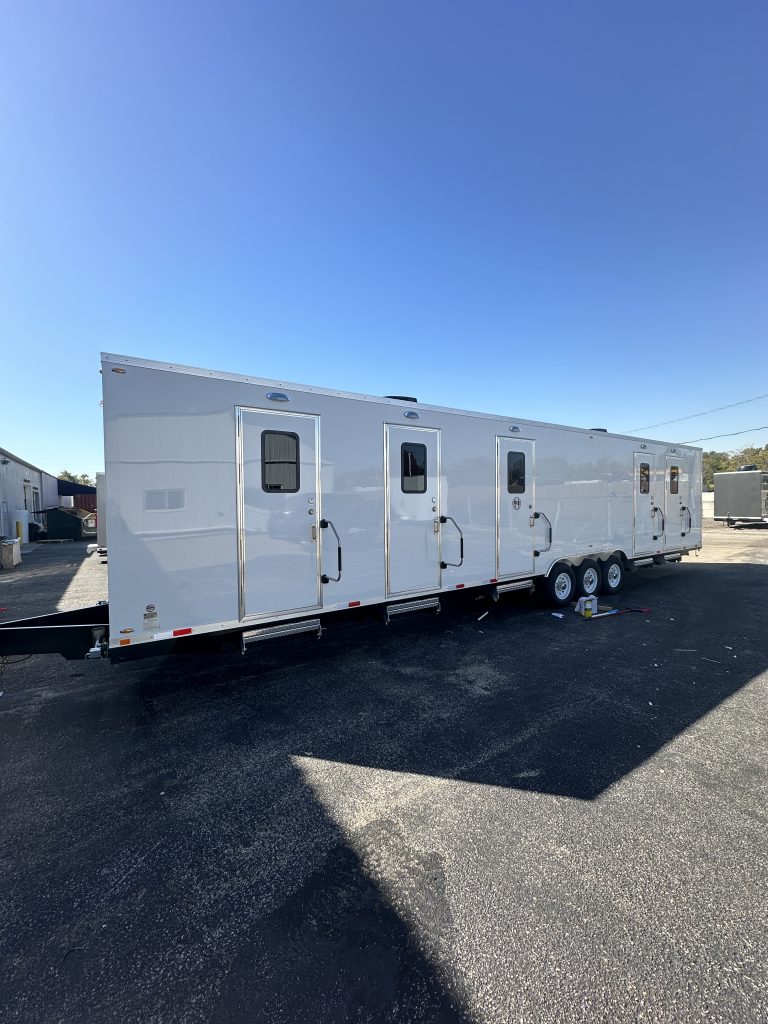
It depends on your needs, but we recommend 4–10 station combo trailers with ADA access and multiple water systems for high-volume use. - Can I rent a trailer short-term during an active emergency?
Yes. NRT offers short-term and long-term emergency trailer rentals, including rush delivery for active response situations.