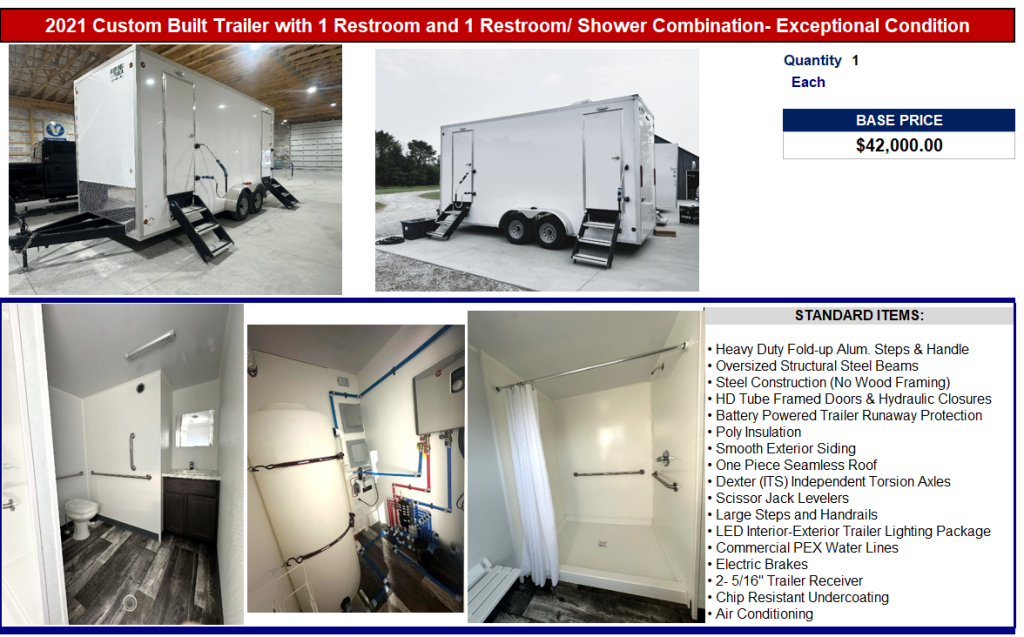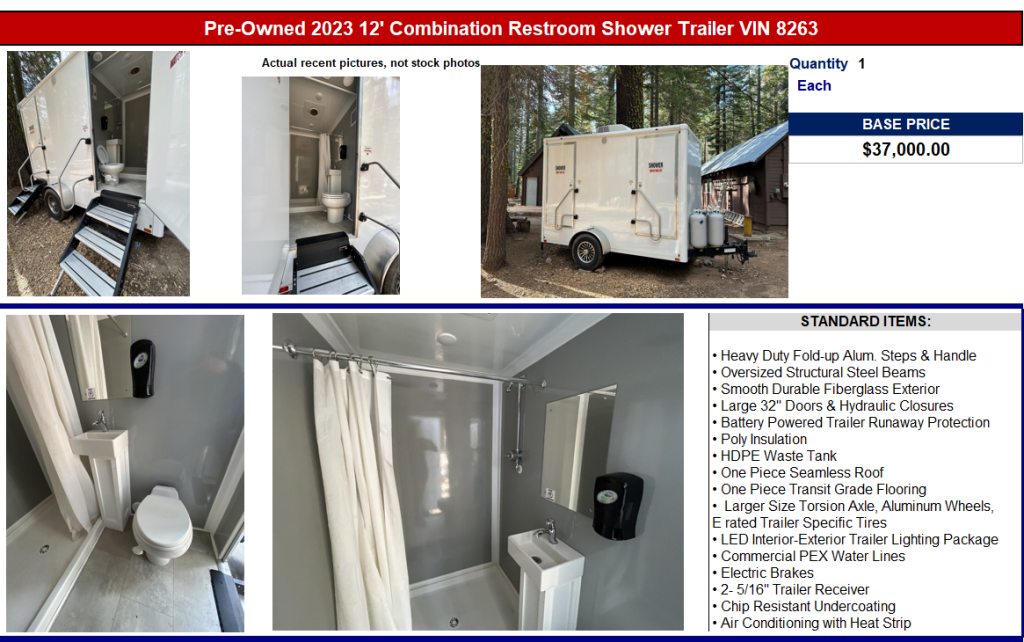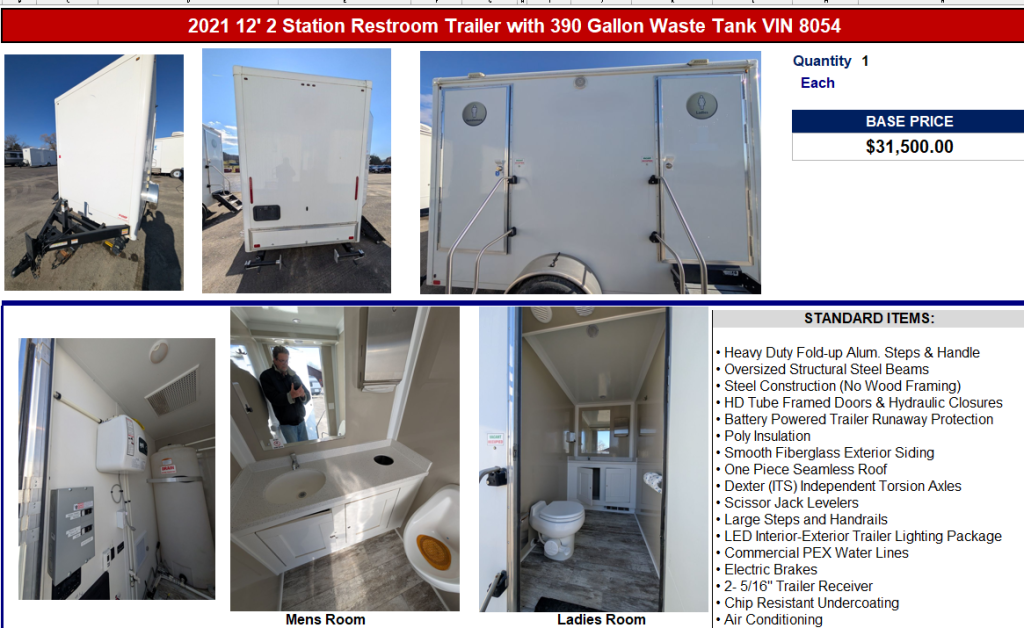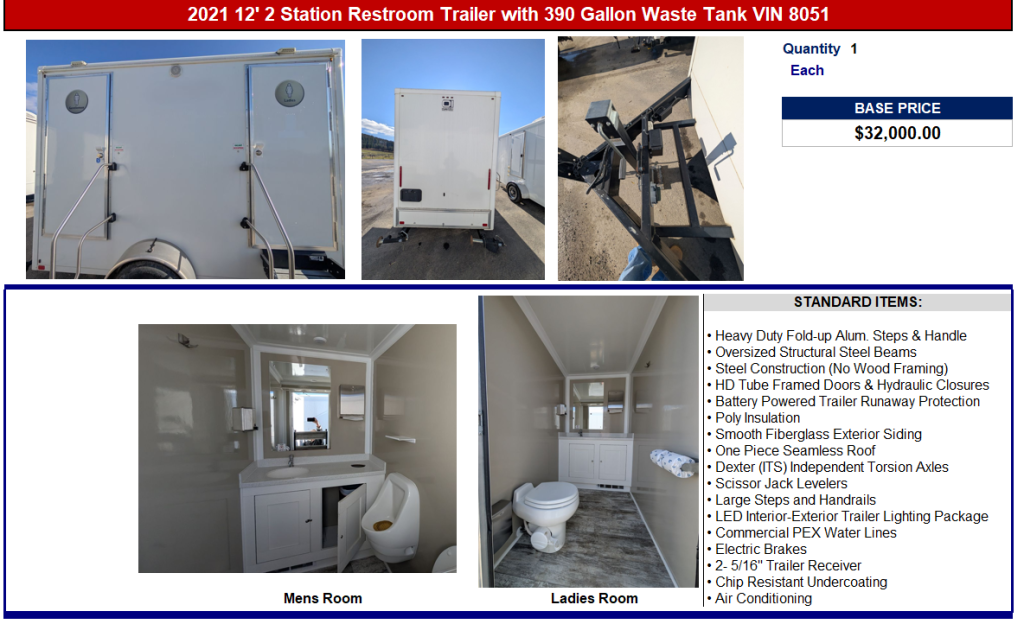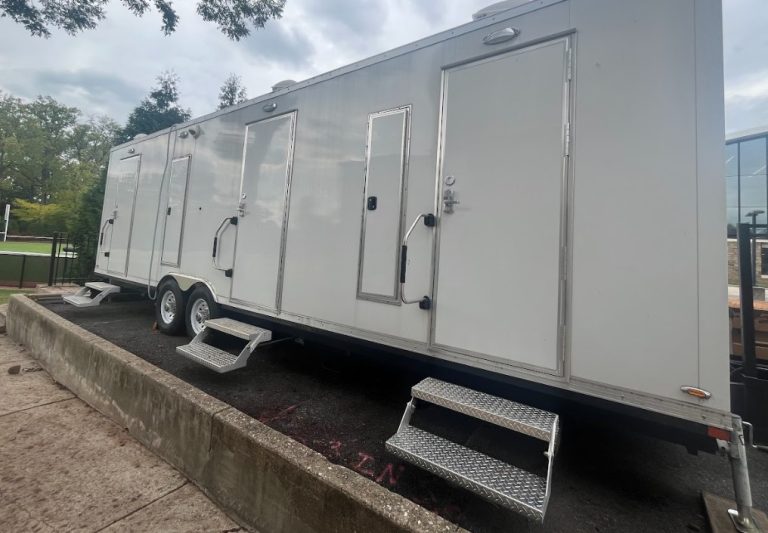
How to Choose the Right Restroom Trailer
Selecting the right restroom trailer requires more than just choosing a size. Whether you’re planning a large public event, managing an active construction site, or purchasing for long-term commercial use, the right unit must balance durability, accessibility, capacity, and compliance. Understanding your operational needs first will ensure you invest in a restroom trailer that performs reliably and meets federal and state regulations.
Understanding Your Usage Requirements
The first step in choosing a restroom trailer is identifying how and where it will be used. Event-based deployments often prioritize aesthetics and guest comfort, while construction and industrial environments require heavy-duty materials and long-term reliability.
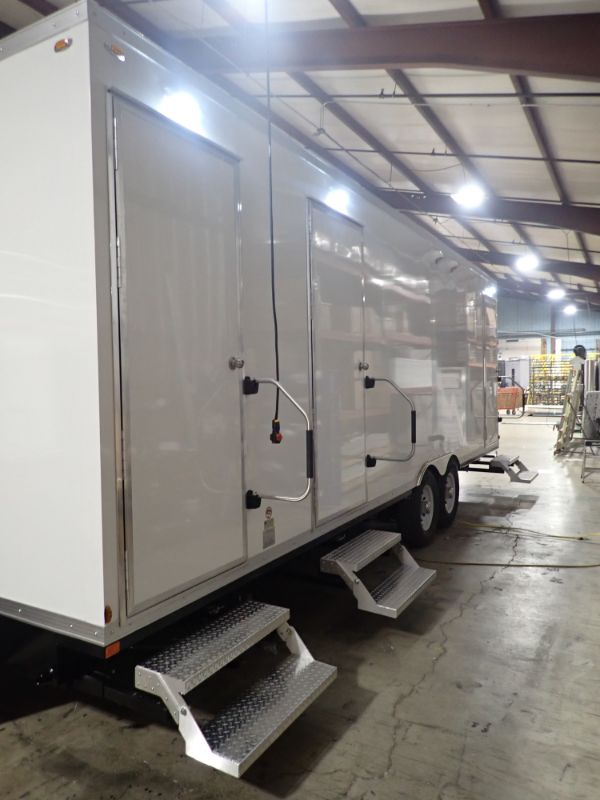
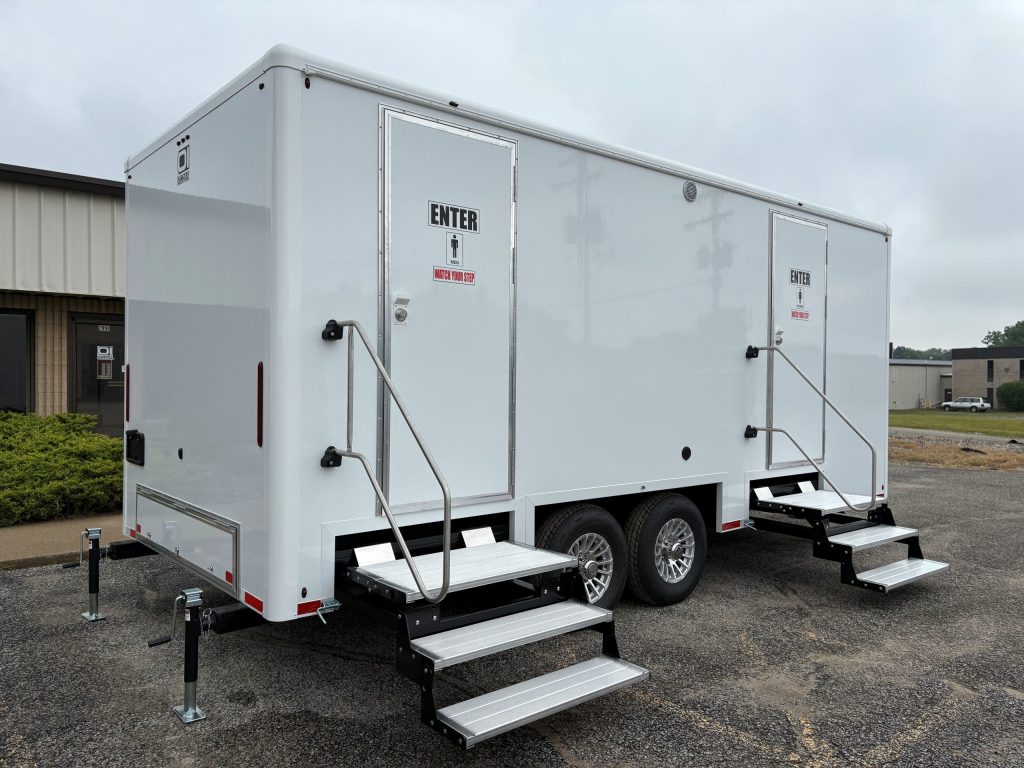
For example, construction projects may require dedicated construction site restroom trailers designed for high-traffic, rugged conditions.
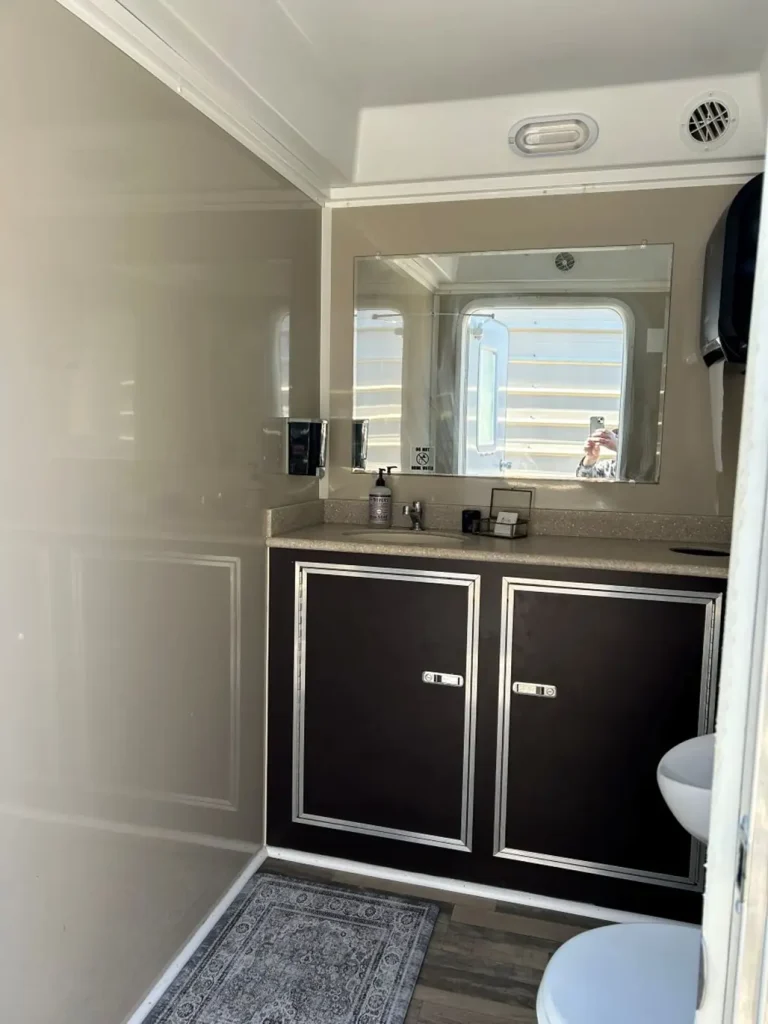
Event venues, municipalities, and corporate buyers may focus more on interior finishes, climate control, and guest flow efficiency.
Key considerations include:
- Expected daily user volume
- Duration of deployment
- Climate conditions
- Access to water and power
- Regulatory requirements
Matching the trailer configuration to these factors prevents underperformance and costly adjustments later.
Choosing the Right Size & Layout
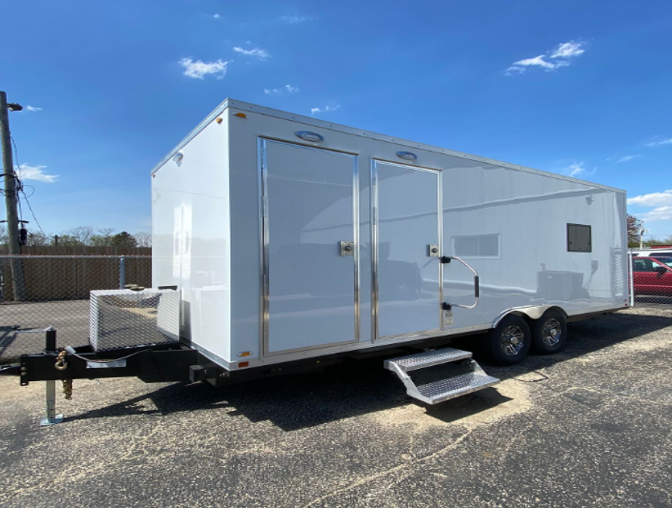
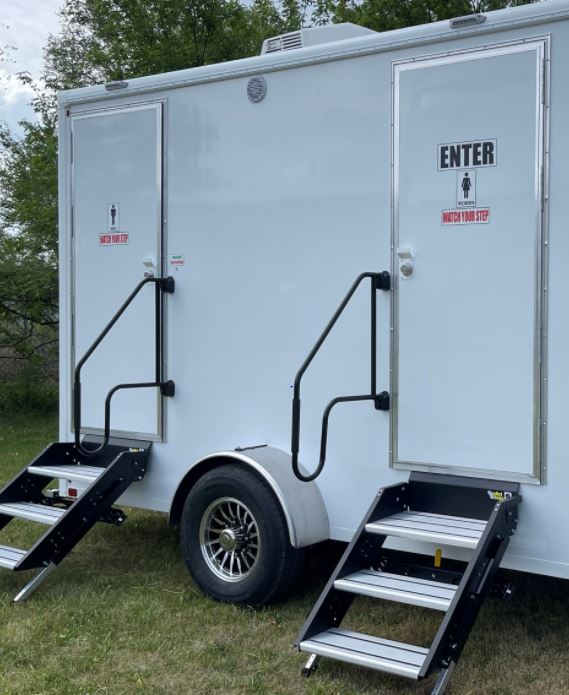
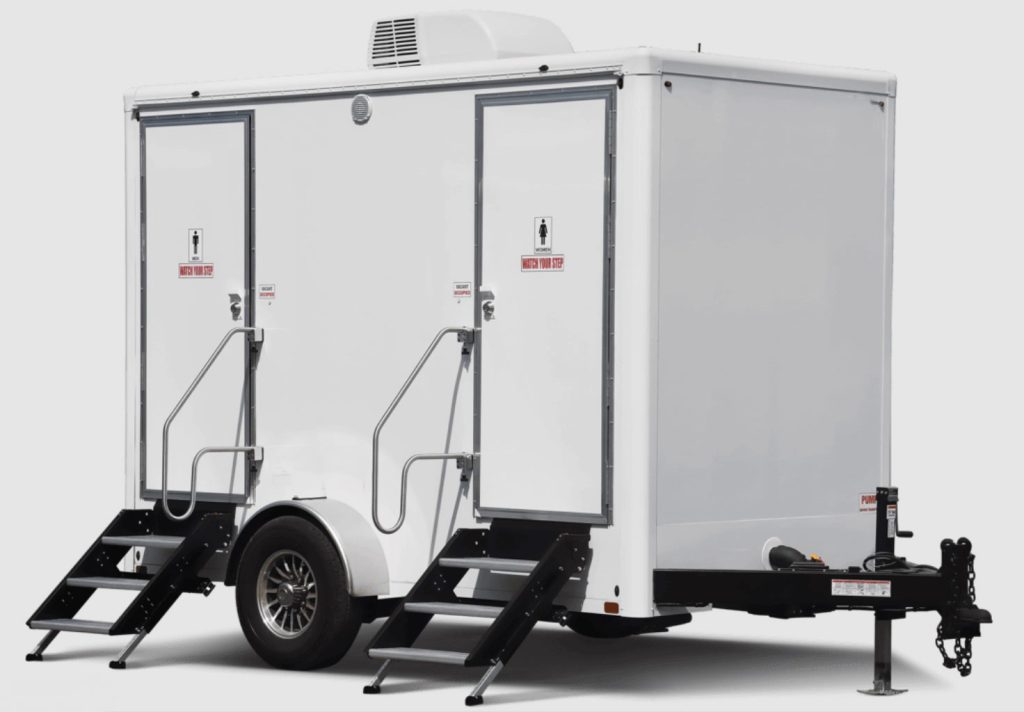
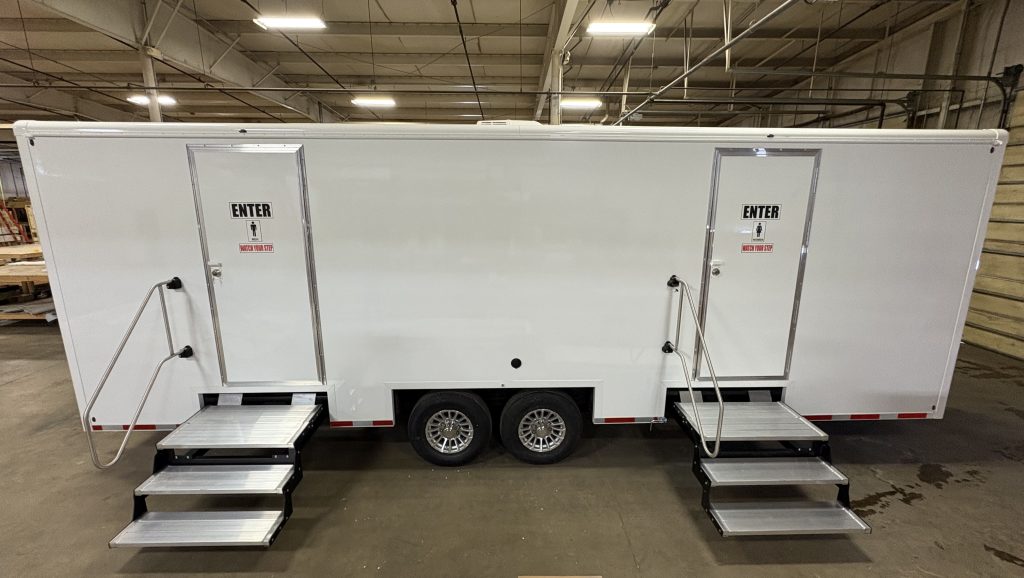
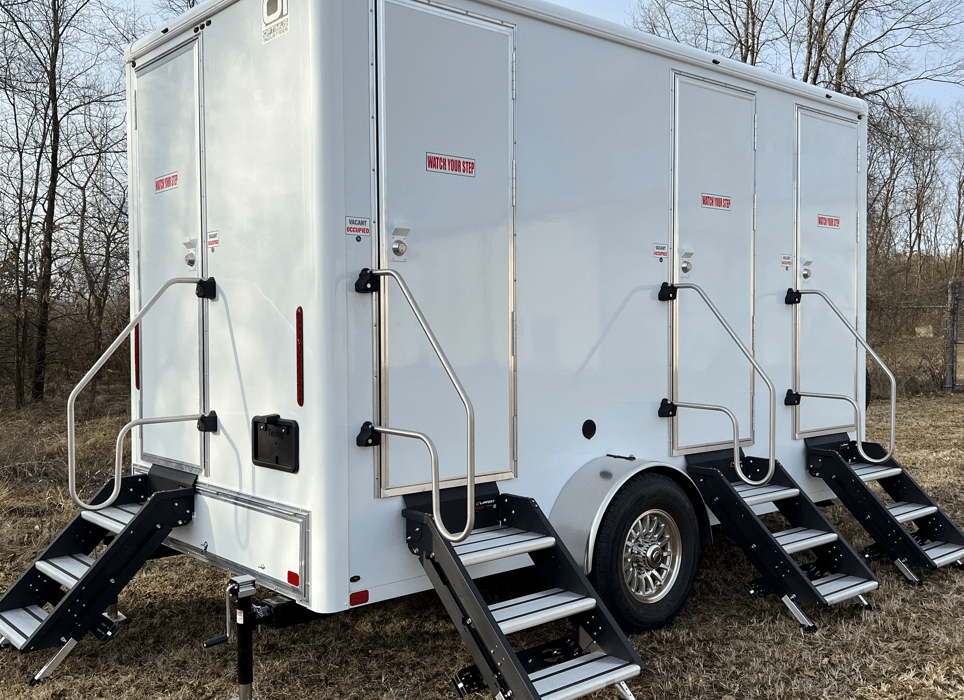
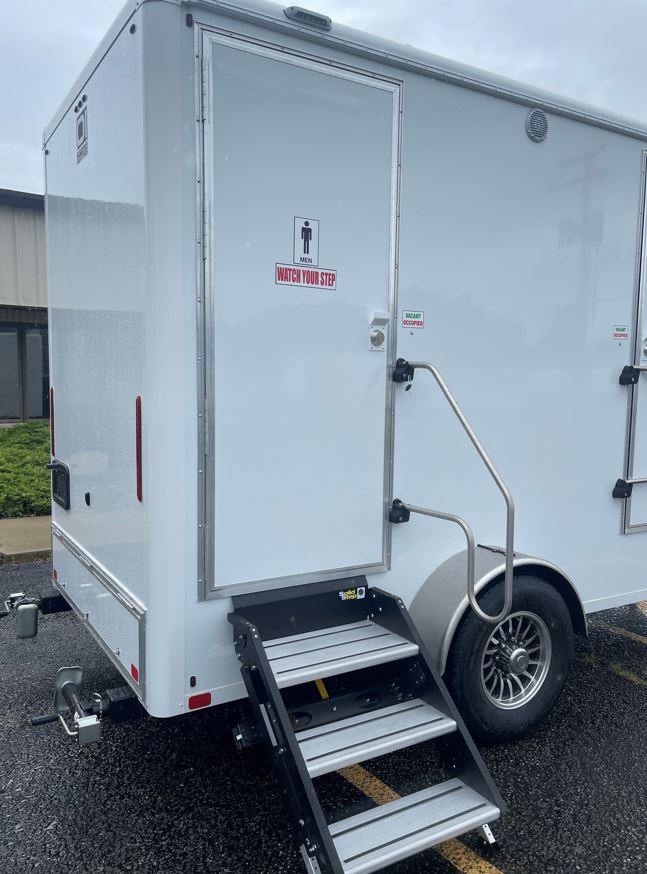
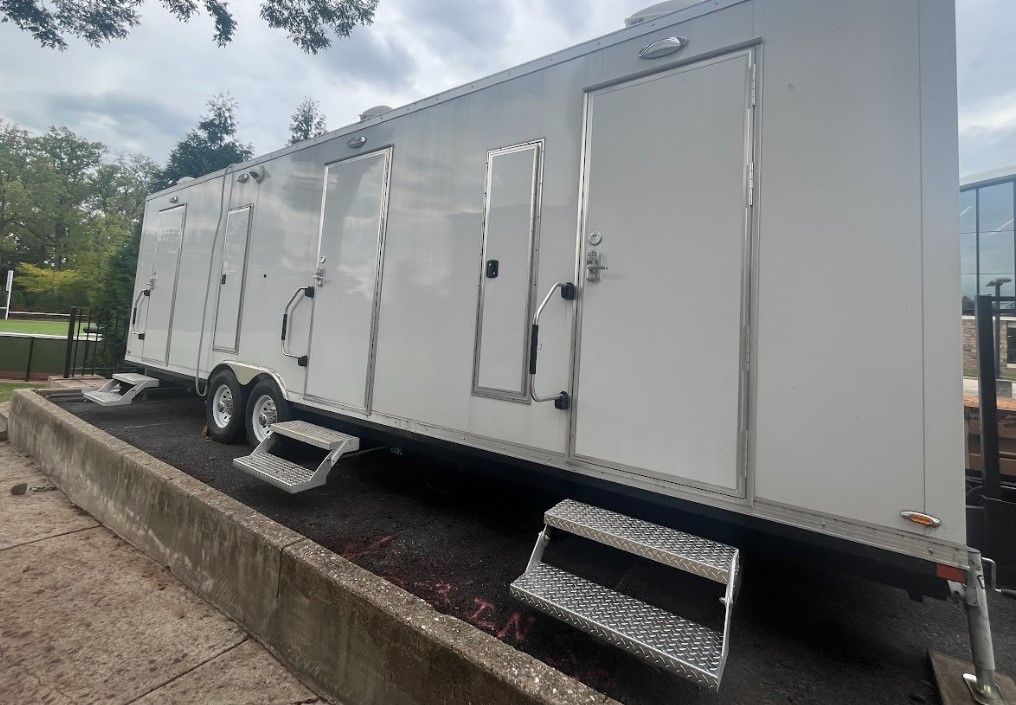
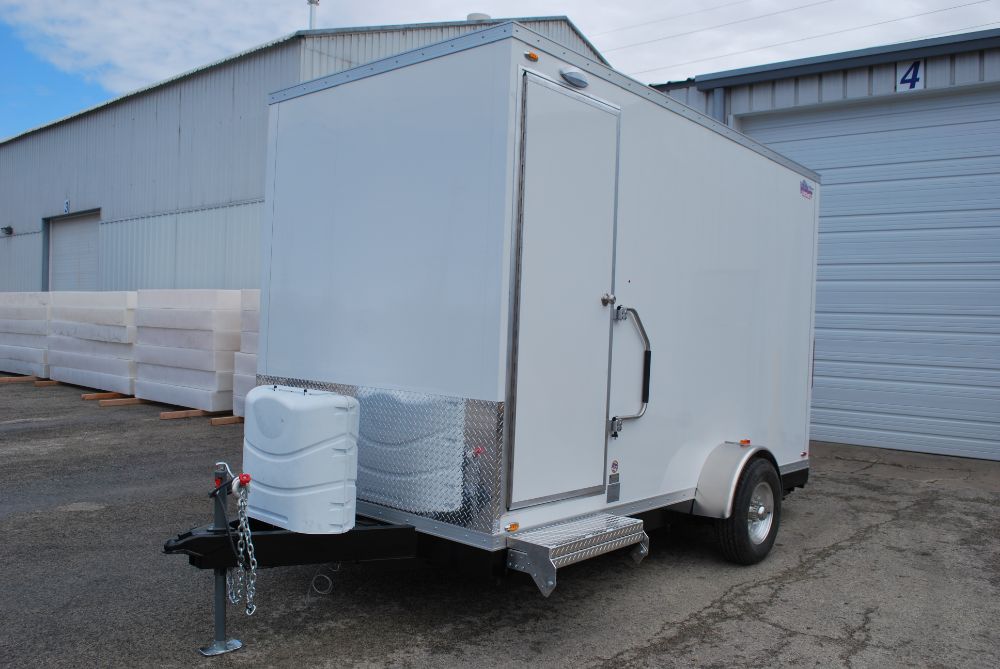
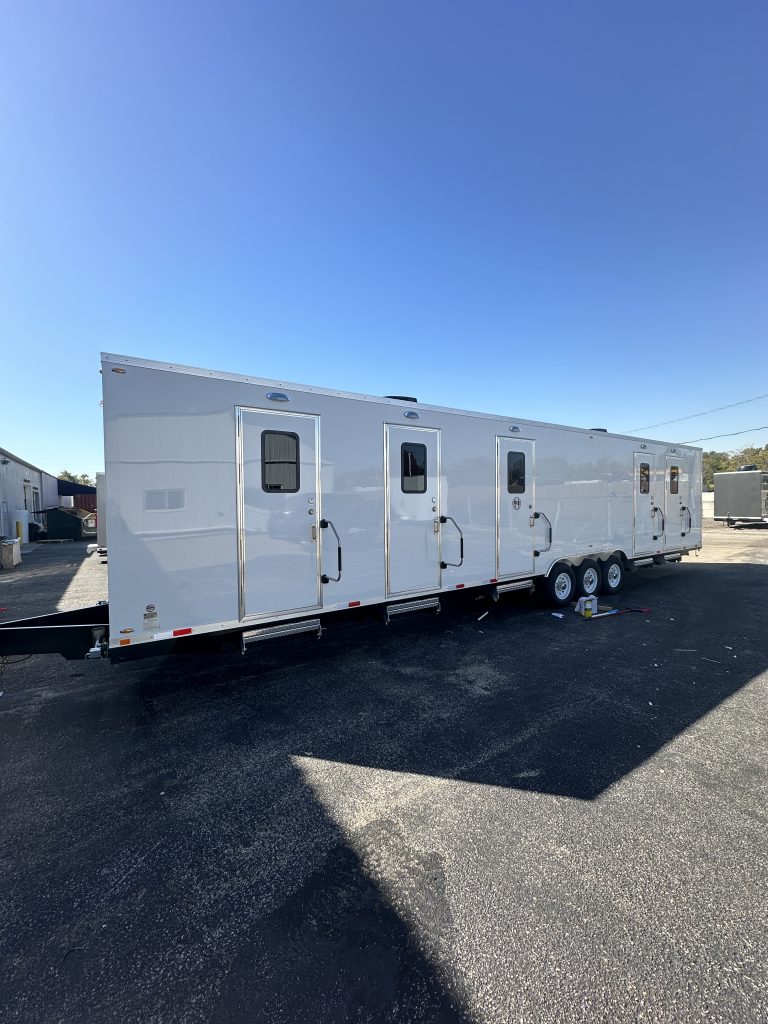
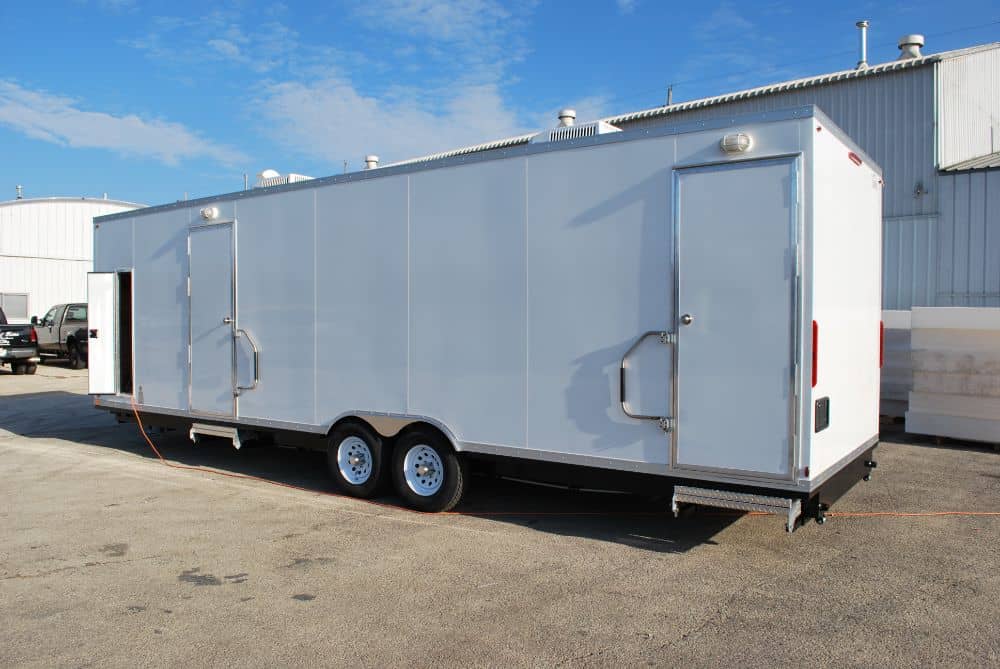
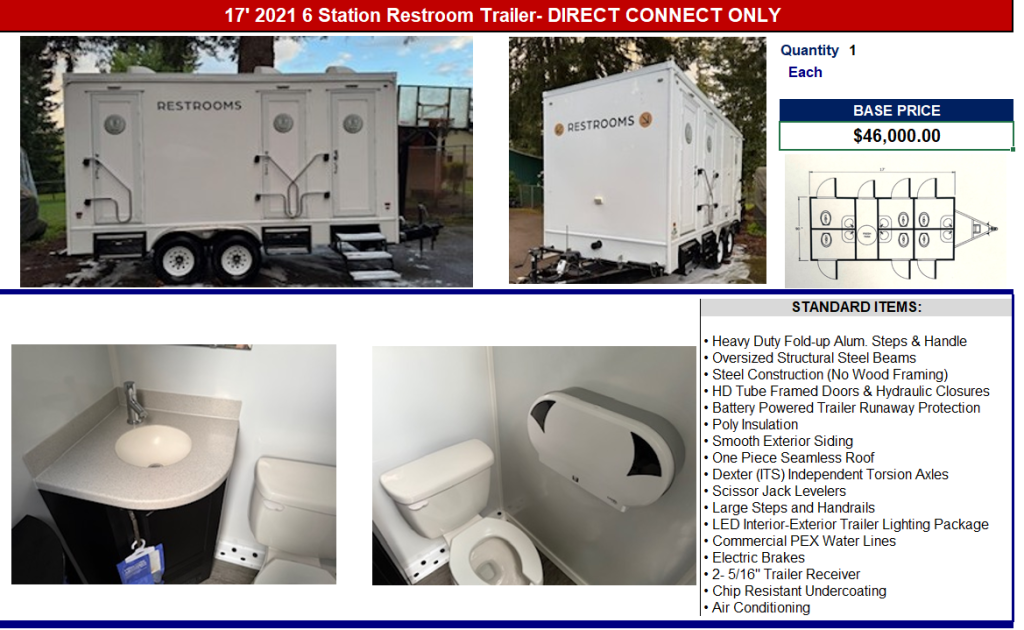
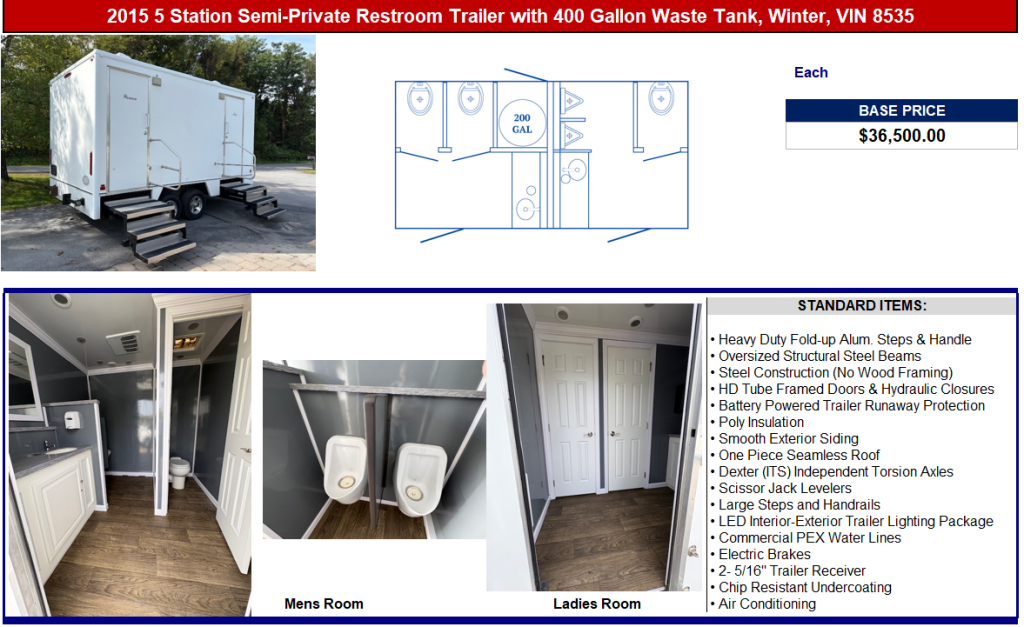
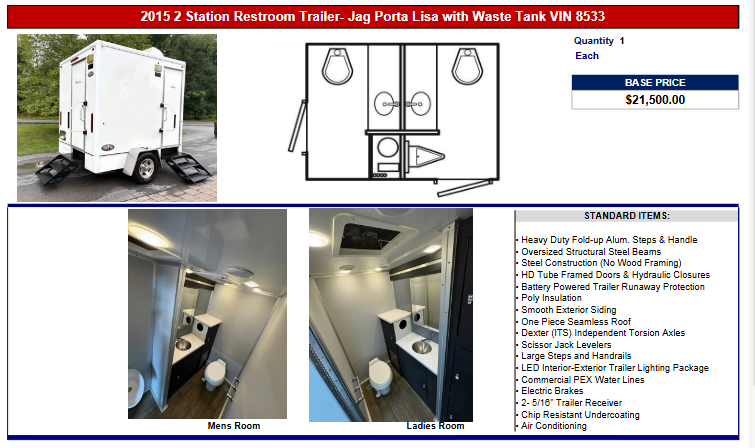
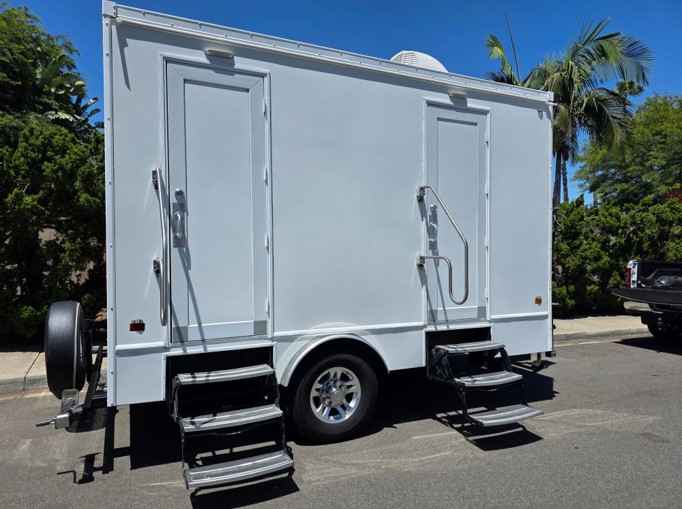
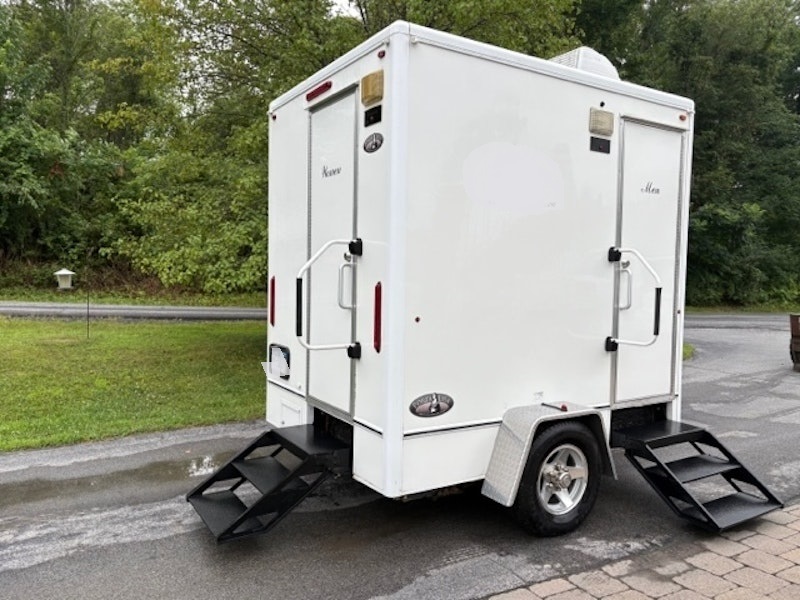
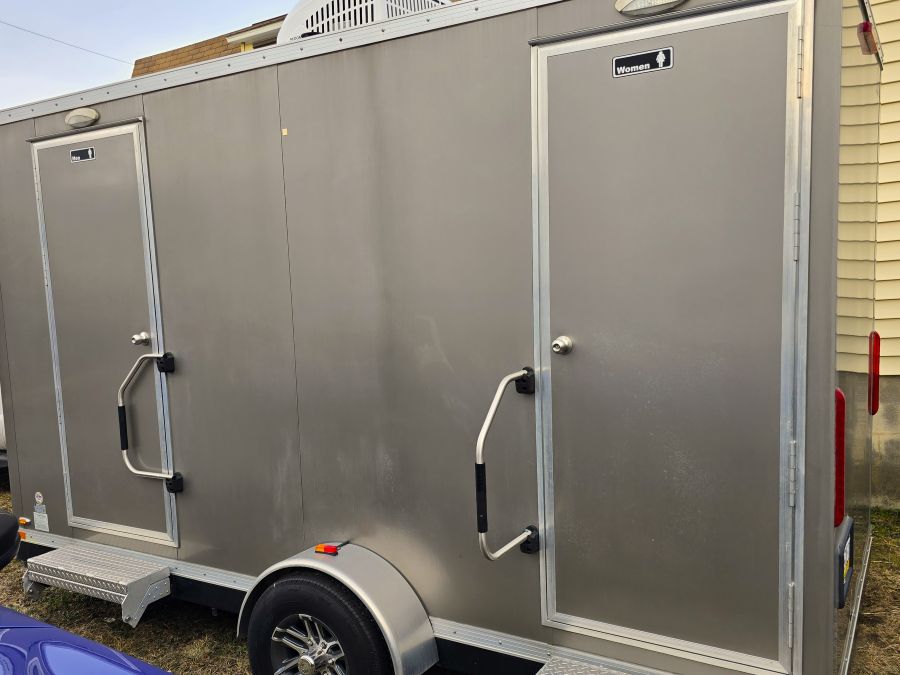
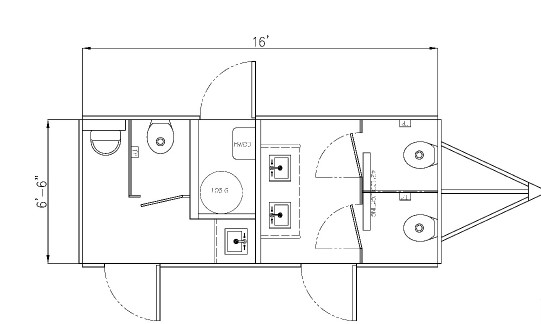
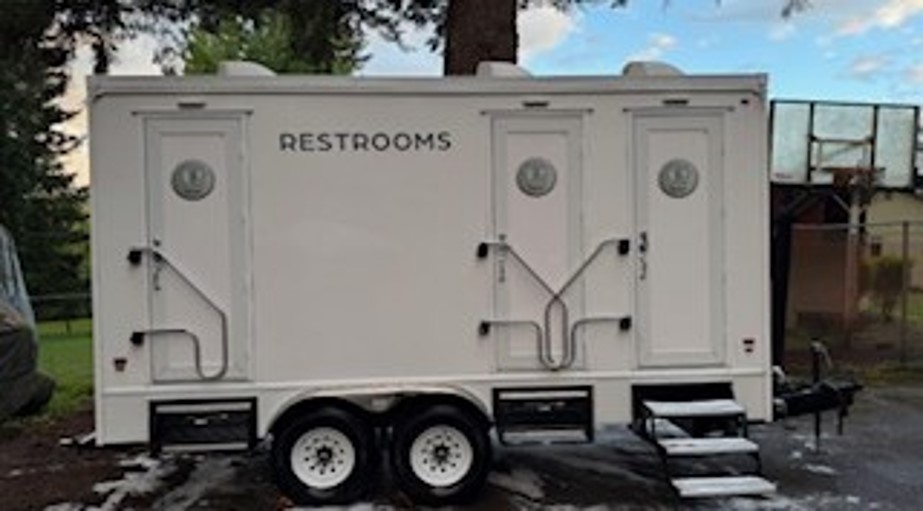
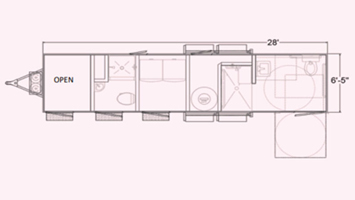
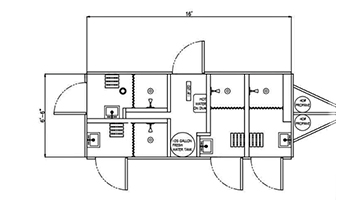
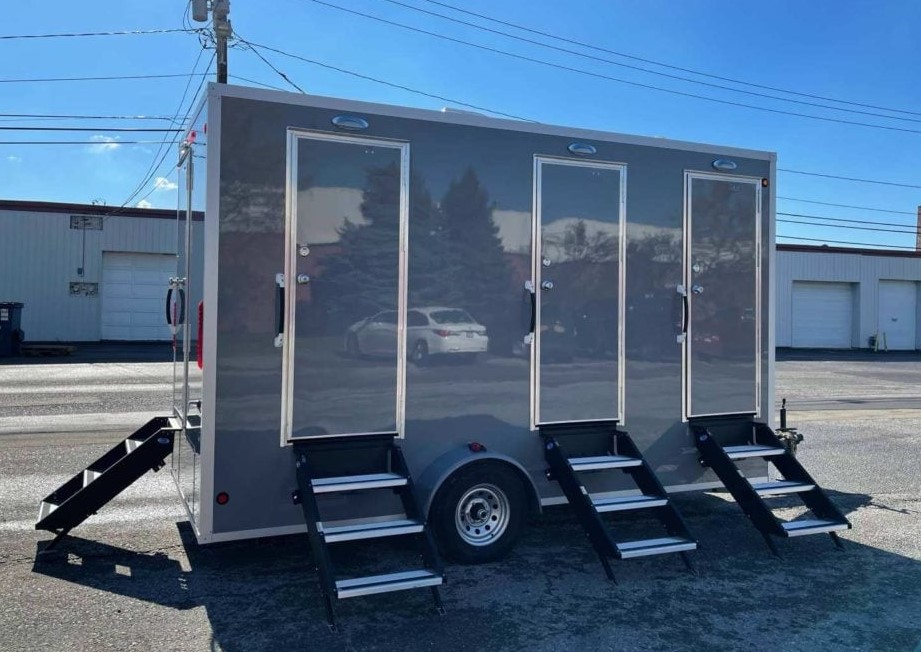
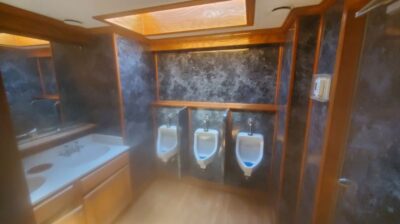
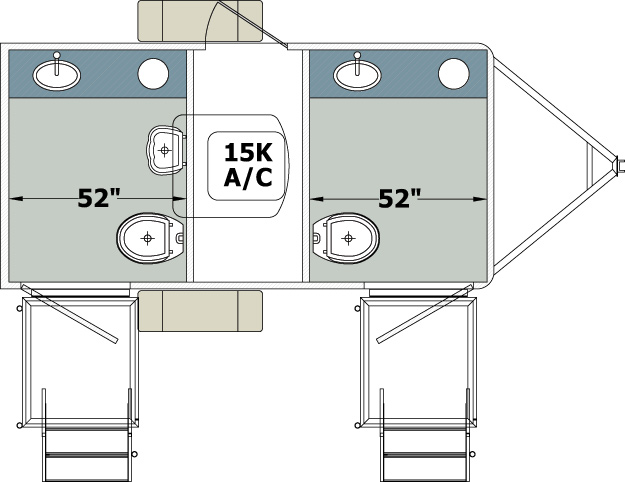
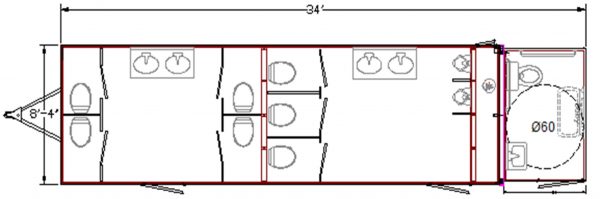
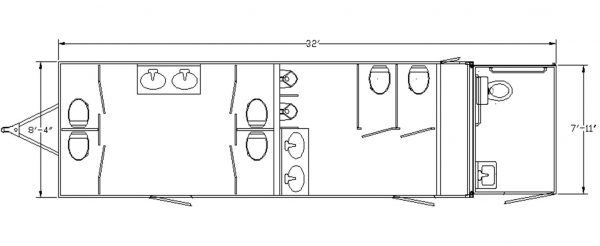
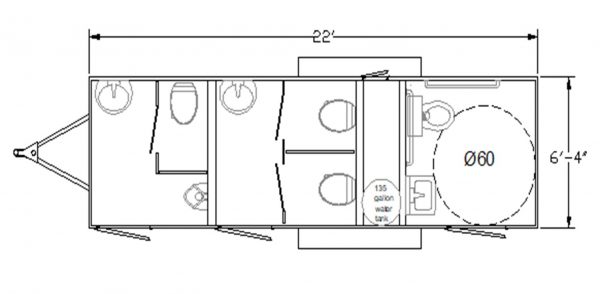
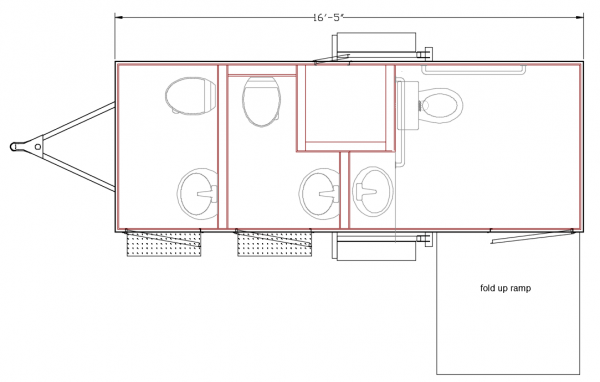
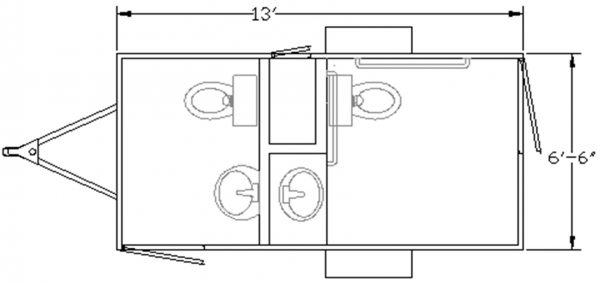
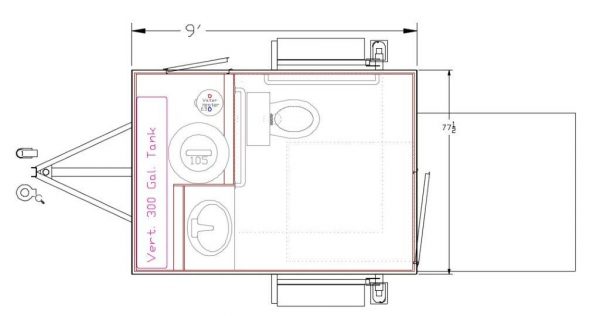
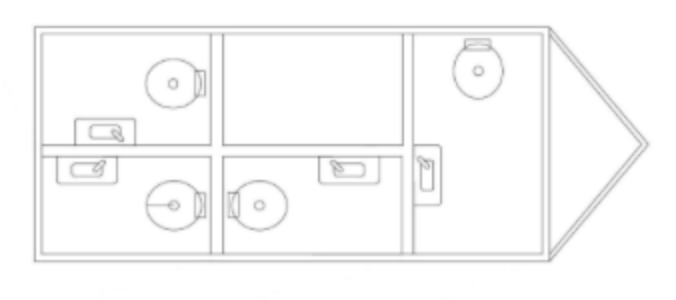
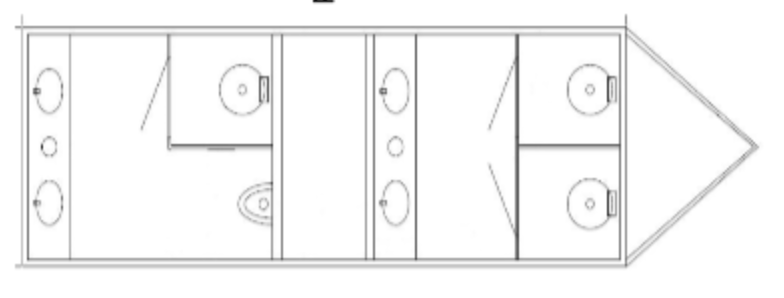
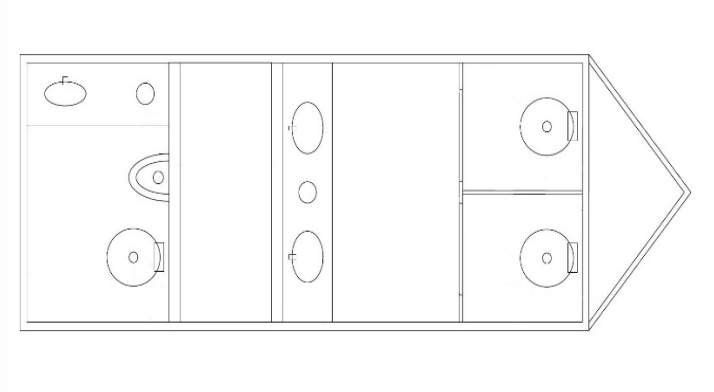
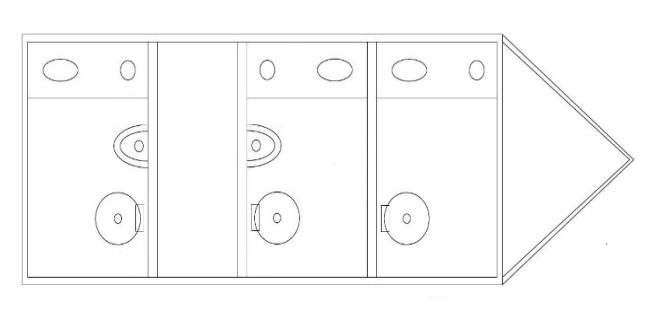
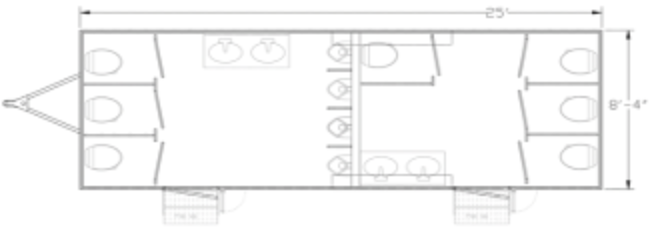
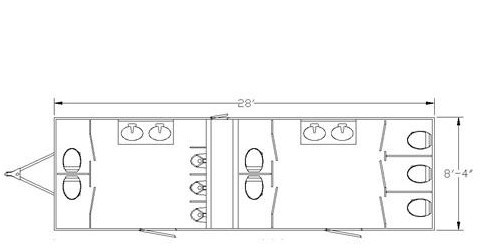
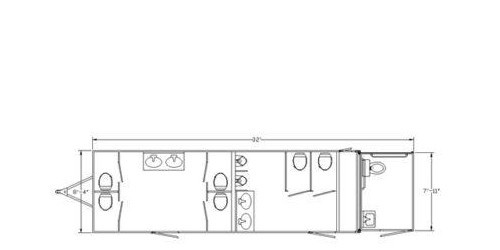
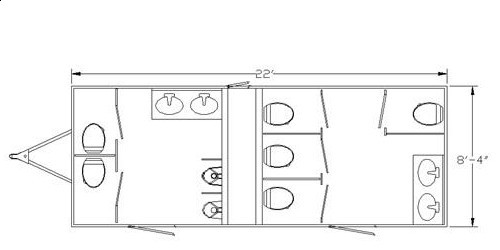
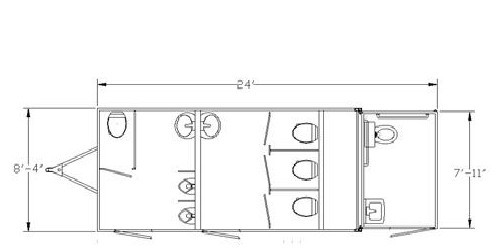
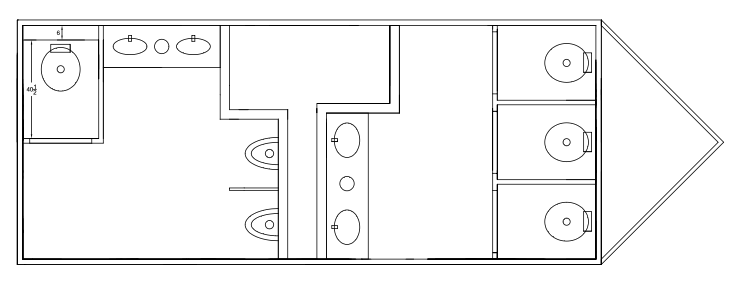
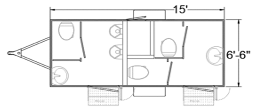
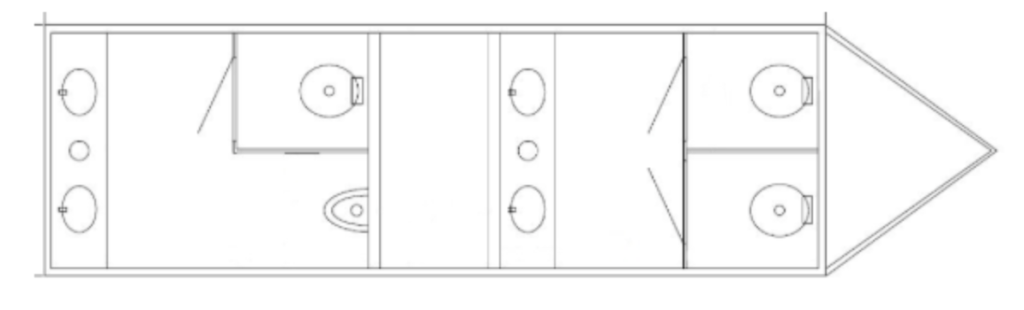
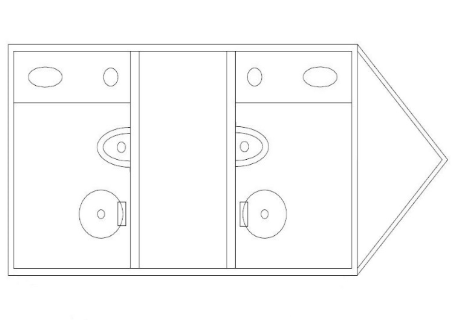
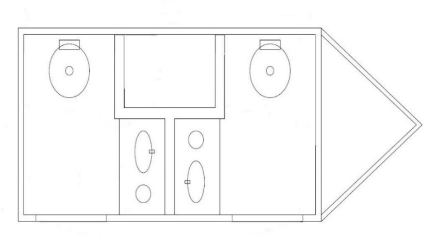
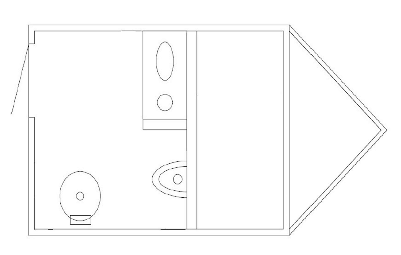
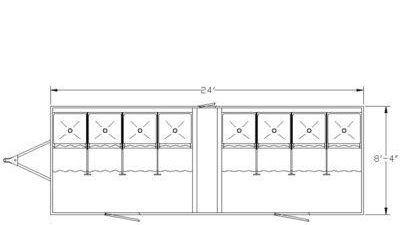
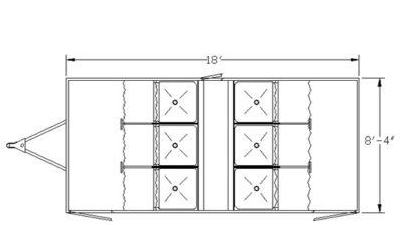
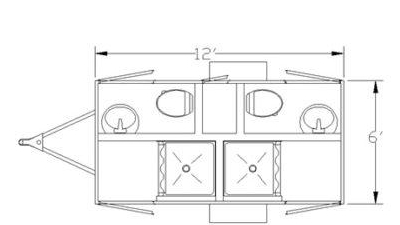
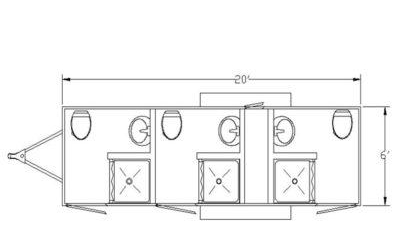
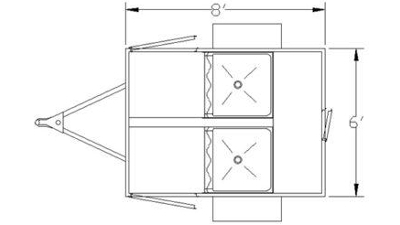
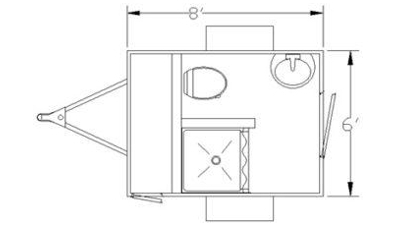
Restroom trailers range from compact single-station units to expansive multi-stall configurations. Larger deployments may require separate men’s and women’s sections, multiple sinks, and designated ADA-compliant spaces.
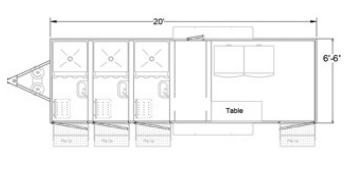
When evaluating layouts, consider:
- Total number of stalls needed
- Separate or shared entrances
- Interior turning radius space
- Handwashing capacity
- Traffic flow during peak usage
If you’re purchasing rather than renting, reviewing available portable restroom trailers for sale can help you compare long-term capacity and layout options (link to:
Proper sizing ensures comfort, efficiency, and compliance.
ADA Compliance & Accessibility Standards
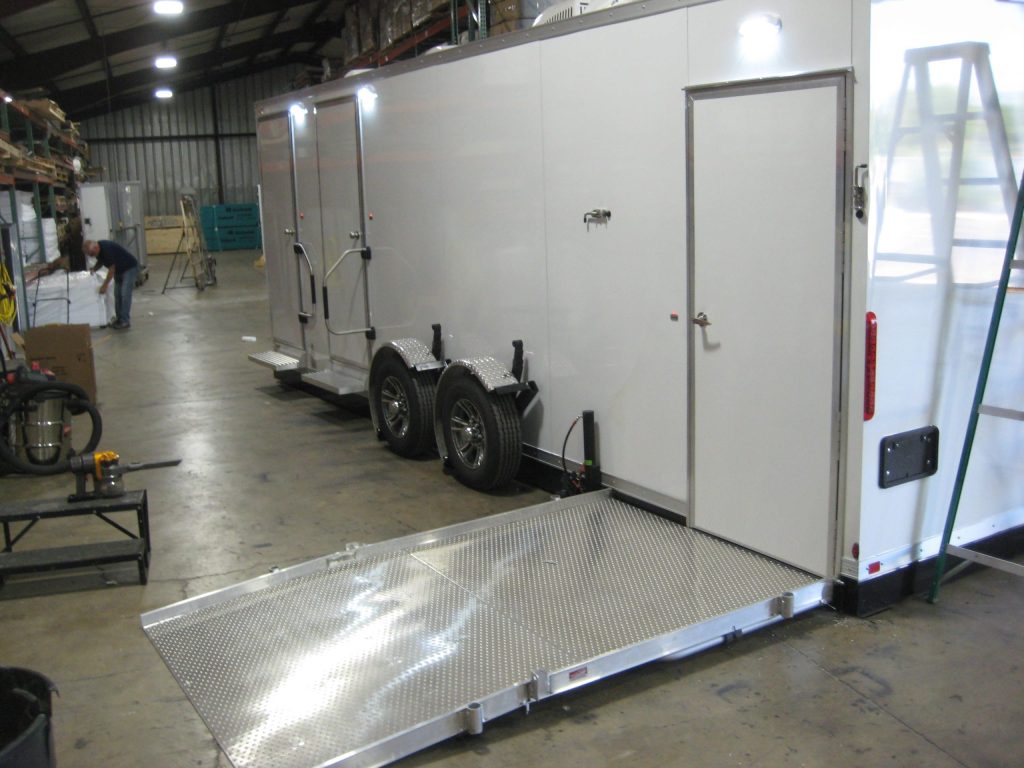
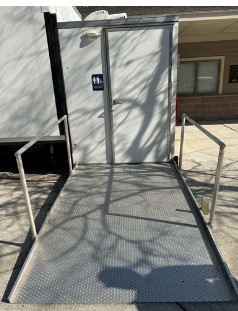
Federal guidelines often require accessible restroom facilities in public, government, and many jobsite settings. Choosing an ADA-compliant restroom trailer is essential for meeting these standards and avoiding compliance issues.
ADA-compliant units typically include:
- 36-inch minimum door clearances
- Ramp systems with a 1:12 slope ratio
- Five-foot interior turning diameter
- Properly mounted grab bars
- Accessible sink and mirror heights
If accessibility is required for your project, review available ADA-compliant restroom trailers to ensure your configuration meets current standards (link to:
Beyond compliance, accessible units promote inclusivity and provide safe use for all individuals.
Evaluating Build Quality & Durability
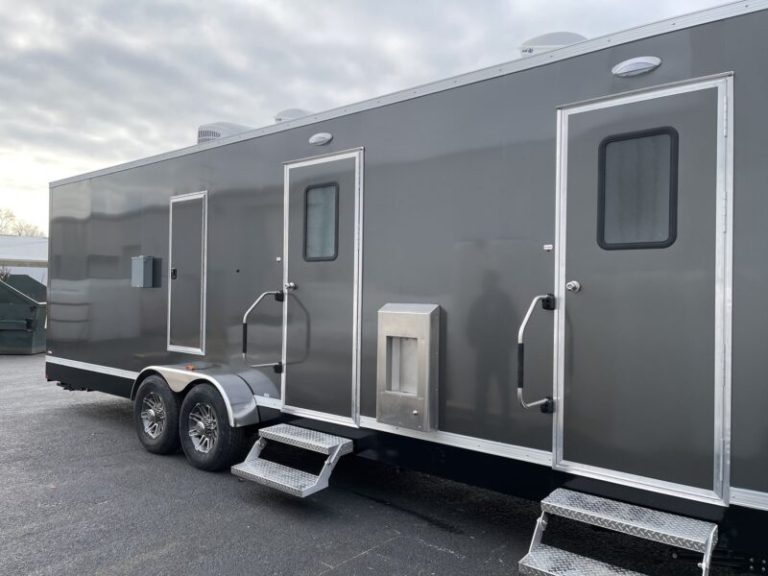
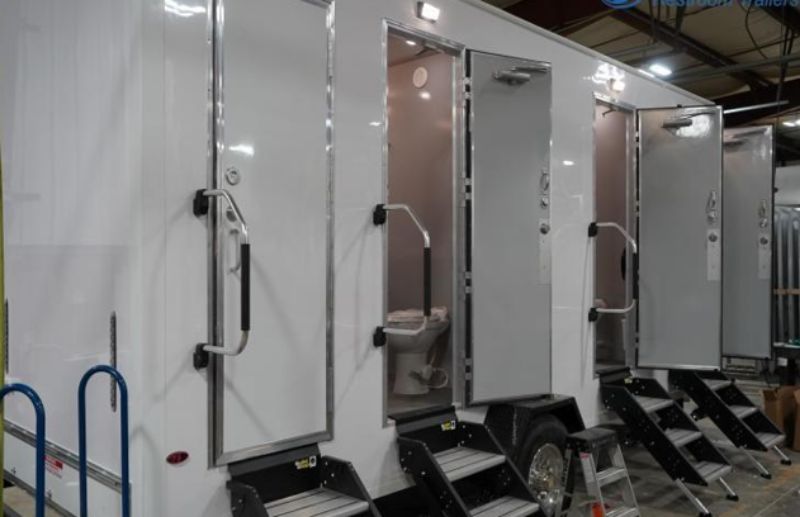
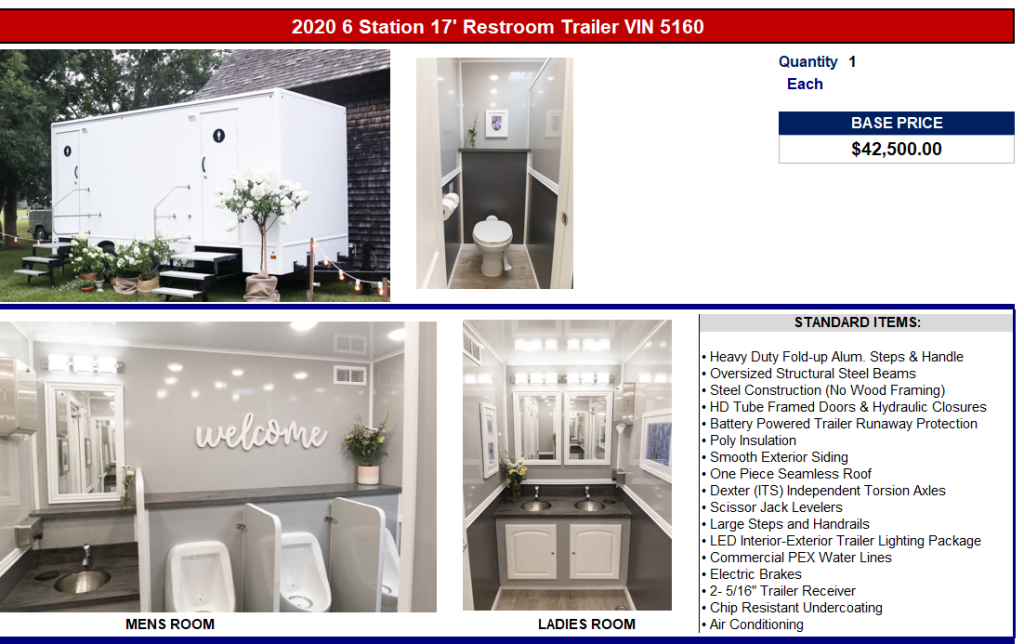
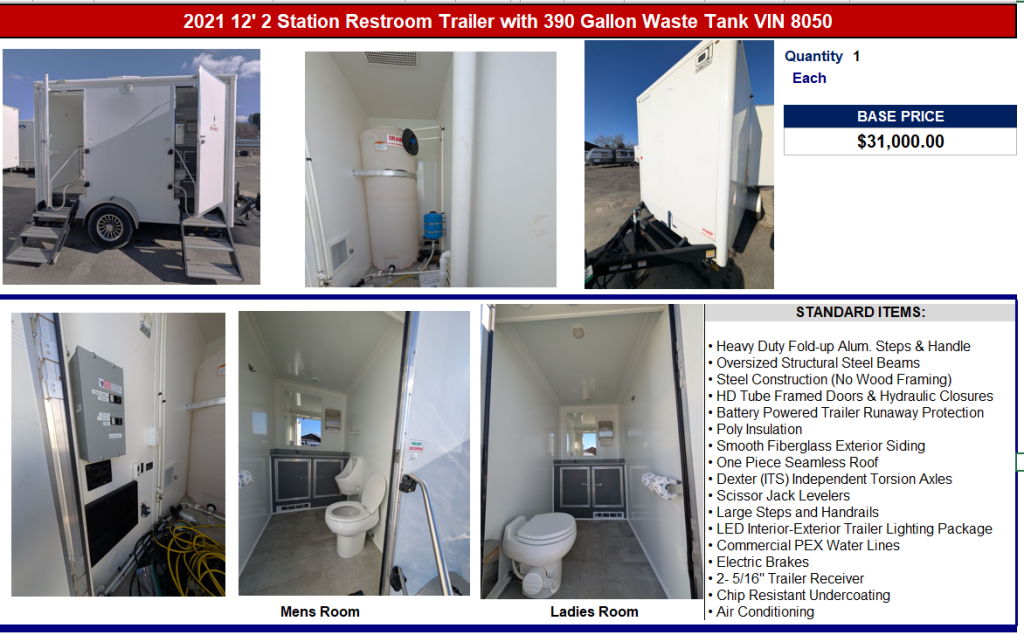
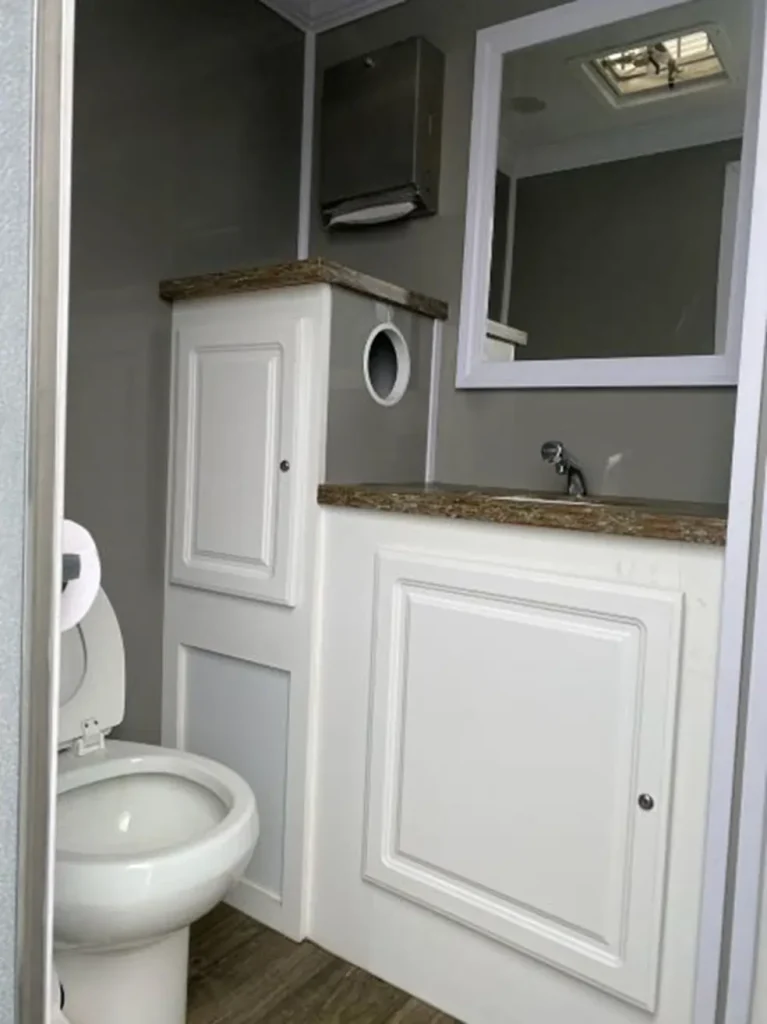
Not all restroom trailers are built to the same standards. Commercial buyers should prioritize construction quality, plumbing capacity, climate control systems, and long-term serviceability.
Look for:
- Commercial-grade plumbing fixtures
- Reinforced flooring and entry systems
- Durable wall materials for easy cleaning
- HVAC systems rated for extreme temperatures
- Reliable freshwater and waste tank systems
If purchasing new units, exploring full restroom trailer inventory options allows you to compare specifications and durability features side by side (link to:
Investing in a well-built trailer reduces maintenance costs and extends operational lifespan.
Customization & Long-Term Considerations
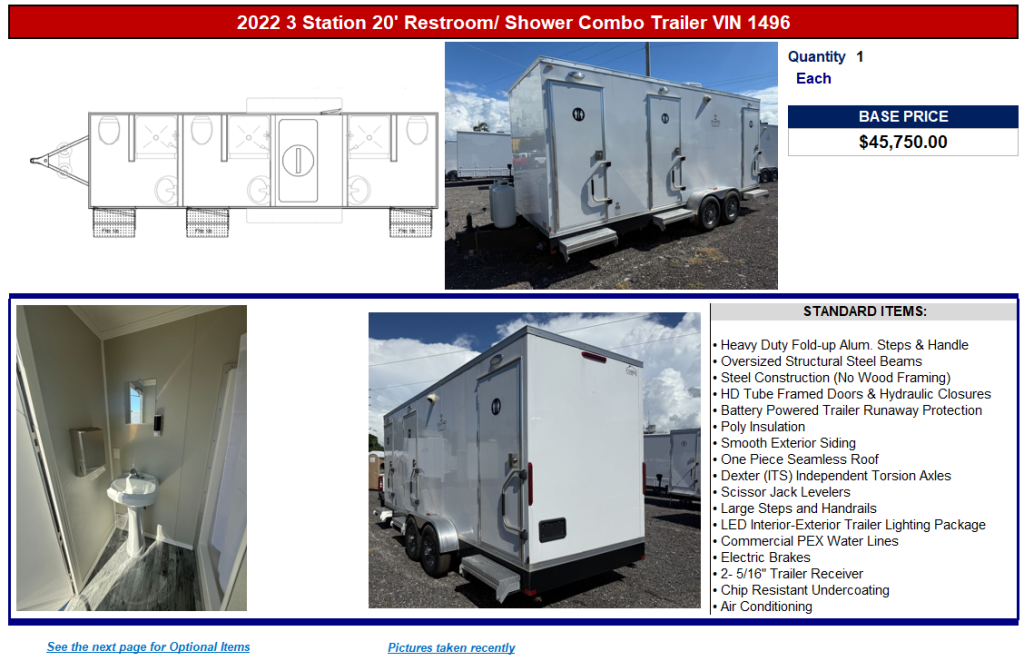
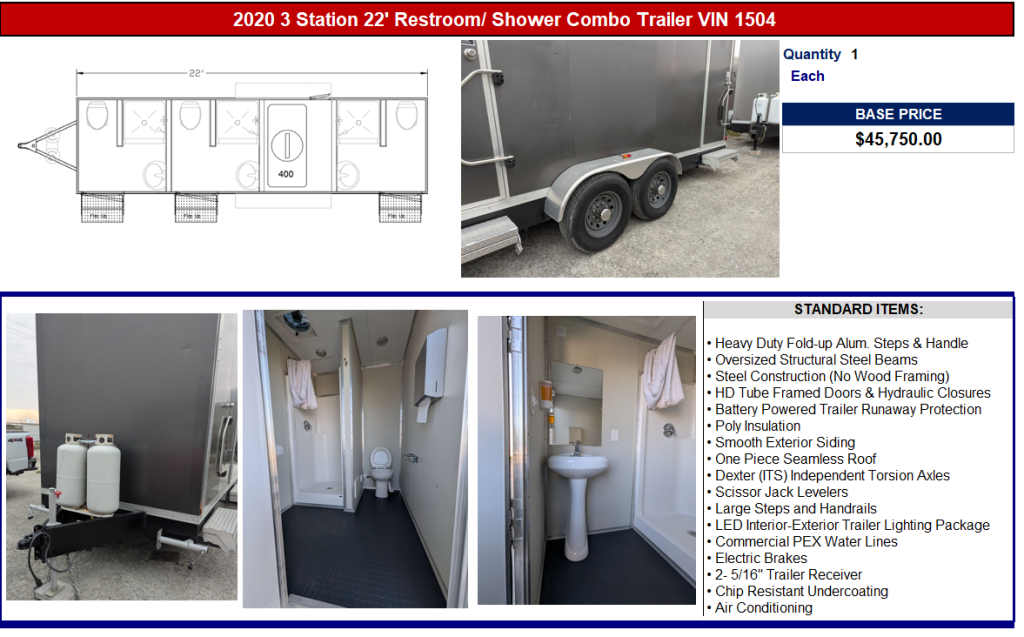
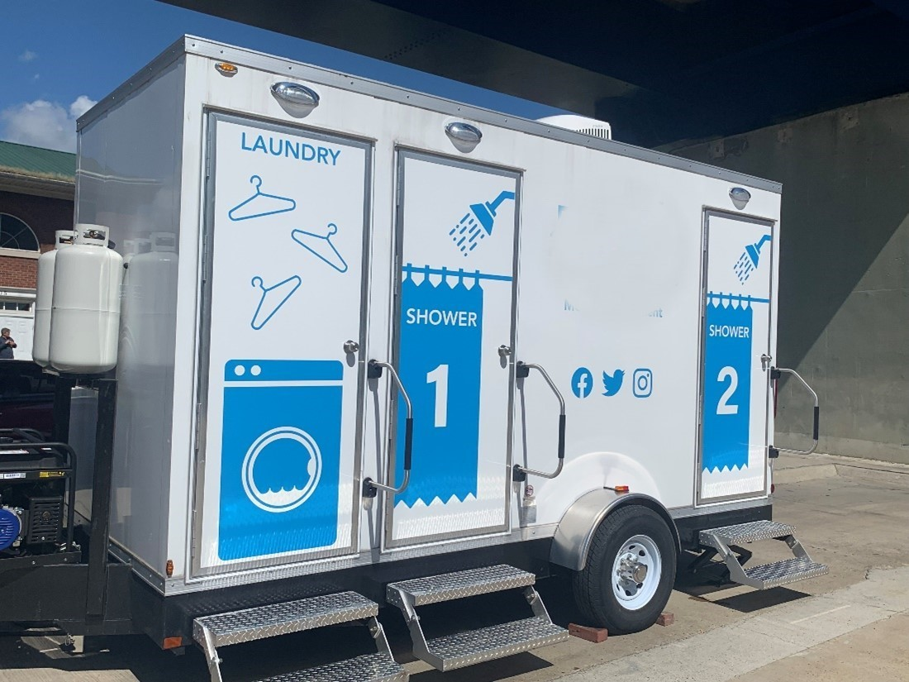
Many organizations require specialized configurations. This may include additional waste capacity, integrated shower units, office combinations, branding elements, or technology upgrades.
Customization options may include:
- Modified floor plans
- Upgraded fixtures and finishes
- Expanded water capacity
- Climate upgrades
- Industry-specific configurations
Working directly with a manufacturer allows you to tailor solutions to workforce size, project length, or event scale.
Making the Right Investment
Choosing the right restroom trailer ultimately comes down to aligning operational needs with compliance standards and long-term durability. Whether supporting construction crews, large public gatherings, municipal operations, or commercial developments, selecting a properly configured unit ensures reliable performance and user comfort.
By evaluating size, ADA requirements, construction quality, and customization options, buyers can confidently select a restroom trailer solution that meets both immediate needs and future demands.
To explore available models, compliance-ready units, and configuration options, contact NRT Sales to discuss the right restroom trailer for your specific application.
Frequently Asked Questions
What size restroom trailer do I need for a construction site?
The size depends on the number of workers and daily usage volume. Small job sites may require a 2–3 stall unit, while larger commercial projects often need multi-stall trailers with separate men’s and women’s sections and at least one ADA-compliant space.
Are ADA-compliant restroom trailers required on construction sites?
Many federal and state regulations require accessible restroom facilities when projects are open to the public or involve certain workforce sizes. ADA-compliant restroom trailers include proper ramp systems, door widths, turning radiuses, and compliant fixture heights.
What is the difference between renting and buying a restroom trailer?
Renting is typically used for short-term events, while purchasing is more cost-effective for long-term construction projects, municipalities, and commercial operations. Buying also allows for customization and long-term asset control.
How long do commercial restroom trailers last?
High-quality restroom trailers built with commercial-grade materials can last many years with proper maintenance. Durability depends on usage frequency, climate exposure, and servicing schedules.
Can restroom trailers be customized for specific industries?
Yes. Manufacturers can modify floor plans, increase waste capacity, upgrade fixtures, integrate showers or office spaces, and tailor layouts for construction, events, healthcare, and emergency response applications.