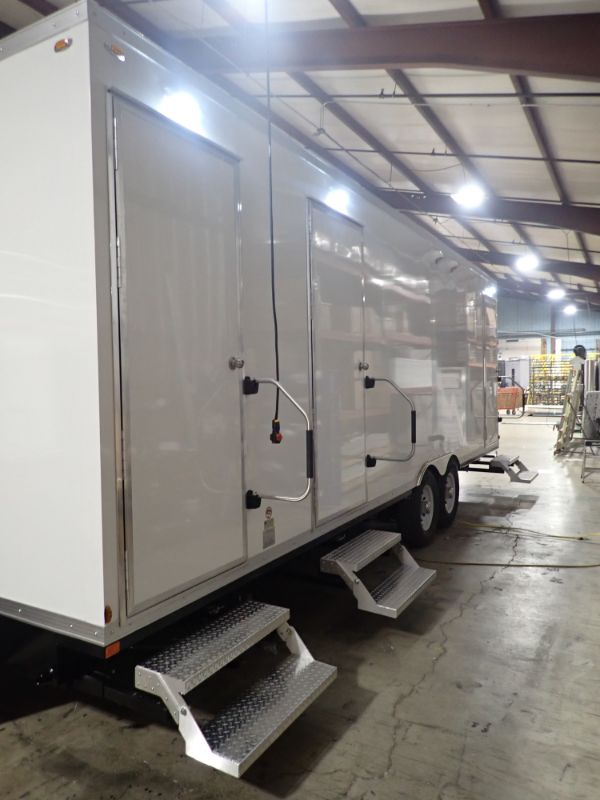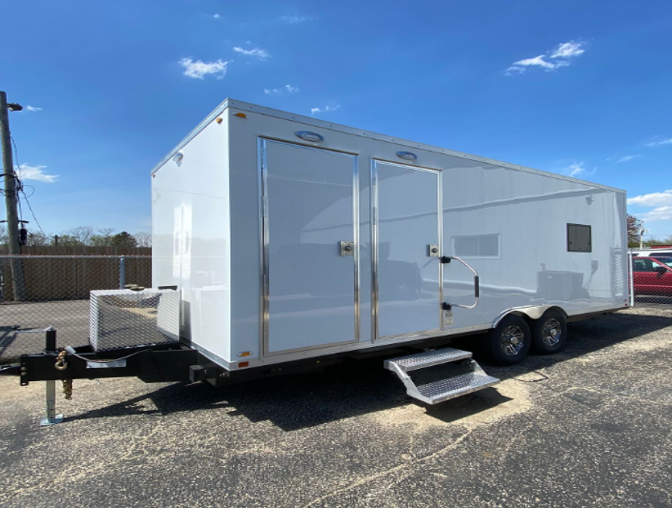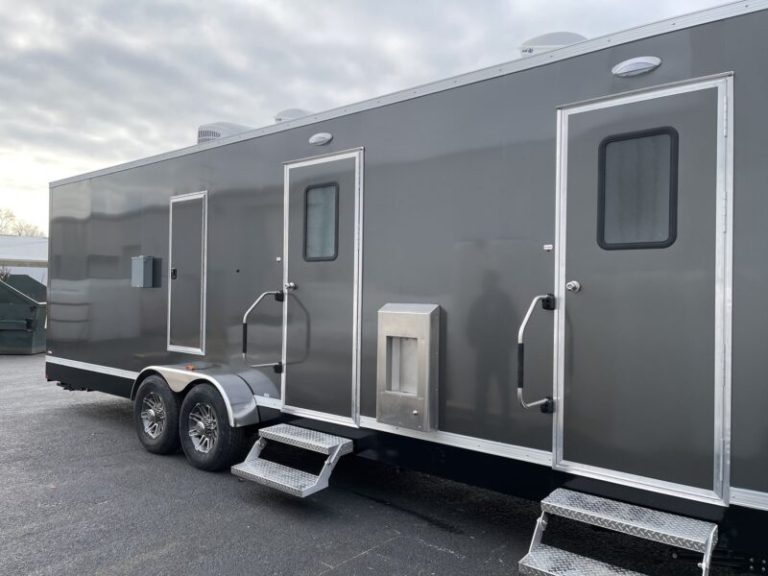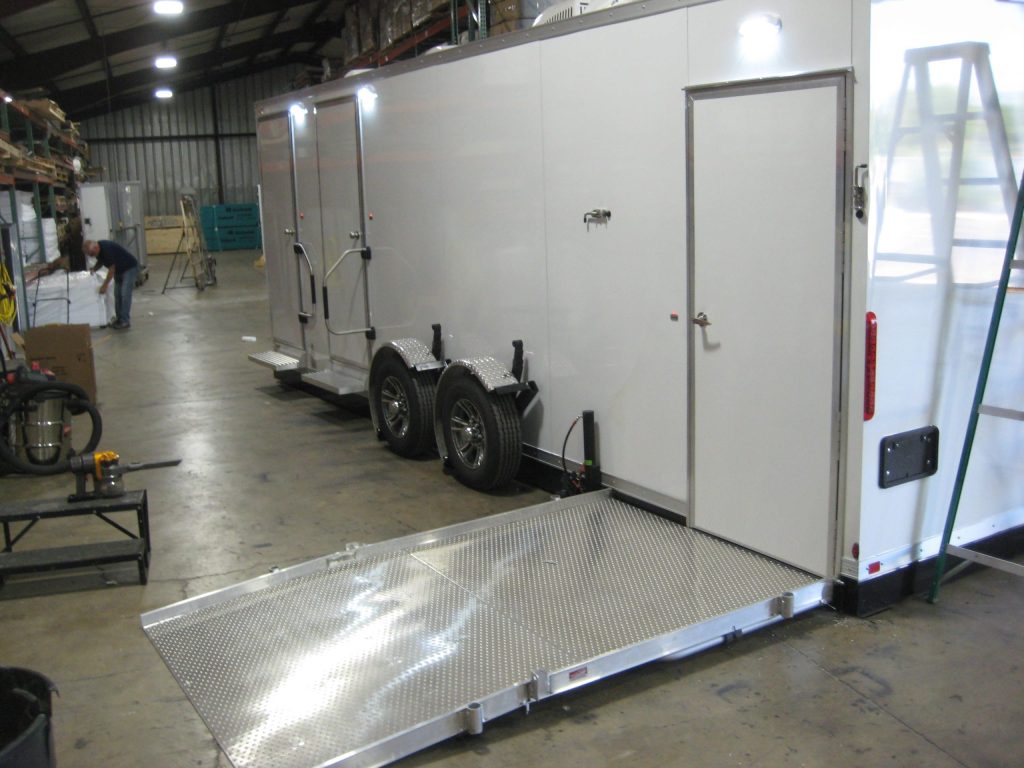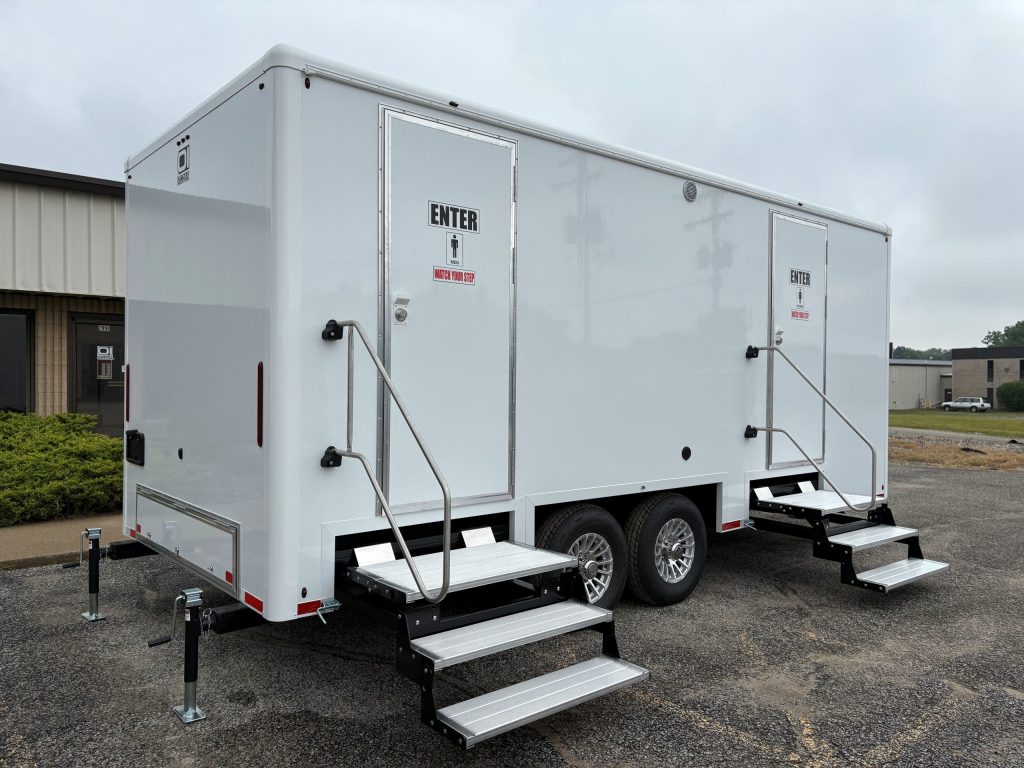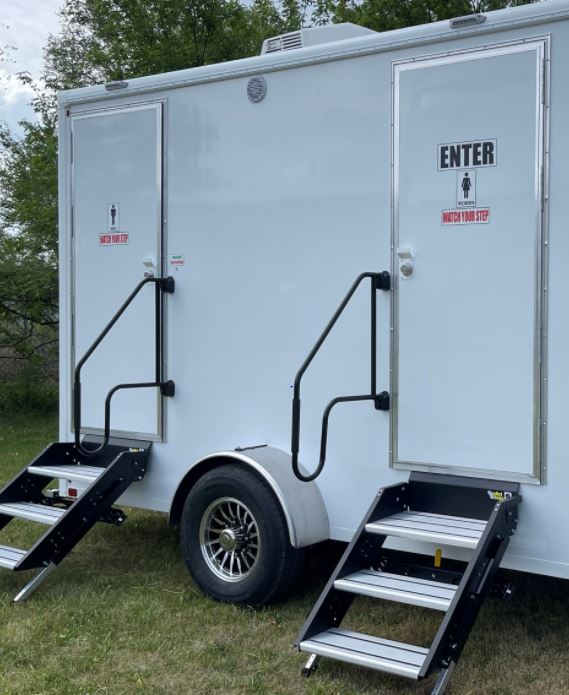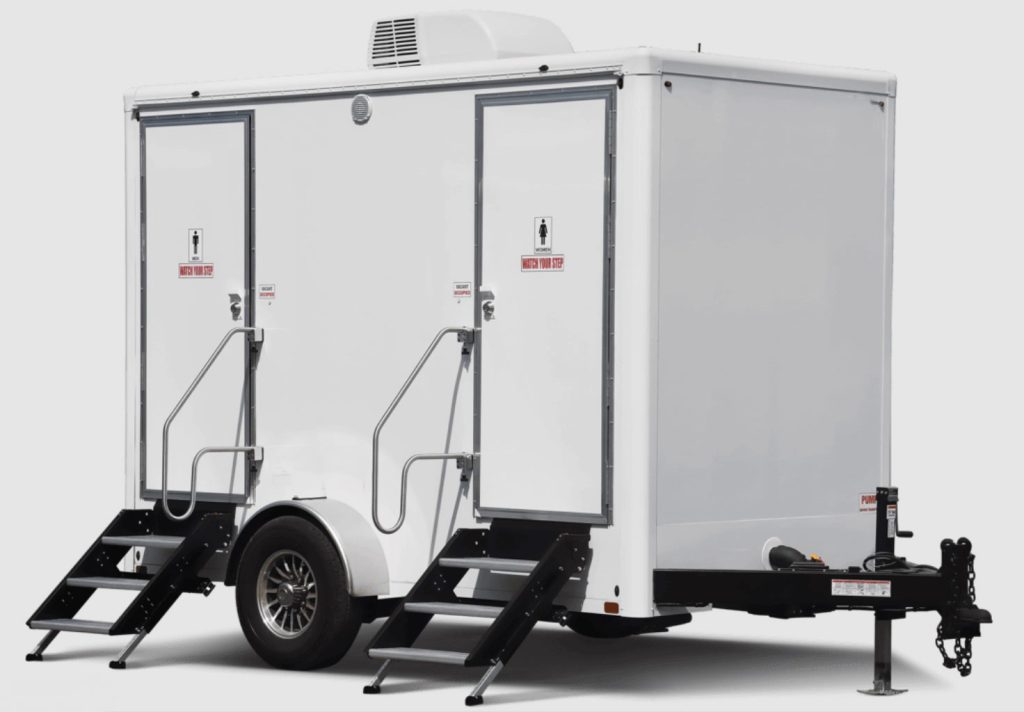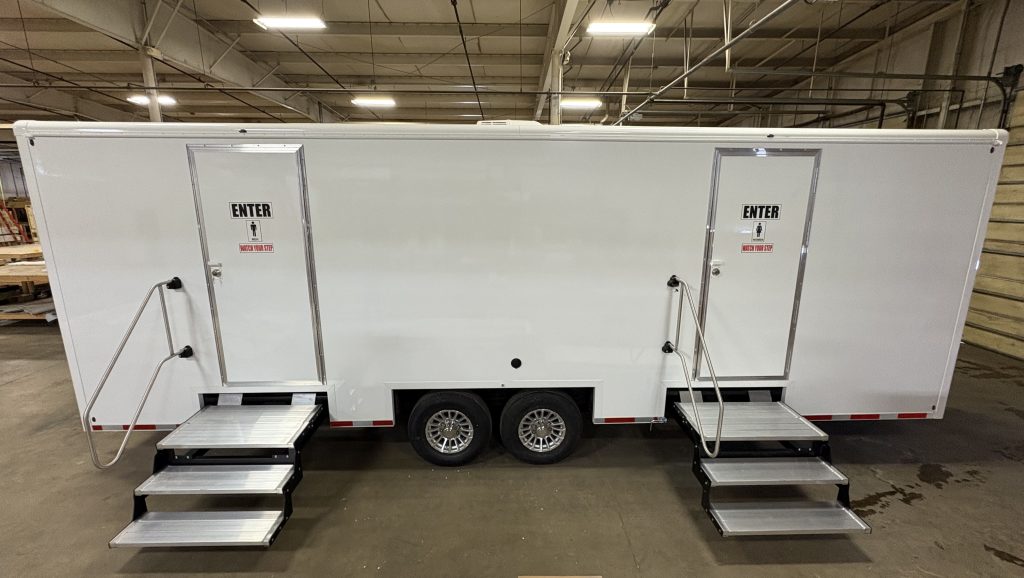
How Mobile Command Center Trailers Strengthen Emergency Response Operations
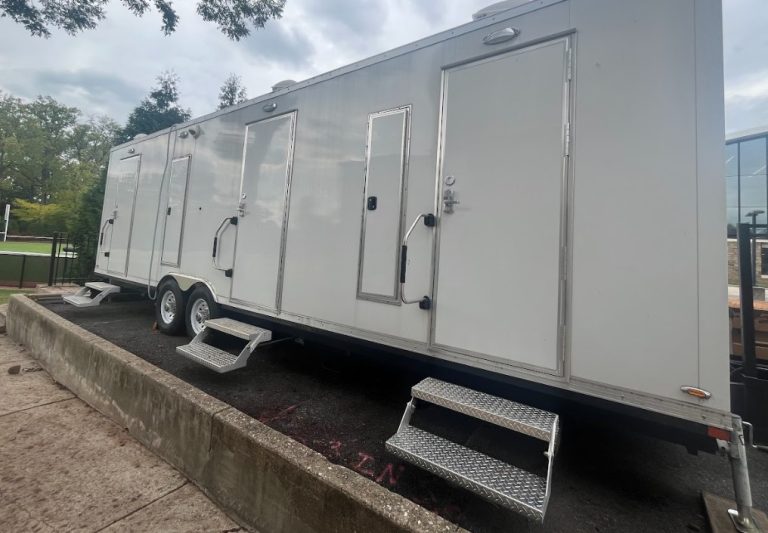
When natural disasters strike, coordination becomes the single most important factor in effective response. Hurricanes, wildfires, floods, and large-scale emergencies require rapid deployment, real-time communication, and centralized leadership in environments where infrastructure may be damaged or completely unavailable. Mobile command center trailers provide emergency teams with a secure, fully equipped operations hub that can be deployed directly to affected areas.
From disaster relief coordination to wildfire containment operations, these specialized trailers play a critical role in maintaining communication, organization, and operational control when it matters most.
Rapid Deployment in Critical Situations
Time is everything during emergency response. Mobile command centers are designed for quick mobilization and on-site setup, allowing agencies and organizations to establish operational headquarters within hours.
These units are commonly deployed for:
- Hurricane response and recovery efforts
- Wildfire containment operations
- Flood and storm damage assessment
- Large-scale disaster relief coordination
- Government and municipal emergency management
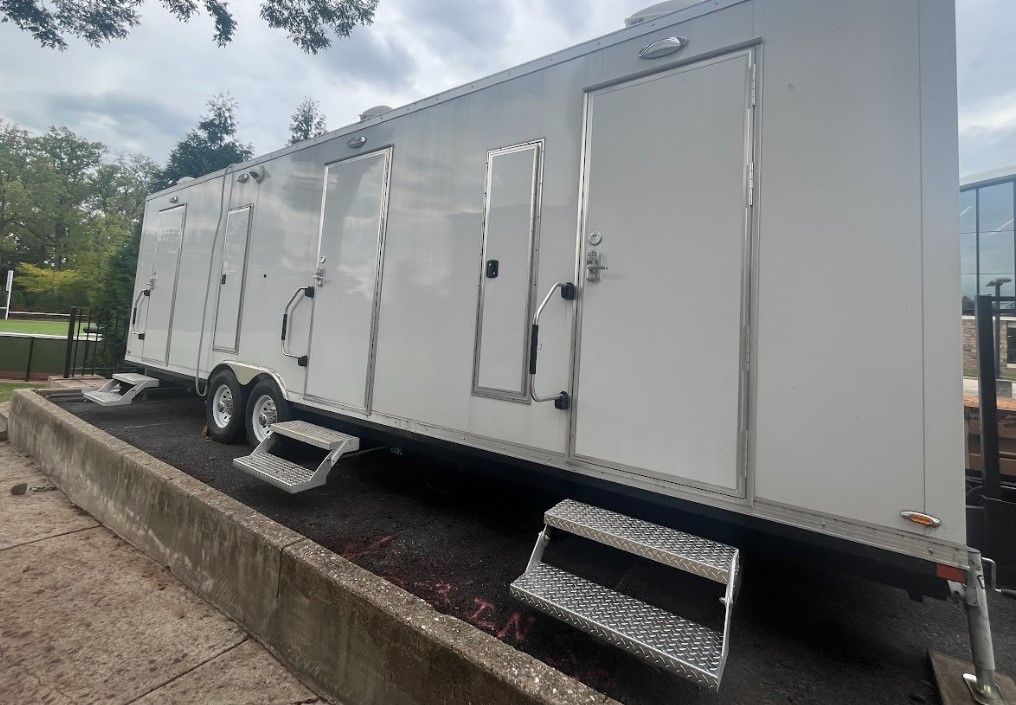
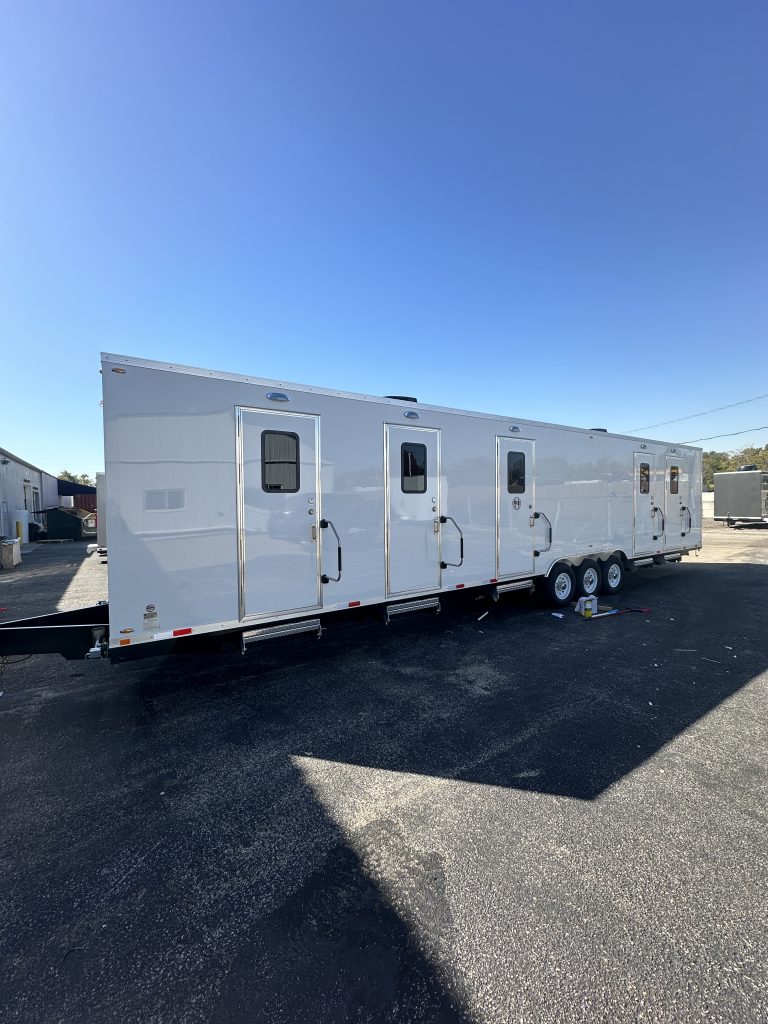
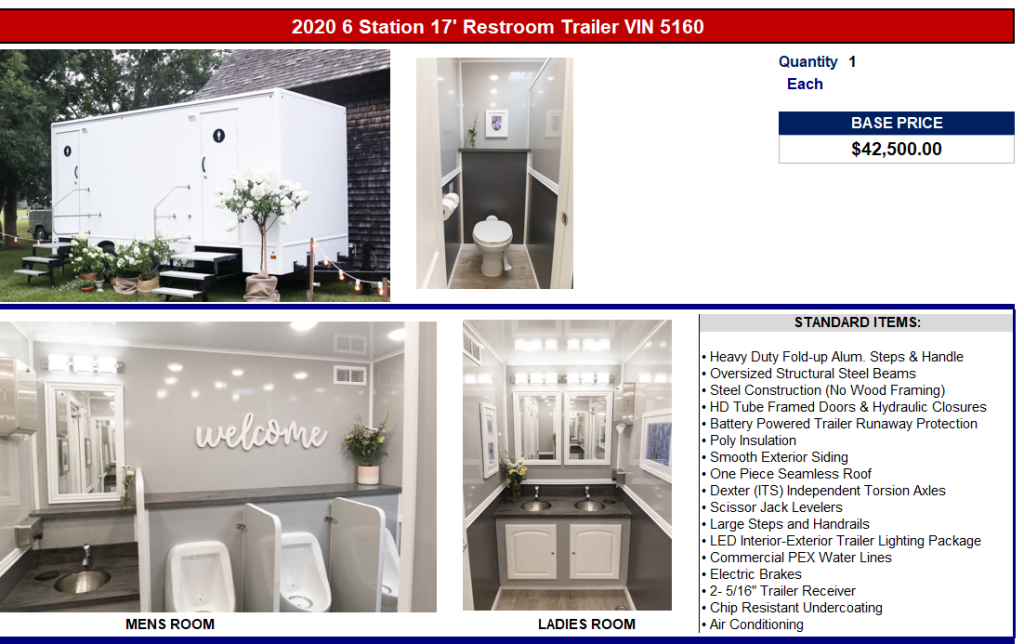
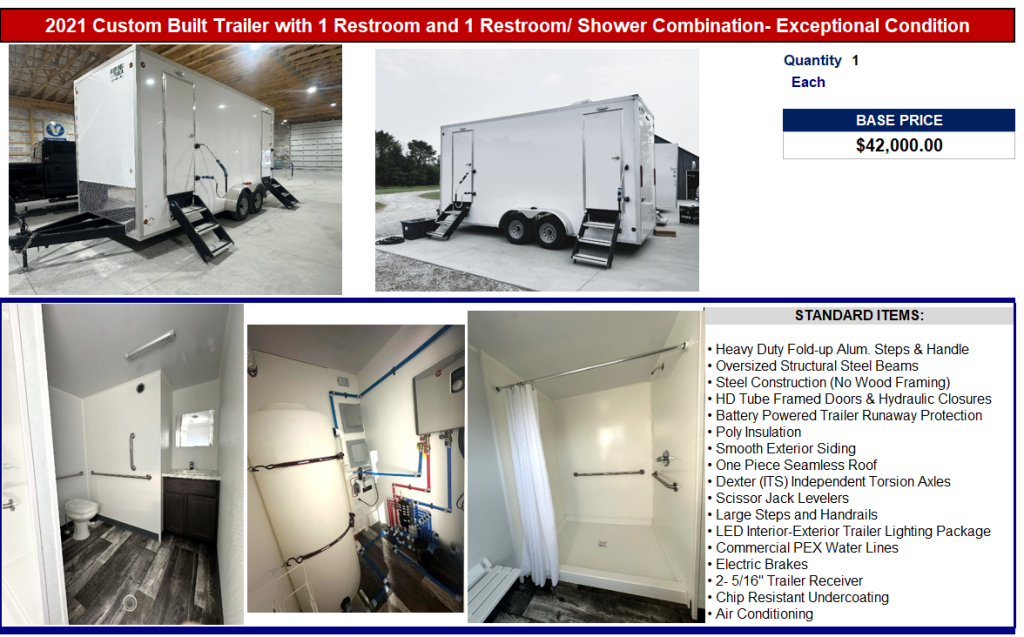
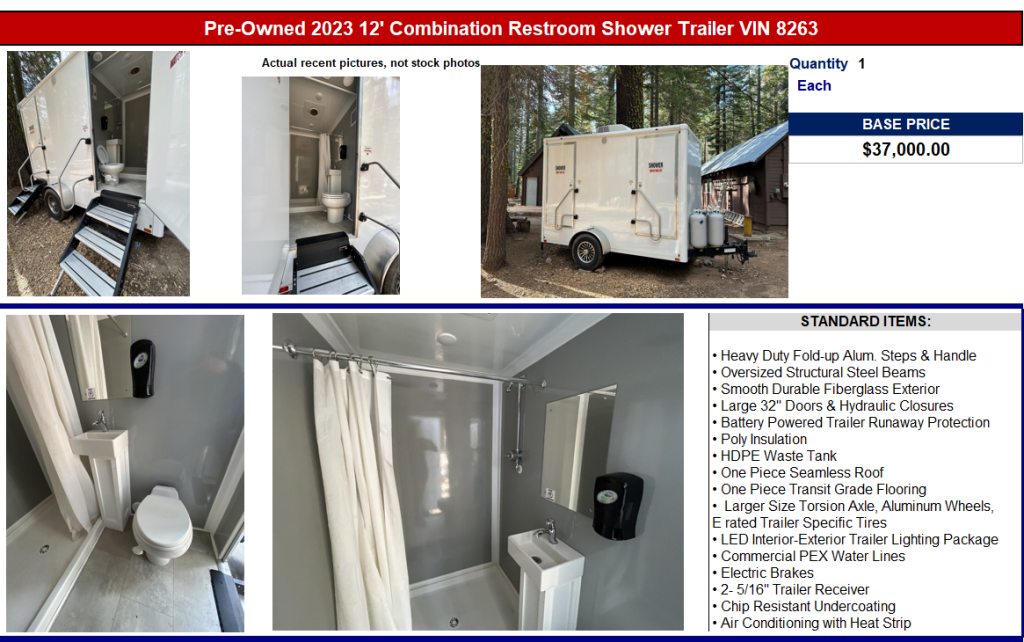
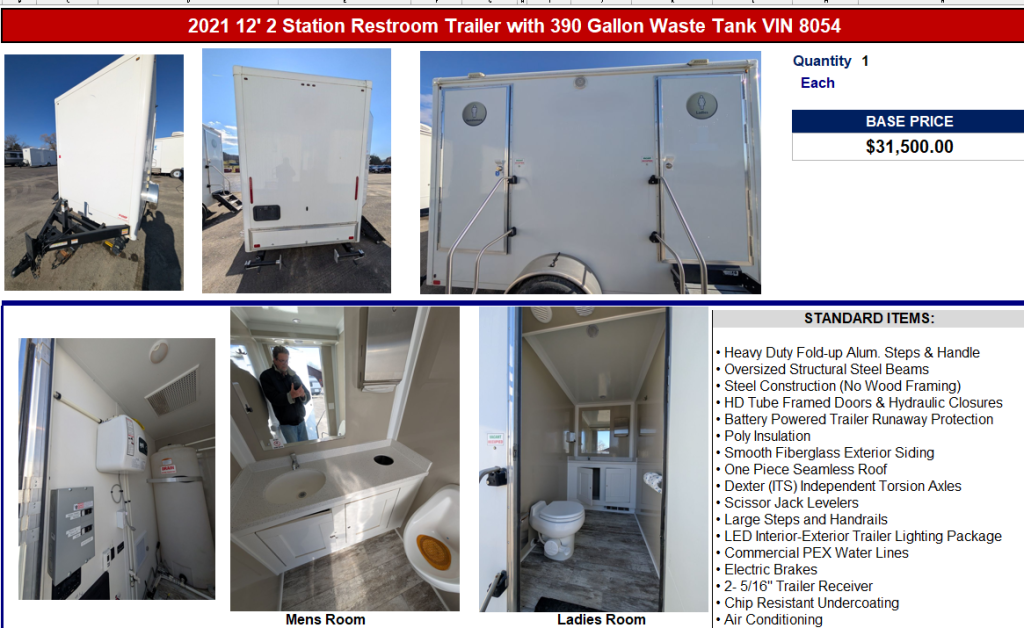
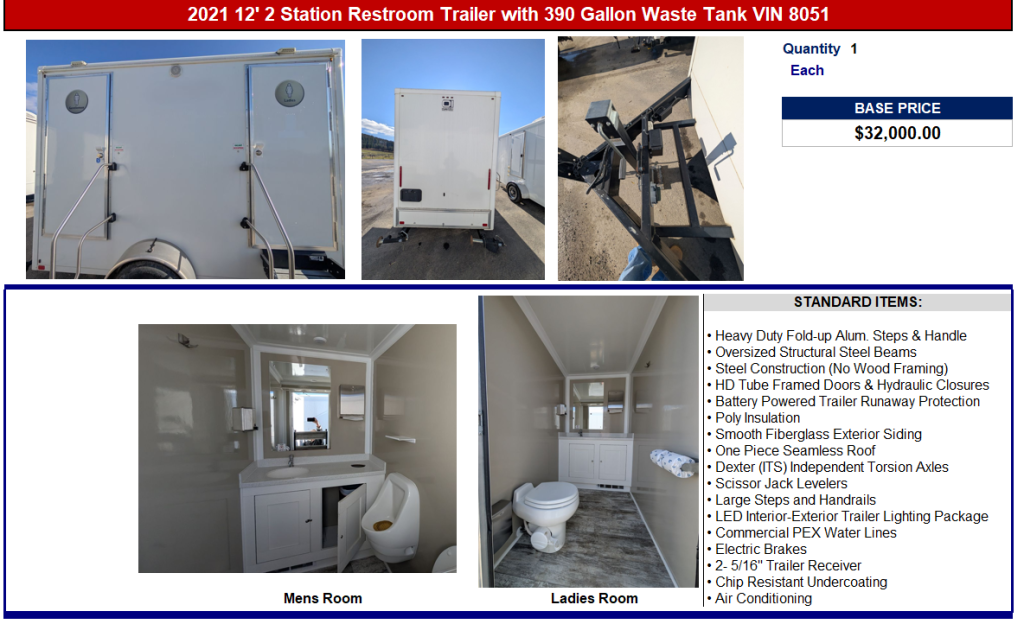
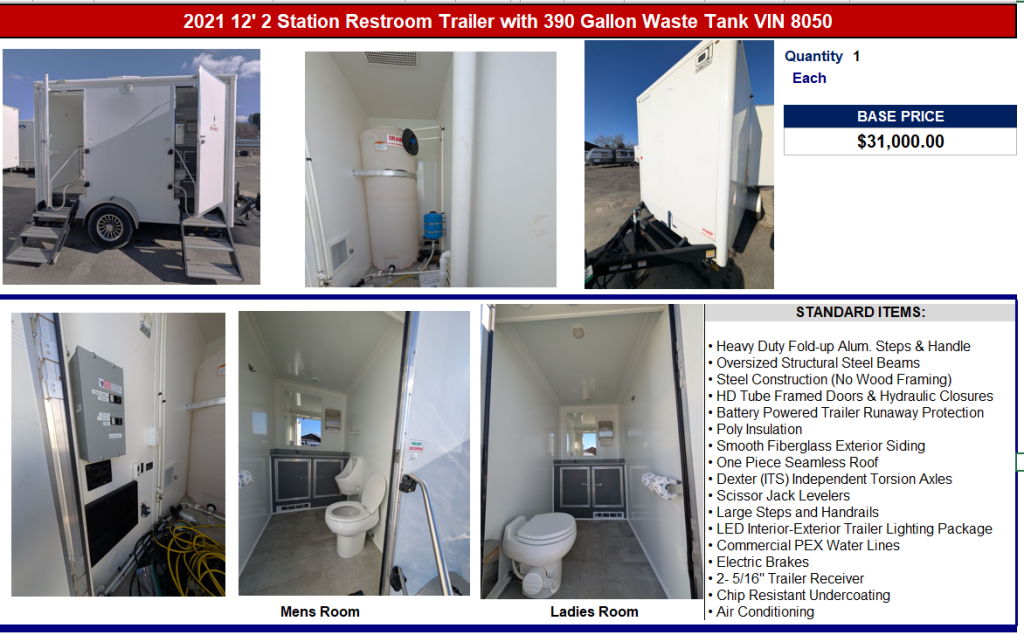
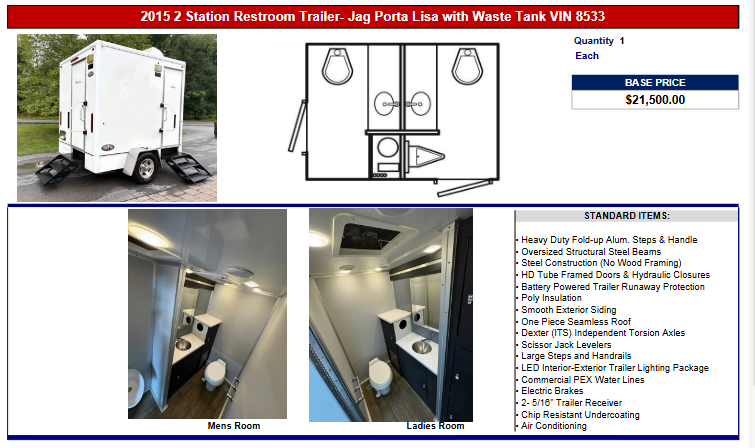
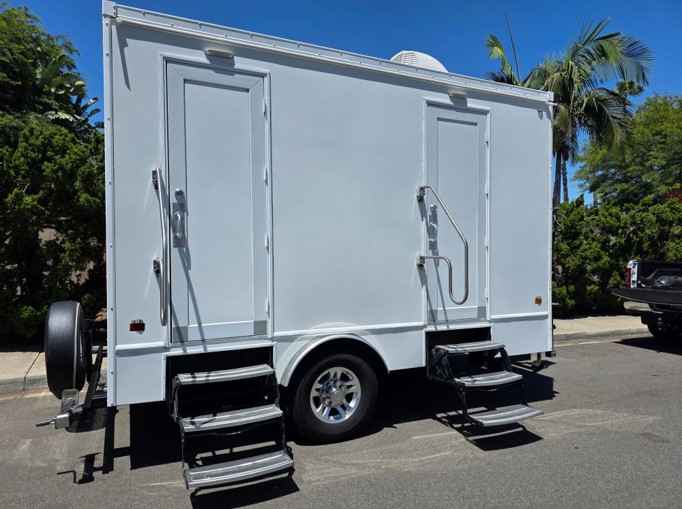
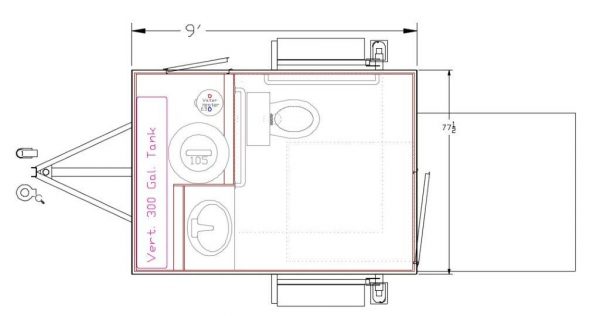
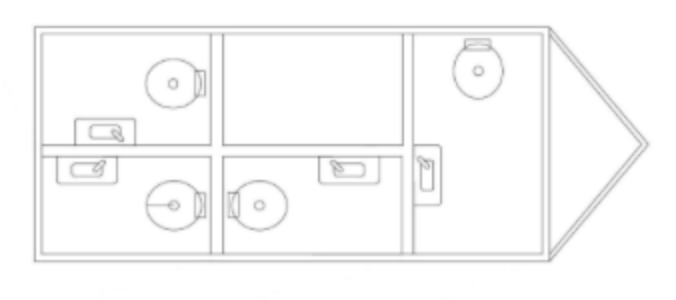
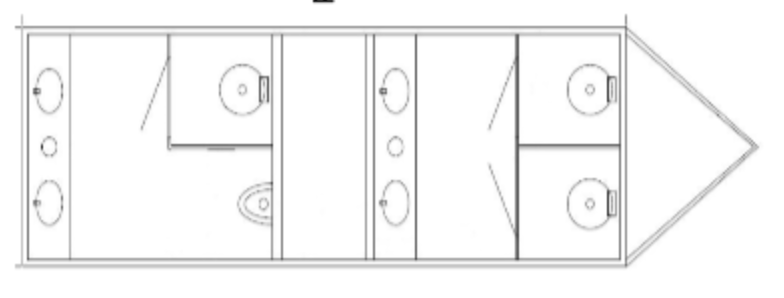
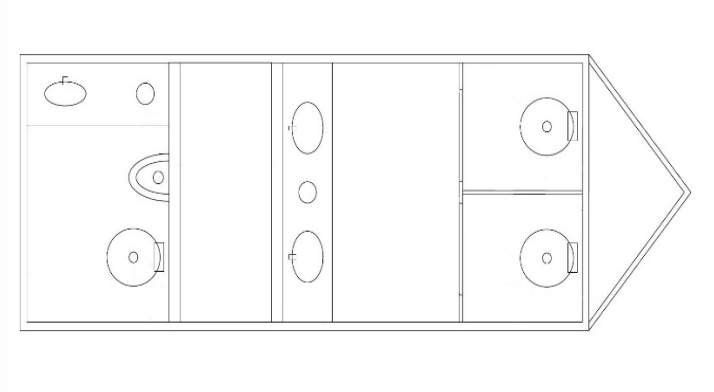
Organizations seeking turnkey emergency infrastructure often rely on specialized emergency site solutions that integrate command centers with sanitation, shower, and support trailers.
Rapid deployment ensures responders can begin coordinating resources immediately without waiting for permanent facilities to be restored.
Secure Communication & Operational Control
In disaster scenarios, traditional communication networks may be disrupted. Mobile command centers are equipped with integrated communication systems that support satellite connectivity, radio interoperability, secure data transmission, and real-time monitoring capabilities.
Key features often include:
- Satellite internet connectivity
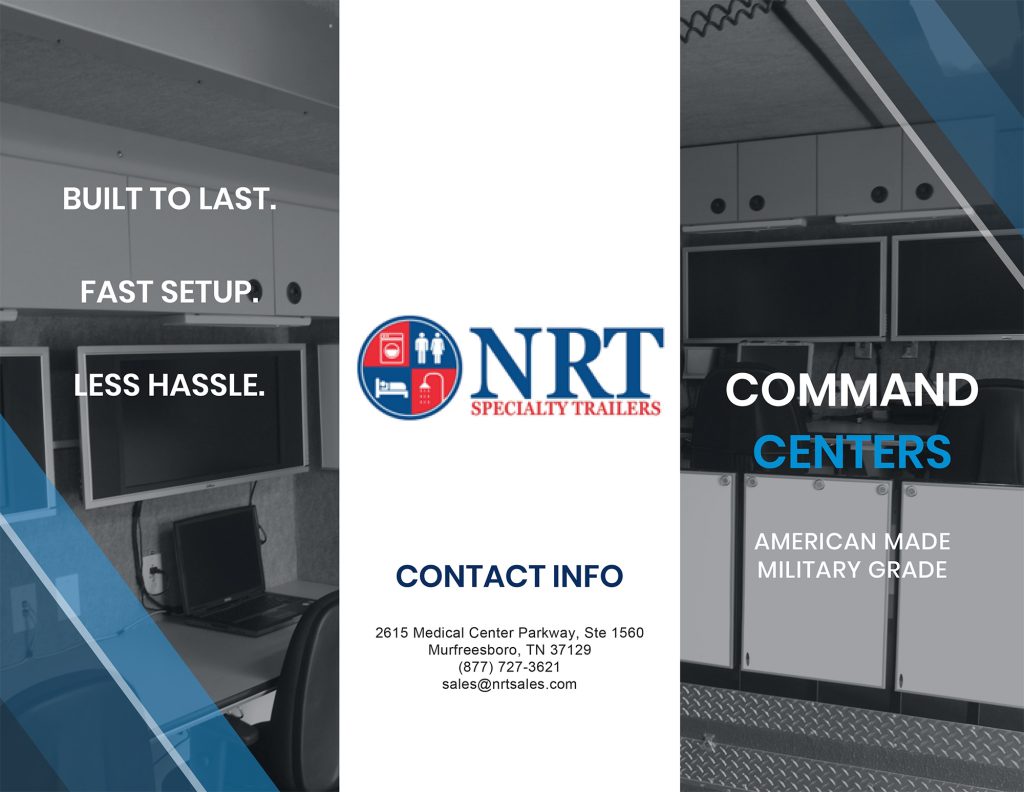
- Enclosed workstations for command staff
- Climate-controlled environments
- Integrated power distribution systems
- Video monitoring and mapping capabilities
- Secure storage for equipment and documentation
These capabilities allow agencies to coordinate logistics, track personnel, manage supply chains, and communicate across departments — even when local infrastructure is compromised.
Supporting Disaster Relief Operations
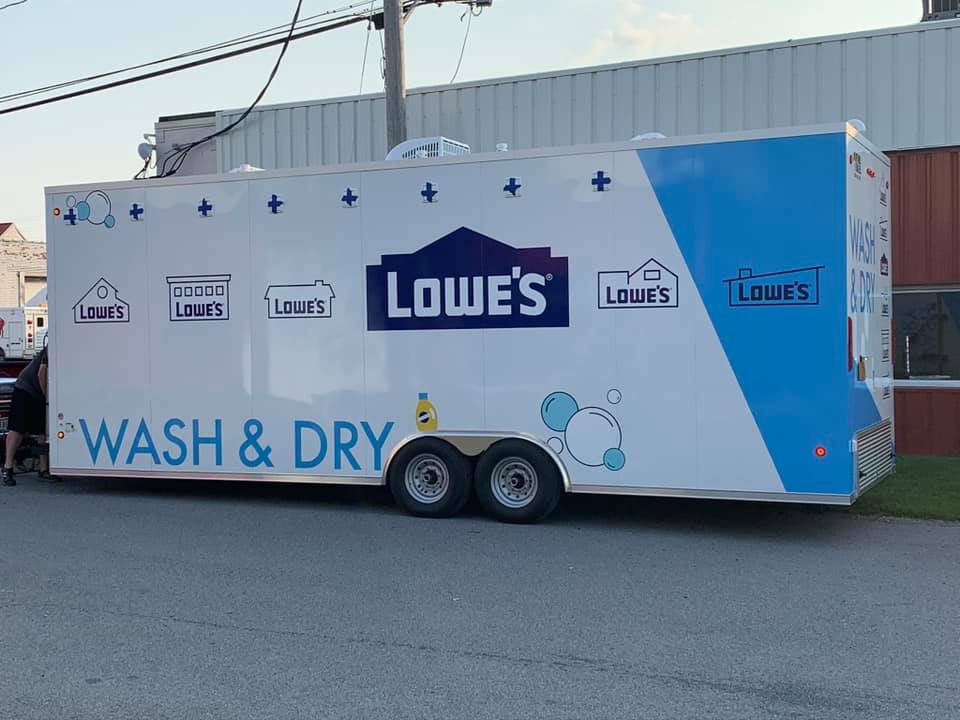
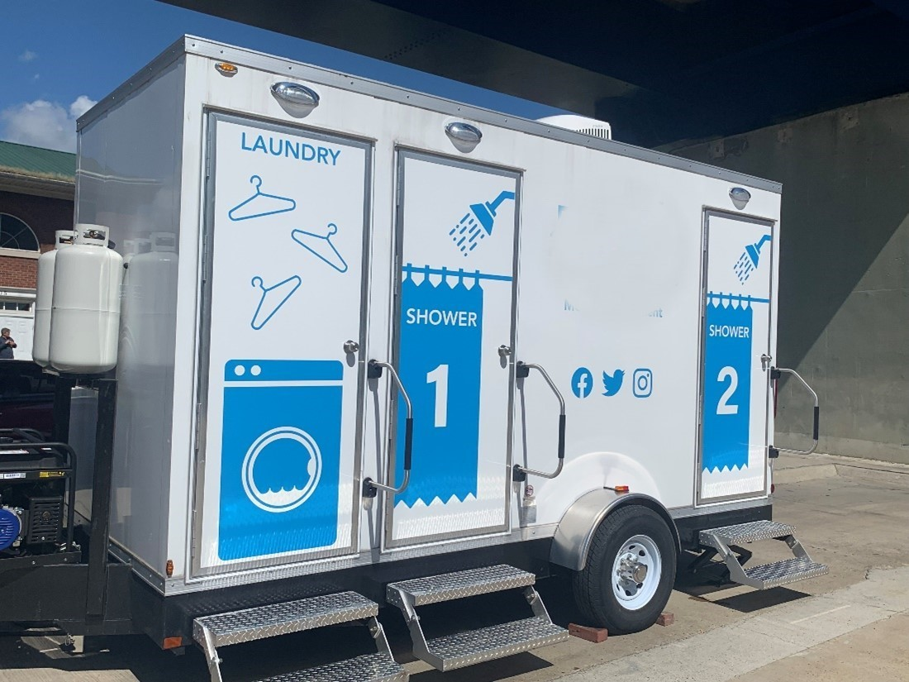
Beyond command and coordination, large-scale emergencies require support infrastructure for response teams. Disaster relief operations often include sanitation facilities, shower trailers, and mobile laundry units to maintain hygiene and operational readiness during extended deployments.
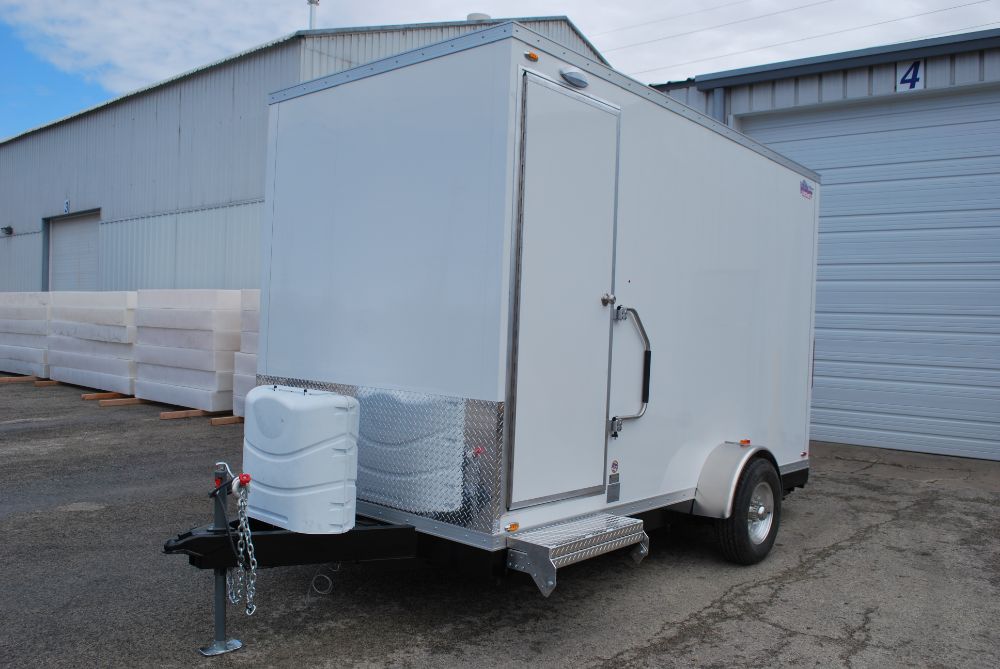
Integrated disaster relief trailer solutions provide a comprehensive approach, combining mobile command centers with support trailers designed for prolonged field operations.
This layered approach ensures responders have both operational headquarters and essential living support systems available on-site.
Wildfire Response & Remote Deployment
Wildfire emergencies often occur in remote or rugged environments where permanent facilities are unavailable. Mobile command centers designed for wildfire relief operations provide centralized coordination points for fire departments, emergency management agencies, and interagency response teams.
These units allow responders to:
- Coordinate suppression strategies
- Monitor weather and fire movement
- Manage multi-agency communication
- Conduct safety briefings
- Maintain secure documentation and reporting
In rapidly evolving wildfire conditions, having a mobile, climate-controlled command hub significantly enhances situational awareness and operational efficiency.
Built for Durability & Long-Term Deployment
Disaster response environments are unpredictable. Command center trailers must be built with durability and reliability in mind to operate under extreme weather conditions and continuous usage.
High-quality units are engineered with:
- Reinforced structural framing
- Weather-resistant exterior materials
- Heavy-duty electrical systems
- Backup power capabilities
- Efficient HVAC systems
This ensures continuous operation during prolonged emergencies where stability and reliability are critical.
A Strategic Asset for Emergency Management Agencies
Mobile command centers are not temporary conveniences — they are strategic assets. Government agencies, municipalities, emergency management departments, and large organizations rely on these units as part of long-term preparedness planning.
By investing in deployable infrastructure, agencies improve:
- Response times
- Interagency coordination
- Field efficiency
- Public safety outcomes
When disasters occur, having mobile command infrastructure already available can significantly reduce operational delays and increase overall effectiveness.
Mobile command center trailers provide the operational backbone for disaster response efforts across the country. From hurricane and flood recovery to wildfire containment and large-scale emergency coordination, these deployable units enable secure communication, centralized leadership, and rapid response in environments where traditional infrastructure may not exist.
By integrating command centers with comprehensive emergency trailer solutions, agencies can ensure they are fully prepared to respond efficiently, safely, and effectively when emergencies arise.
To learn more about available configurations and deployment-ready solutions, contact NRT Sales to explore mobile command center trailers designed for disaster response operations nationwide.
Frequently Asked Questions About Mobile Command Centers for Disaster Response
What is a mobile command center trailer used for during disasters?
A mobile command center trailer serves as a centralized operations hub during emergencies. It allows response teams to coordinate personnel, manage logistics, monitor communications, and maintain secure data systems directly at the disaster site.
How quickly can a mobile command center be deployed?
Most mobile command center trailers are designed for rapid deployment and can be operational within hours of arrival. Setup time depends on site conditions, power access, and communication configuration requirements.
What features are included in a disaster response command trailer?
Disaster response command trailers typically include climate-controlled workstations, satellite communication systems, radio interoperability, secure storage, integrated power distribution, and monitoring equipment for field coordination.
Are mobile command centers used for wildfire response?
Yes. Mobile command centers are frequently deployed during wildfire operations to coordinate suppression efforts, manage multi-agency communication, track fire movement, and conduct safety briefings in remote locations.
Can mobile command centers support long-term disaster relief operations?
High-quality mobile command trailers are built for extended deployments. They are constructed with reinforced framing, weather-resistant materials, backup power systems, and durable HVAC units to ensure reliable performance throughout prolonged emergency situations.