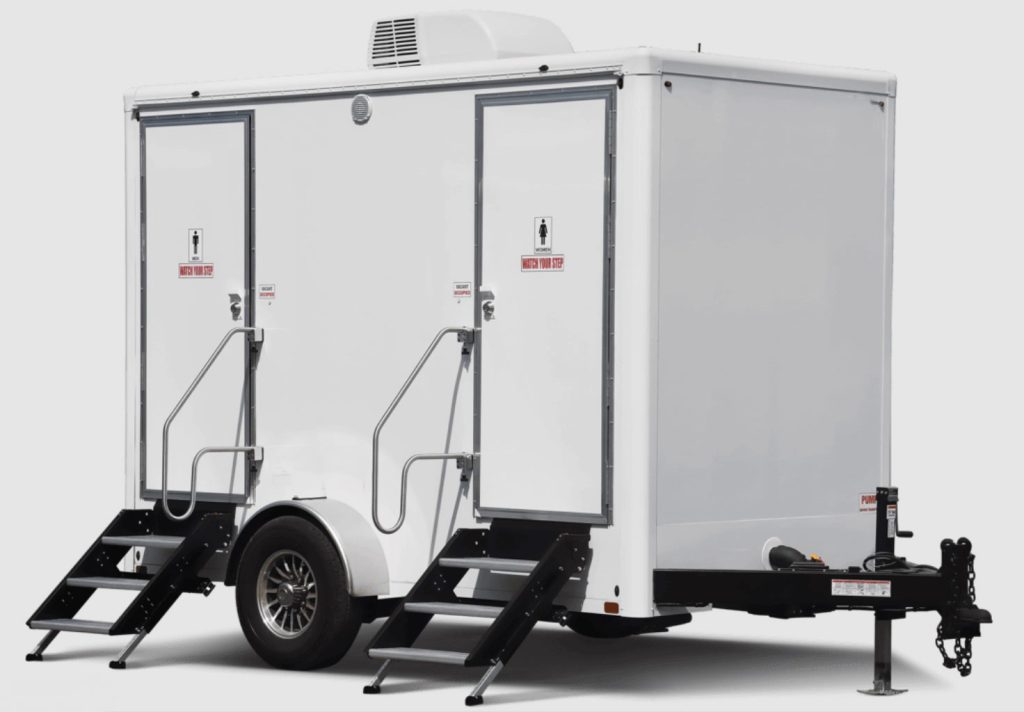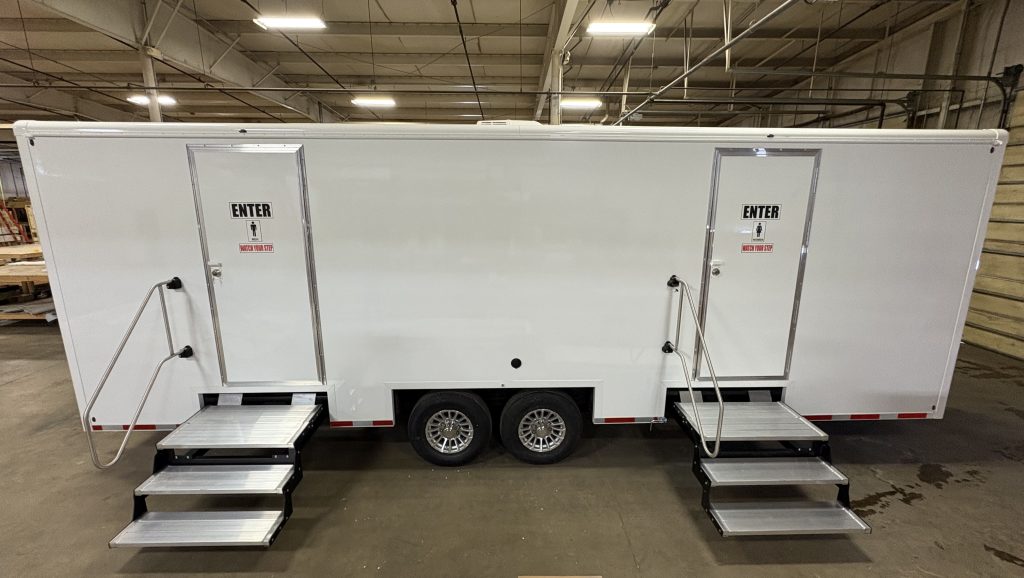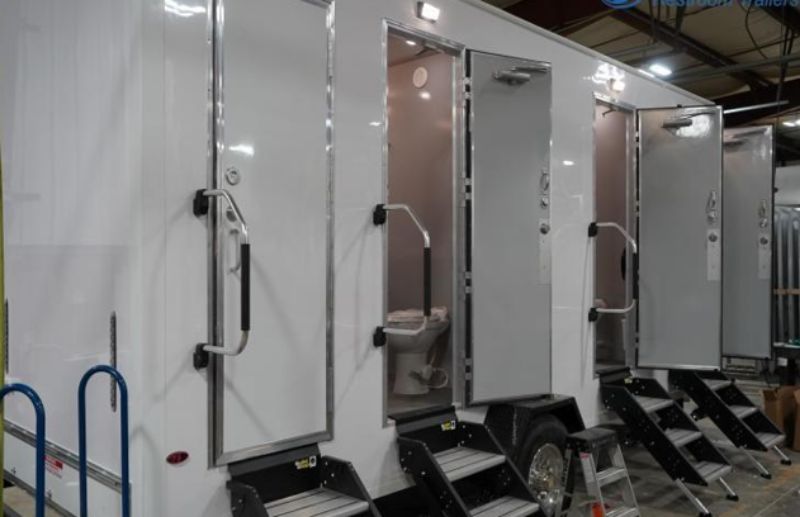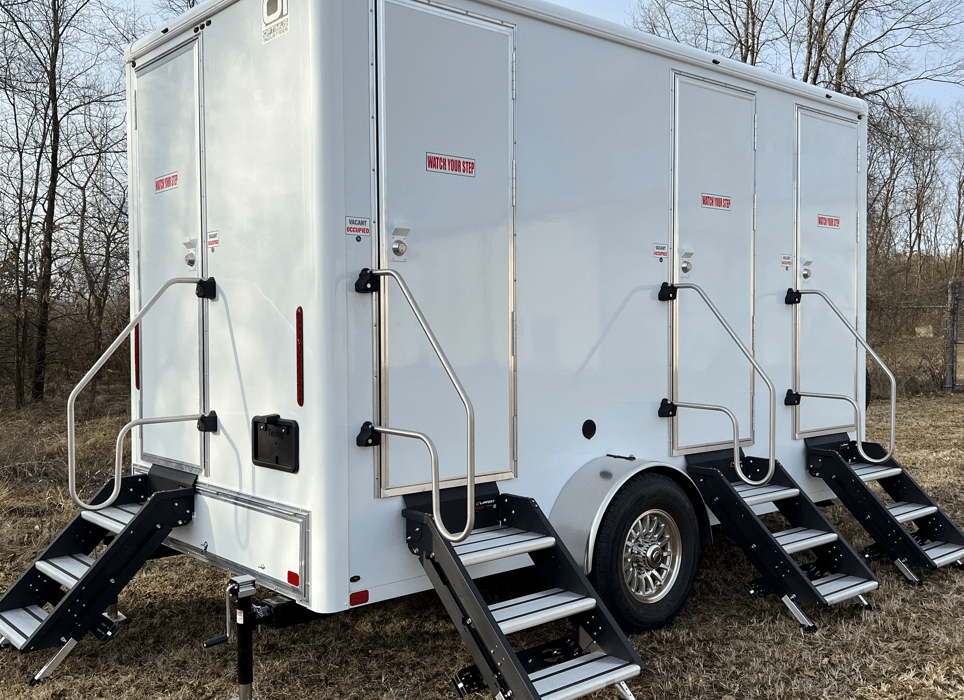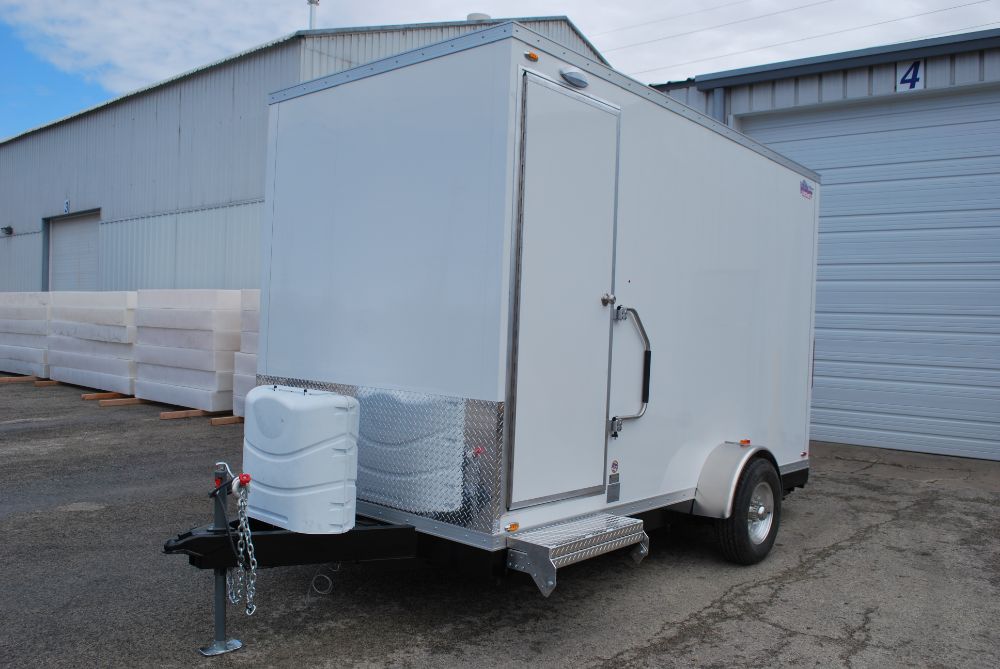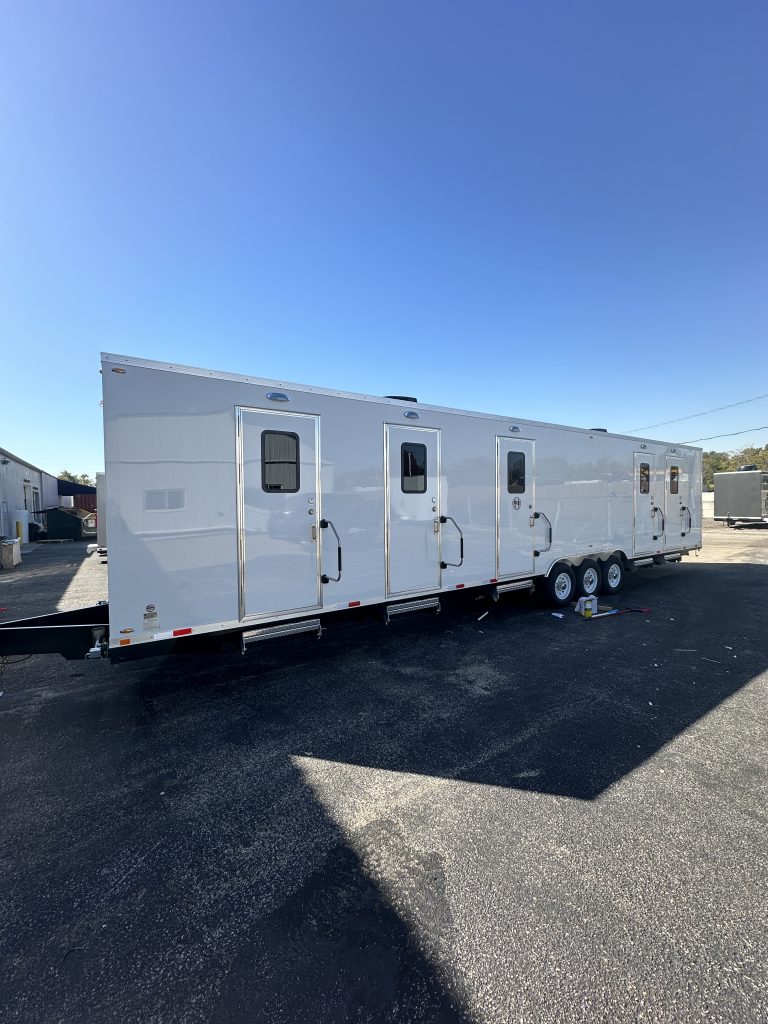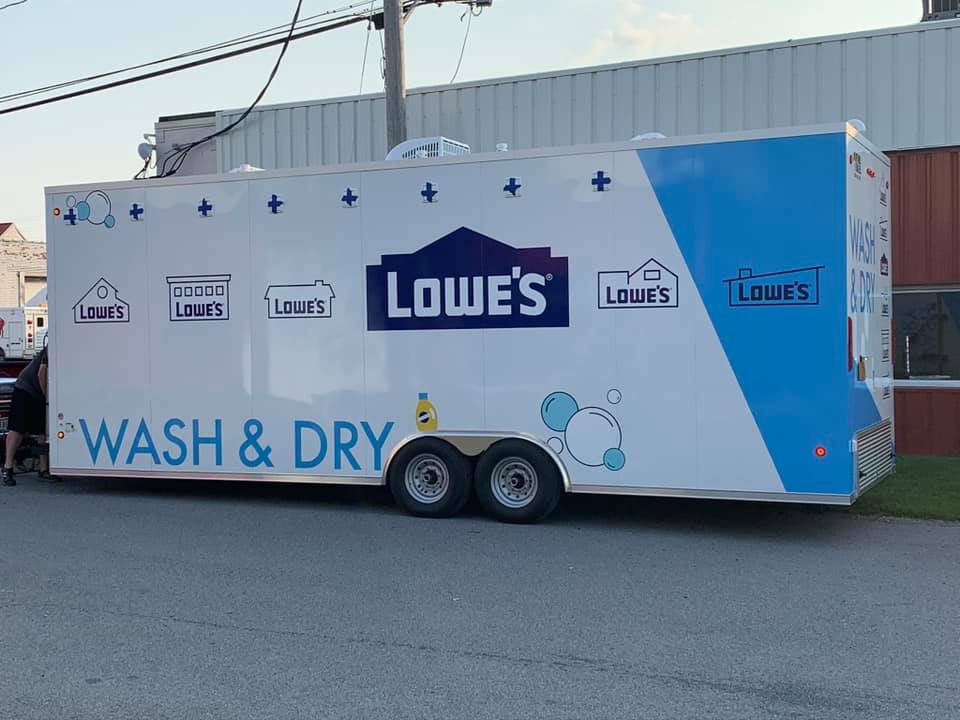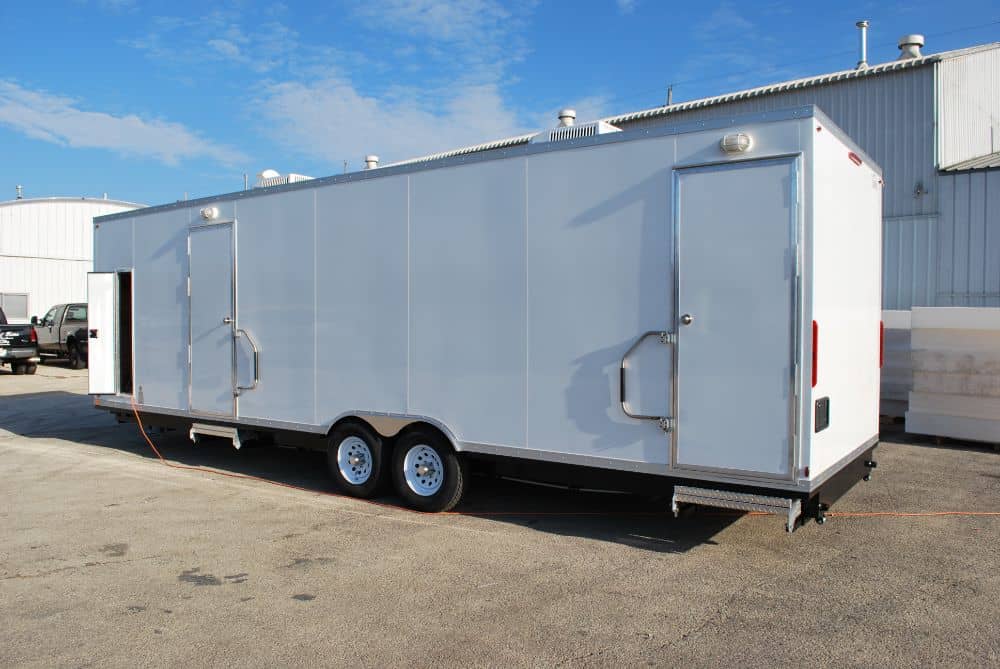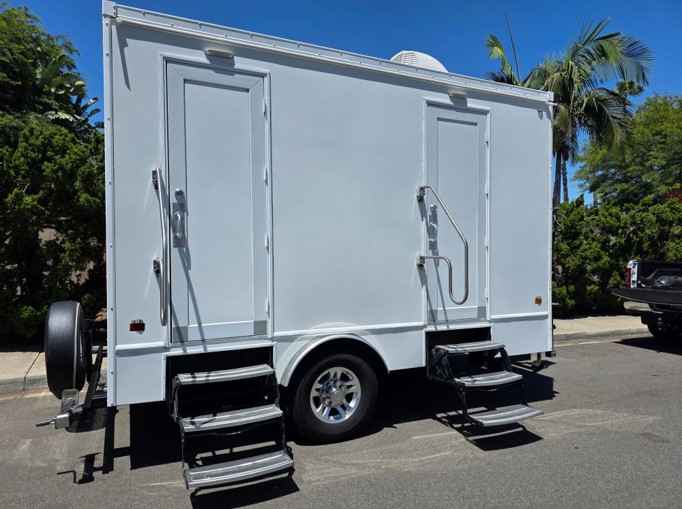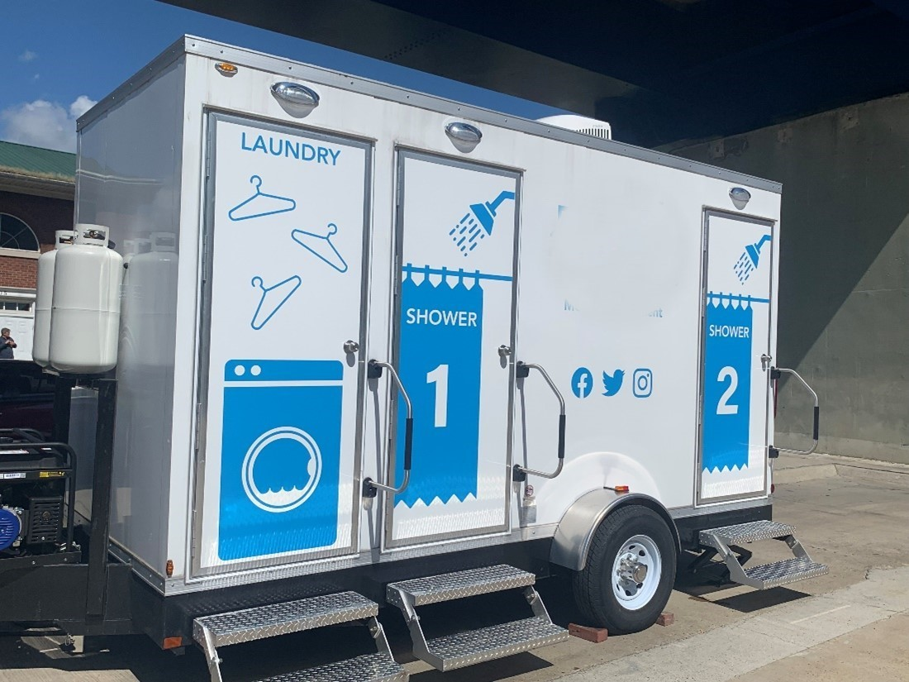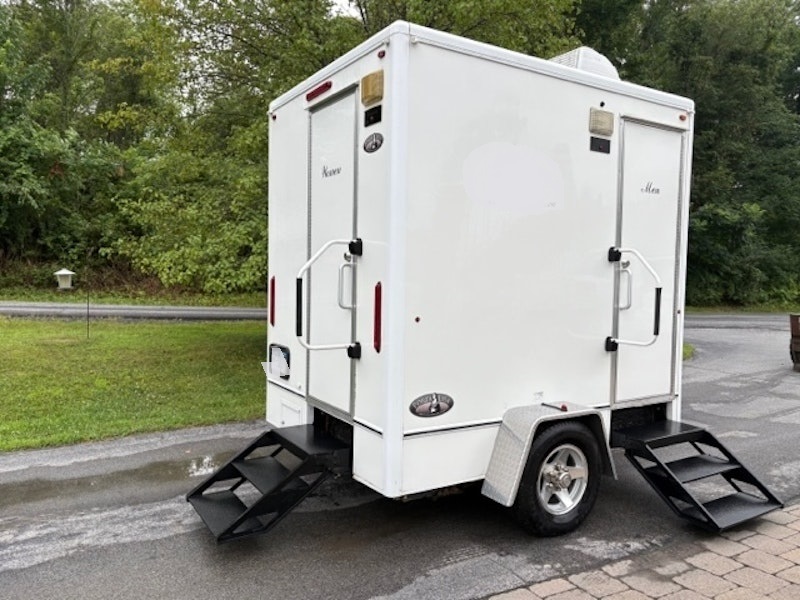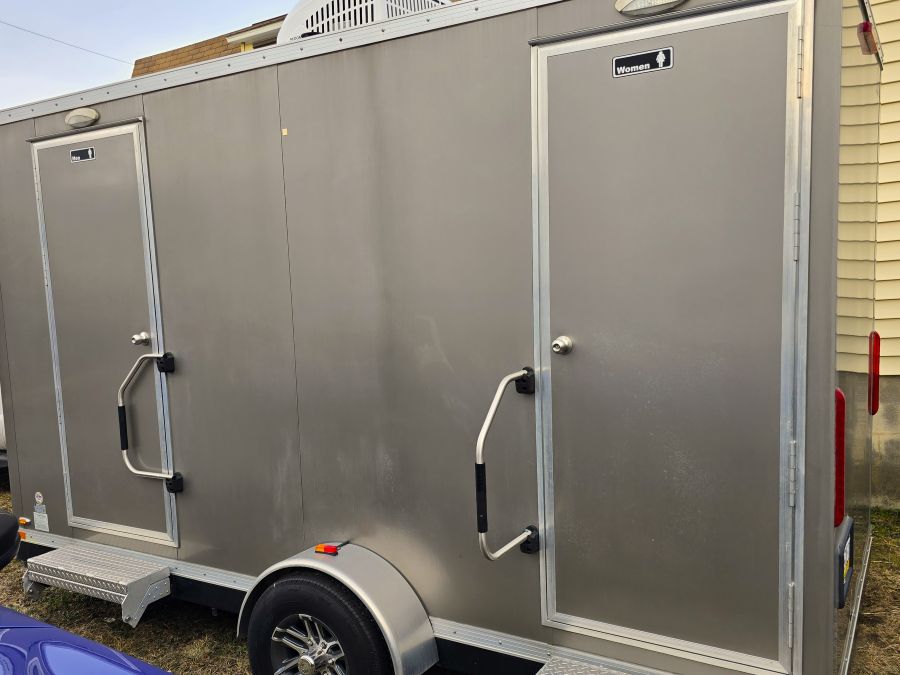
Mobile Sleeper & Crew Lodging Trailers
Mobile Sleeper & Crew Lodging Trailers
Sleeping Units & Crew Accommodations for Construction, Disaster Response & Remote Operations
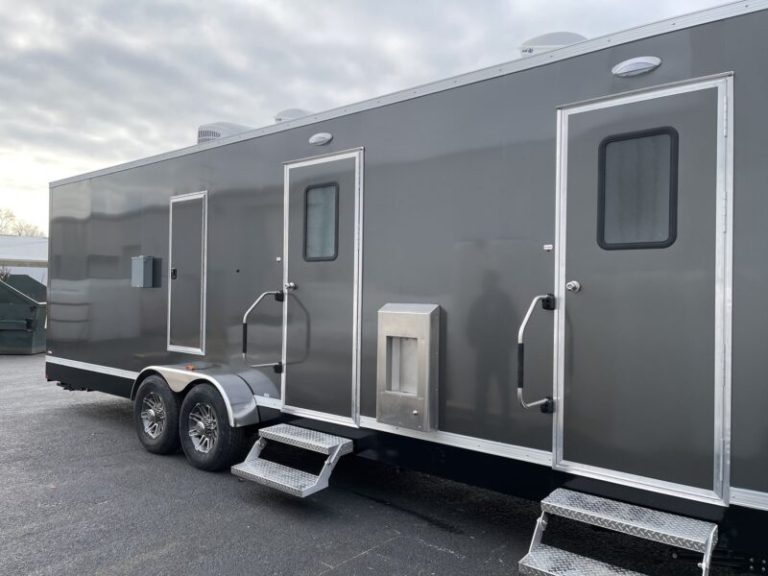
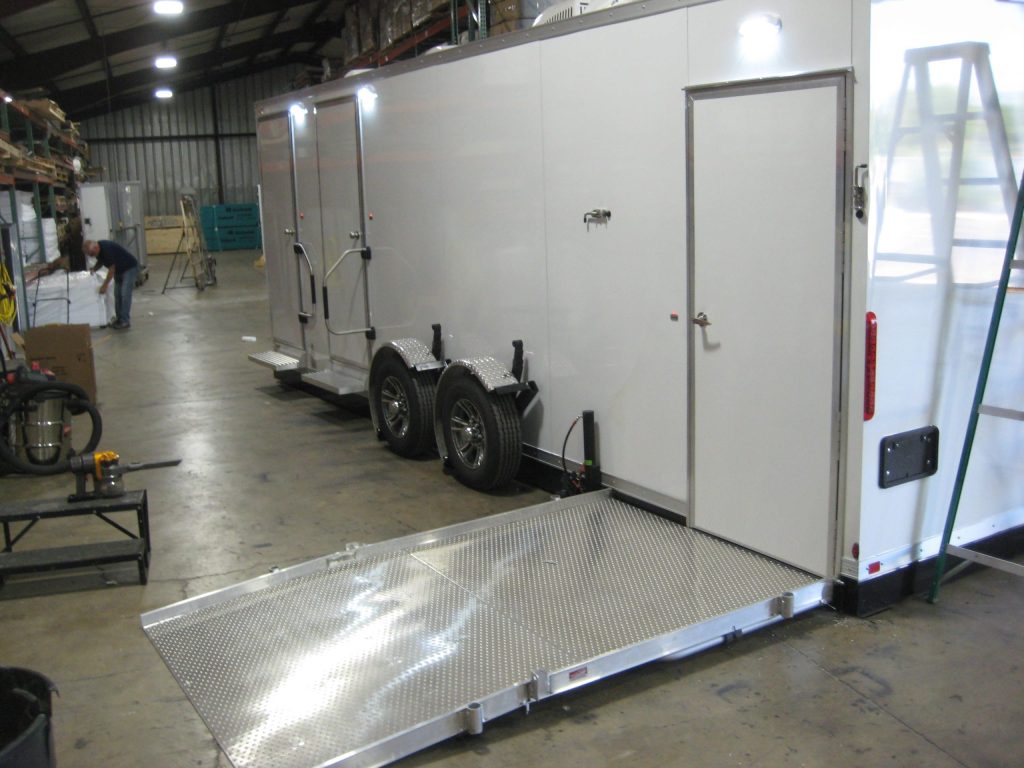
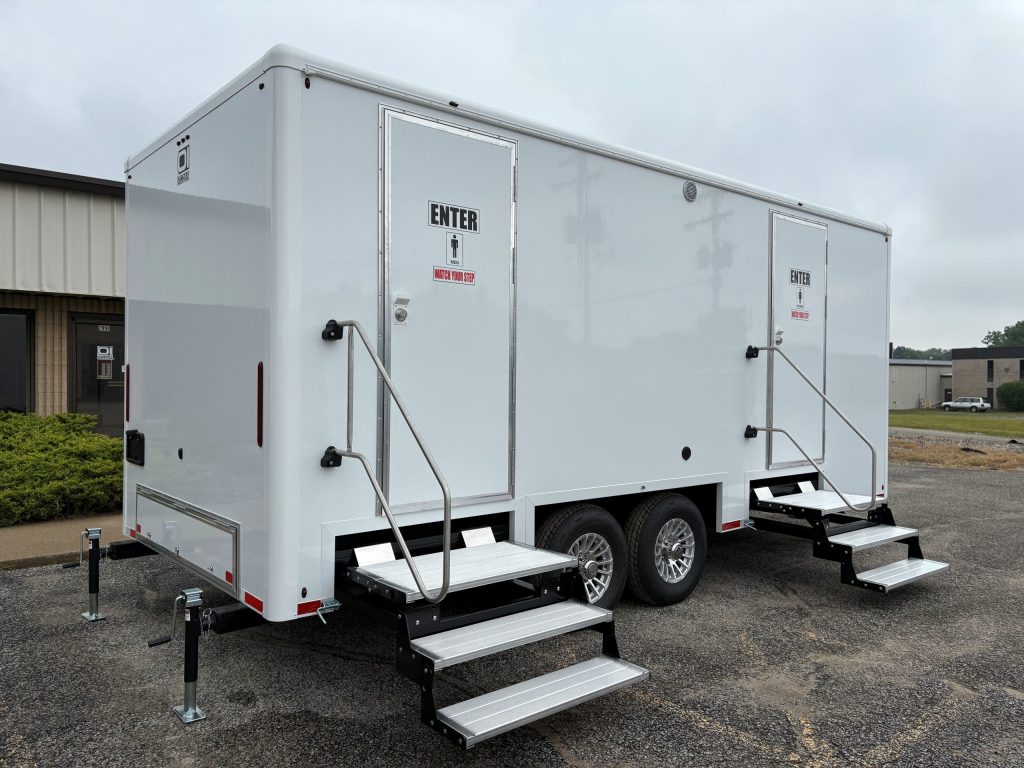
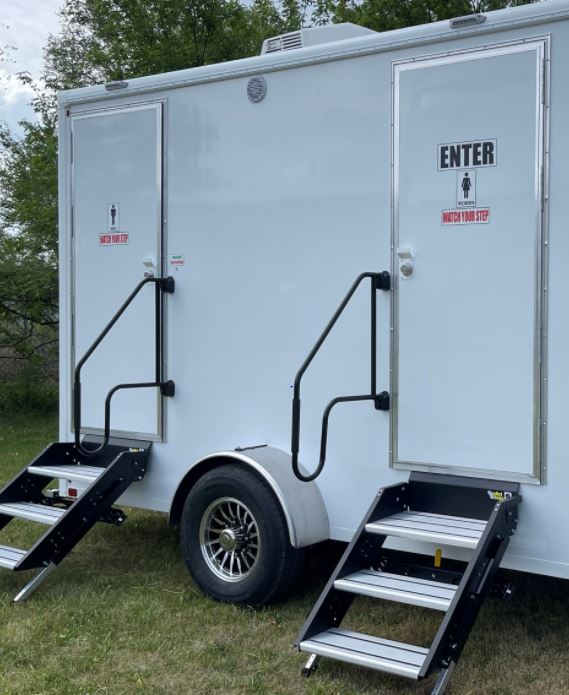
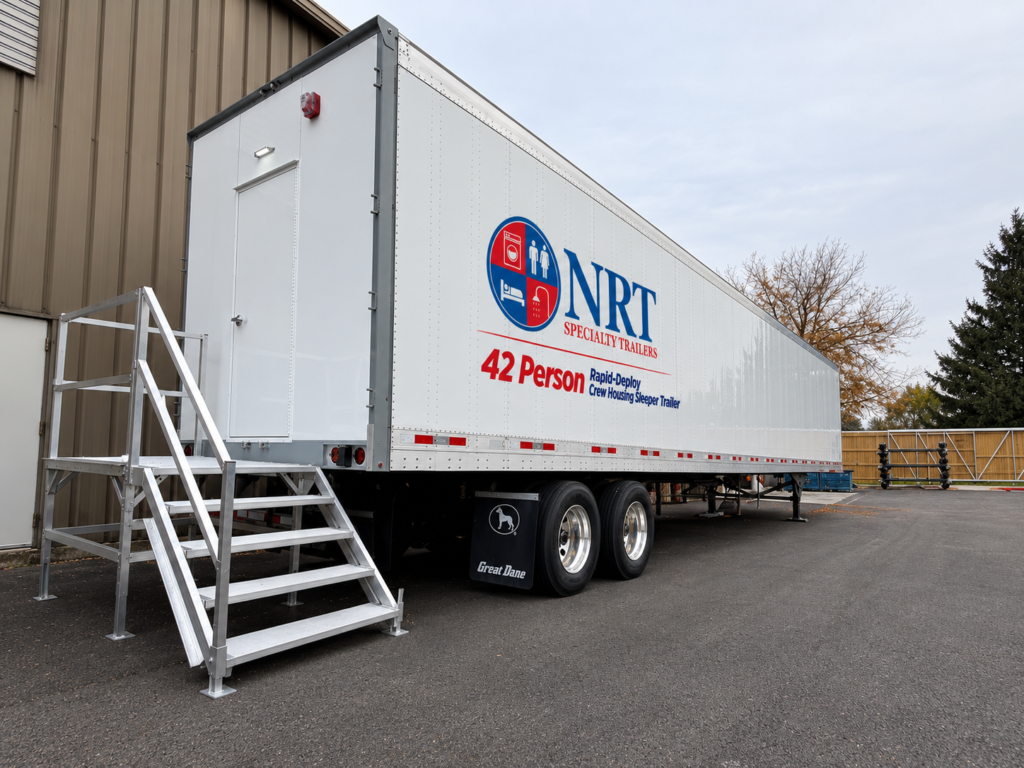
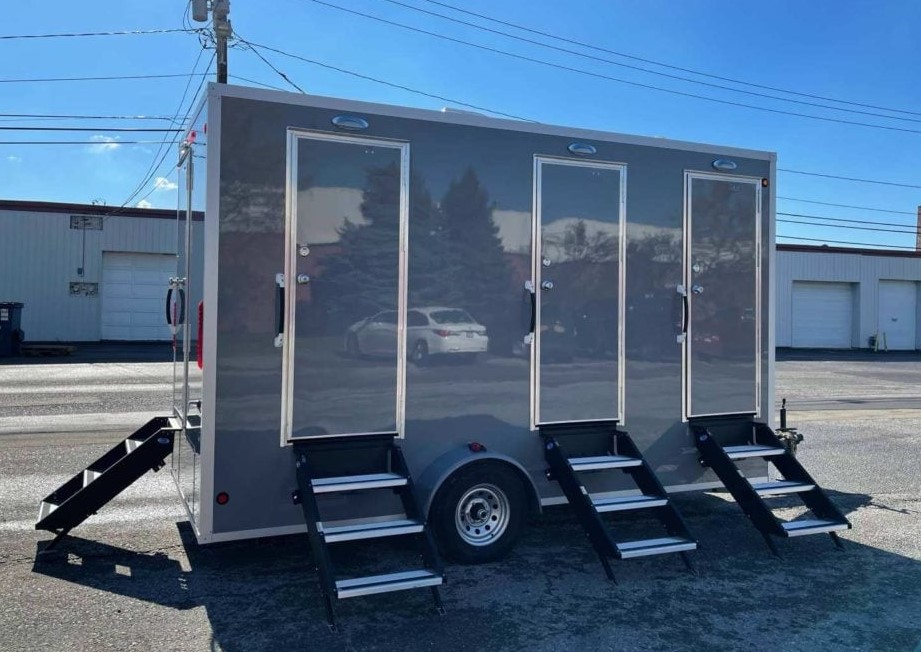
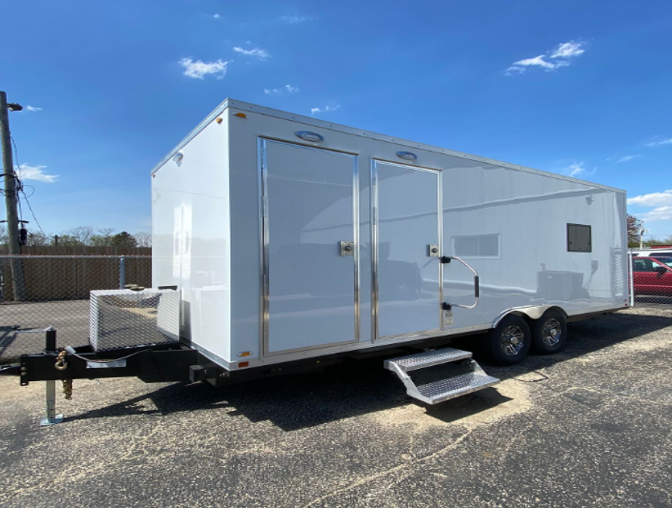
NRT mobile sleeper trailers give crews a place to rest when the job is far from the nearest hotel — construction sites, disaster zones, wildfire camps, and remote projects where lodging isn’t an option. Built with bunk accommodations, climate control, and off-grid-capable power, our sleeper units keep crews rested and on-site through extended deployments. Available new, custom-built, or certified pre-owned, and delivered and set up nationwide from our Tennessee and New York facilities.
Request A QuoteRest and Recovery for Crews on Extended Operations
When work happens far from town, crew lodging becomes part of the operation. Mobile sleeper trailers put rest where the work is — eliminating long commutes to off-site hotels, keeping crews on schedule, and giving personnel a climate-controlled place to recover between shifts. NRT mobile sleeper and crew lodging trailers are built for the conditions remote and emergency operations actually face, from construction camps to disaster response staging.
Who Uses Mobile Sleeper Trailers
Mobile sleeper units serve operations that put crews on-site for days, weeks, or full seasons:
Rest and Recovery for Crews on Extended Operations
When work happens far from town, crew lodging becomes part of the operation. Mobile sleeper trailers put rest where the work is — eliminating long commutes to off-site hotels, keeping crews on schedule, and giving personnel a climate-controlled place to recover between shifts. NRT mobile sleeper and crew lodging trailers are built for the conditions remote and emergency operations actually face, from construction camps to disaster response staging.
Who Uses Mobile Sleeper Trailers
Mobile sleeper units serve operations that put crews on-site for days, weeks, or full seasons:
- Construction and infrastructure crews — on-site lodging for remote builds, highway projects, and long-duration jobs
- Disaster response teams — responder housing at storm, flood, and recovery staging sites
- Wildfire and emergency crews — fire camp sleeping accommodations for extended incidents
- Energy, pipeline, and field operations — crew quarters for remote and off-grid work sites
- Agricultural and seasonal operations — housing for seasonal and field labor
- Government and federal field operations — personnel lodging for deployments and exercises — see our military & federal trailers
- Event and production crews — on-site accommodations for multi-day events and remote shoots
Sleeper Trailer Configurations
Different operations need different sleeping capacity and layouts. NRT offers crew lodging trailers across configurations:
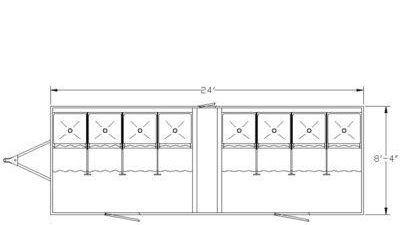
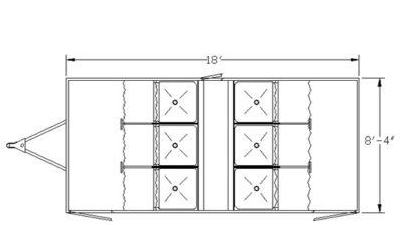
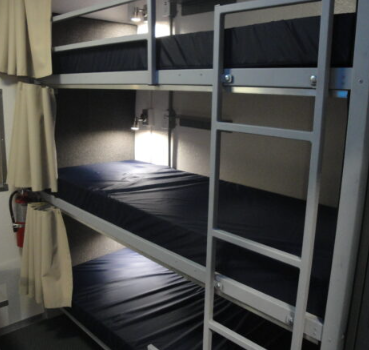
- Bunk sleeper units with multiple bunks for crew-scale lodging
- Private and semi-private sleeping rooms for supervisors and longer deployments
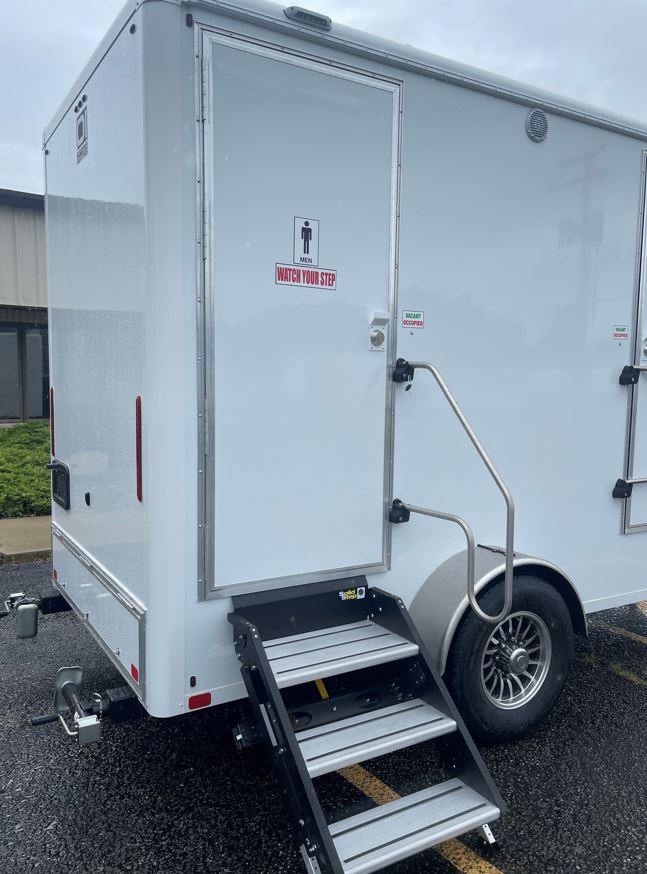
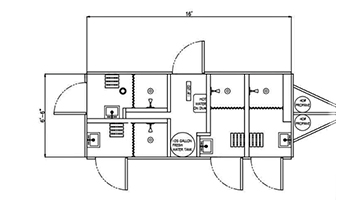
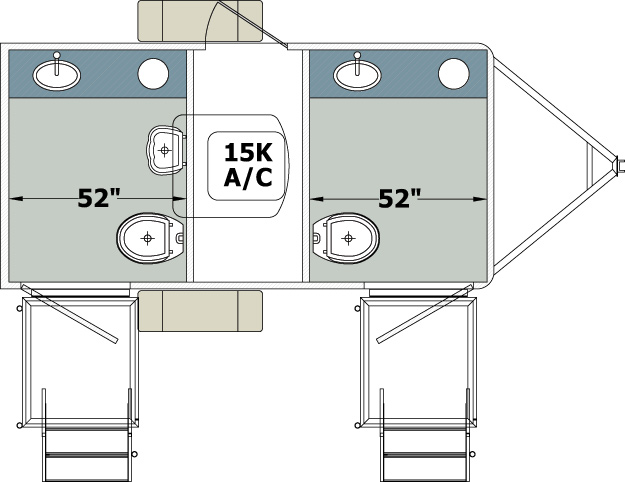
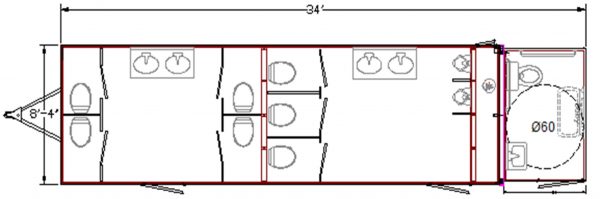
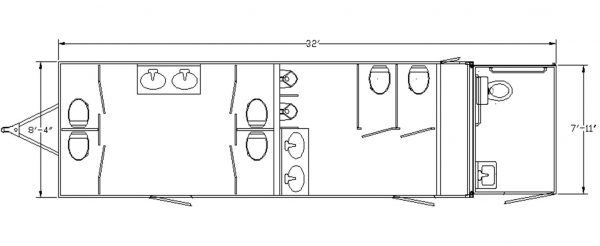
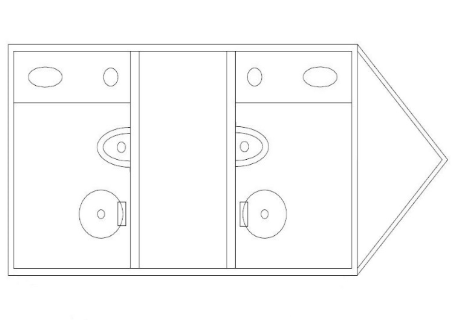
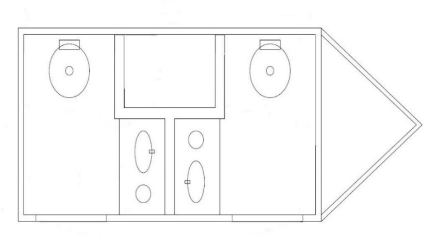
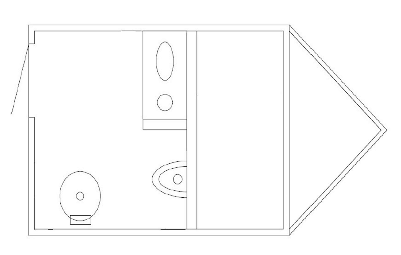
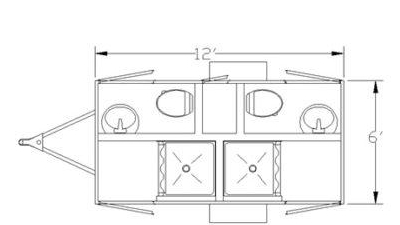
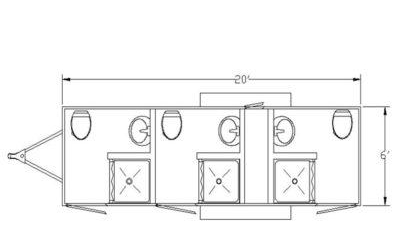
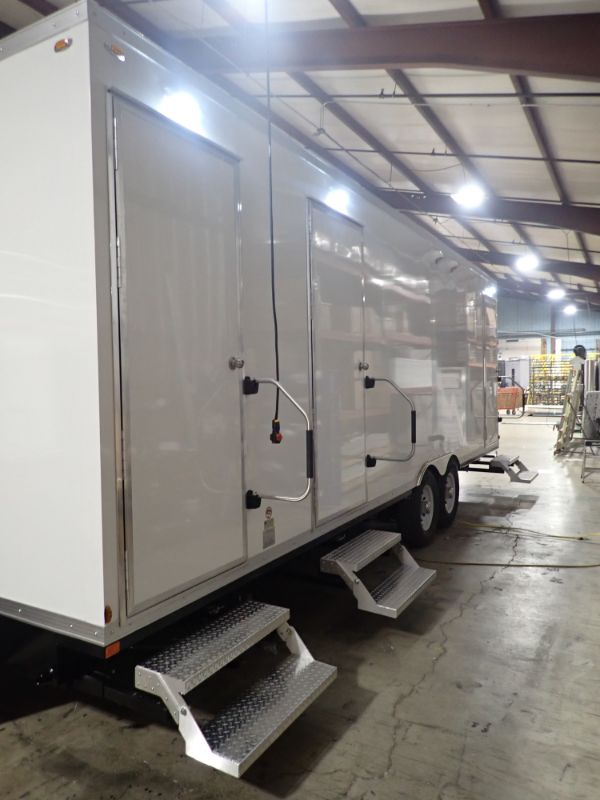
- Sleeper + restroom combinations for self-contained crew quarters
- Climate-controlled, all-season units for extreme heat and cold environments
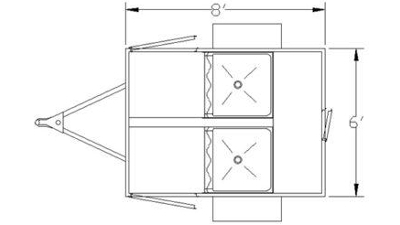
- Custom layouts sized to your crew count and deployment length
For product-side detail on our sleeper builds, see our bunkhouse trailers, new bunk & sleeper trailers, and custom bunk & sleeping trailers.
Built for Comfort and Durability on Remote Sites
Crew lodging only works if it holds up to the deployment. NRT sleeper trailers are built for repeated transport, rough-site placement, and extended use. Features across configurations include:
- Bunk beds with mattresses, sized for crew-scale capacity
- Climate control with heating and air conditioning for year-round comfort
- Onboard generator and shore power options for off-grid and connected sites
- All-climate insulation for extreme heat and sub-zero environments
- Interior lighting, personal storage, and power outlets on select units
- Heavy-duty steel frame and reinforced exterior for repeated transport and placement
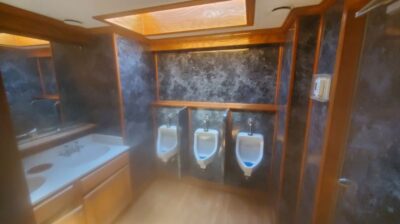
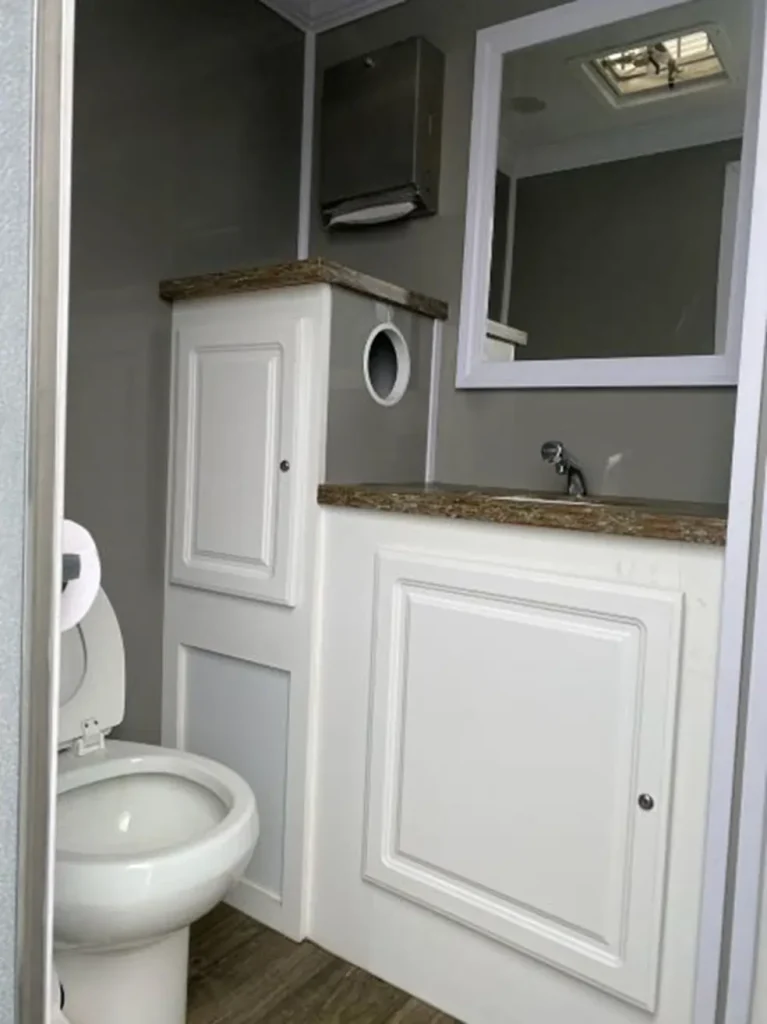
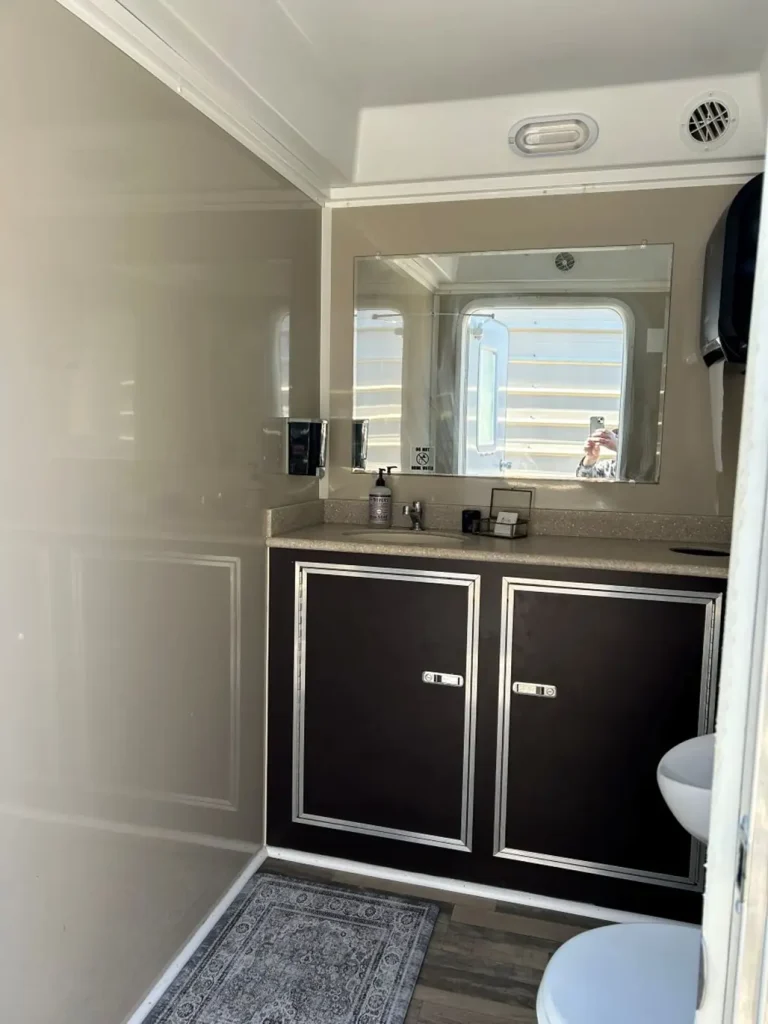
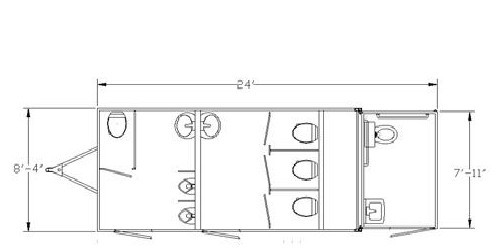
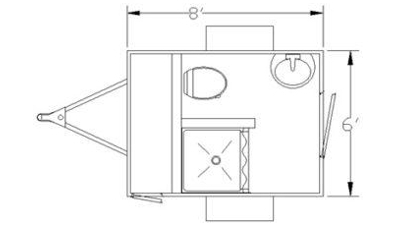
- Onboard restroom facilities on select configurations
Specific bunk counts, layouts, and onboard systems vary by unit. Our team will match a configuration to your crew size and deployment conditions.
Common Use Cases for Mobile Sleeper Trailers
Sleeper trailers make sense whenever crews need to stay on or near the work site:
- Construction crew base camps — on-site lodging for remote and long-duration projects
- Disaster relief housing — responder accommodations at staging sites — see disaster relief
- Wildfire fire camps — sleeping units for extended fire incidents — see wildfire relief
- Remote and off-grid projects — crew quarters where no lodging exists nearby
- Seasonal and field labor — housing for seasonal operations
- Extended base camp operations — integrated personnel lodging — see base camp trailers
Multi-Trailer Crew Support Setups
Crew lodging is usually one piece of a larger operation. NRT coordinates multi-trailer deployments that arrive together as complete crew support infrastructure:
- Sleeper trailers for crew lodging and rest
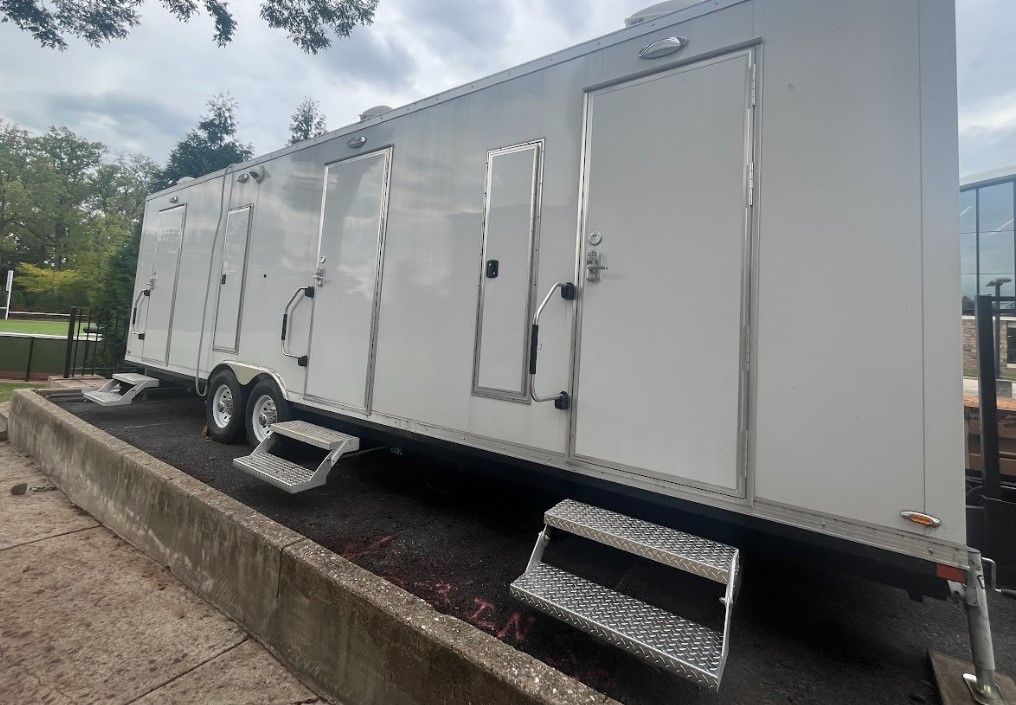
- Restroom trailers sized to crew count
- Shower trailers for daily crew use
- Mobile laundry trailers for extended deployments
- Base camp trailers for staging and personnel support
Our team coordinates the full setup so your crew support footprint is delivered and ready at the staging site.
Buy New, Custom, or Pre-Owned
NRT offers crew lodging trailers across budgets and timelines:
- New units — built to your crew size and deployment needs — see new bunk & sleeper trailers
- Custom builds — engineered to spec for layout, capacity, and onboard systems — see custom-made trailers
- Certified pre-owned — inspected units for faster delivery and lower cost — see pre-owned trailers
For ongoing or seasonal crew housing, NRT also offers long-term sleeper trailer rentals — see our long-term rentals program. To start a custom build, use our build-your-own-trailer tool.
Nationwide Delivery & On-Site Setup
NRT delivers crew lodging trailers nationwide from facilities in Murfreesboro, Tennessee and West Seneca, New York, with coordinated transport, on-site placement, leveling, and connection support included. For emergency and incident-driven deployments, our team coordinates expedited delivery to staging sites. See our service areas page for coverage details.
Frequently Asked Questions About Mobile Sleeper Trailers
What is a mobile sleeper trailer?
A mobile sleeper trailer is a self-contained trailer outfitted with bunk or sleeping accommodations, used to house crews and personnel on-site during extended operations. They’re commonly used for construction, disaster response, wildfire camps, energy and field operations, and remote projects where nearby lodging isn’t available.
How is a sleeper trailer different from a bunkhouse trailer?
They’re the same category — “sleeper trailer,” “bunkhouse trailer,” and “crew lodging trailer” all refer to mobile units built for on-site sleeping accommodations. NRT’s bunkhouse trailers are our sleeper units; this page covers how they’re used for crew lodging across construction, disaster response, and remote operations.
How many people can a sleeper trailer accommodate?
Capacity depends on the configuration — units range from smaller bunk setups to larger multi-bunk crew sleepers, and custom builds can be sized to your crew count. Contact our team with your crew size and deployment length and we’ll recommend a configuration.
Can sleeper trailers operate off-grid?
Yes. Configurations include onboard generator power and all-climate insulation for off-grid and remote sites, with shore power and utility hookups available where infrastructure exists. Our team confirms power and climate requirements for your deployment before delivery.
Can a sleeper trailer include a restroom?
Yes. Select sleeper configurations include onboard restroom facilities for self-contained crew quarters. For full crew support, NRT also coordinates multi-trailer setups pairing sleeper units with separate restroom and shower trailers.
Can I buy a used sleeper trailer?
Yes. NRT offers certified pre-owned sleeper and bunkhouse trailers that have been inspected for a lower cost of entry and faster availability. Browse our pre-owned trailers or contact our team for current inventory.
Does NRT rent sleeper trailers for seasonal crews?
Yes. NRT offers long-term sleeper trailer rentals for ongoing and seasonal crew housing. See our long-term rentals program or contact our team to discuss rental terms for your operation.
Request a Quote on a Mobile Sleeper Trailer
For a quote on a mobile sleeper or crew lodging trailer built for your operation, request a quote online or contact our team directly. Tell us your crew size, deployment length and conditions, whether you’re considering new, custom, or pre-owned, and any restroom or multi-trailer needs, and our team will respond with configuration recommendations, availability, and next steps.
Shop new trailers with the latest features and warranties.
Find quality pre-owned trailers inspected and ready for immediate use.