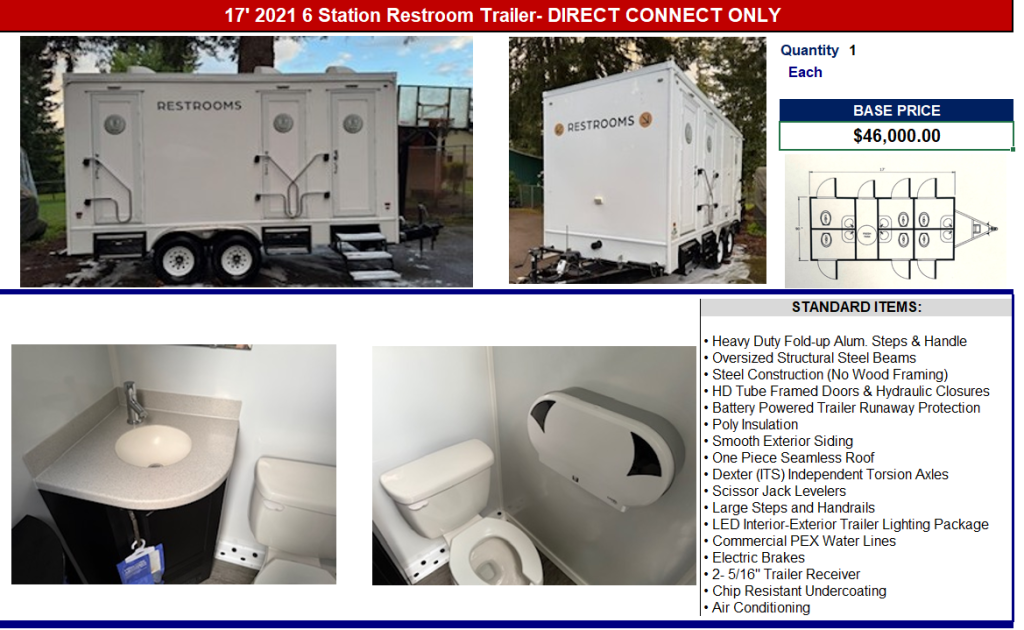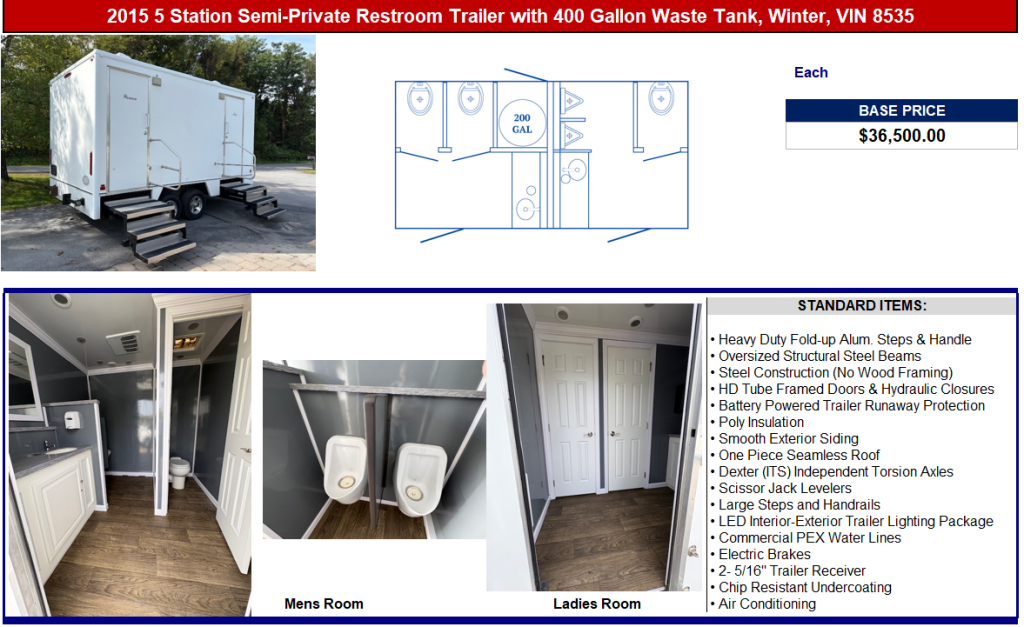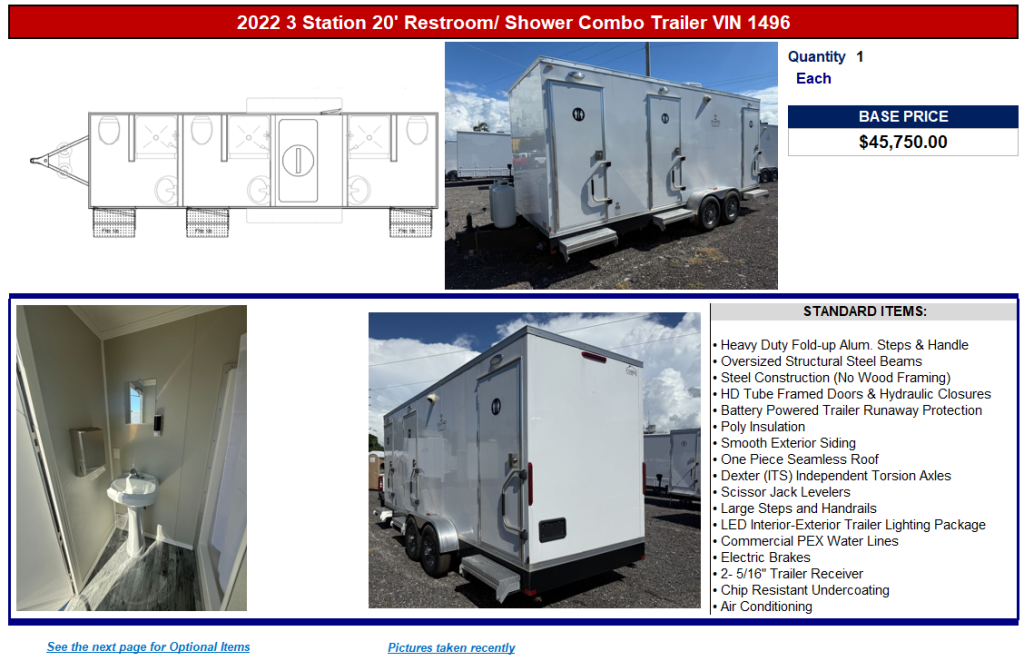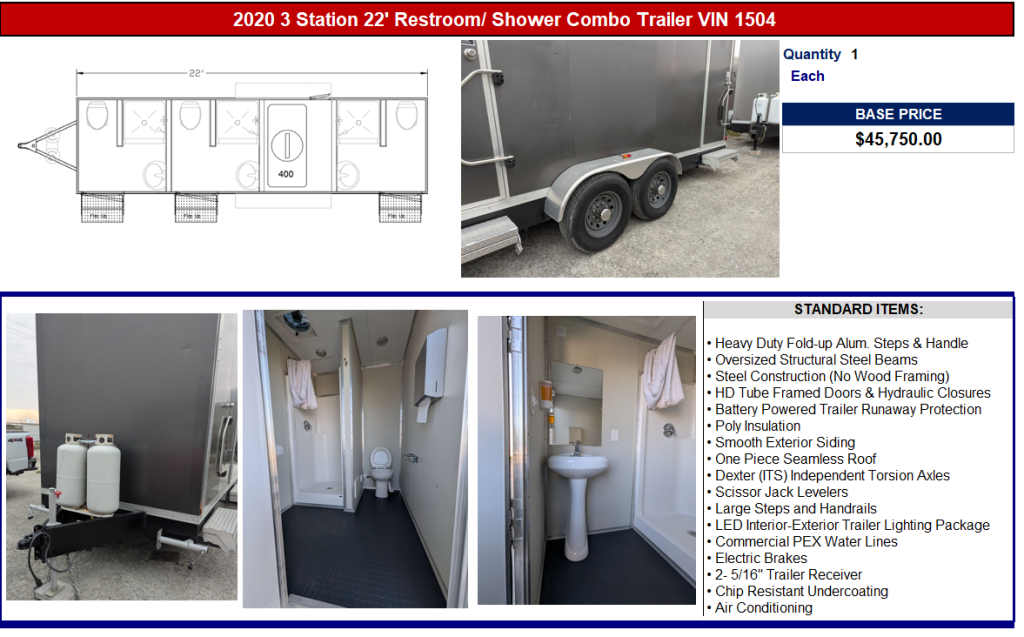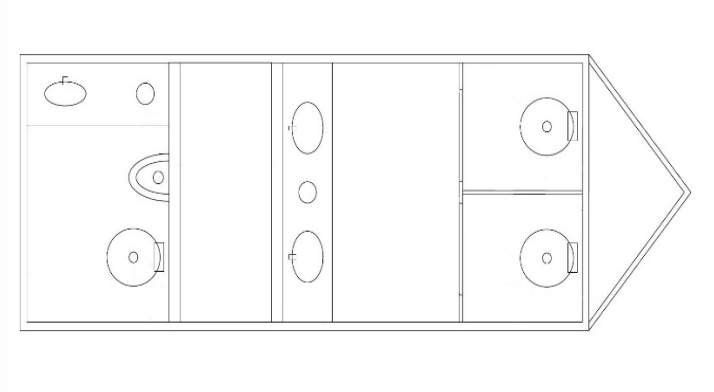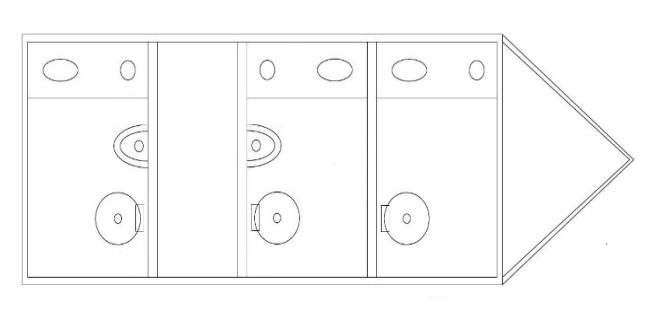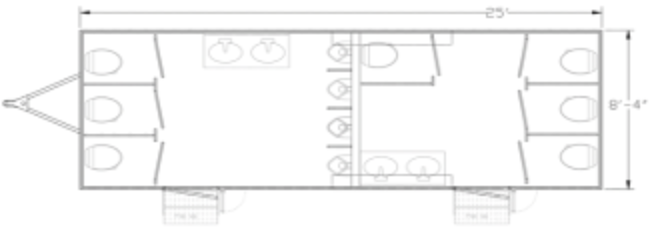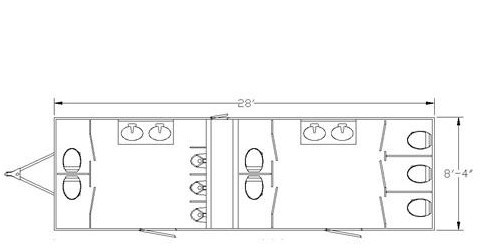
A Site-Prep Guide for Power, Water, Waste & Placement
Planning ahead for power, water, waste management, and trailer placement can make restroom trailer delivery and setup significantly easier.
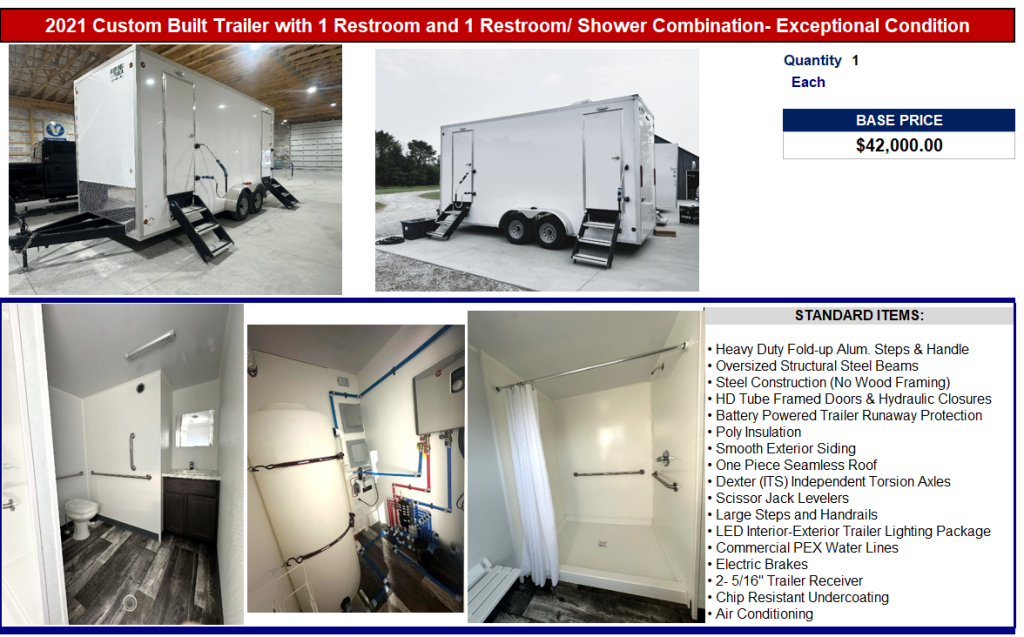
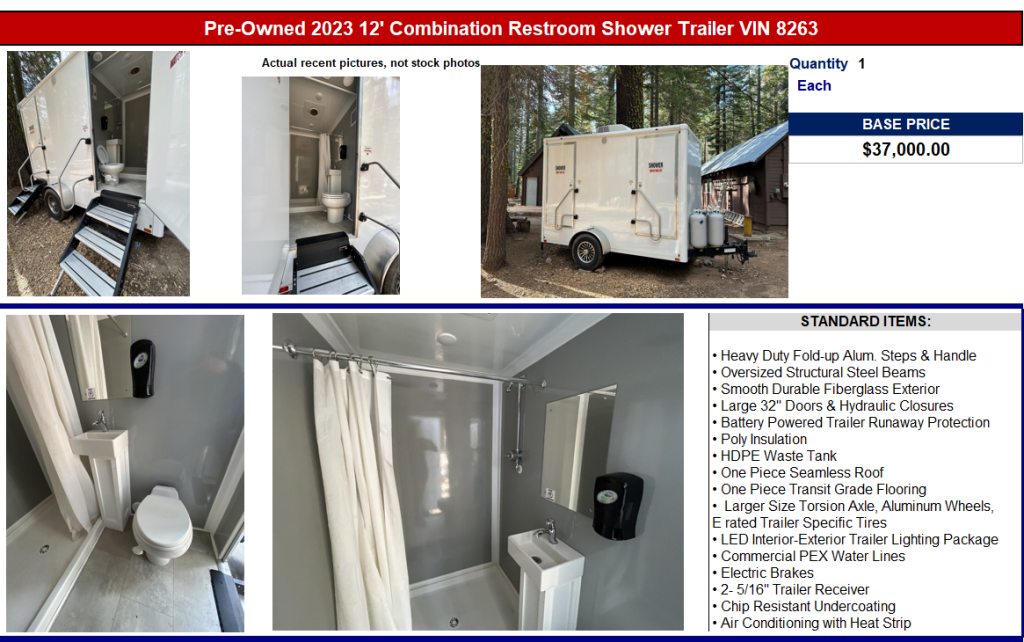
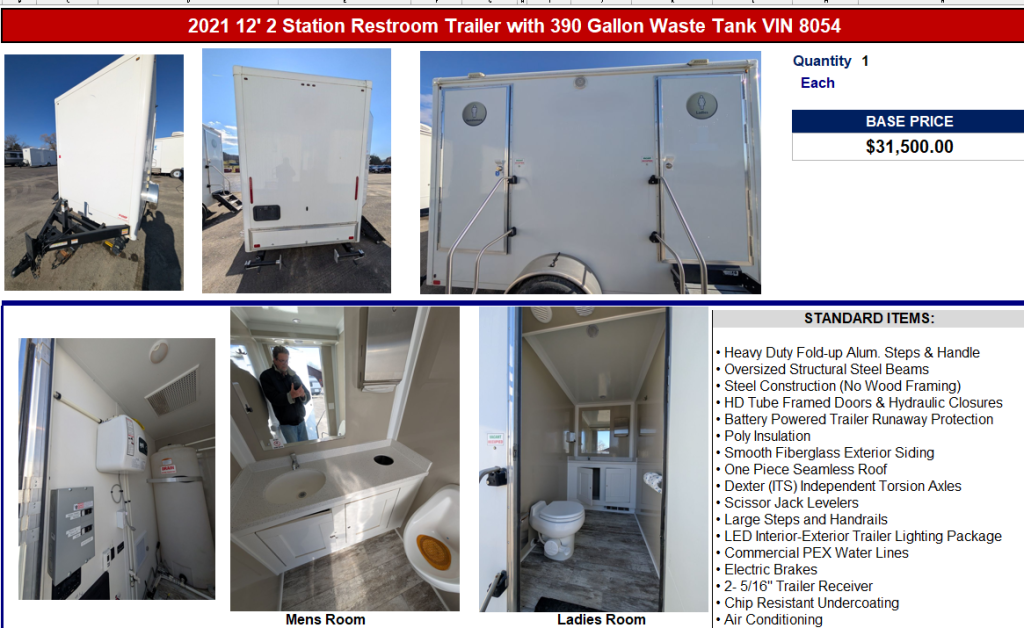
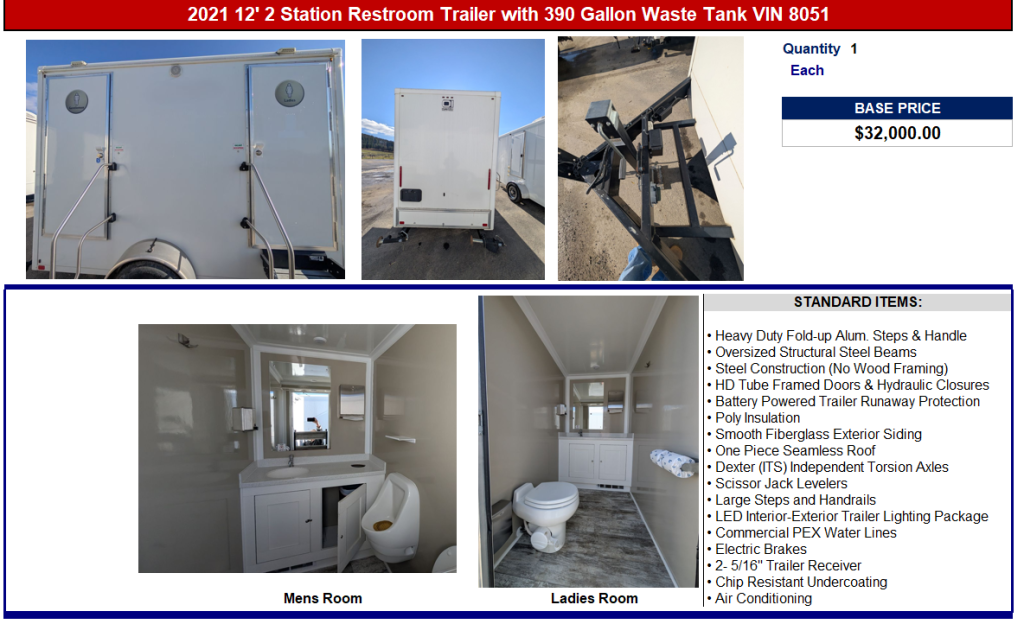
Restroom trailers offer a comfortable and practical sanitation solution for construction sites, events, temporary facilities, government operations, and other locations where permanent restrooms may not be available.
Before a trailer arrives, there is one important question to answer:
Is your site ready for it?
The exact setup requirements depend on the restroom trailer configuration and the utilities available at your location. Some units can connect directly to existing water and electrical service, while self-contained restroom trailers can be equipped to operate at locations where permanent infrastructure is limited or unavailable.
Understanding the basic requirements ahead of delivery can help prevent delays and make the entire process smoother.
What Does a Restroom Trailer Need?
Electric service or a generator, depending on the trailer and site.
A direct freshwater connection or onboard freshwater storage.
An approved wastewater connection or properly serviced holding tanks.
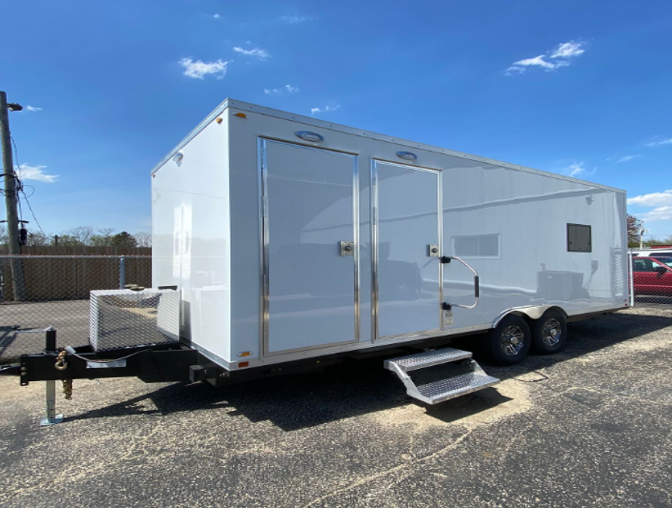
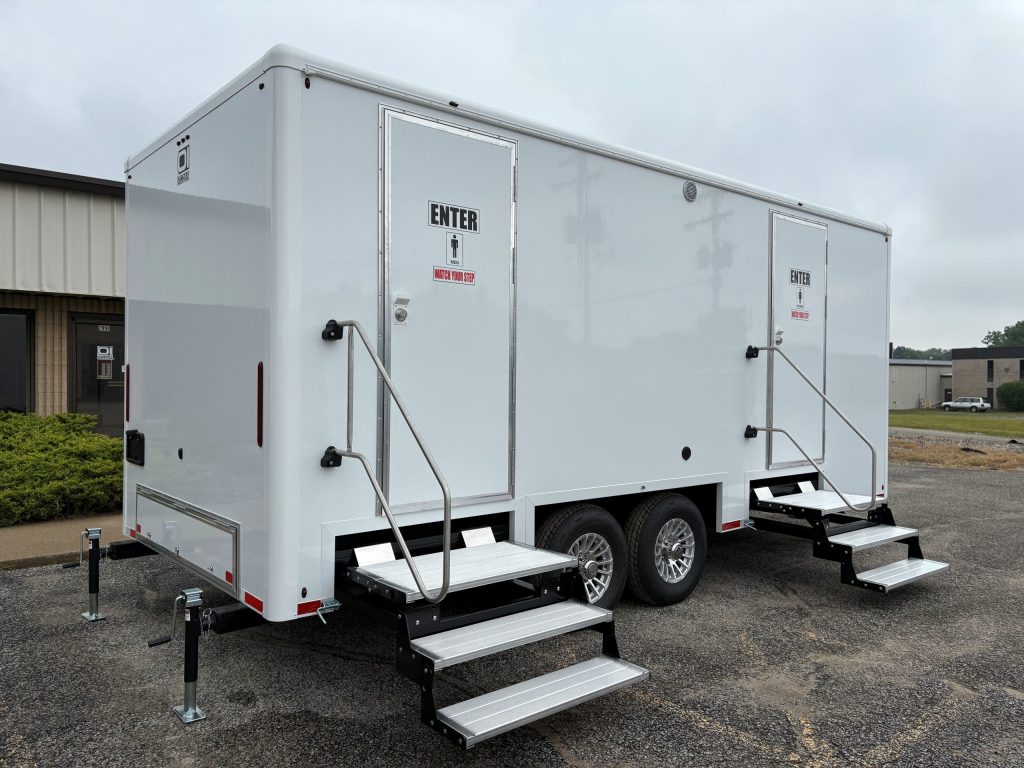
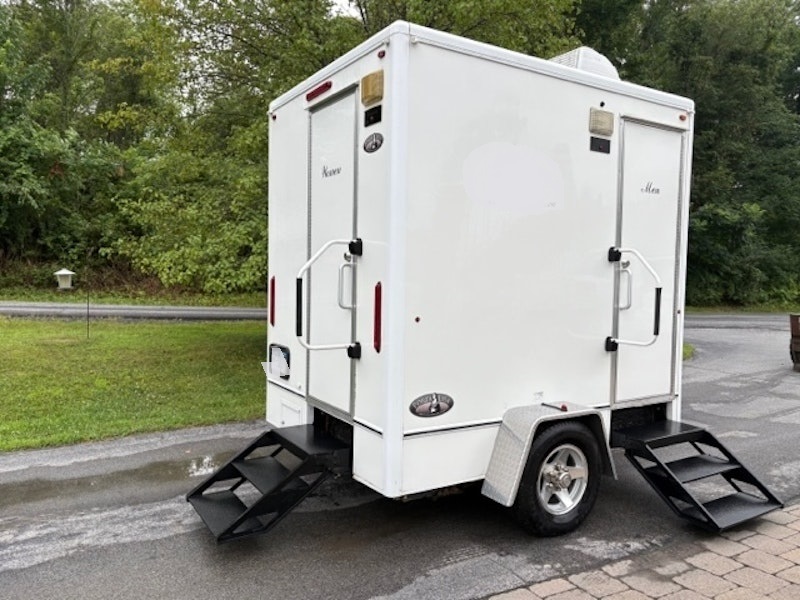
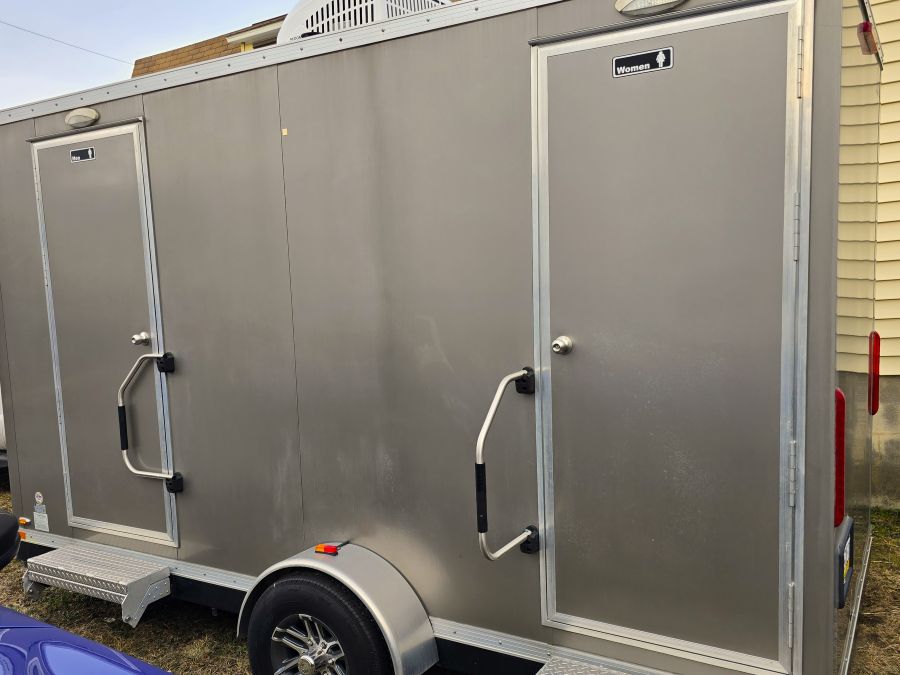
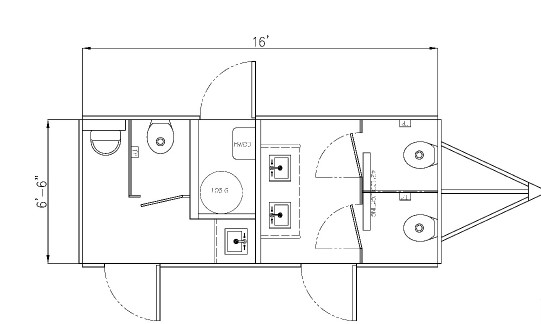
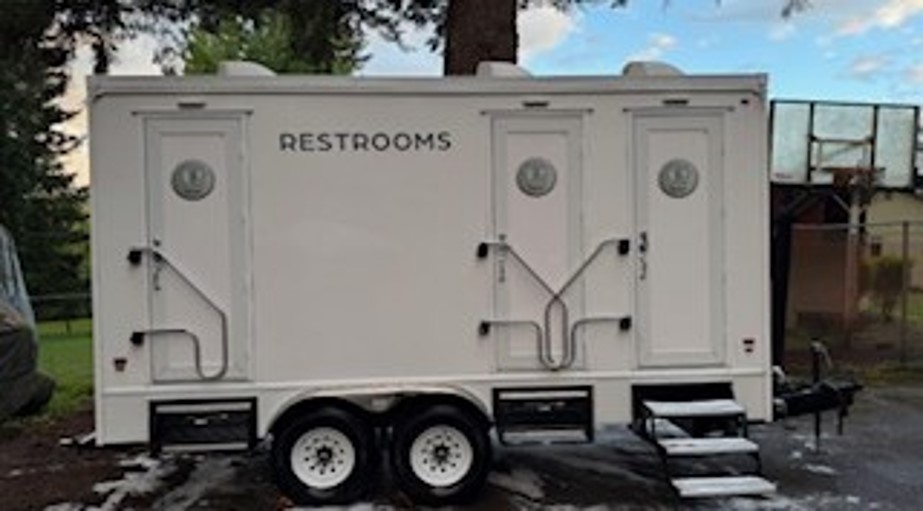
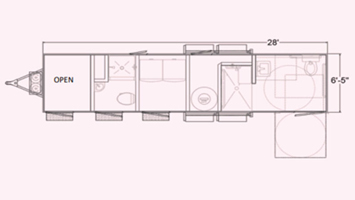
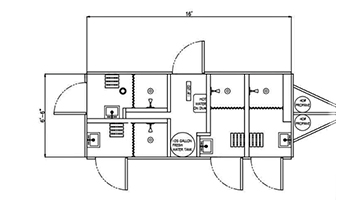
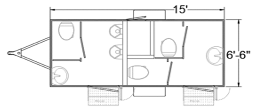
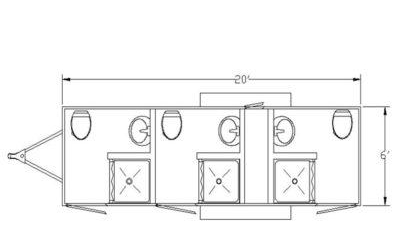
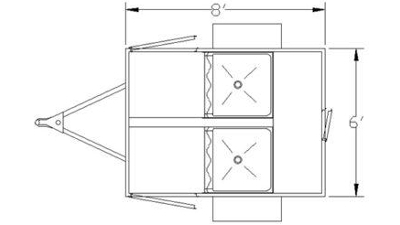
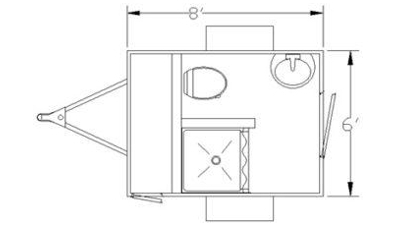
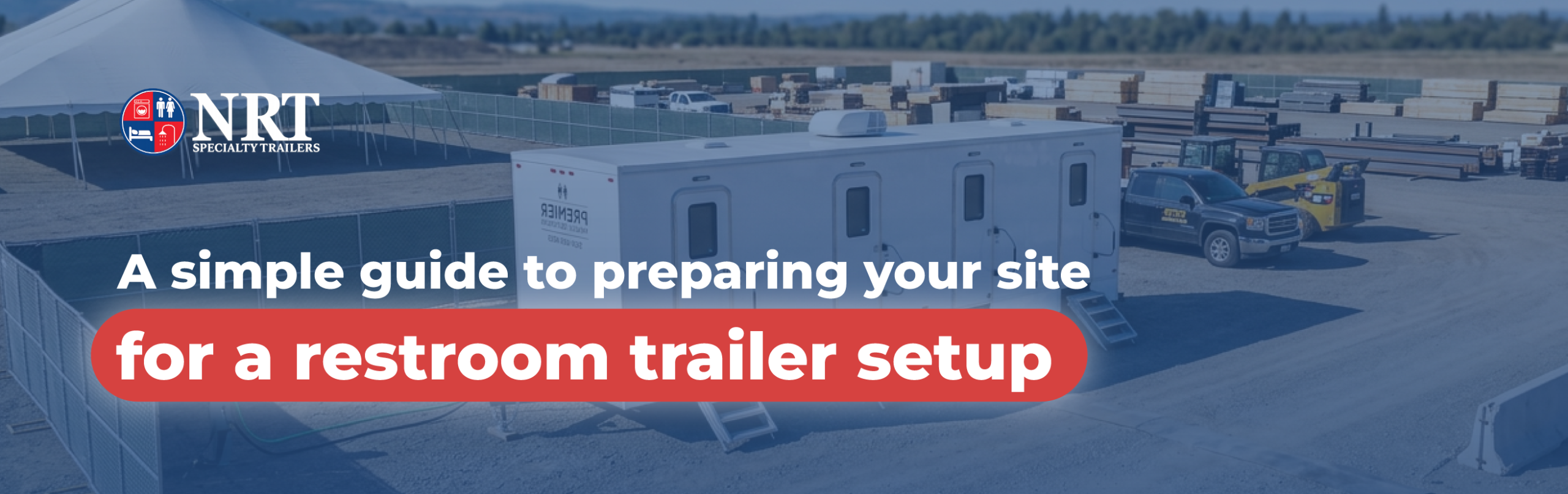
A level, accessible location with room for users, delivery, hookups, and servicing.
Start With the Right Location
Before thinking about hoses, electrical connections, or wastewater, determine where the restroom trailer will actually sit.
The location should provide enough room for:
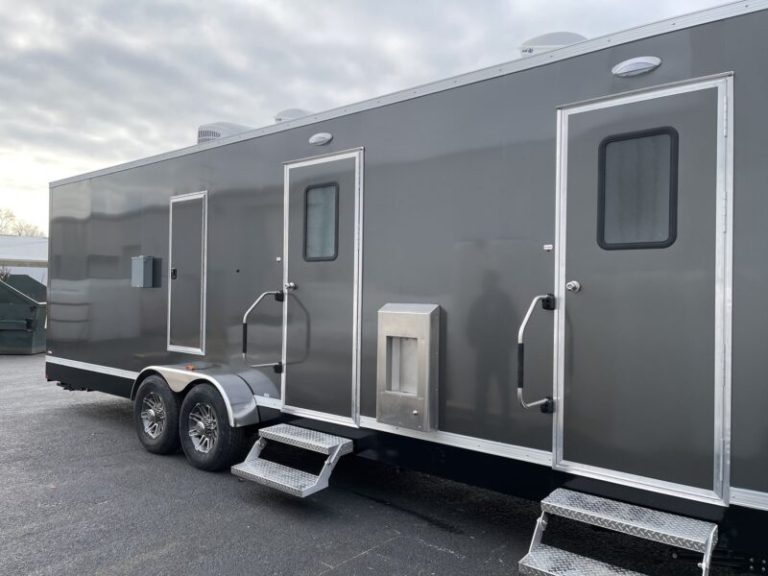
- The trailer itself
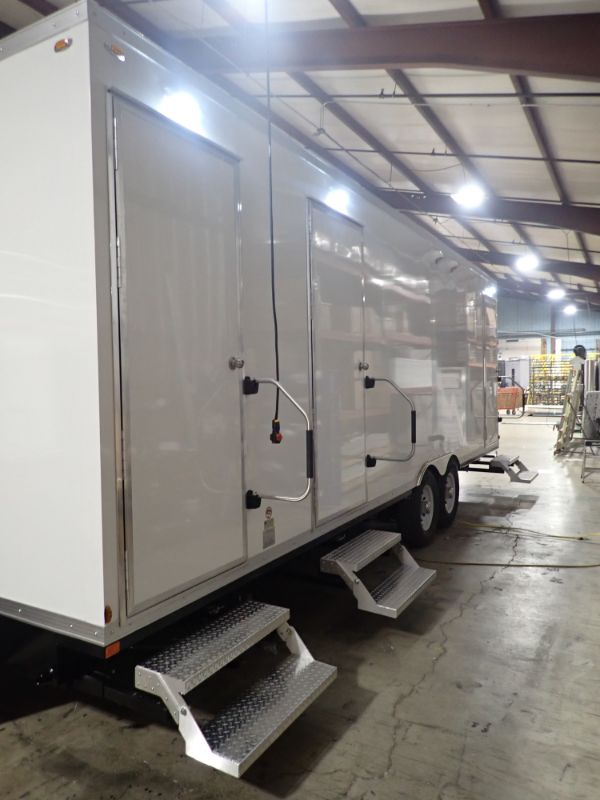
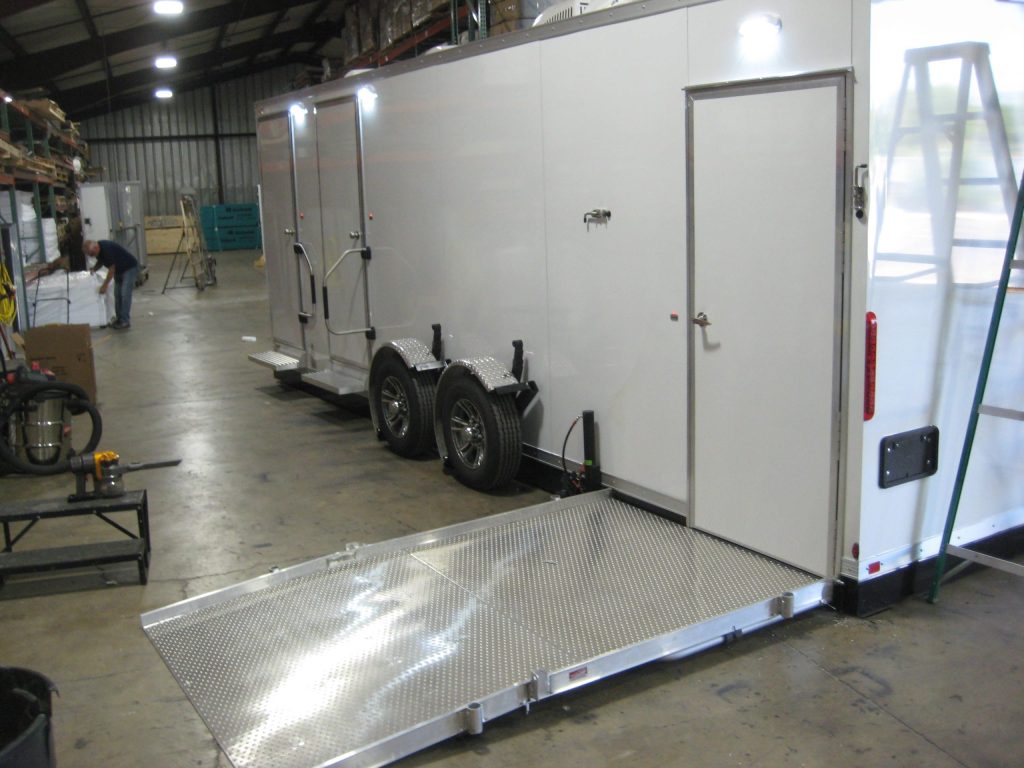
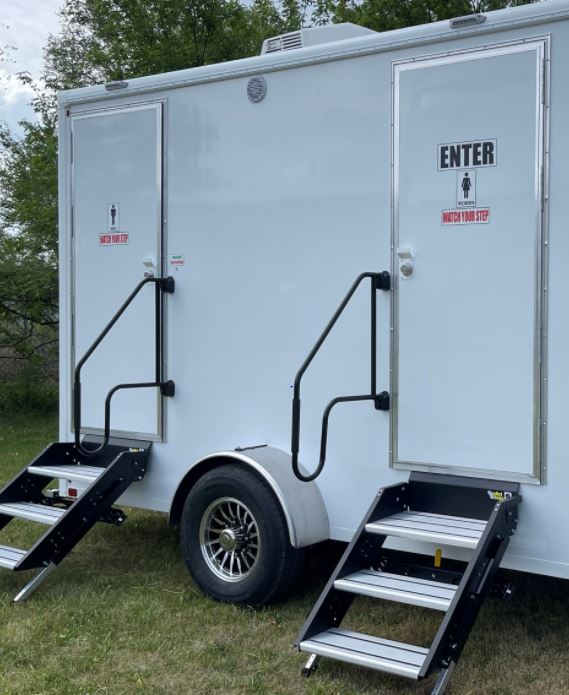
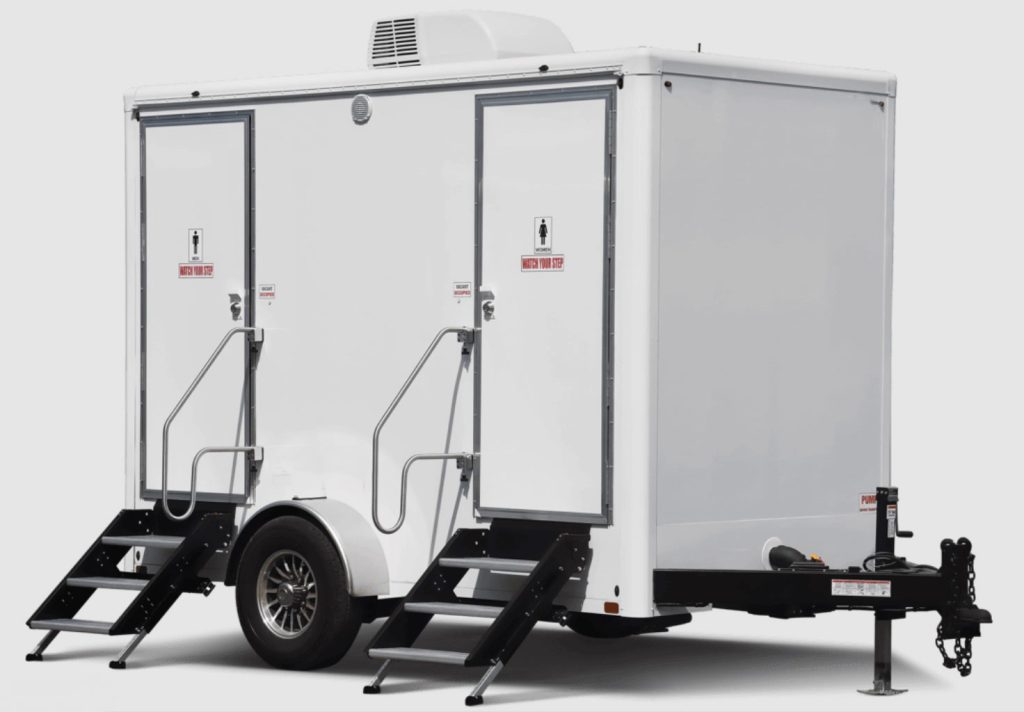
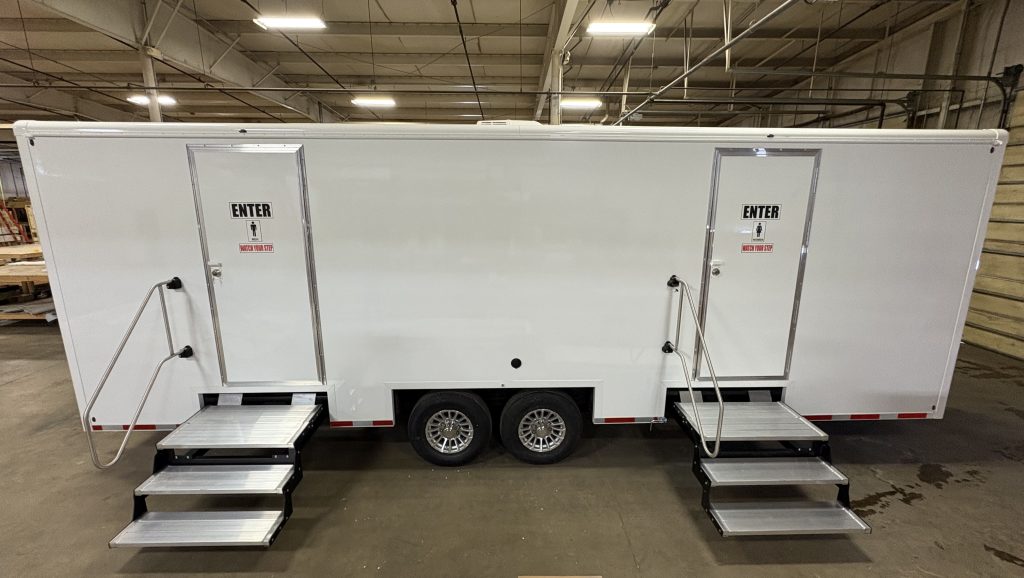
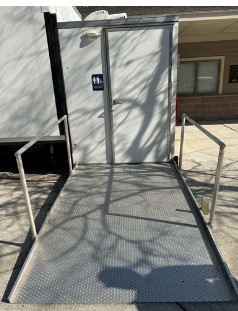
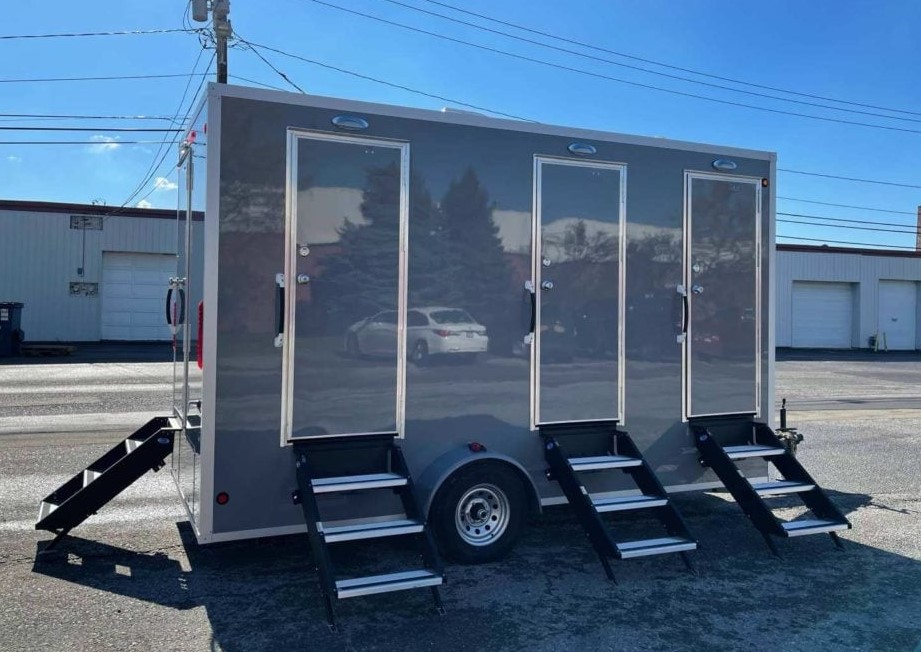
- Entry steps or ramps
- Guests or workers entering and exiting
- Delivery and pickup access
- Wastewater servicing when needed
- Utility connections
- Safe pedestrian access
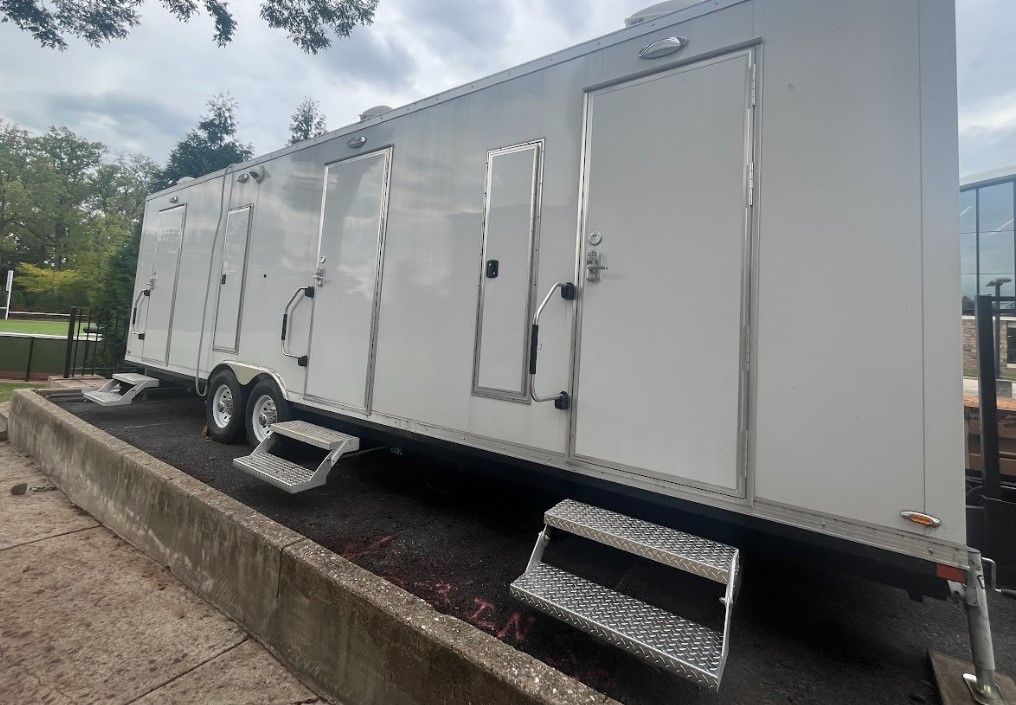
Restroom trailers should also be positioned on a reasonably level area. Proper leveling is important for stability and for the plumbing systems inside the trailer to function correctly.
A location that looks convenient for guests may not always be practical for delivery, so access for the tow vehicle should also be considered.
What Kind of Power Does a Restroom Trailer Need?
Restroom trailers use electricity for features that can include:
- Interior and exterior lighting
- Climate control
- Water pumps
- Water heaters
- Electrical outlets
- Ventilation systems
Electrical requirements vary by trailer.
Many restroom trailers can connect to site electrical service, while generator options may be appropriate when electrical infrastructure is unavailable. NRT Specialty Trailers offers both shore-power and generator-supported configurations depending on the application.
Before installation, confirm:
- What electrical service is available
- Where the electrical connection is located
- How far the trailer will be from the power source
- Whether a generator will be required
Avoid assuming that any nearby outlet will automatically support the trailer. The specific unit’s electrical requirements should always be confirmed before delivery.
Does a Restroom Trailer Need a Water Hookup?
Not necessarily.
There are generally two ways a restroom trailer can receive fresh water.
Direct Water Connection
When a dependable freshwater source is available, the trailer can be connected directly to the site’s water supply.
This can be especially convenient for:
- Commercial facilities
- Construction sites with established utilities
- Schools and universities
- Long-term renovation projects
- Event venues with nearby infrastructure
A direct connection provides a continuous source of water for toilets and handwashing.
Onboard Freshwater Tank
At sites without convenient access to water, some restroom trailers can operate using an onboard freshwater tank.
NRT offers configurations with onboard freshwater systems for applications where permanent utility hookups are not available. These systems can be useful for:
- Remote construction projects
- Outdoor events
- Undeveloped properties
- Emergency response locations
- Temporary work sites
The best option depends on expected usage, deployment length, and what utilities are available on site.
How Is Wastewater Handled?
Restroom trailers also need a plan for wastewater.
Depending on the unit and location, wastewater may be directed to an approved connection or stored in onboard holding tanks that are serviced as needed.
Self-contained trailers can include gray and black water holding capacity, allowing them to operate where permanent sewer access is unavailable.
For projects using holding tanks, service frequency can depend on factors such as:
- Number of users
- Trailer capacity
- Hours of operation
- Length of deployment
- Water consumption
- Tank size
This is especially important for long-term construction sites, temporary facilities, festivals, and other high-use applications.
A servicing plan should be established before the trailer reaches capacity.
Don’t Forget About Access for Servicing
The trailer itself is not the only vehicle that may need access to the site.
If wastewater tanks will be pumped during the rental or deployment, service vehicles need a practical way to reach the trailer.
Avoid placing the unit somewhere that becomes difficult to access once:
- Construction equipment arrives
- Event tents are installed
- Parking areas fill
- Temporary fencing is added
- Other site infrastructure is completed
Planning the servicing route ahead of time can prevent unnecessary complications later.
What If the Site Has No Utilities?
A lack of permanent utilities does not automatically mean a restroom trailer cannot be used.
For remote locations, self-contained configurations can provide greater flexibility through features such as:
- Onboard freshwater storage
- Waste holding tanks
- Generator options
- Water pumps
- Climate-control systems
NRT Specialty Trailers offers restroom trailers designed for both utility-connected and self-contained applications, making them suitable for locations ranging from established facilities to remote project sites.
The important part is identifying site limitations before choosing the trailer.
A Simple Restroom Trailer Site-Prep Checklist
Before delivery day, confirm the following:
PLACEMENT
- Is there a level area for the trailer?
- Is there sufficient clearance around doors, stairs, and ramps?
- Can the delivery vehicle easily reach the setup location?
POWER
- Is suitable electrical service available?
- Is the connection close enough to the trailer location?
- Will a generator be necessary?
WATER
- Is there an accessible freshwater source?
- If not, will the trailer use onboard freshwater storage?
WASTE
- Is there an approved wastewater connection?
- If using holding tanks, how will they be serviced?
ACCESS
- Can guests or employees safely reach the trailer?
- Can service vehicles access it throughout the deployment?
Taking care of these questions early can make delivery day much easier.
Choosing the Right Restroom Trailer for Your Site
The right trailer is not determined by appearance or station count alone.
Site conditions matter too. Before selecting a unit, consider:
- Number of expected users
- Daily usage
- Length of the project or event
- Available power
- Available freshwater
- Wastewater access
- Climate and seasonal conditions
- ADA accessibility needs
- Whether the site is permanent, temporary, or remote
A trailer that works perfectly at a fully equipped venue may need a different configuration for an undeveloped construction site.
Plan Your Setup With NRT Specialty Trailers
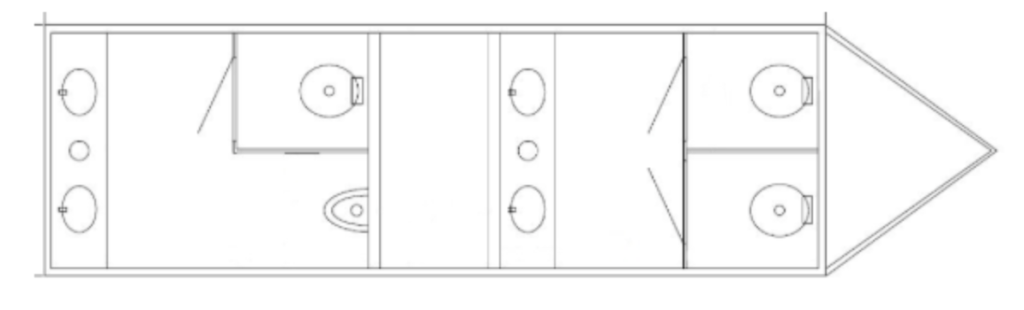
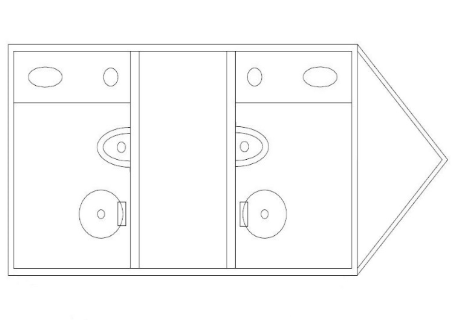
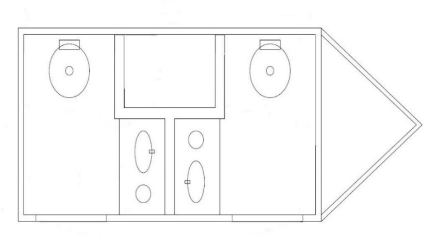
NRT Specialty Trailers offers restroom trailer configurations for a wide range of applications, including models with utility connections as well as self-contained freshwater, waste-storage, and generator options.
NRT also coordinates placement, leveling, and hookup support for rental deployments.
Planning a restroom trailer deployment?
Contact NRT Specialty Trailers to discuss your site, expected usage, utility availability, and project timeline so the right configuration can be selected before delivery.
Frequently Asked Questions
Do restroom trailers require electricity?
Most restroom trailers require electrical power for lighting, climate control, pumps, and other systems. Depending on the unit and location, power may come from site electrical service or a generator.
Can a restroom trailer operate without a water hookup?
Yes. Certain self-contained restroom trailers can use onboard freshwater tanks when a direct water connection is unavailable.
Where should a restroom trailer be placed?
Choose a reasonably level, accessible location with enough room for the trailer, steps or ramps, users, delivery equipment, and any necessary servicing vehicles.
What happens to the wastewater?
Wastewater may be handled through an appropriate site connection or collected in onboard holding tanks that are serviced periodically, depending on the trailer and setup.
Can restroom trailers be used at remote sites?
Yes. Self-contained configurations with onboard freshwater and waste storage and generator options can support deployments where permanent utilities are limited.
Make Sure Your Site Is Ready Before Delivery Day
From power and freshwater to wastewater planning and trailer placement, the right preparation can make setup easier from the start.