An easy formula and real‑world examples to size trailers based on guest count
Choosing the right restroom trailer for an event is more than a courtesy—it’s a crucial part of your planning. Undersized facilities lead to long lines and frustrated guests, while oversized units can waste budget and space. National Restroom Trailers (NRT) often advise planners to start with a simple formula and then adjust for the unique details of their occasion. This guide distills NRT’s recommendations into practical steps that reduce pre‑sale friction and empower you to make informed inquiries.
1. Start with your guest count
Begin by establishing a baseline: plan on one restroom trailer per 50 guests. For example, a 200‑person wedding would initially need around four trailers. This 50‑to‑1 rule of thumb also applies to job sites—NRT notes that construction projects typically provide one trailer for every 50 workers. Use this as your starting point:
Here are a few examples to illustrate the 50‑to‑1 guideline:
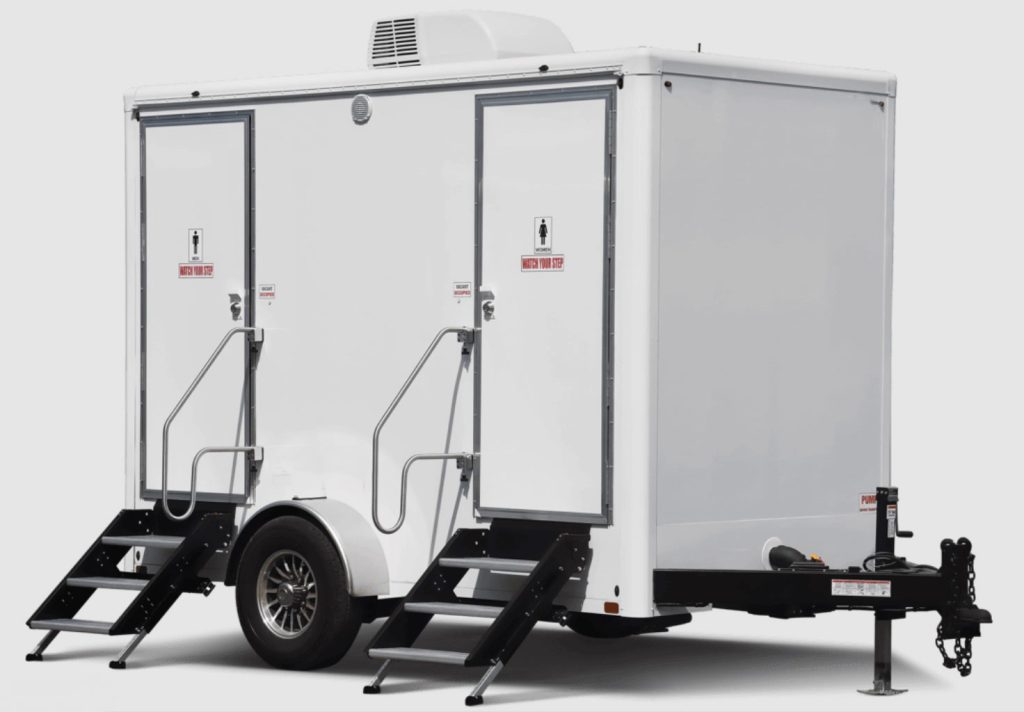
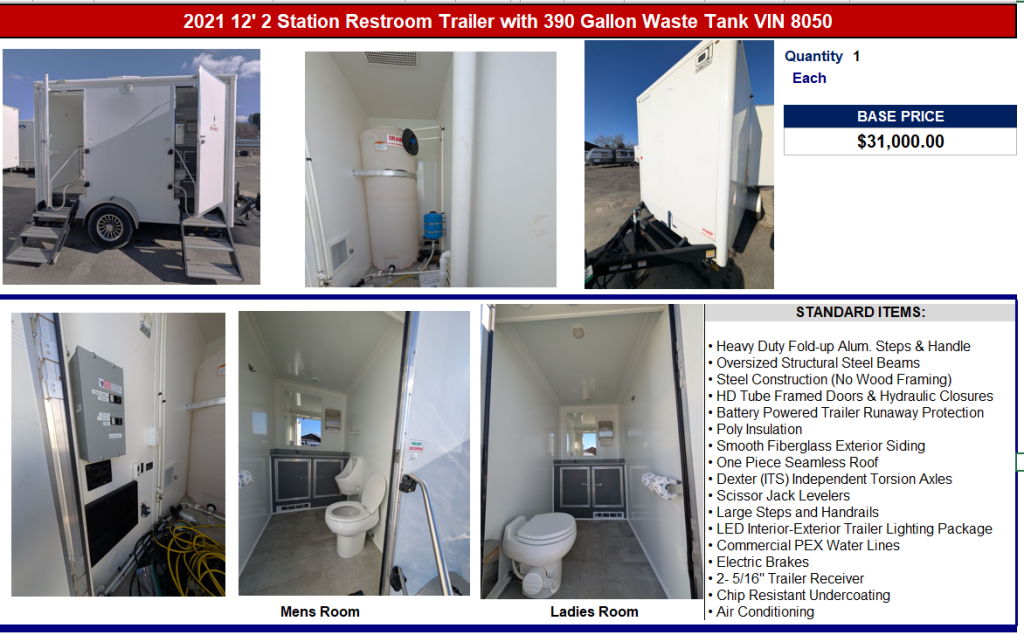
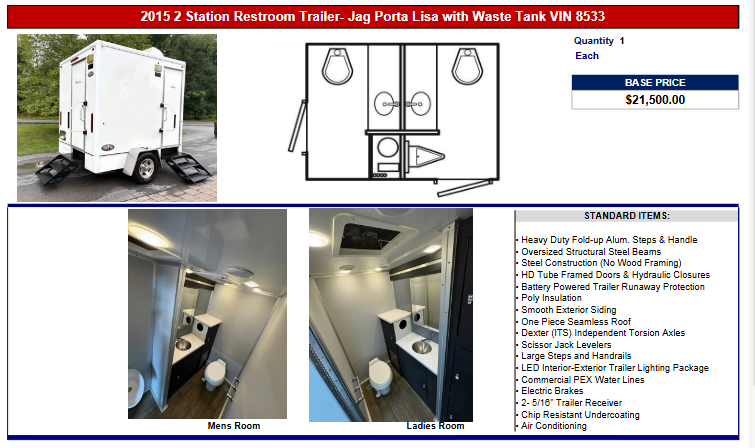
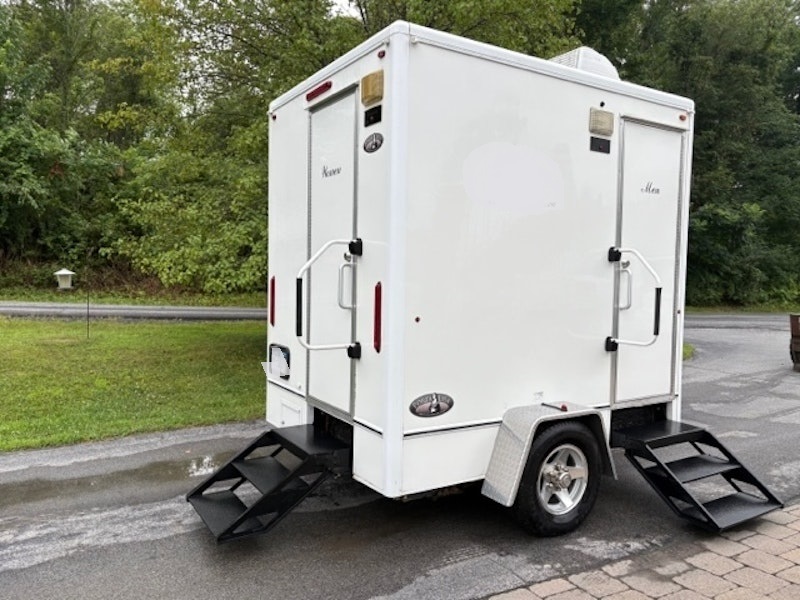
- 50 guests: plan for one 2‑station trailer.
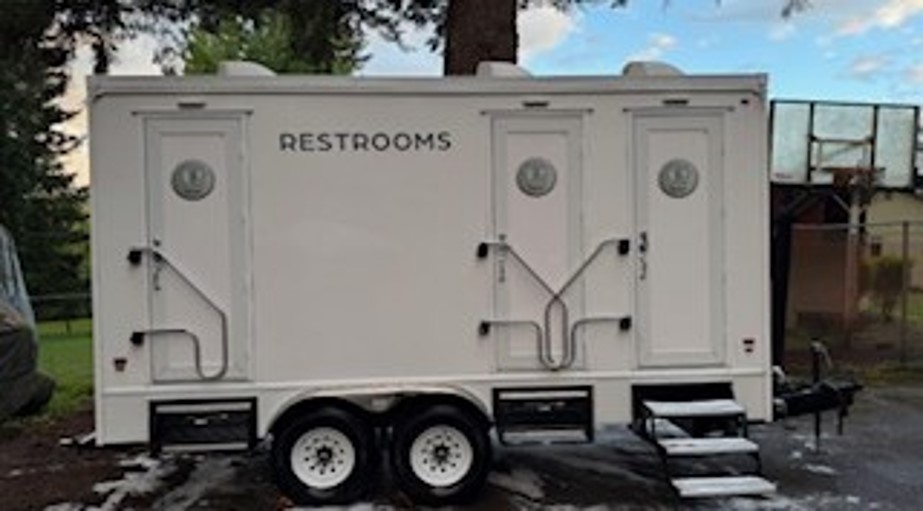
- 100 guests: expect two 2‑station trailers or a single 4‑stall unit.
- 200 guests: look at four trailers—for example, a combination of 4‑stall and 10‑station units.
After calculating the baseline, you can refine the number based on other factors.
2. Factor in event length and food & beverage service
The length of your event plays a significant role. Longer weddings or multi‑day festivals “may necessitate additional restroom trailers to accommodate guests comfortably”. Similarly, if your construction project spans months, you should increase the number of trailers to avoid overcrowding. Food and beverage service also matter—events with full‑course meals and alcoholic beverages cause guests to use the facilities more frequently, so plan for extra trailers.
3. Consider your audience and activities
Demographics can affect restroom usage. NRT notes that women tend to spend more time in restrooms; if your guest list skews female, increase the number of trailers. On construction sites, shift schedules influence demand—multiple crews working around the clock require more units. Special requirements, such as decontamination or protective‑gear removal, may call for additional specialty trailers.
4. Match the venue and layout
Remote outdoor venues often lack existing facilities, so planners should “consider more trailers than those held at venues with existing facilities”. The layout of large sites also matters; NRT suggests placing extra trailers strategically, so workers or guests never have to walk far. When sizing units, think about how many entrance points or clusters your venue requires.
5. Prioritize accessibility and amenities
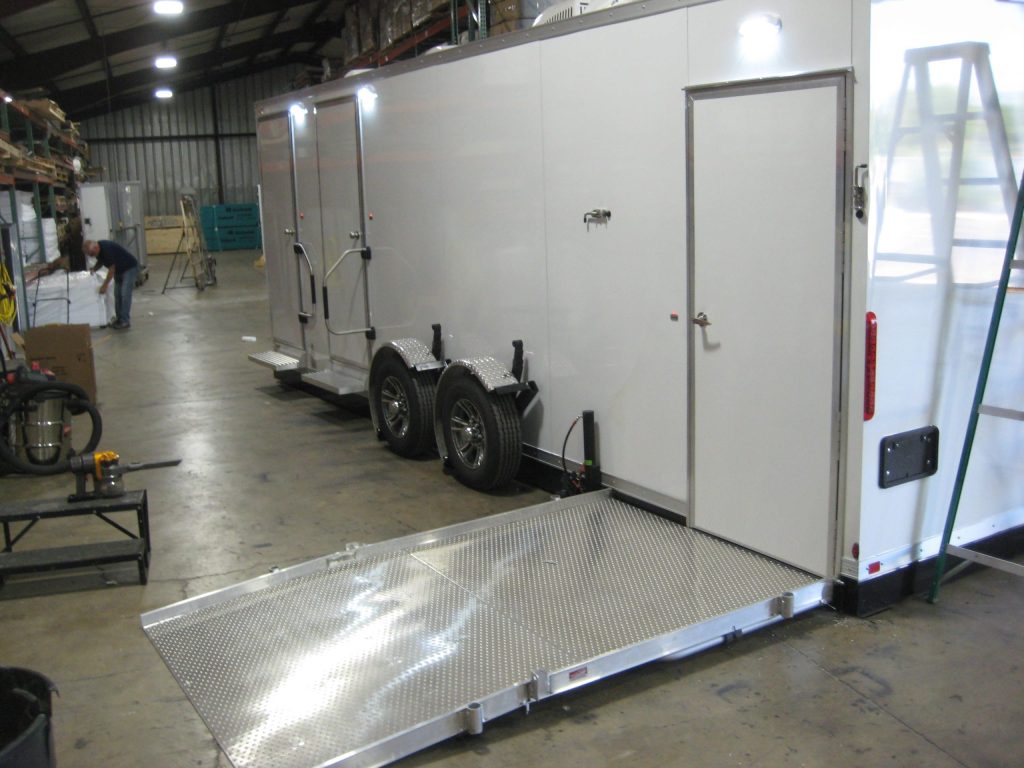
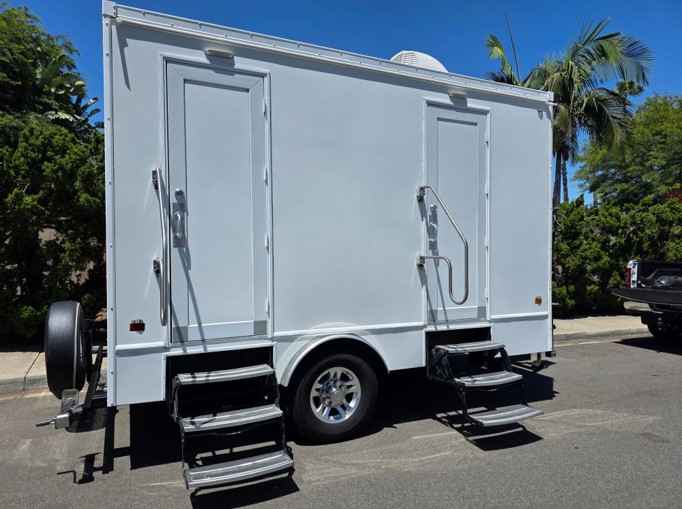
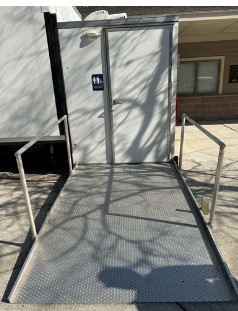
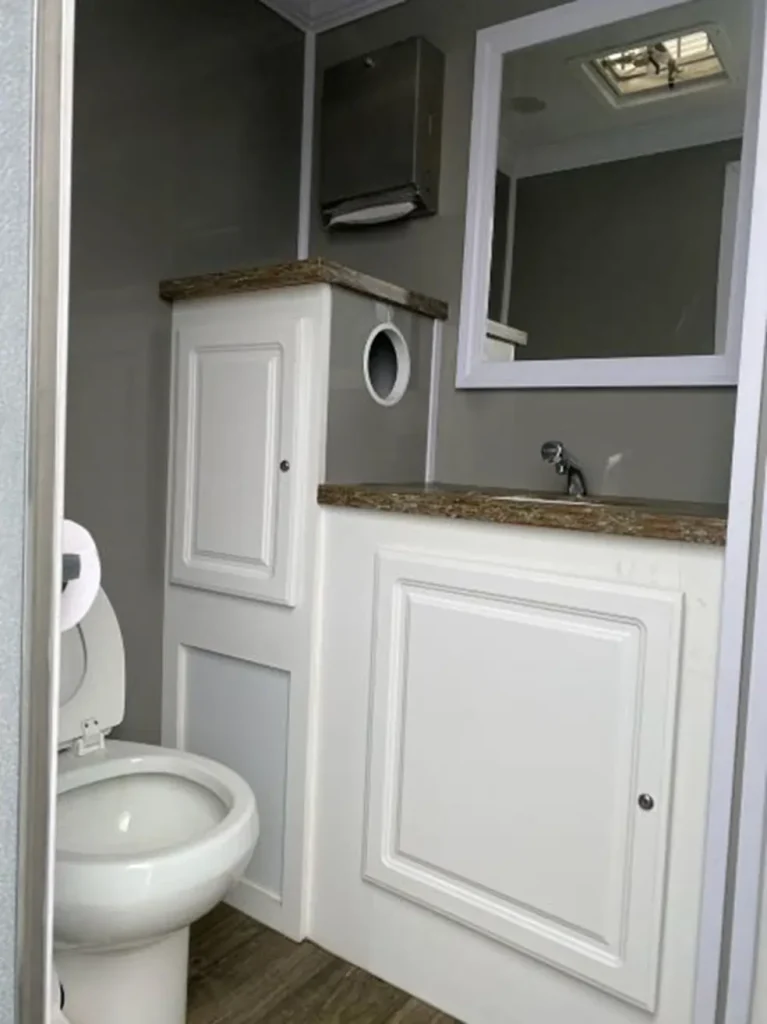
Providing inclusive facilities isn’t just the right thing—it’s often the law. NRT’s wedding guide urges planners to ensure that restroom setups “cater to the needs of all guests, including those with mobility challenges” and to consider ADA‑compliant trailers when necessary. Many of NRT’s units feature ramps, grab bars and spacious interiors. The company’s inventory ranges from compact single‑stall models to spacious luxury trailers, so you can select the right size without sacrificing accessibility.
6. Choose the right trailer size and configuration
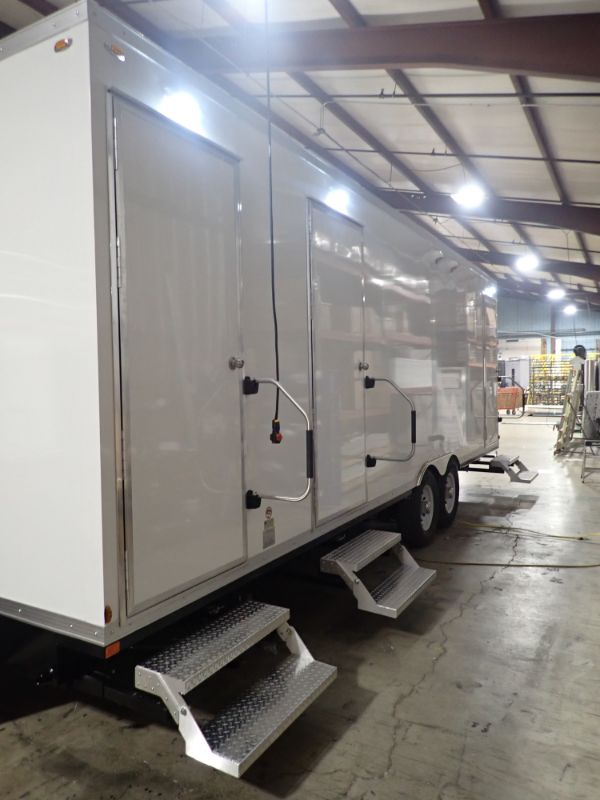
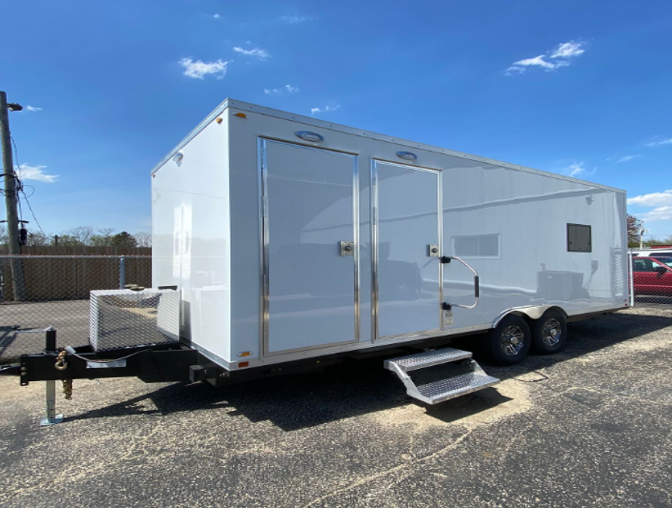
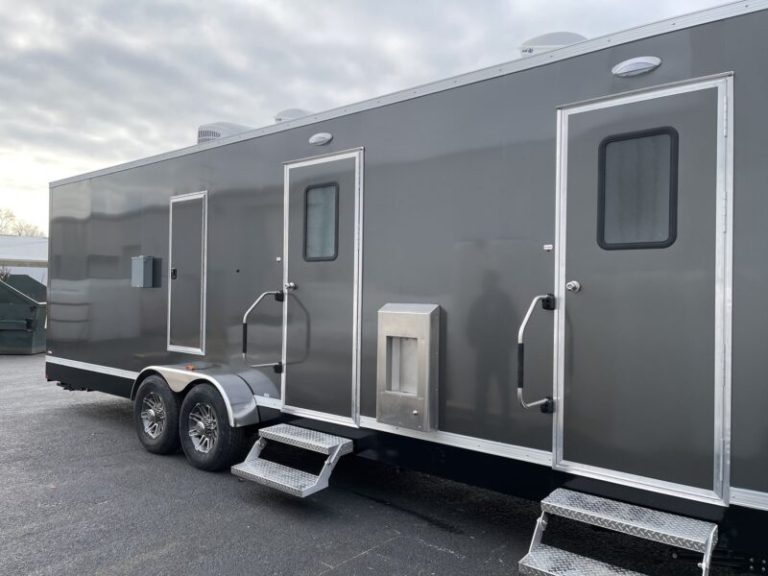
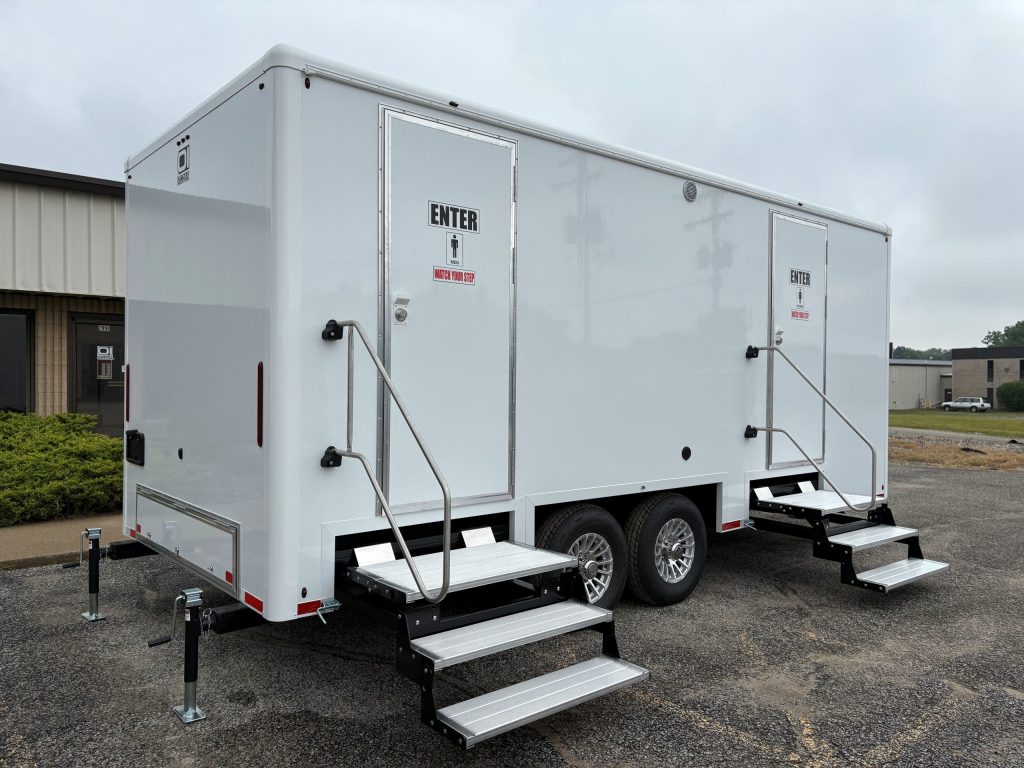
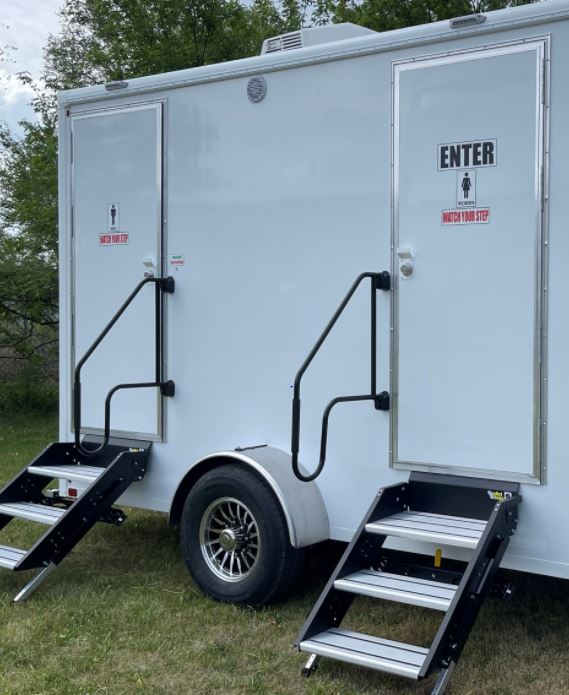
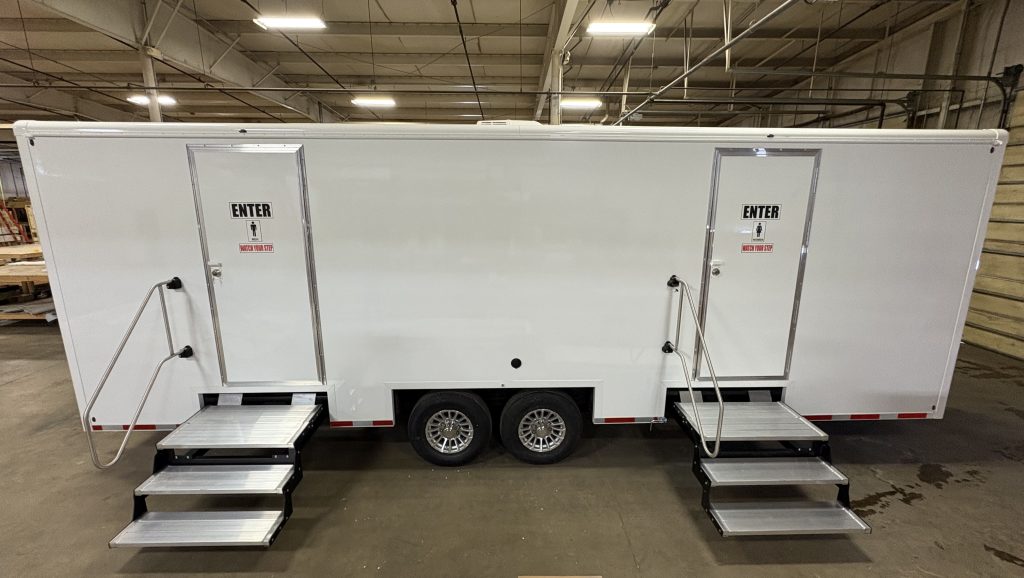
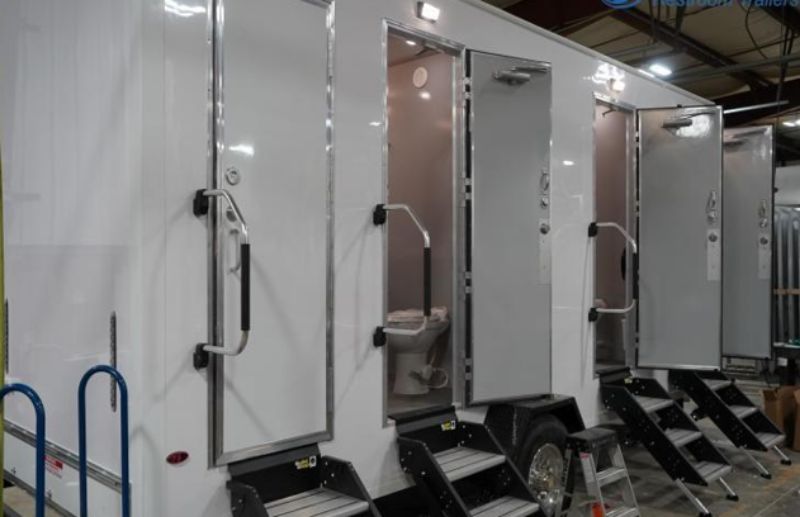
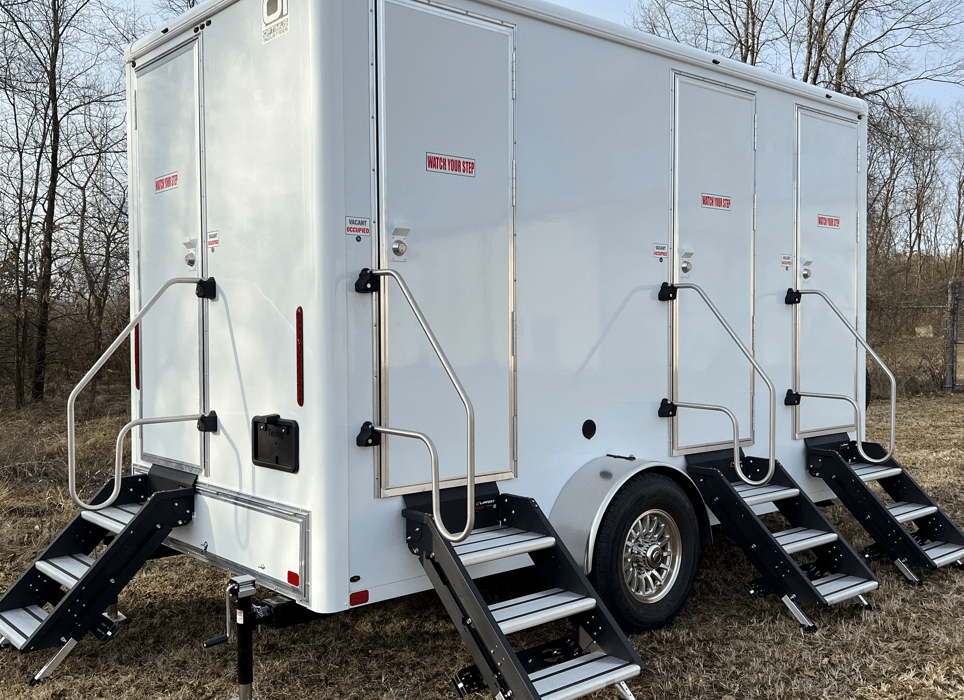
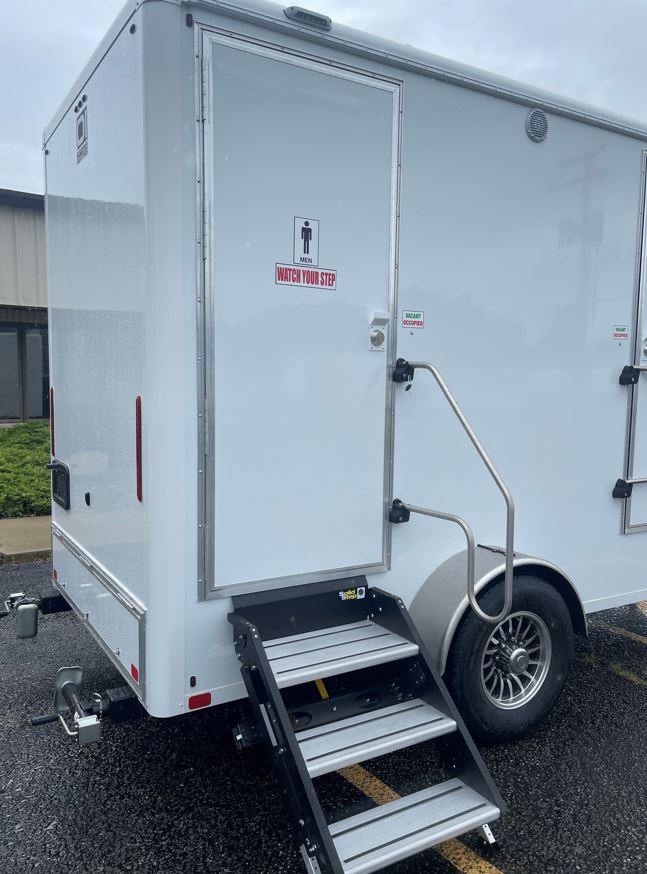
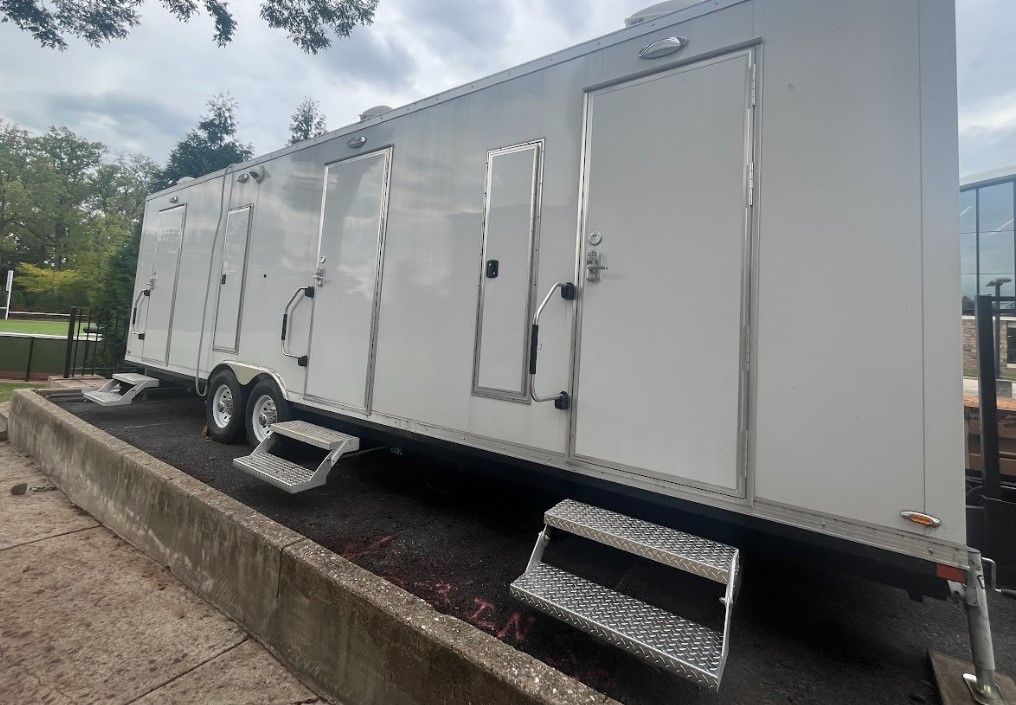
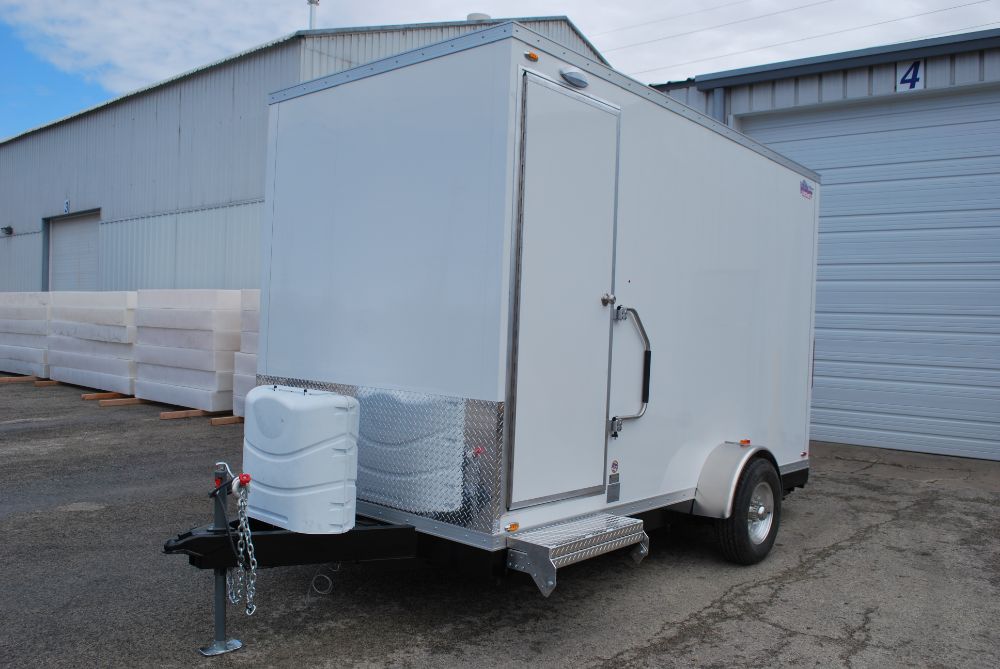
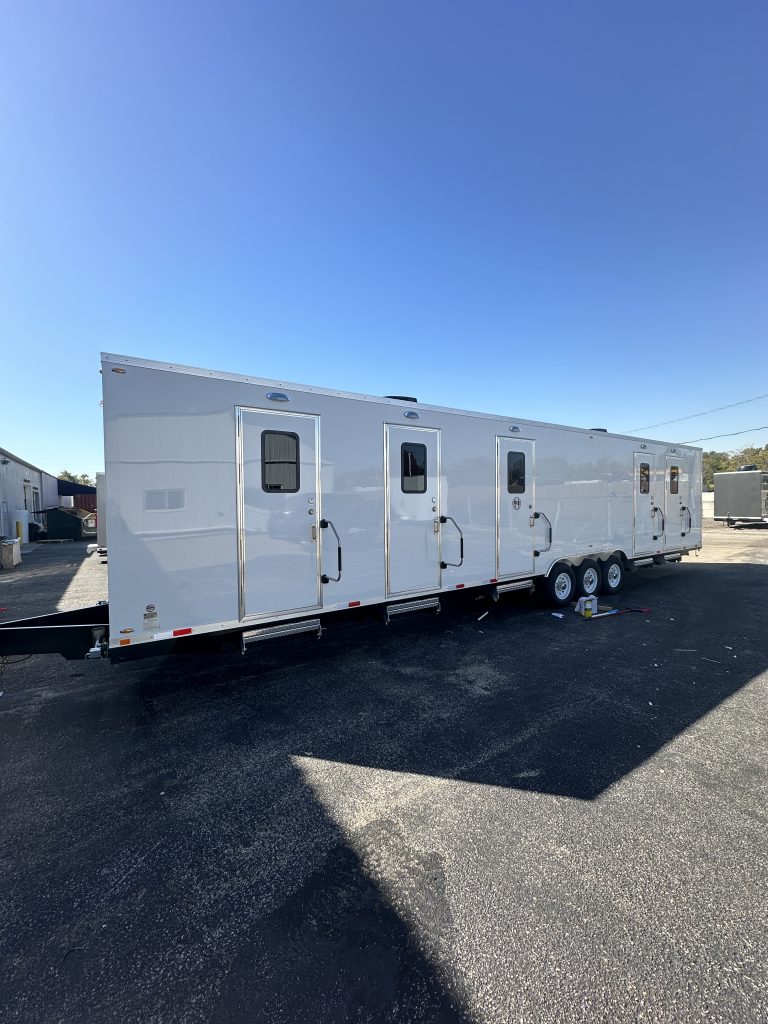
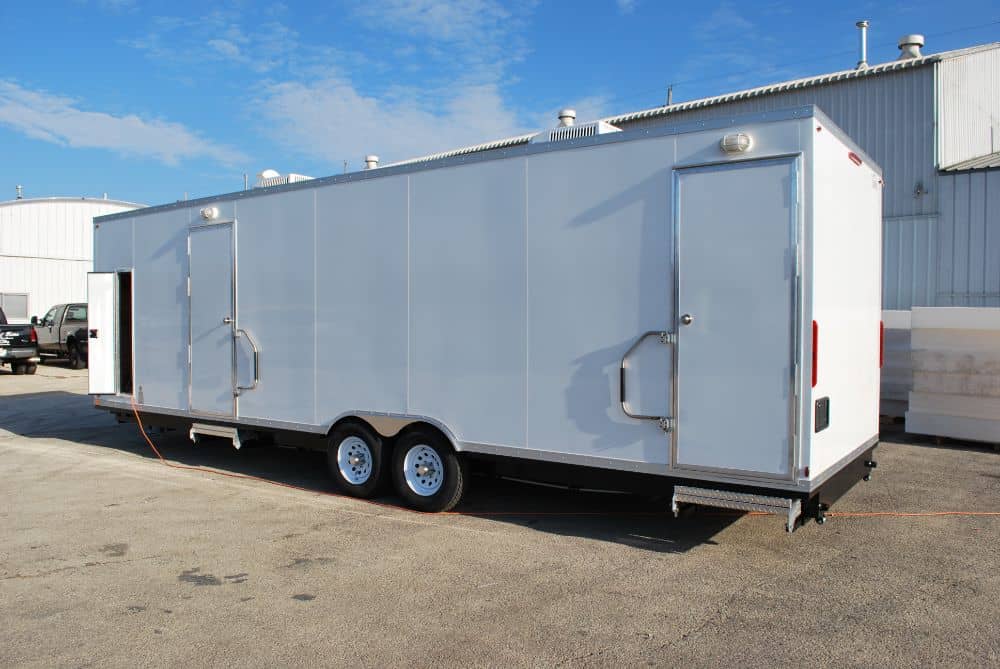
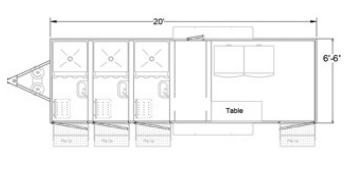
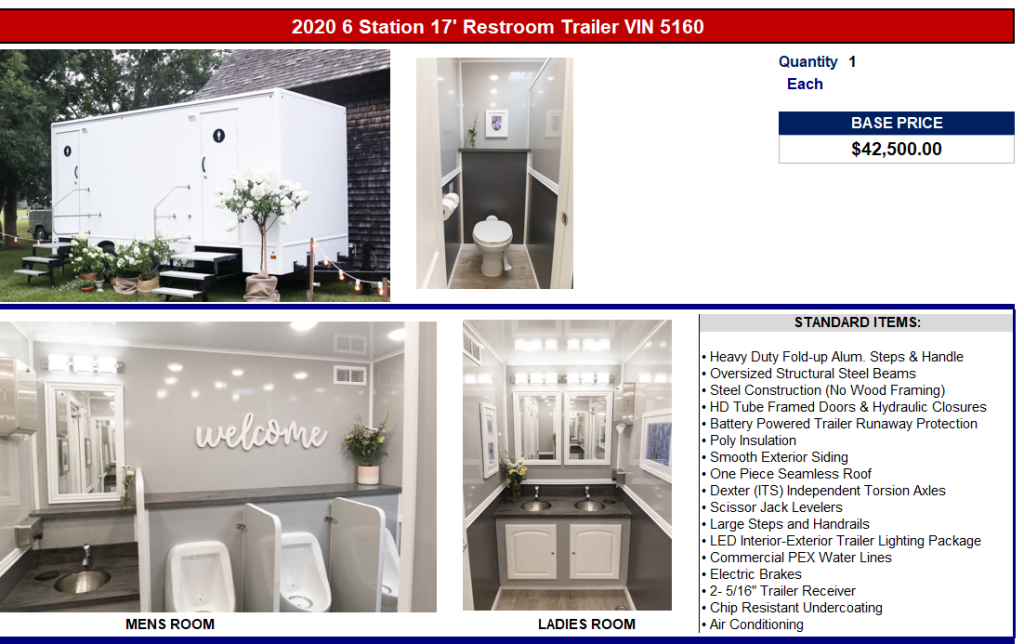
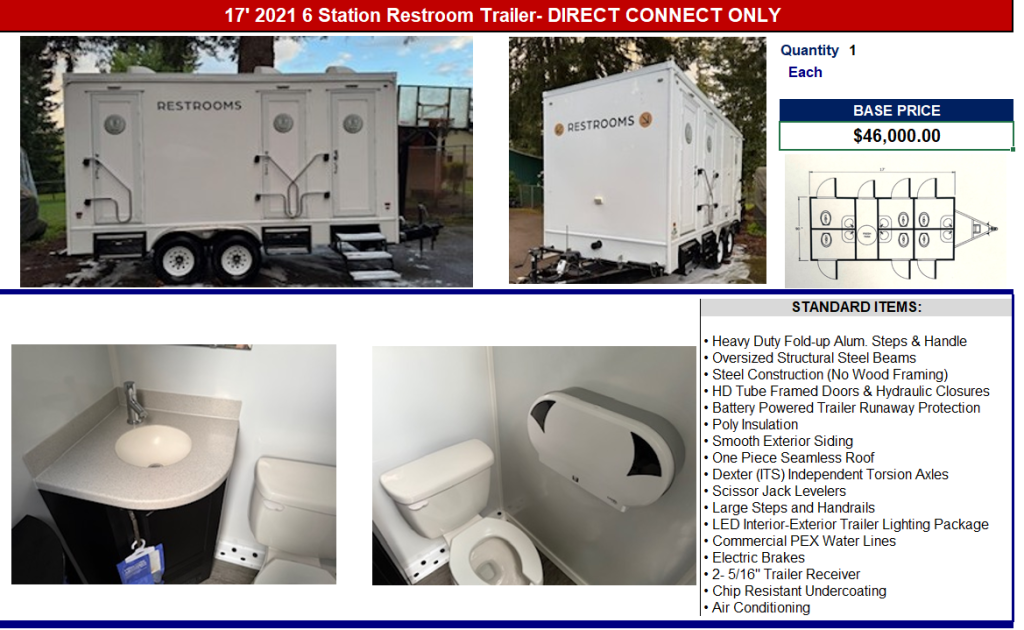
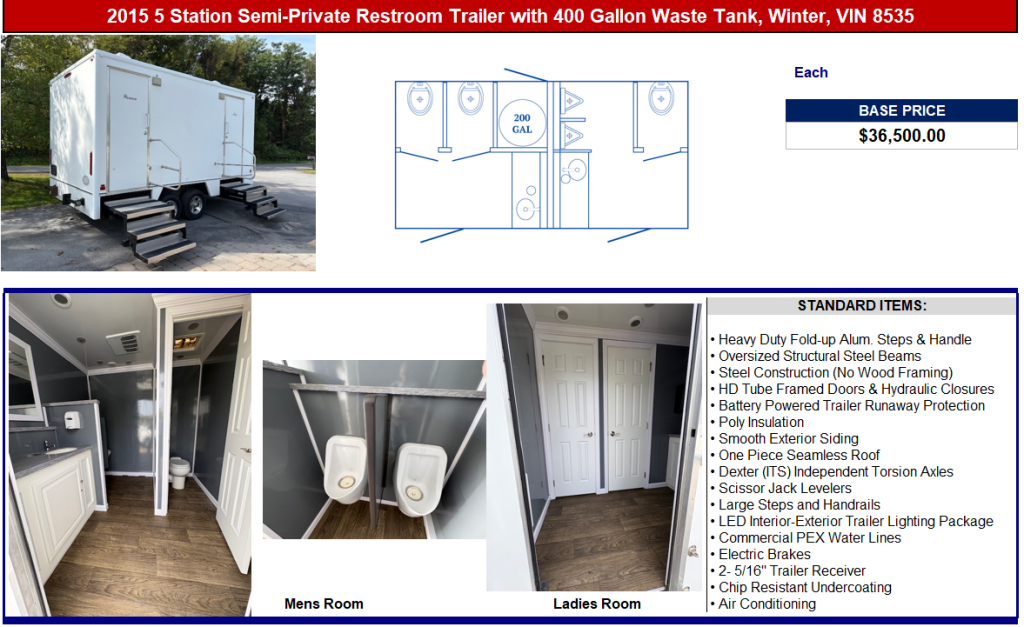
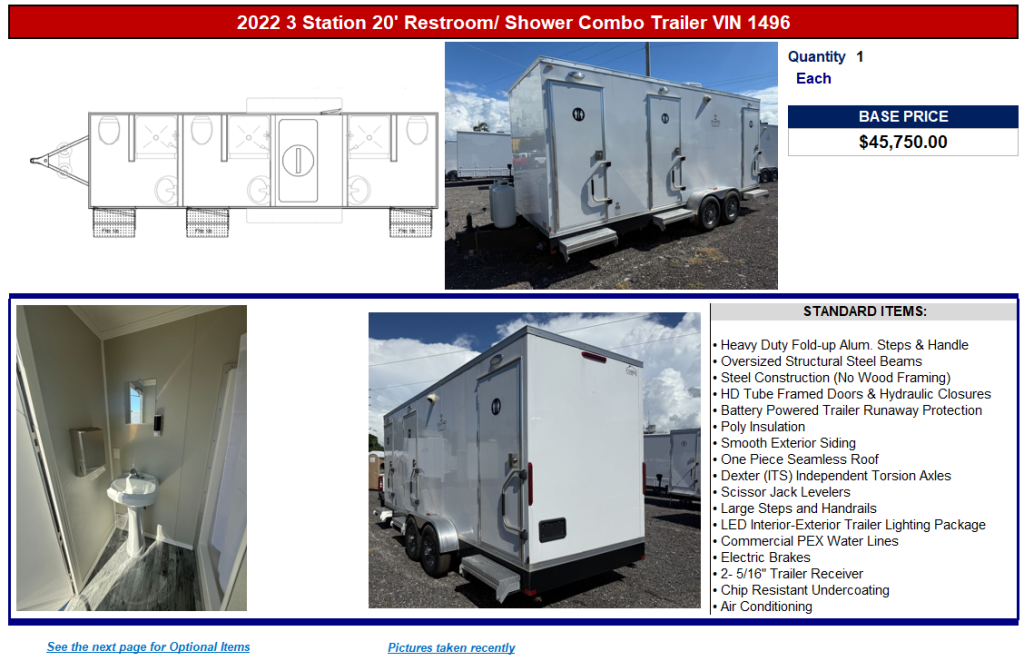
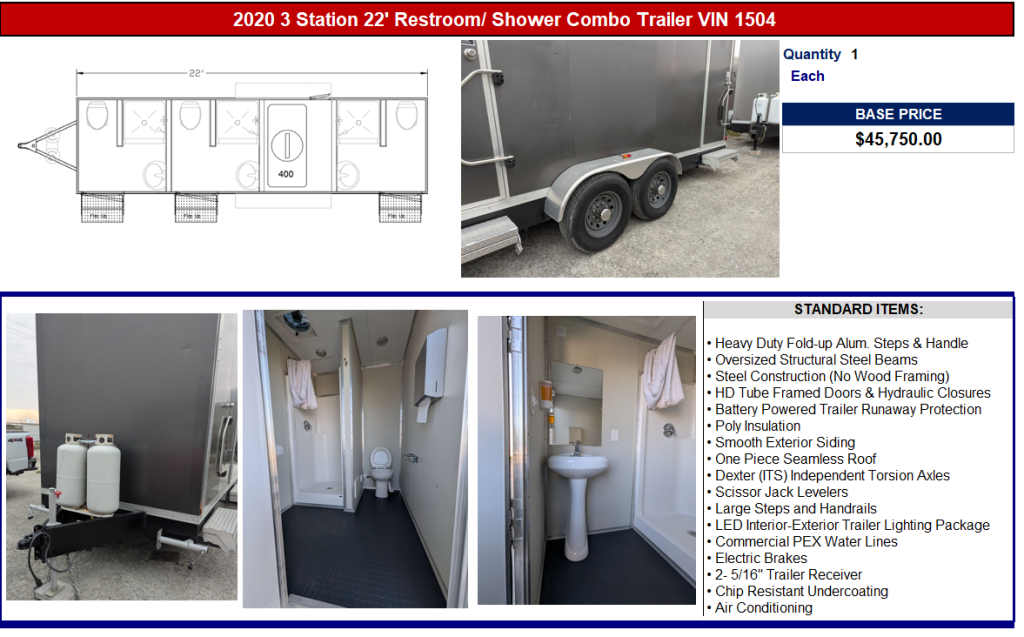
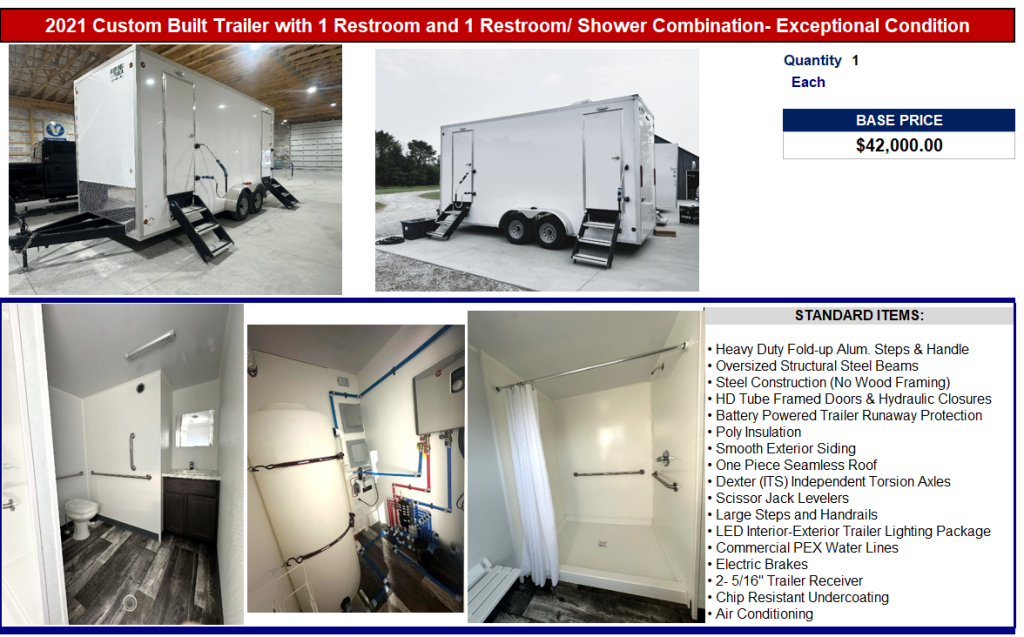
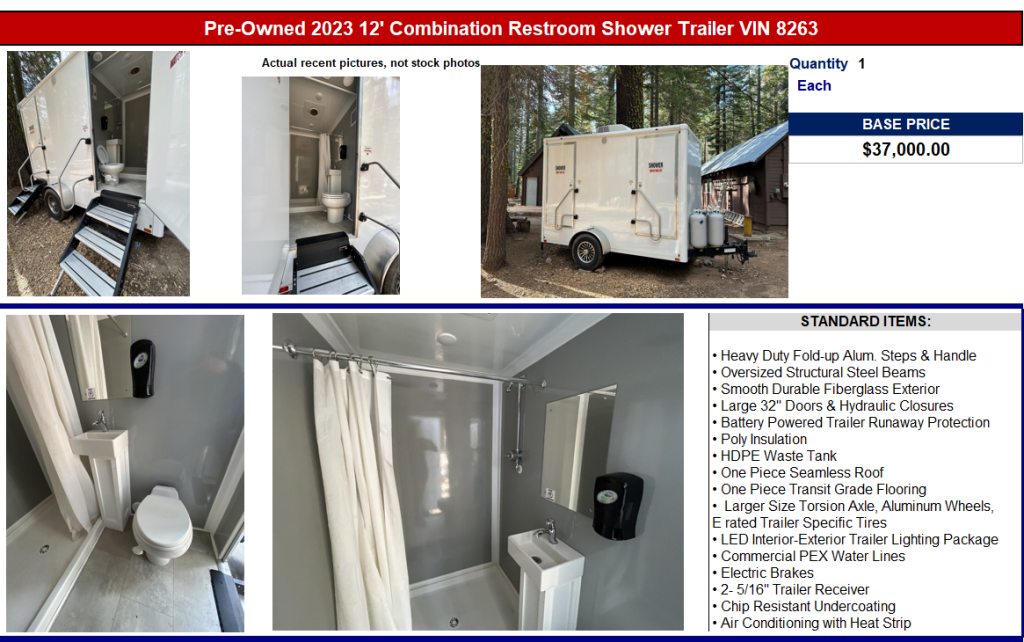
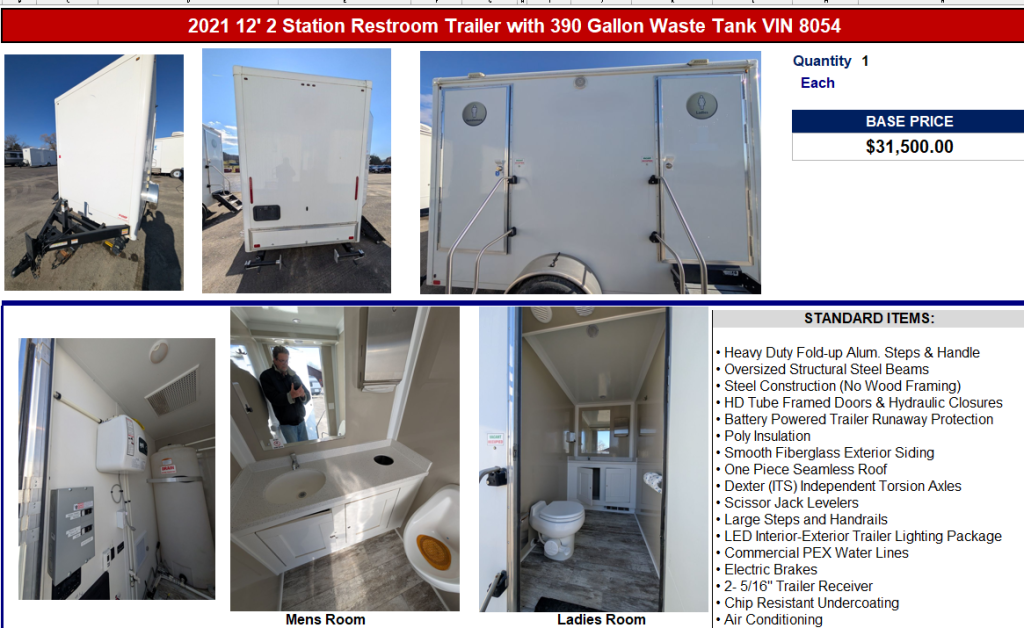
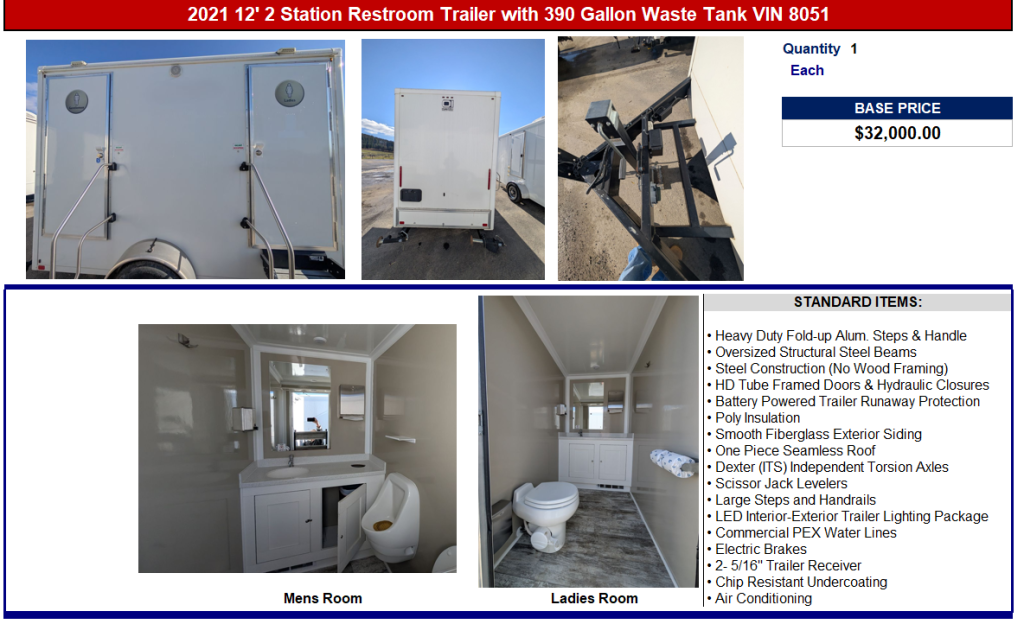
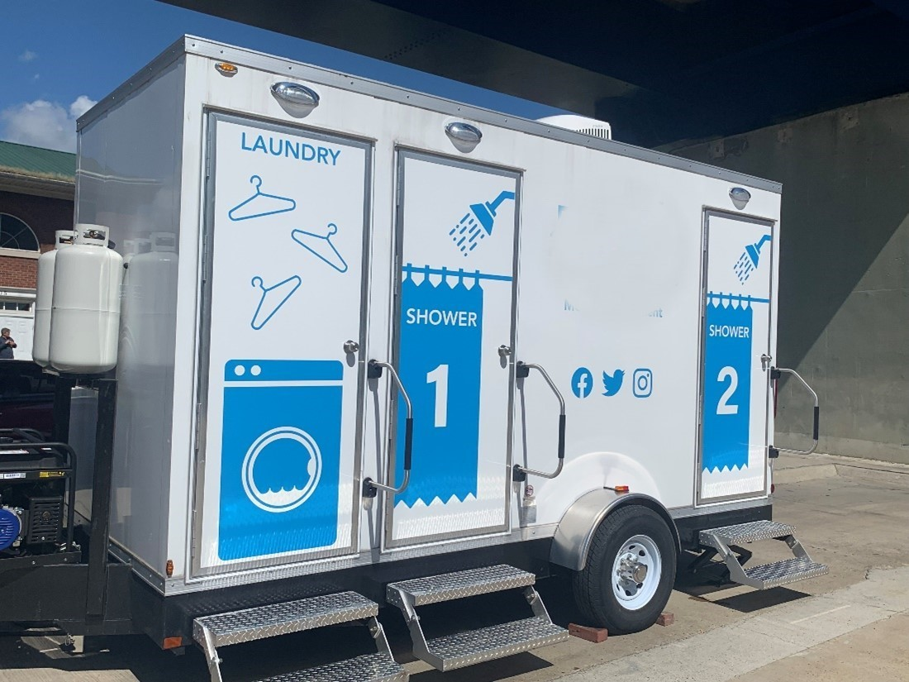
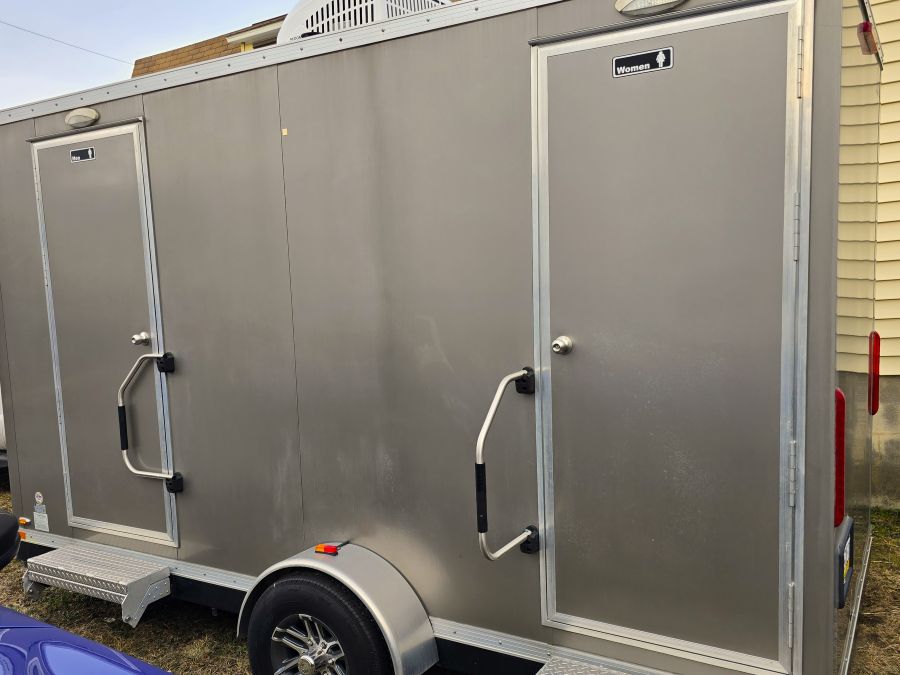
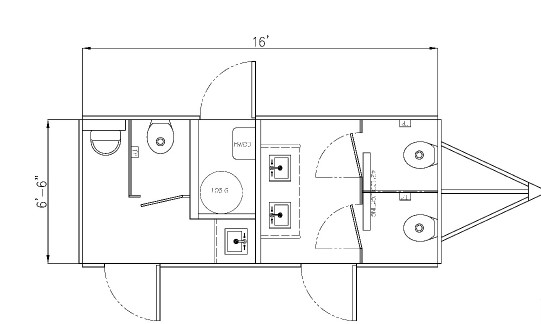
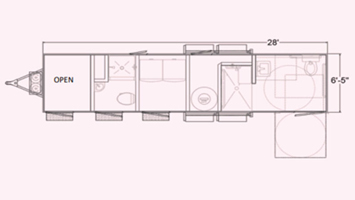
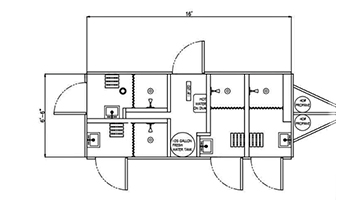
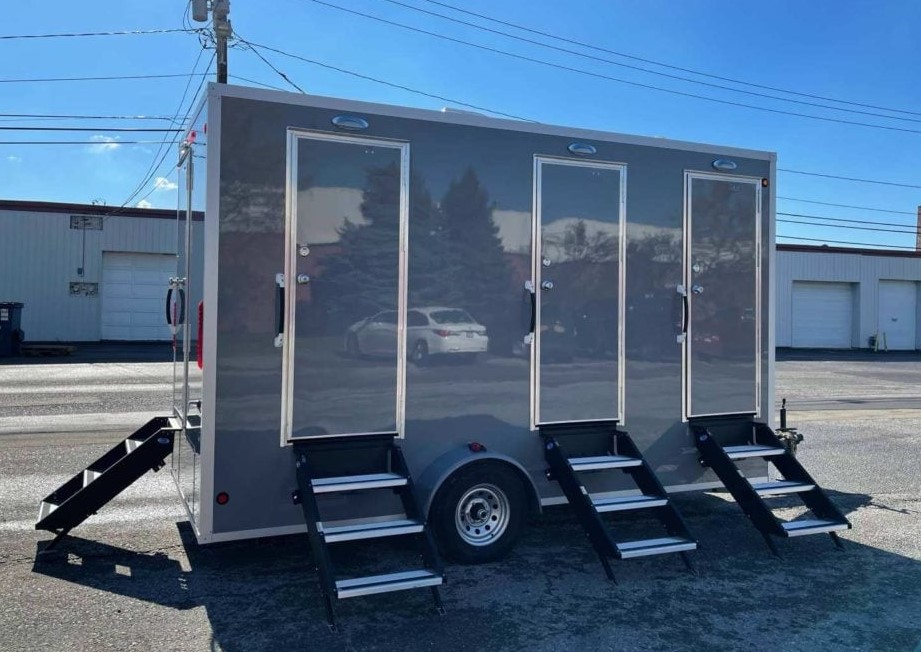
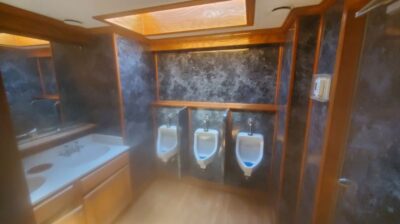
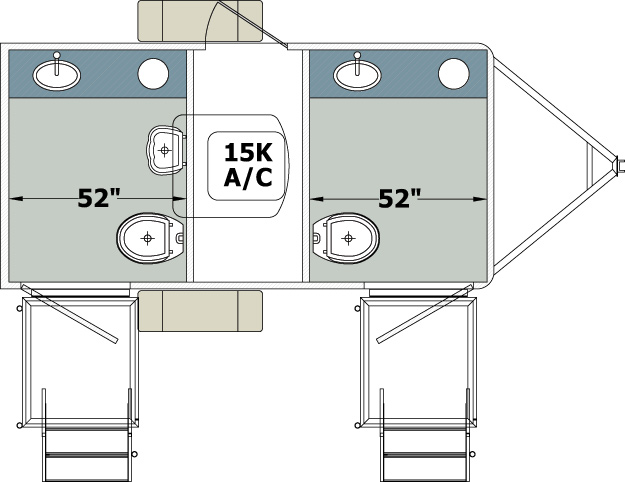
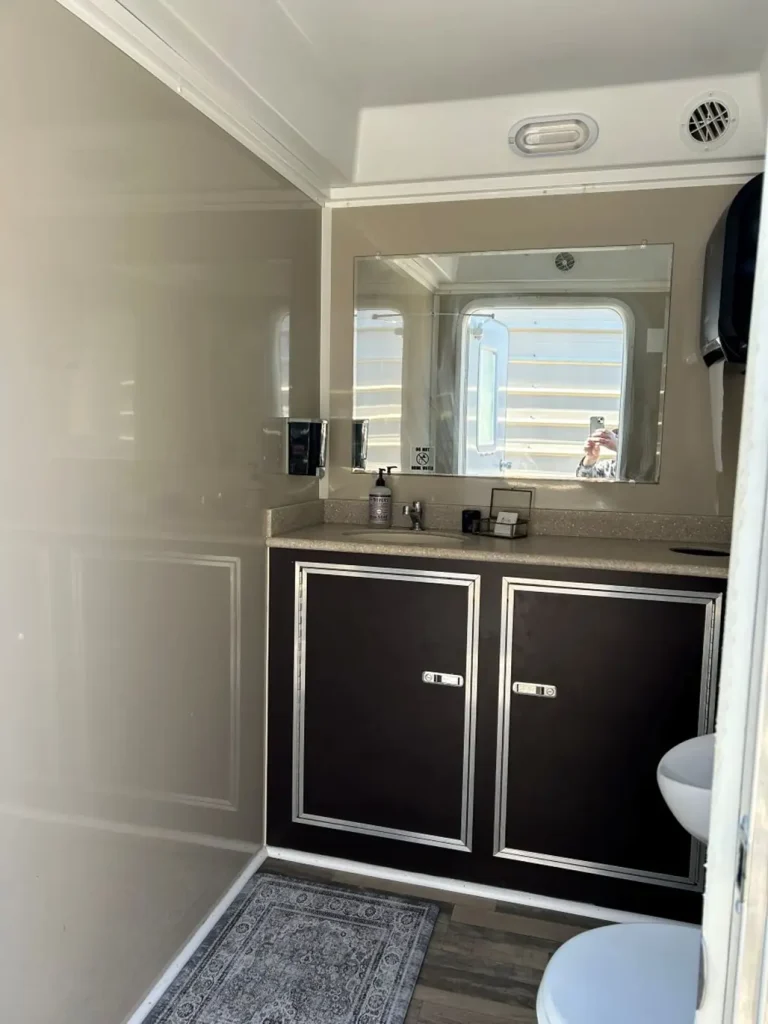
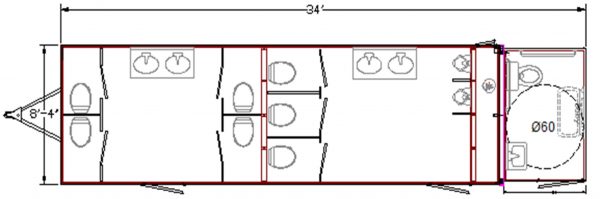
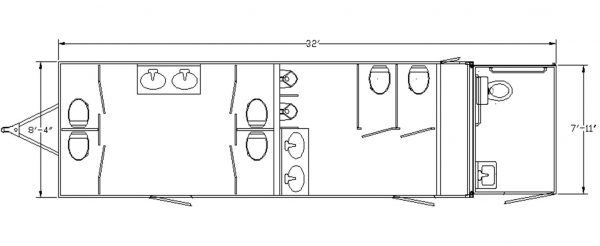
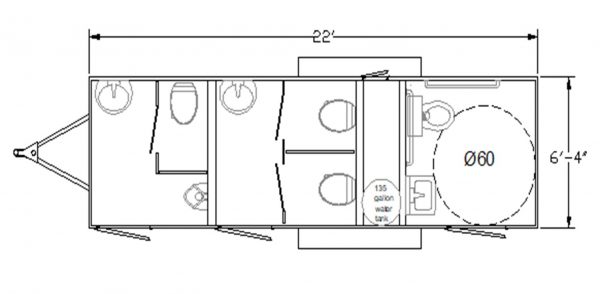
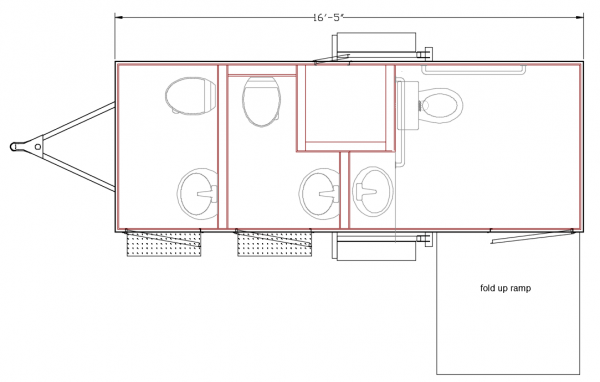
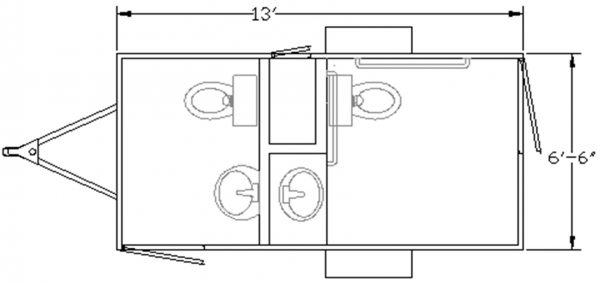
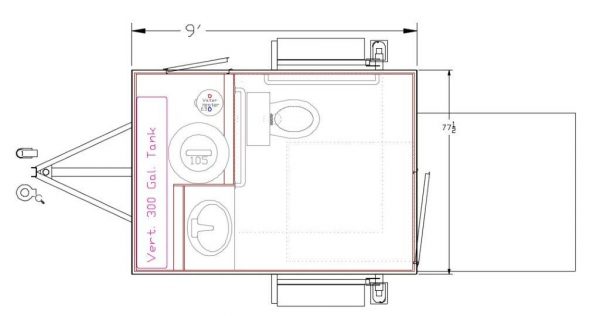
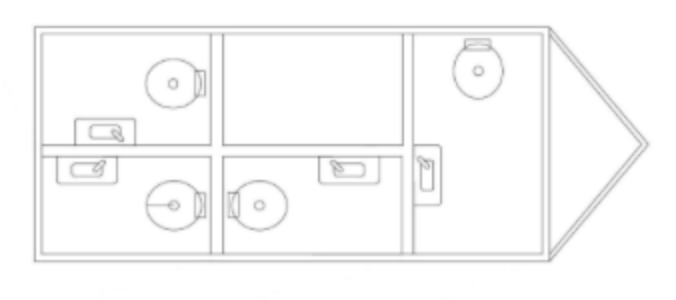
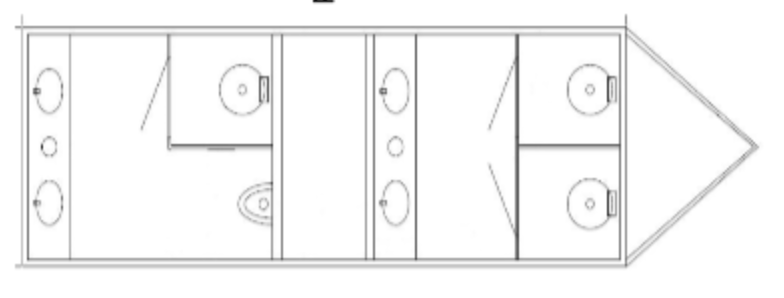
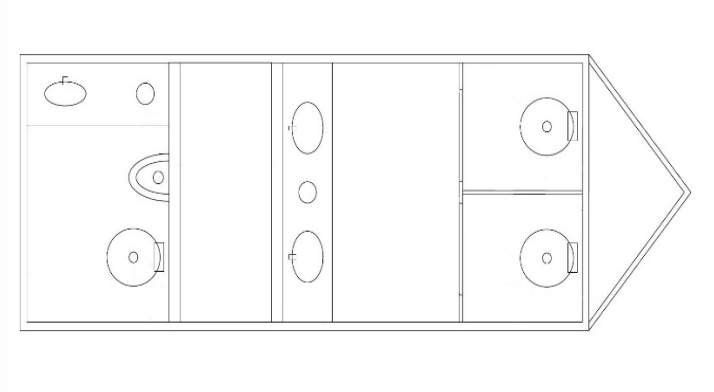
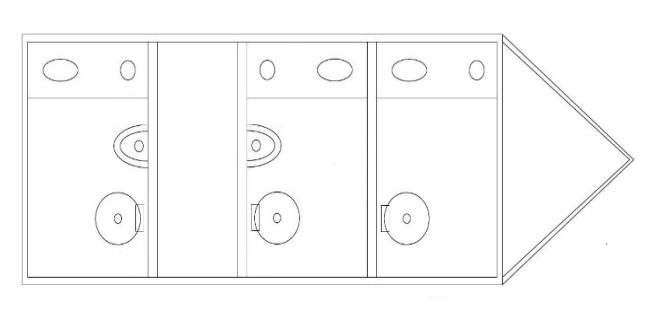
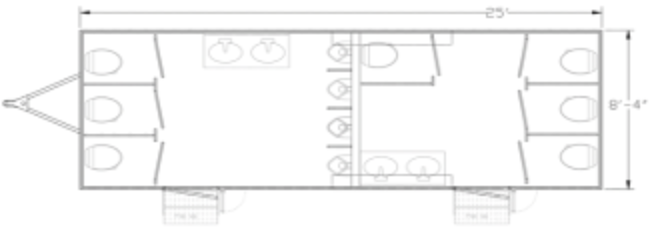
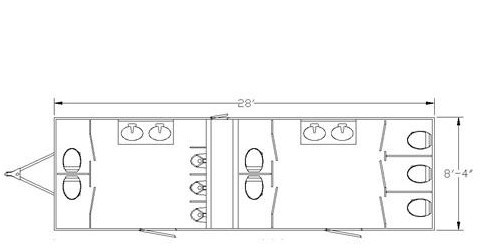
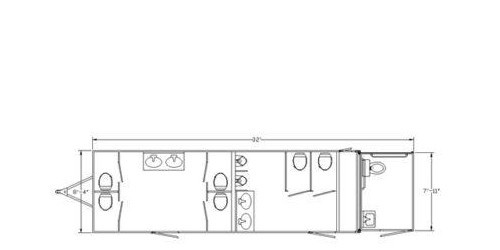
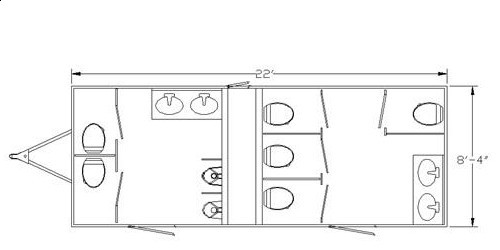
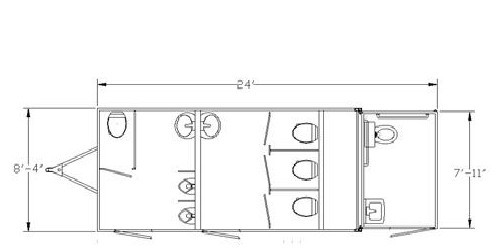
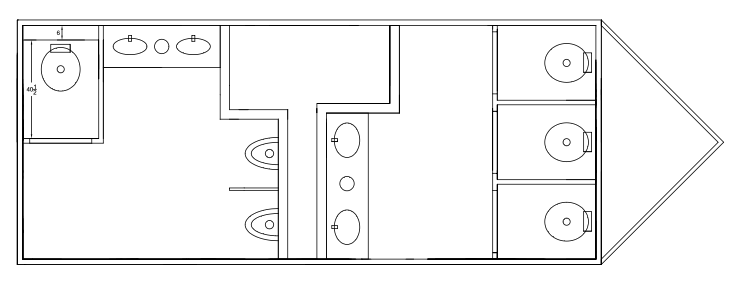
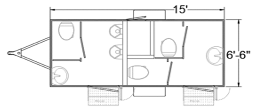
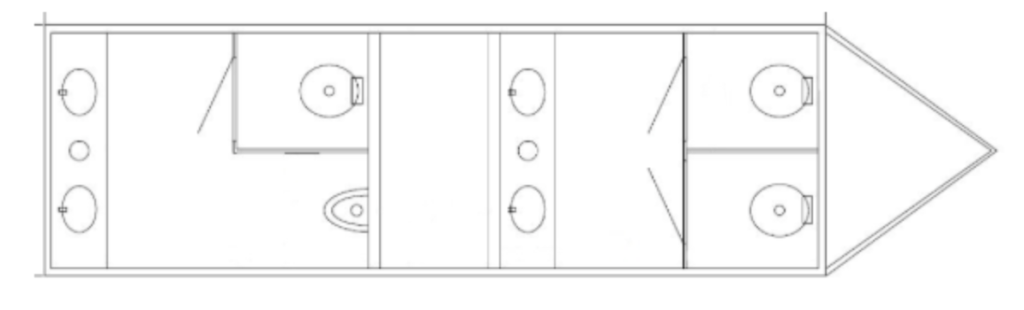
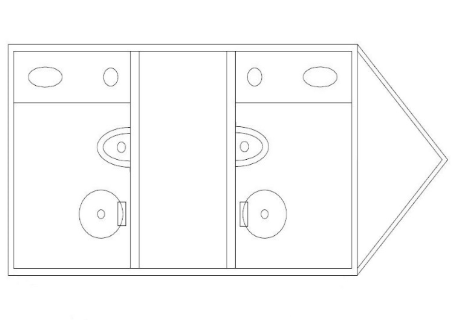
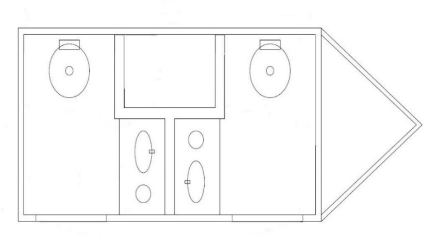
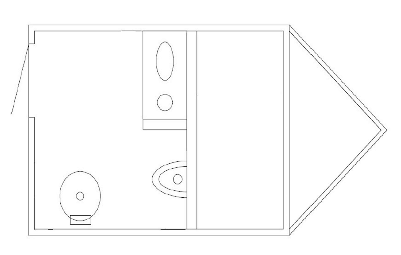
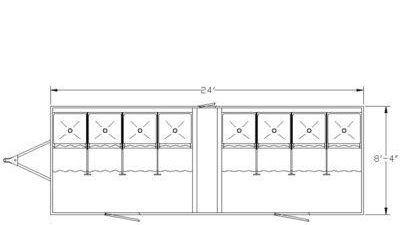
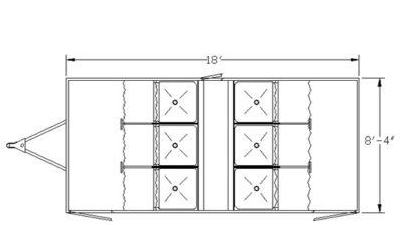
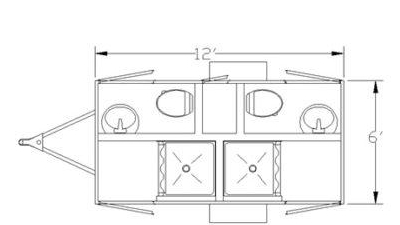
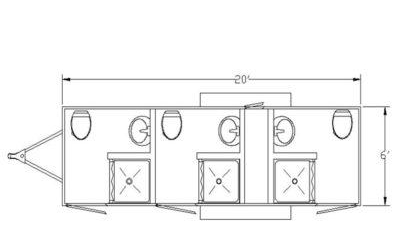
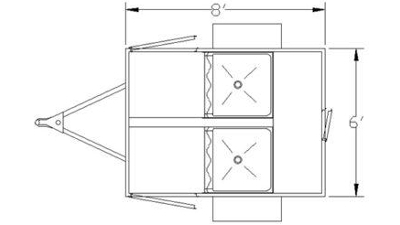
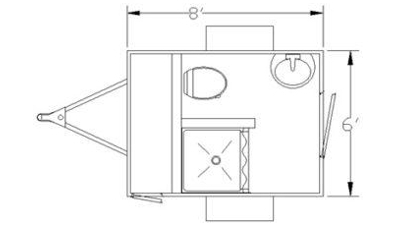
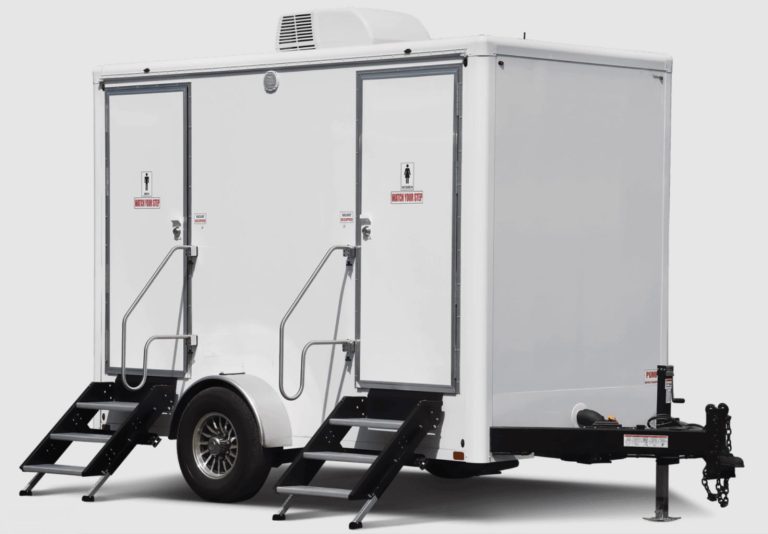
NRT’s inventory offers a variety of station counts. For smaller crowds, 2‑station trailers provide separate restrooms and sinks in a compact footprint. 4‑stall and 4‑station units serve mid‑sized events, while 10‑station trailers are designed for large gatherings. Luxury models add amenities like climate control, LED‑lit mirrors, and winter packages. NRT also highlights that trailers can include accessibility features like ramps and grab bars, and some models combine restrooms and showers for multi‑day events or camps.
Example scenarios
- Intimate gathering (75 guests, 3‑hour reception) – Start with the baseline of 1–2 trailers (75/50 = 1.5). Since the event is short and the guest counts modest, a single 2‑station trailer may suffice. If the guest list leans female, add a second unit to minimize wait times.
- Outdoor wedding (150 guests, 5‑hour ceremony + reception with dinner and bar) – 150 guests translate to three trailers. Because the event is longer and includes a meal and drink, NRT recommends adding at least one extra trailer. A 4‑stall trailer paired with a 2‑station unit offers six stalls, accommodating peaks in usage.
- Large festival (300 guests, full‑day event) – Divide the guest count by 50 for a baseline of six trailers. A combination of two 10‑station trailers and one 3‑station unit spreads capacity across your site. Place the larger trailers near main stages and the smaller unit near secondary attractions to reduce walking distance. Add additional ADA‑compliant units if your attendee demographics require them.
Why partner with NRT
NRT’s expertise extends beyond selling trailers. Their team offers free consultations to help determine the exact specifications needed for your project or event. With the largest and most diverse inventory—from single‑stall units to multi‑station luxury models—NRT can tailor a solution that meets your guest count, layout, and accessibility requirements. They also provide maintenance tips and support to keep your units running smoothly.
Are you ready to plan your next event? Contact NRT for a personalized quote and rest assured that your guests will enjoy clean, comfortable facilities.
FAQs
-
How many restroom trailers do I need?
Start with one trailer for 50 guests and adjust for event length, guest demographics and venue layout. Add trailers for longer events, more beverages, or female‑skewed crowds.
-
Do I need a permit or utilities?
Most portable restroom trailers need a power source, and it’s important to check local regulations for placement and operation because permits may be required. Some units operate on a 12‑volt power system that eliminates the need for constant external power, but you should still confirm site requirements with NRT.
-
What types of trailers are available?
NRT offers standard, luxury, ADA‑compliant, and shower trailers. Each type provides different comfort and accessibility levels, and some include combined shower and restroom facilities.
-
How long does the delivery take?
Portable restroom trailers usually require 2–3 days of lead time for delivery. Plan with NRT’s sales team to ensure your trailer arrives before your event.
-
Can I customize a restroom trailer?
Yes. NRT can adjust layouts and add amenities like climate control, ramps, or winter packages. Shower trailers can even include fresh‑water tanks for full hygiene stations.
-
What maintenance is required?
Regular upkeep involves emptying waste tanks, checking plumbing for leaks, restocking supplies, and cleaning high‑touch surfaces.
-
Should I rent or purchase a trailer?
NRT suggests renting one‐time events and purchasing for regular use, as buying may be more cost‑effective over time. Their team can help you evaluate the frequency of use and budget to decide.