What to Look for When Buying a Portable Restroom Trailer
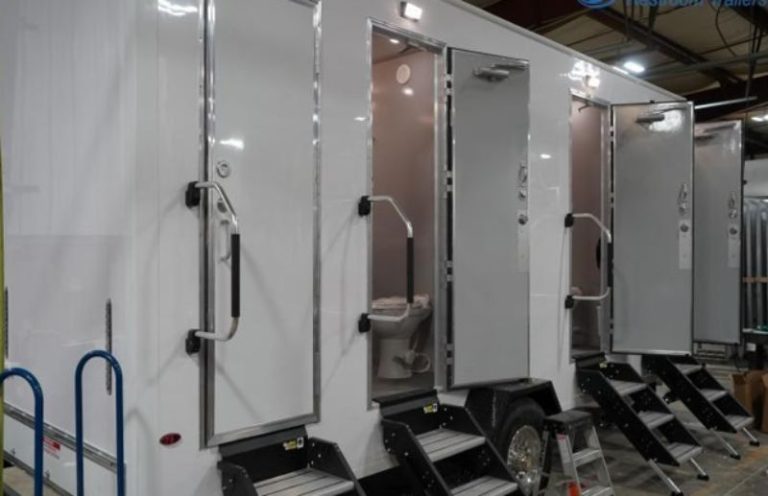
Purchasing a portable restroom trailer is a long-term investment that requires careful consideration. Whether you’re buying for construction sites, events, municipalities, or business operations, selecting the right unit can impact performance, maintenance costs, and overall user experience.
Understanding what to look for before making a purchase ensures you choose a restroom trailer that meets your operational needs while delivering long-term value.
Determine Your Usage Needs
The first step in selecting the right restroom trailer is understanding how it will be used. Different environments require different features, layouts, and durability levels.
For example:
- Construction sites require rugged, high-capacity units
- Events often prioritize appearance and guest comfort
- Municipal or long-term deployments require durability and compliance
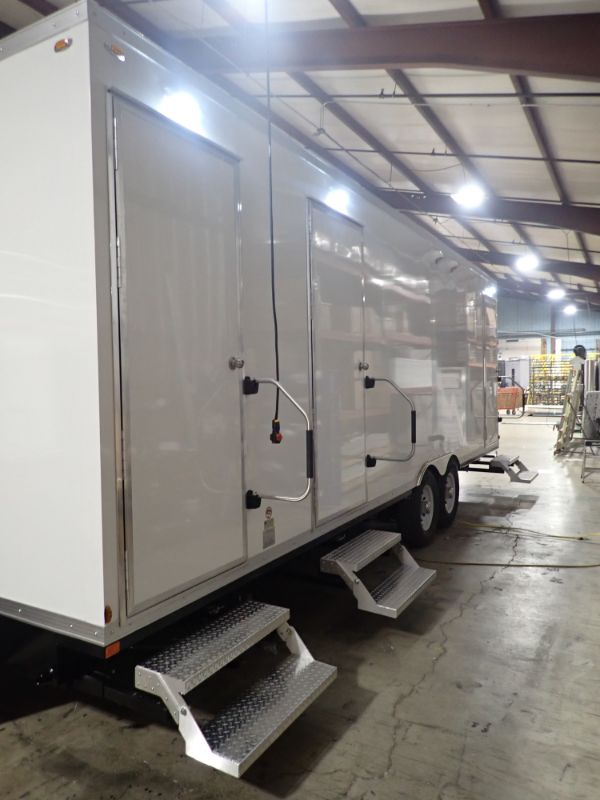
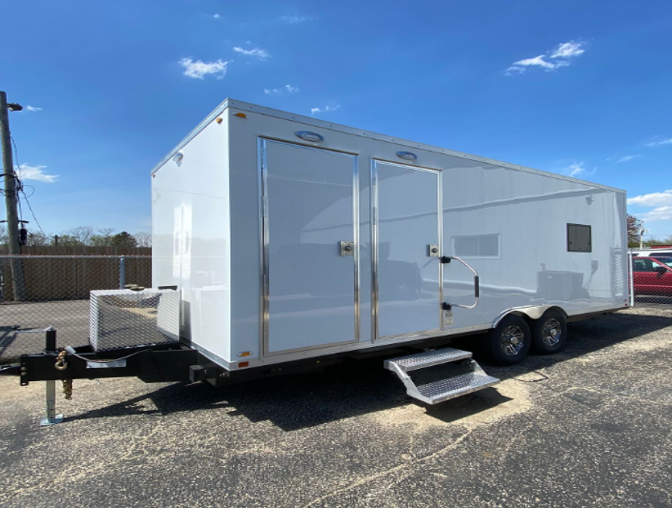
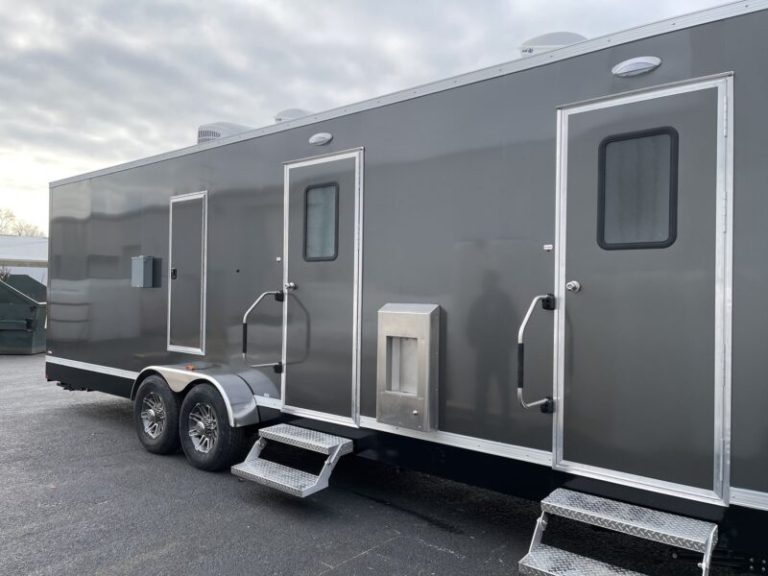
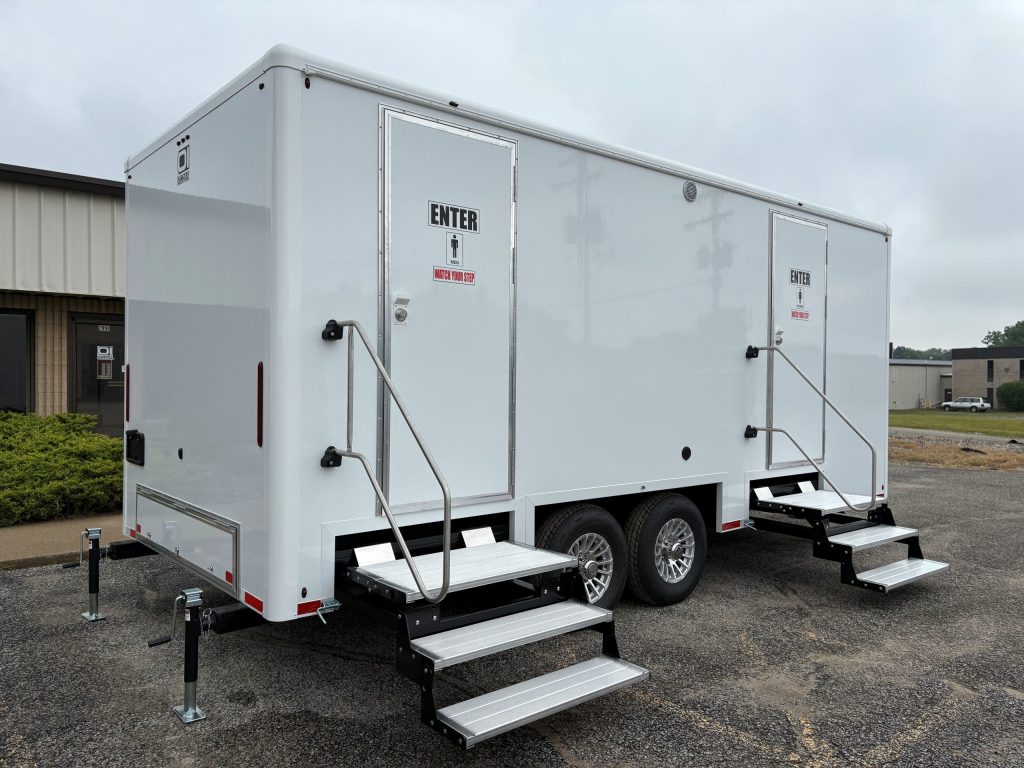
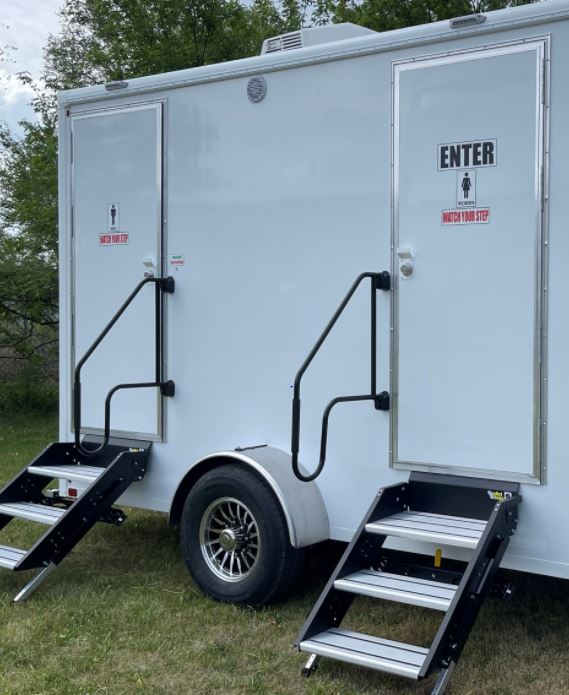
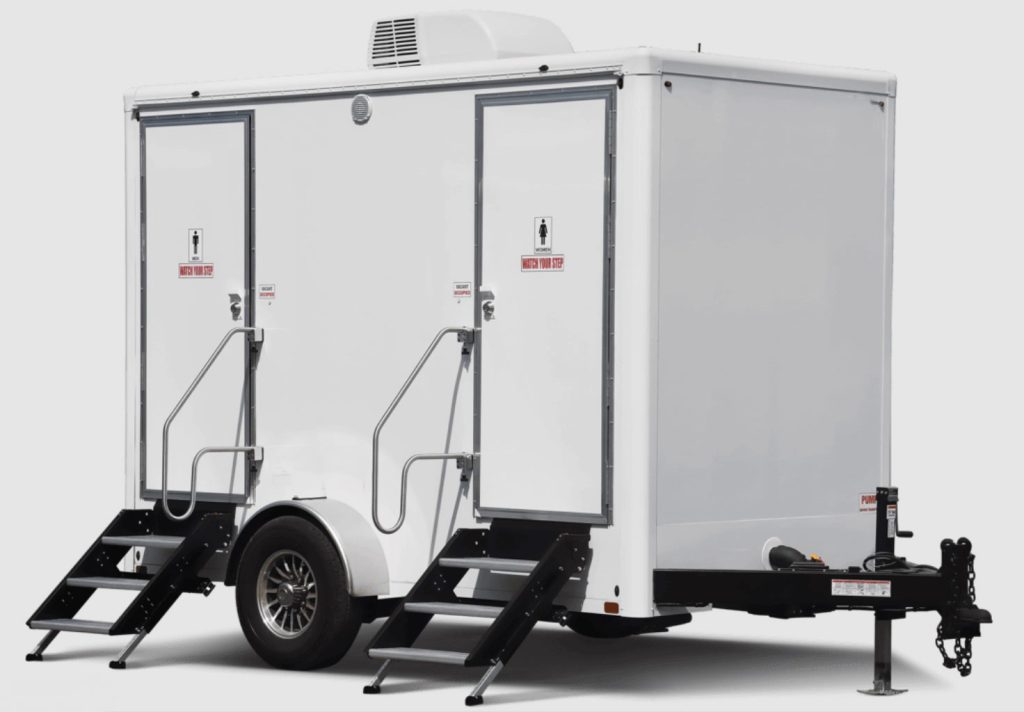
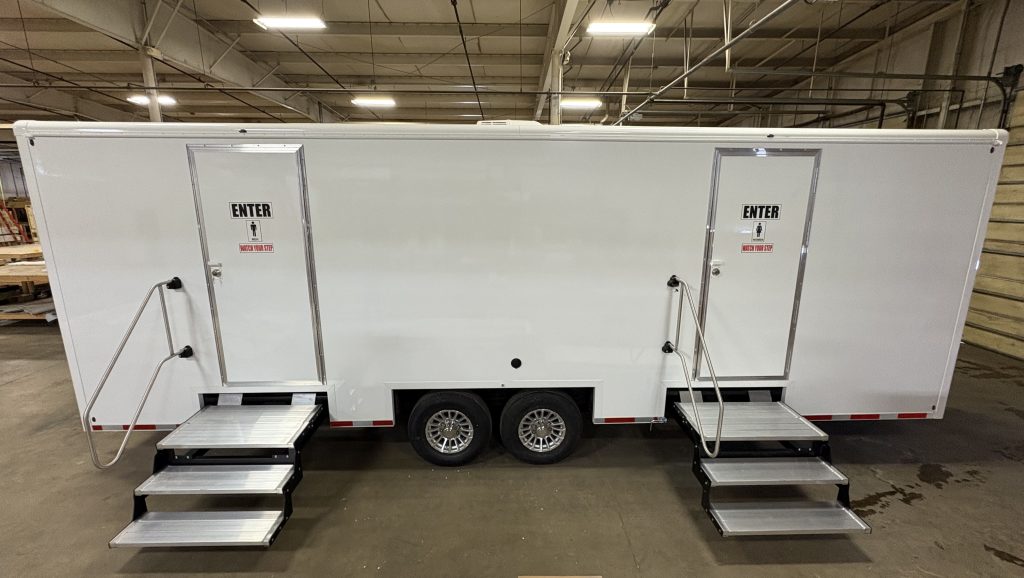
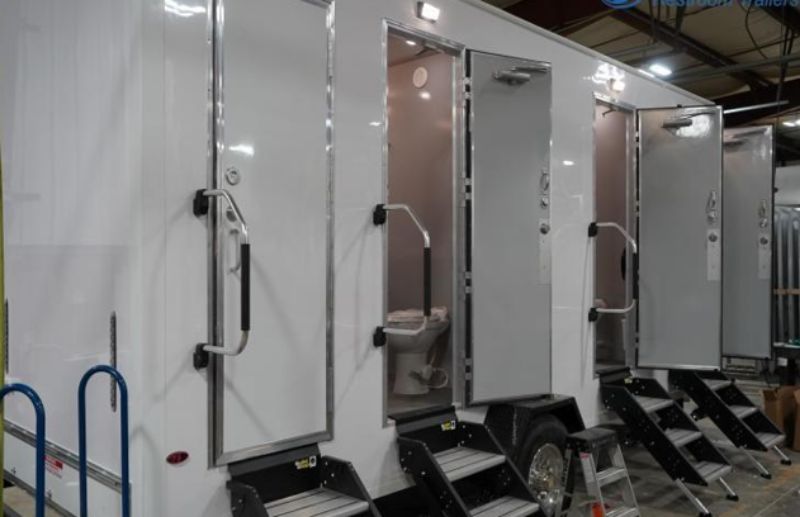
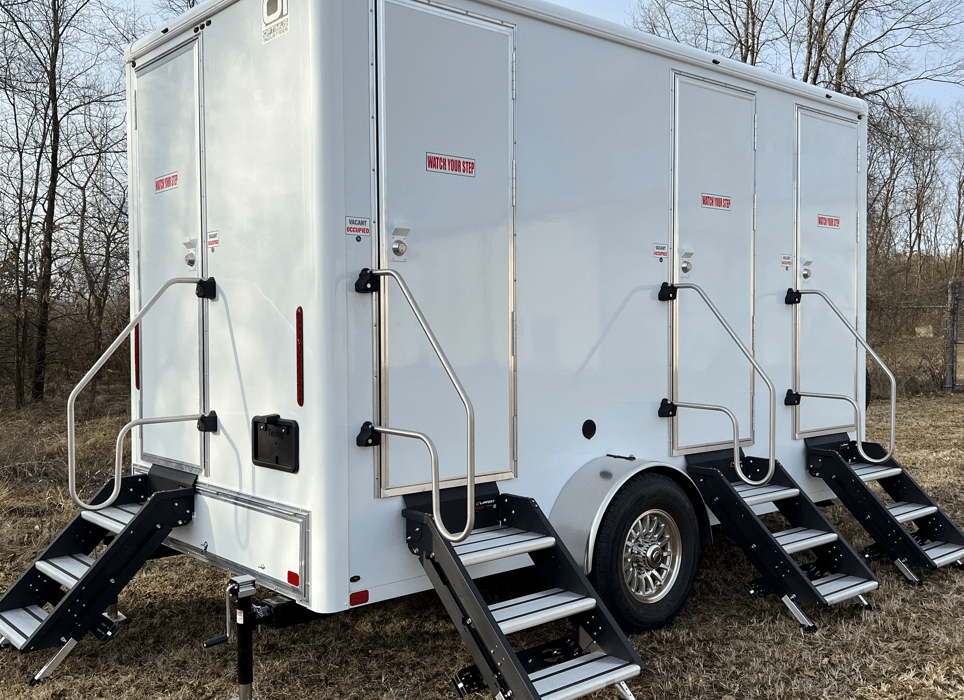
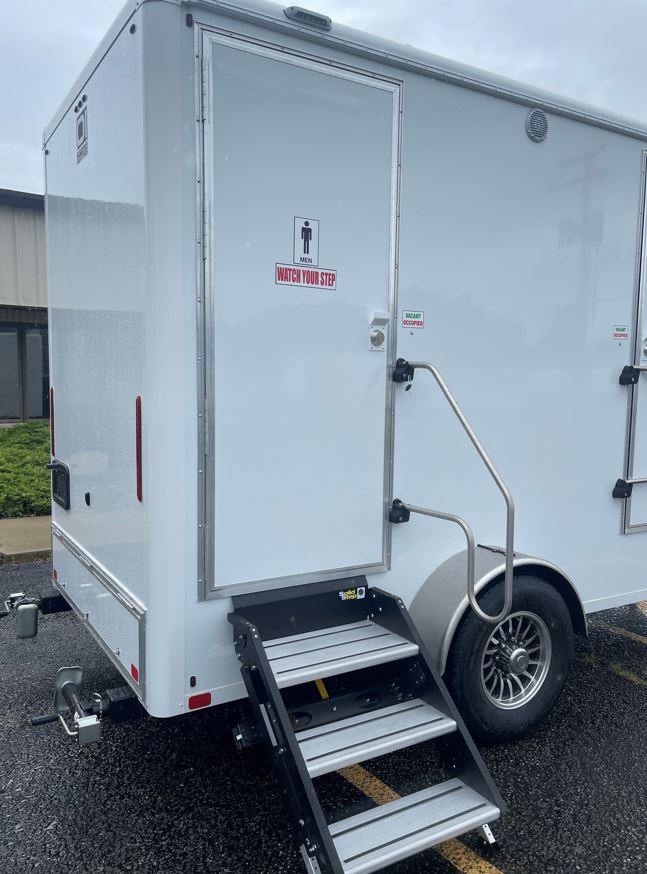
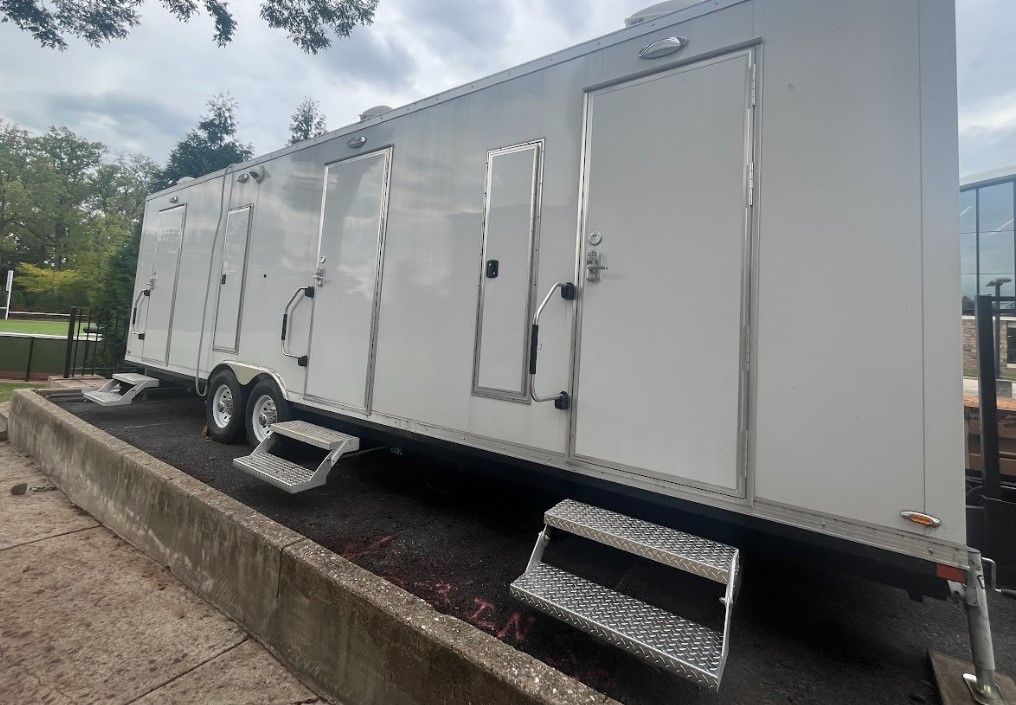
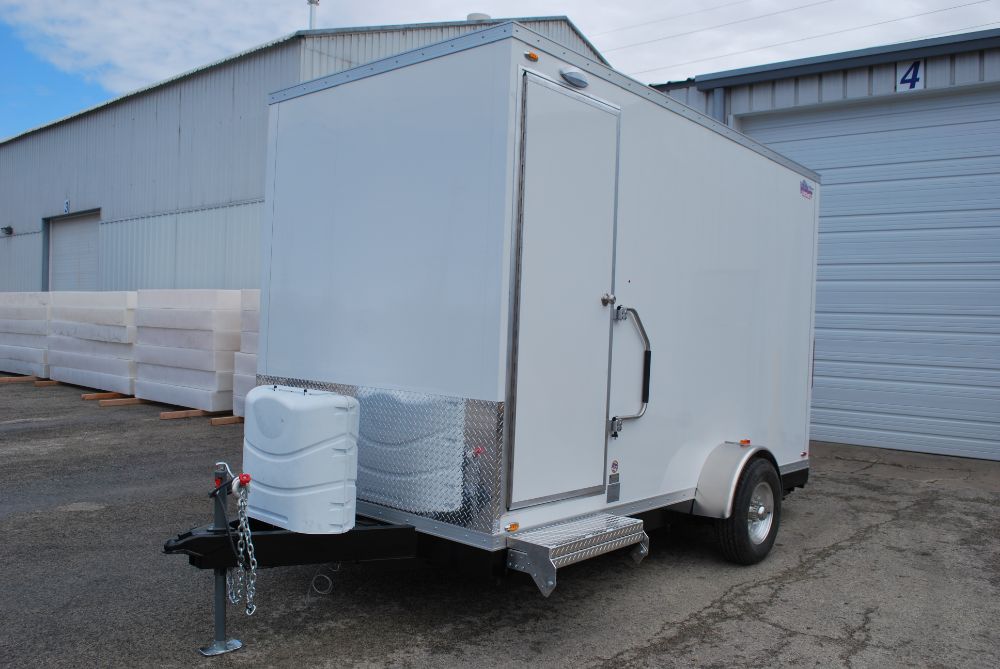
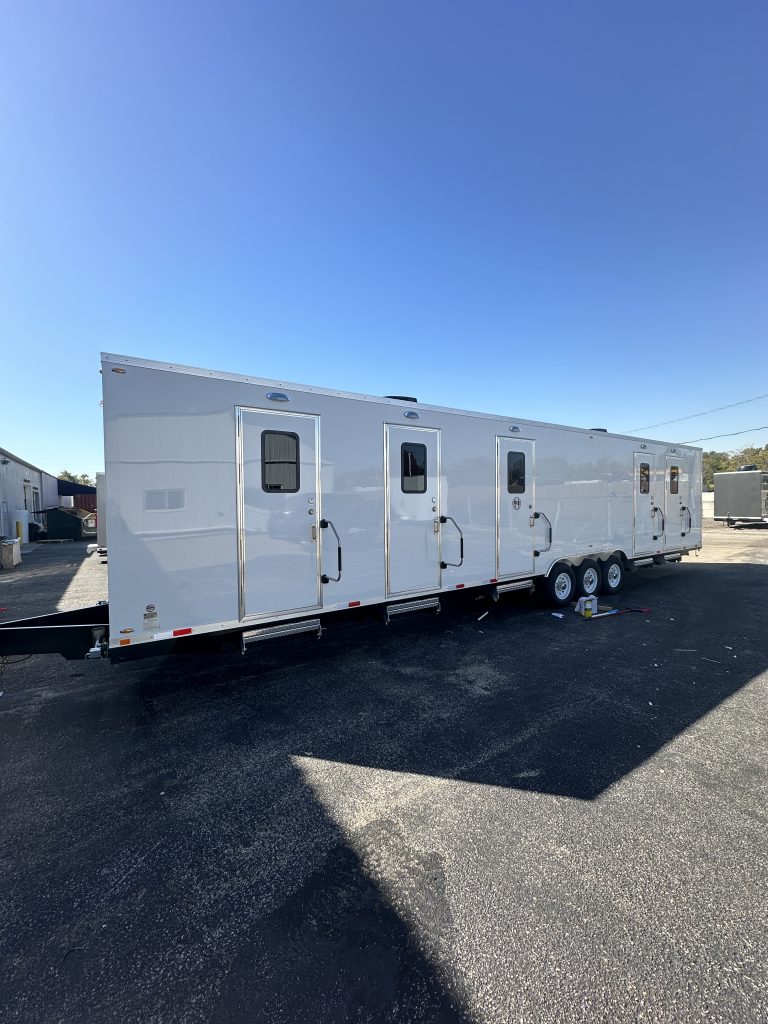
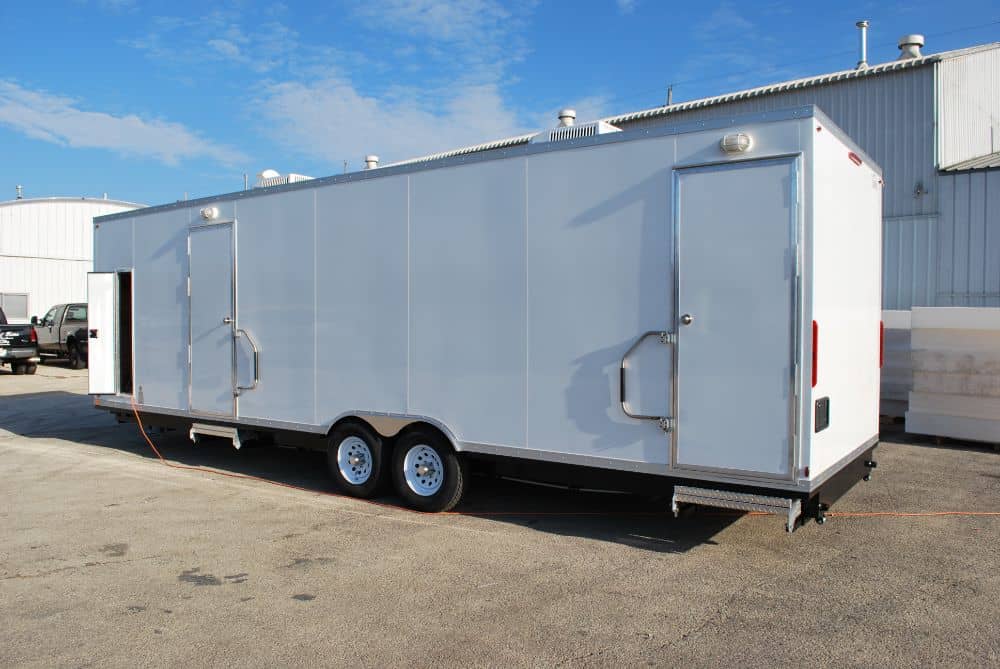
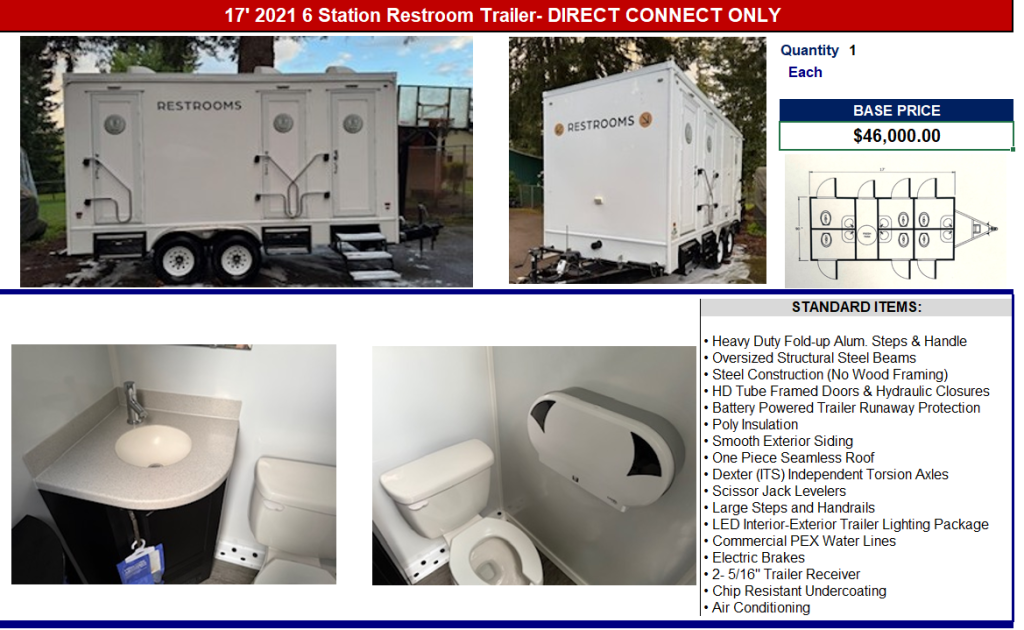
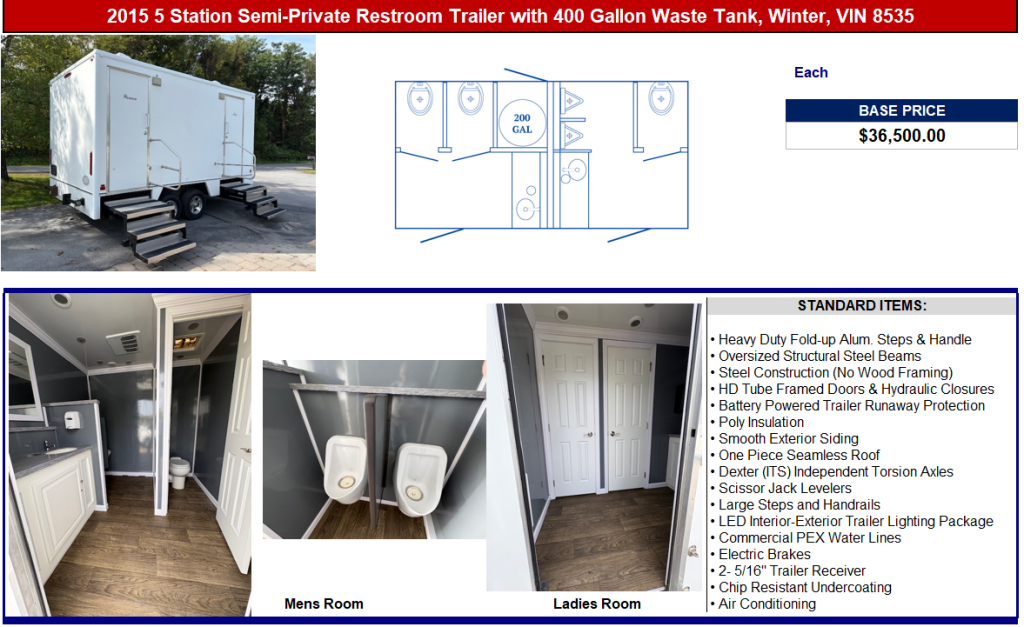
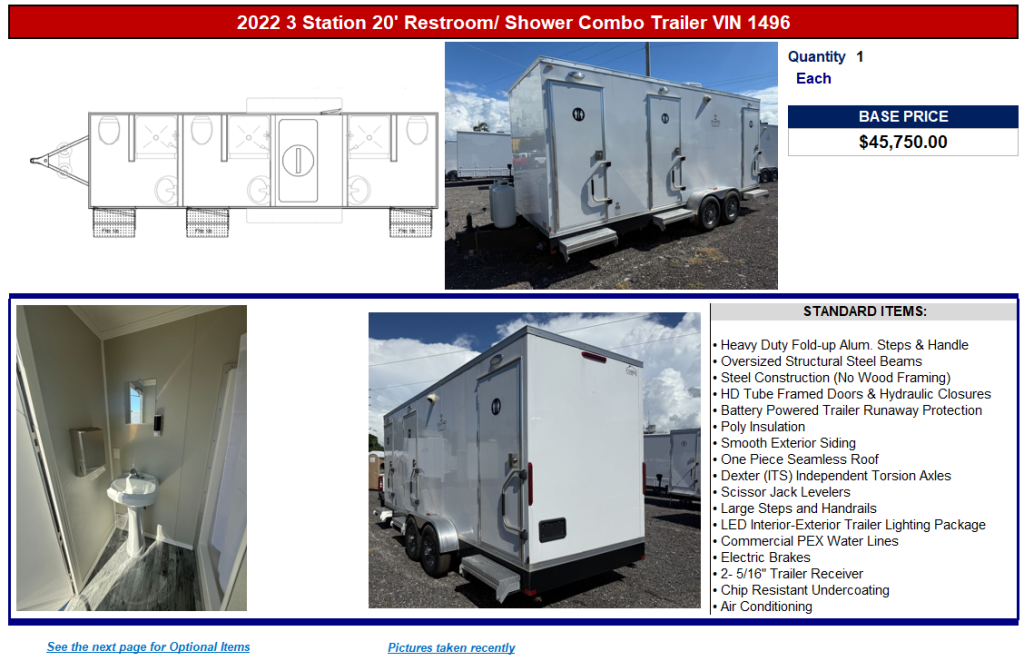
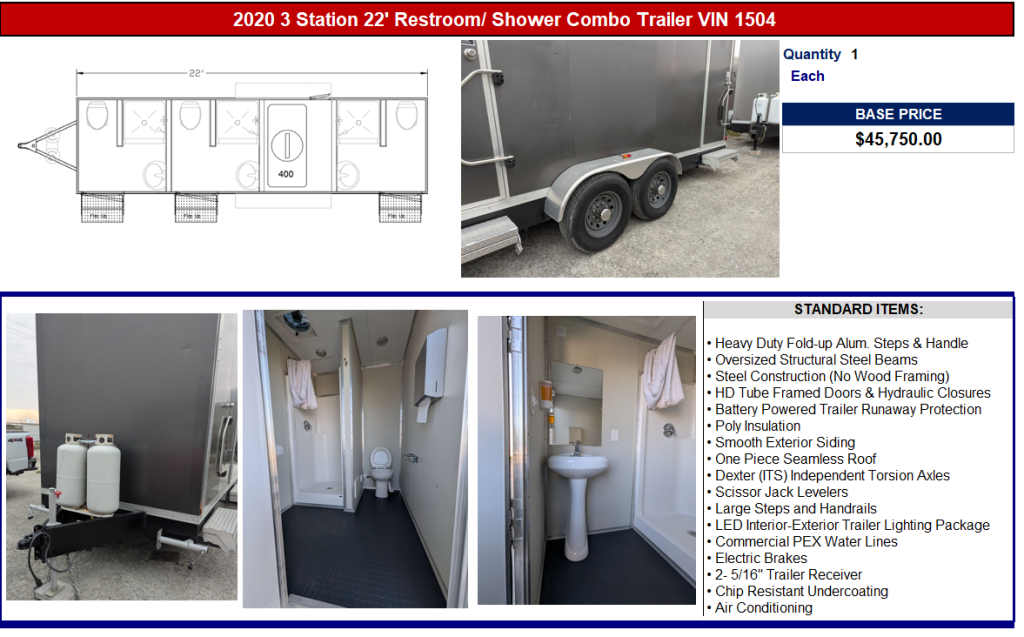
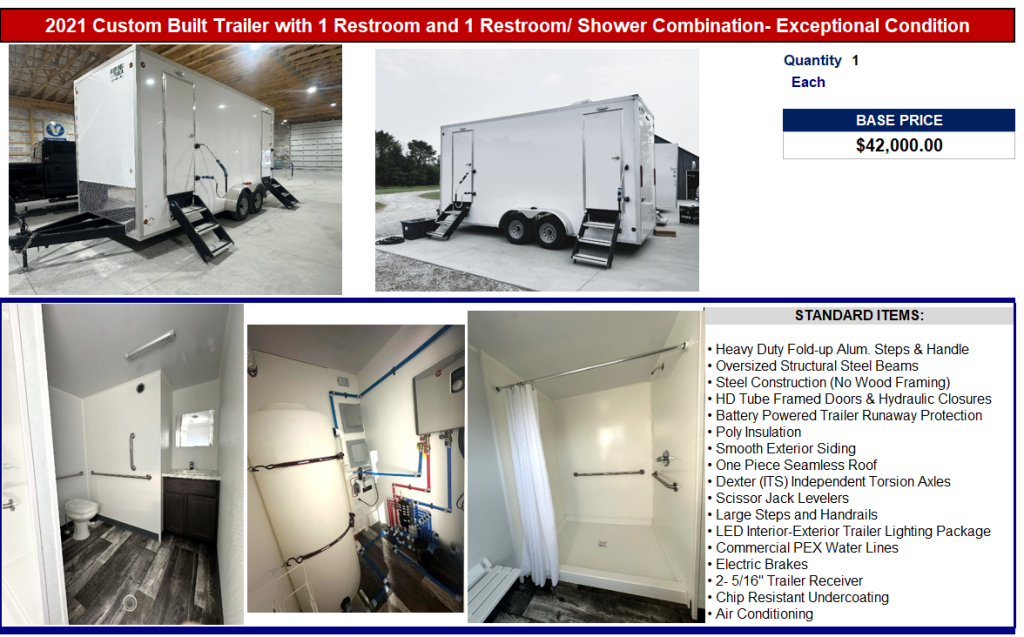
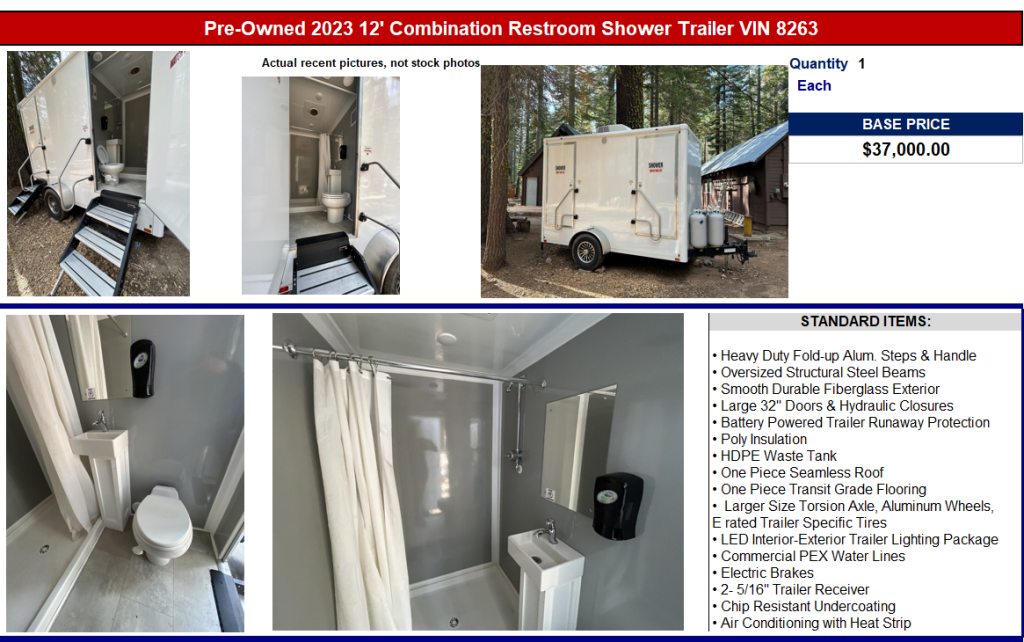
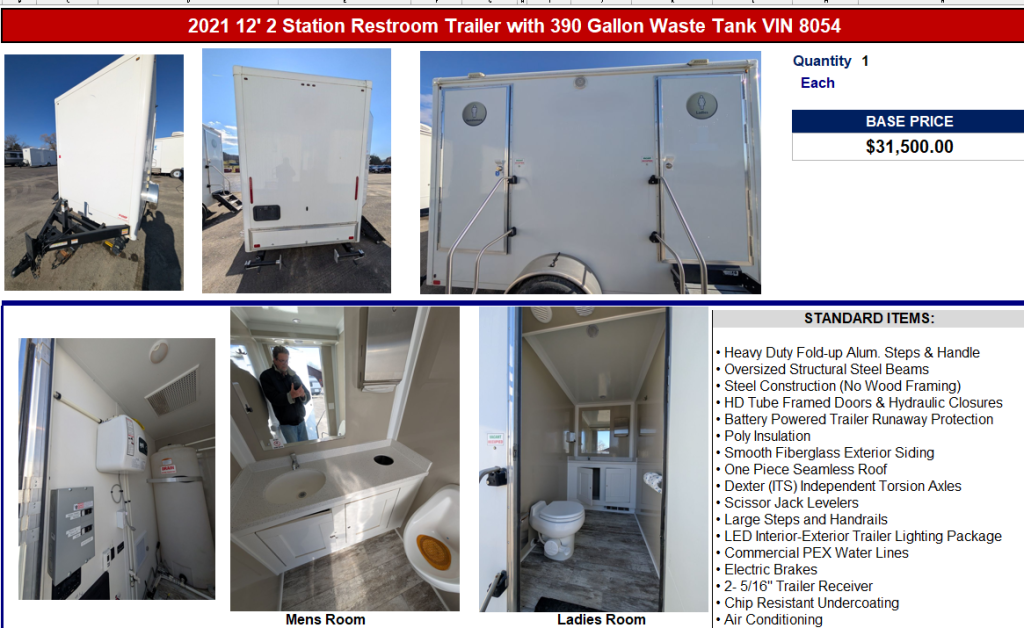
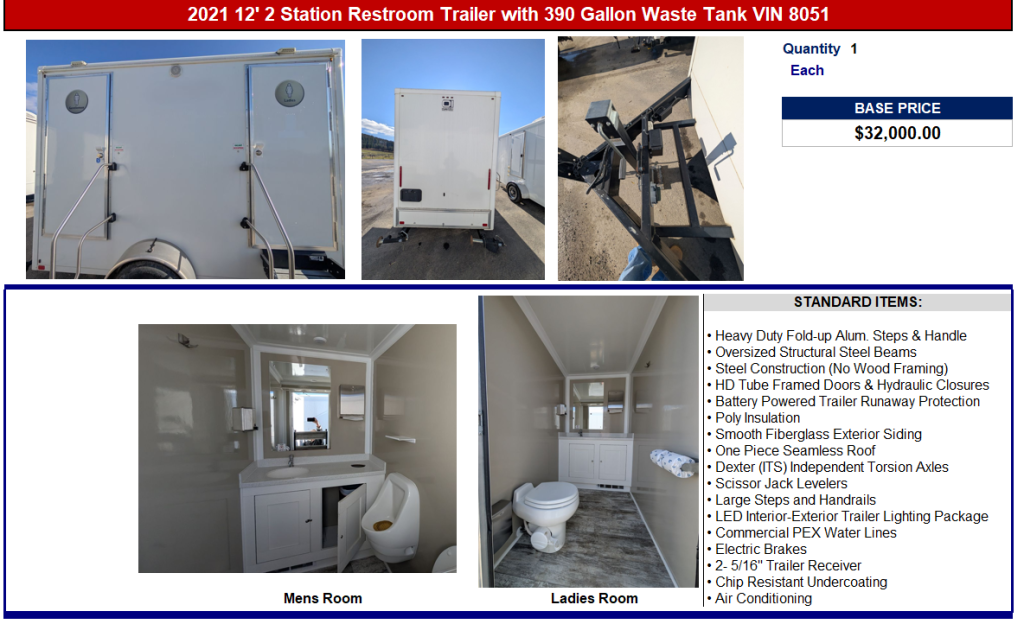
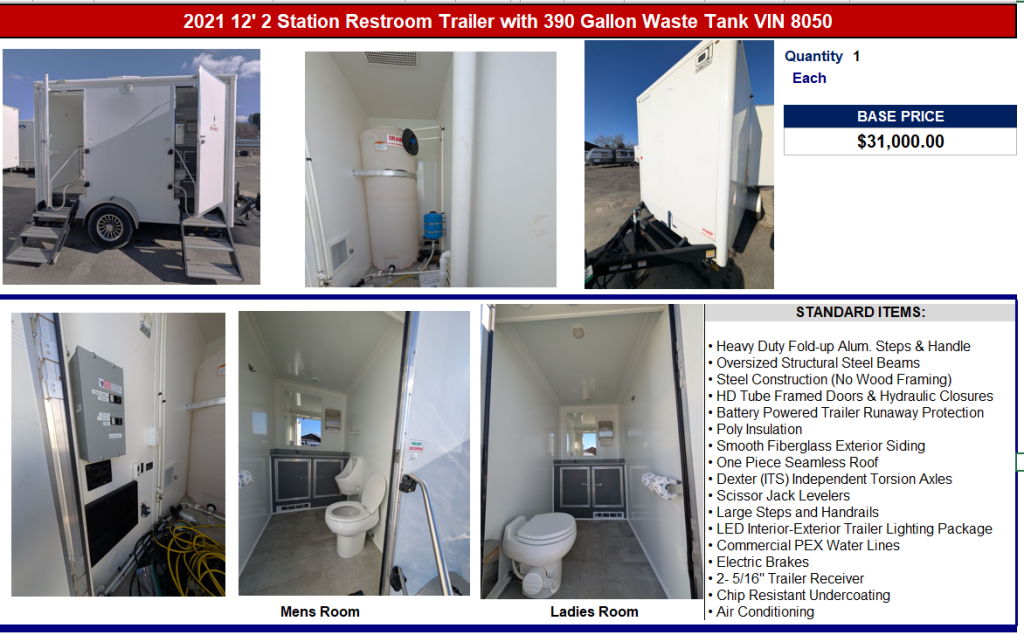
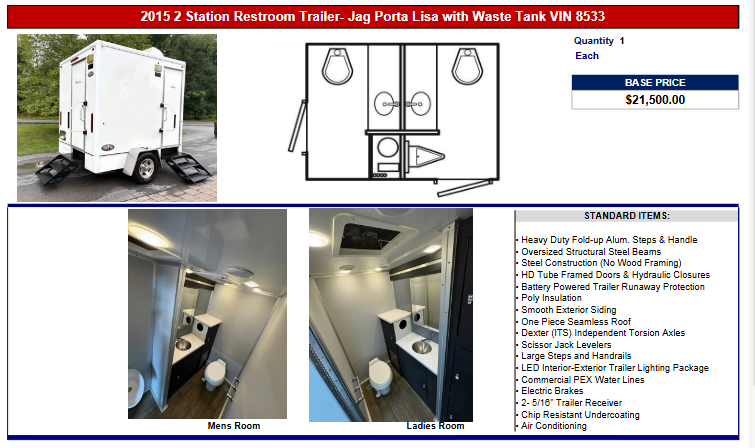
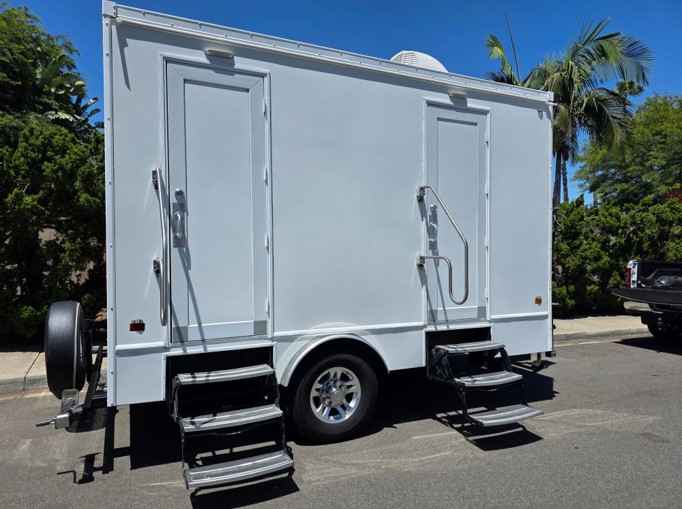
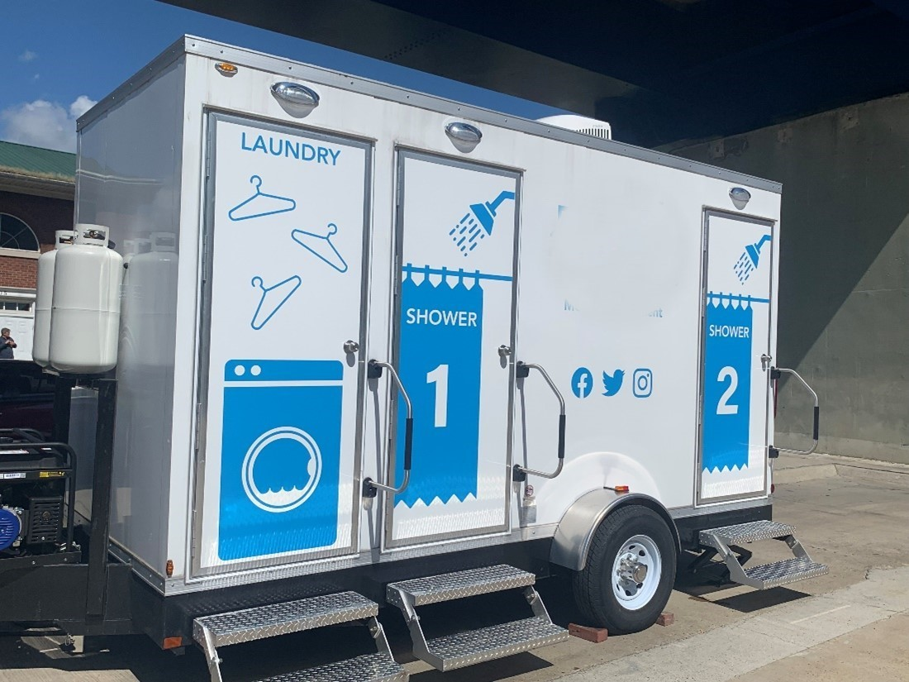
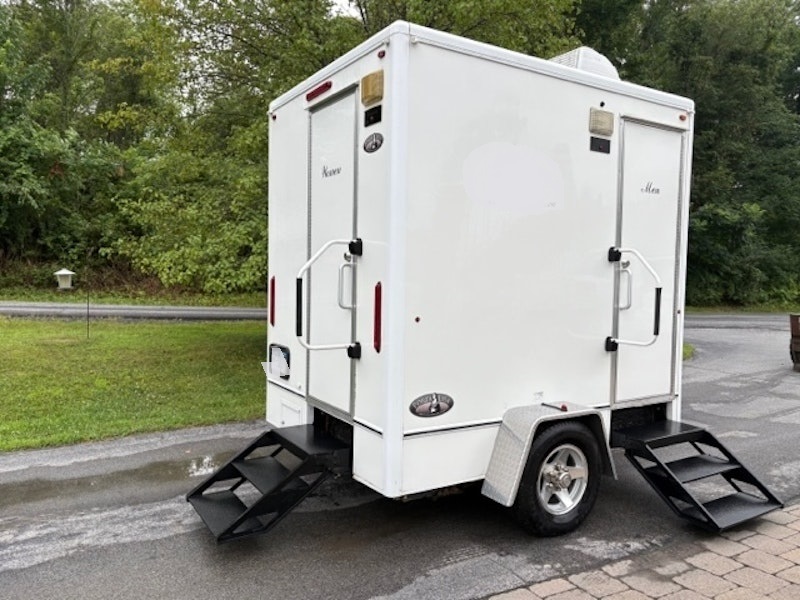
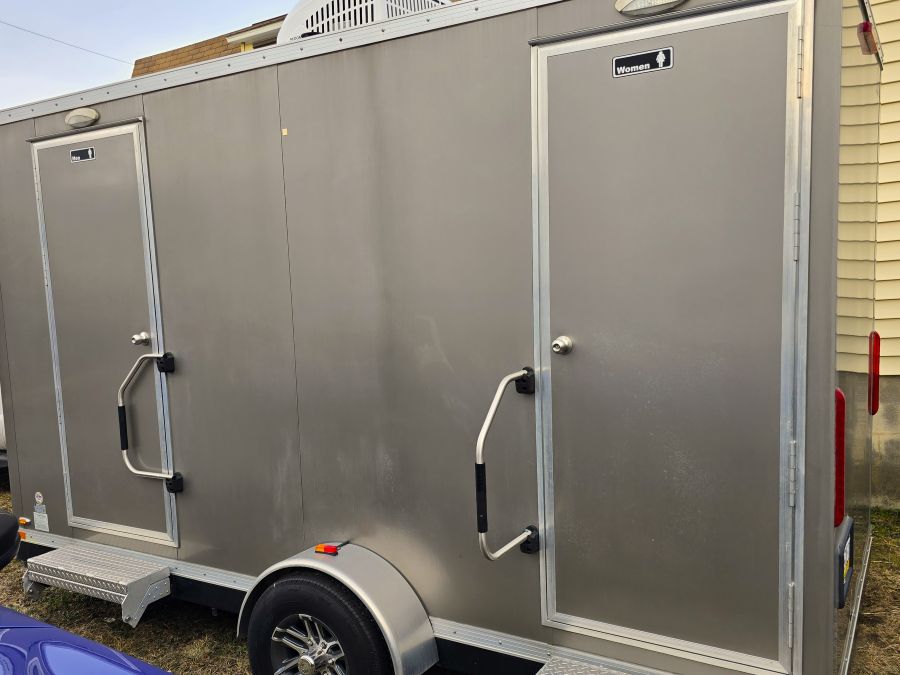
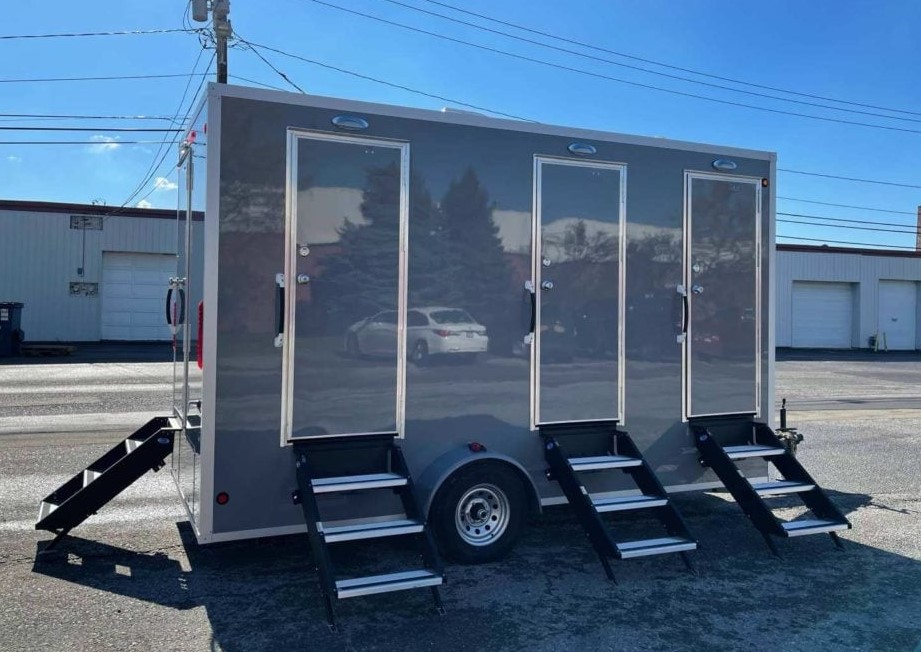
Exploring available portable restroom trailers for sale can help you compare configurations designed for specific applications.
Matching the trailer to its intended use is critical for long-term performance.
Choose the Right Size & Capacity
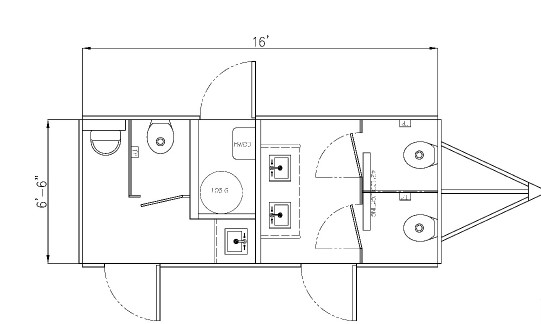
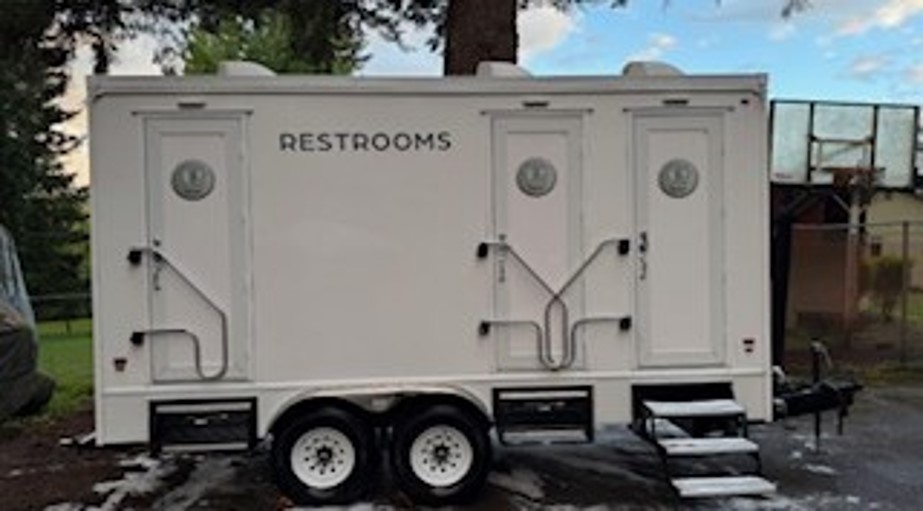
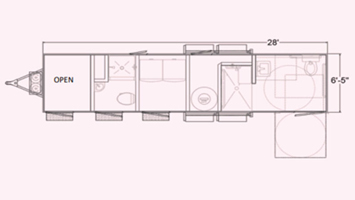
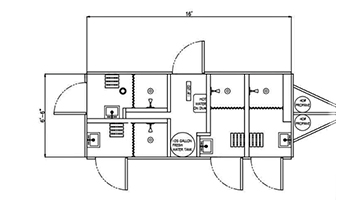
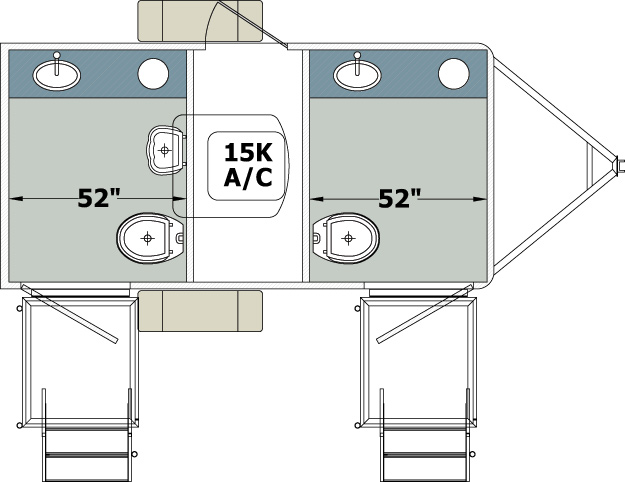
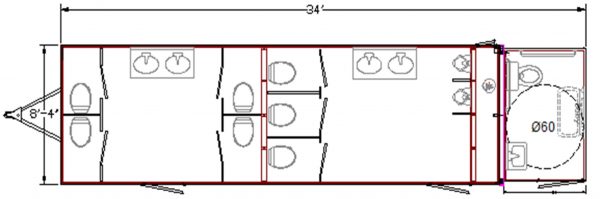
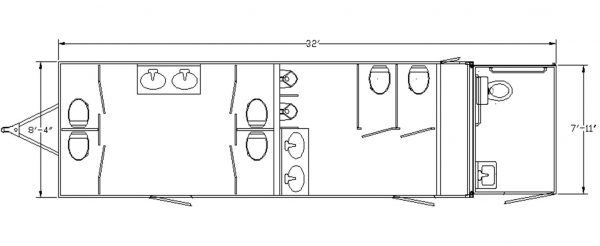
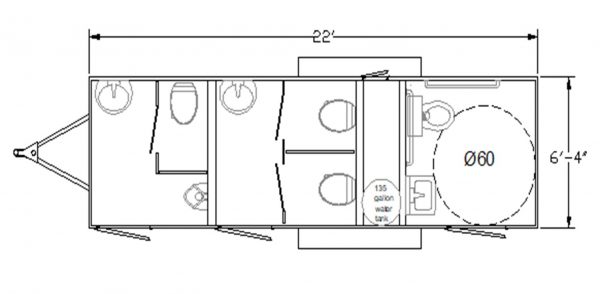
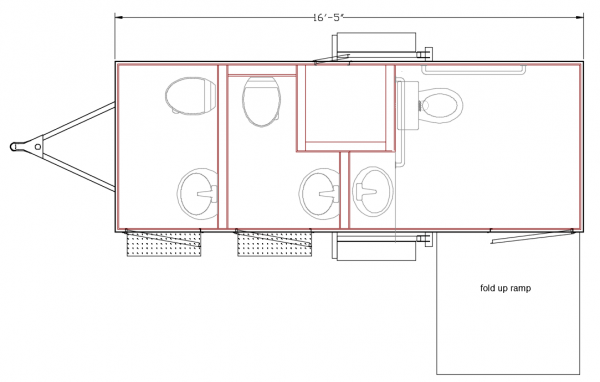
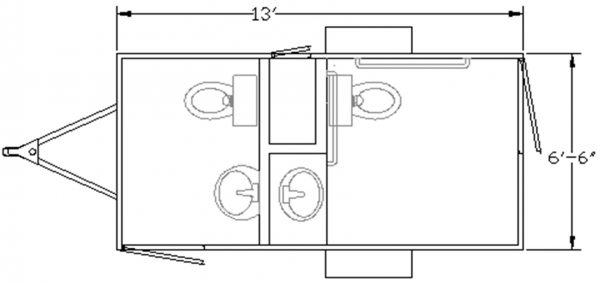
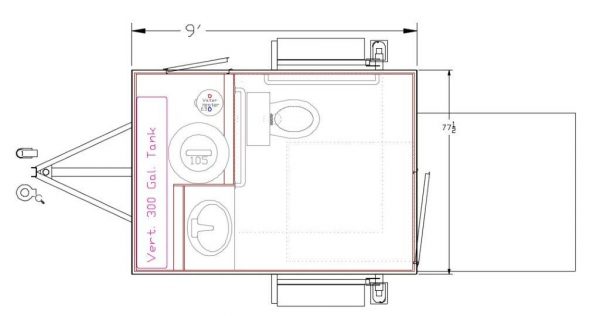
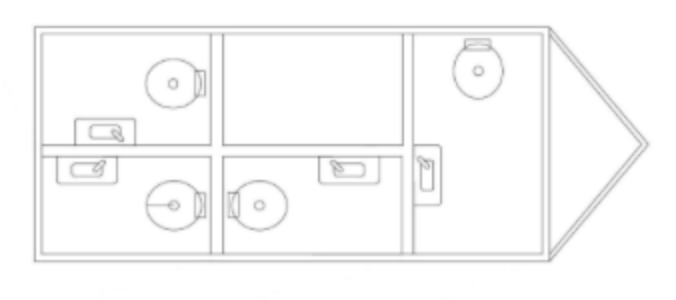
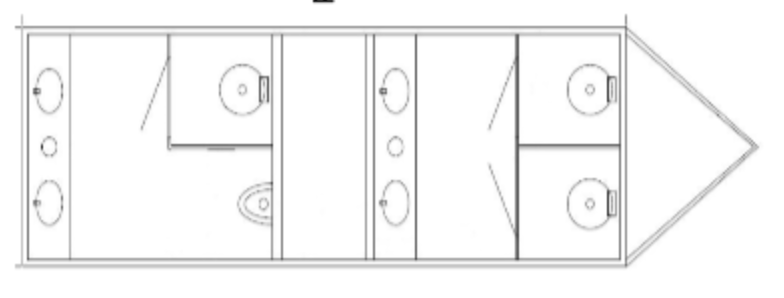
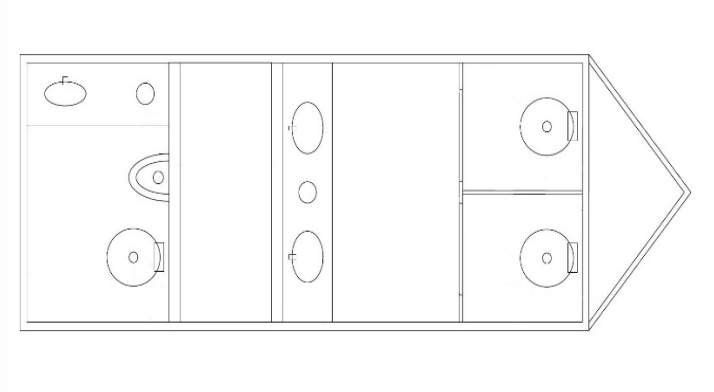
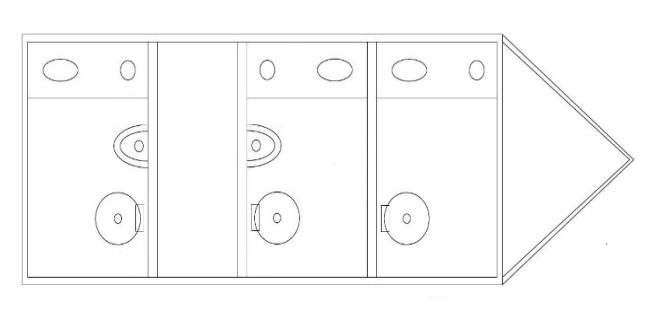
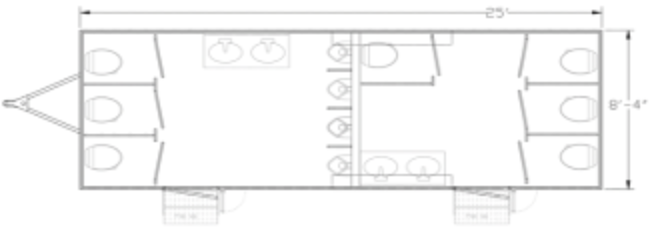
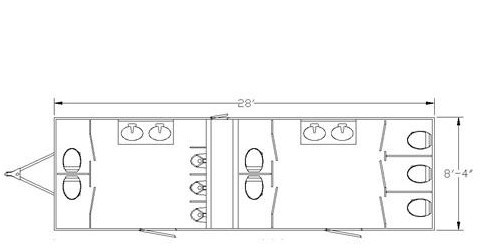
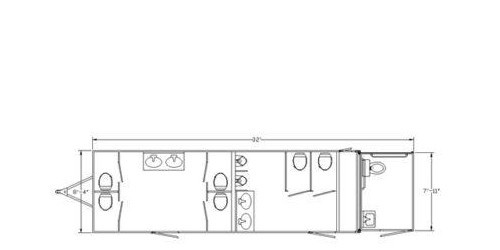
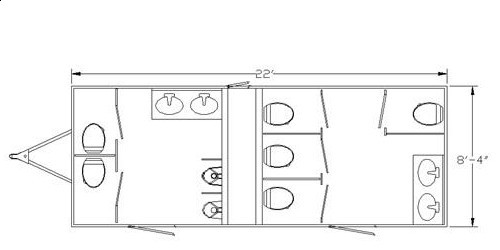
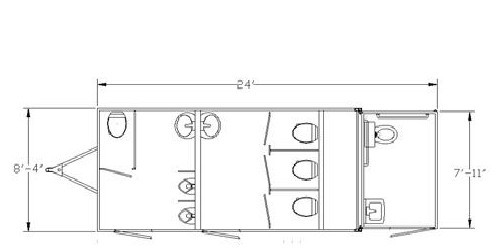
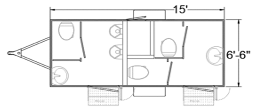
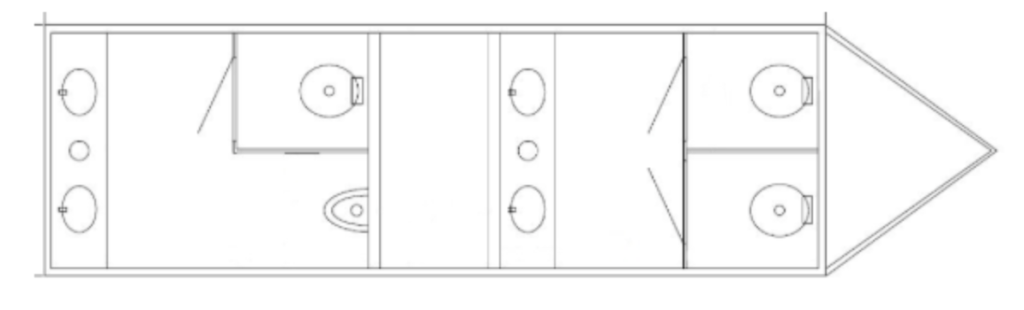
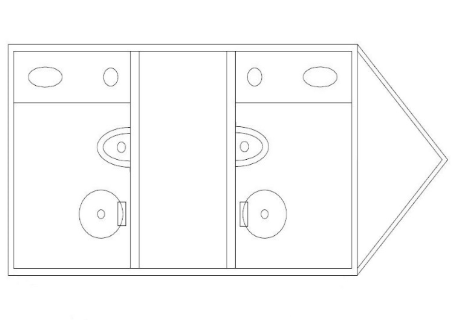
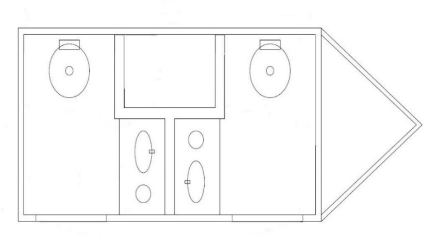
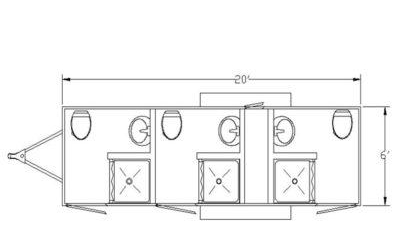
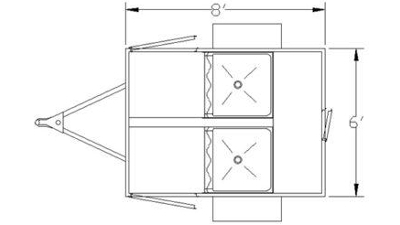
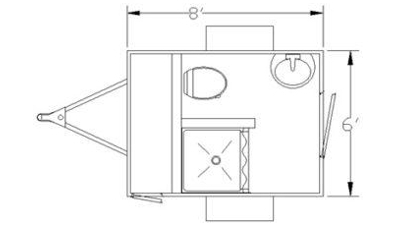
Restroom trailers come in a wide range of sizes, from compact 2-station units to large multi-stall configurations. Choosing the right size ensures efficient usage and avoids overcrowding or underutilization.
Key factors to consider include:
- Number of expected users
- Peak usage times
- Number of stalls and sinks
- Separate men’s and women’s sections
Selecting the appropriate size improves user experience and operational efficiency.
Evaluate Build Quality & Durability
Not all restroom trailers are built to the same standards. A high-quality trailer should be constructed with materials that can withstand heavy use, transportation, and environmental conditions.
Look for:
- Reinforced flooring and structural framing
- Commercial-grade plumbing and electrical systems
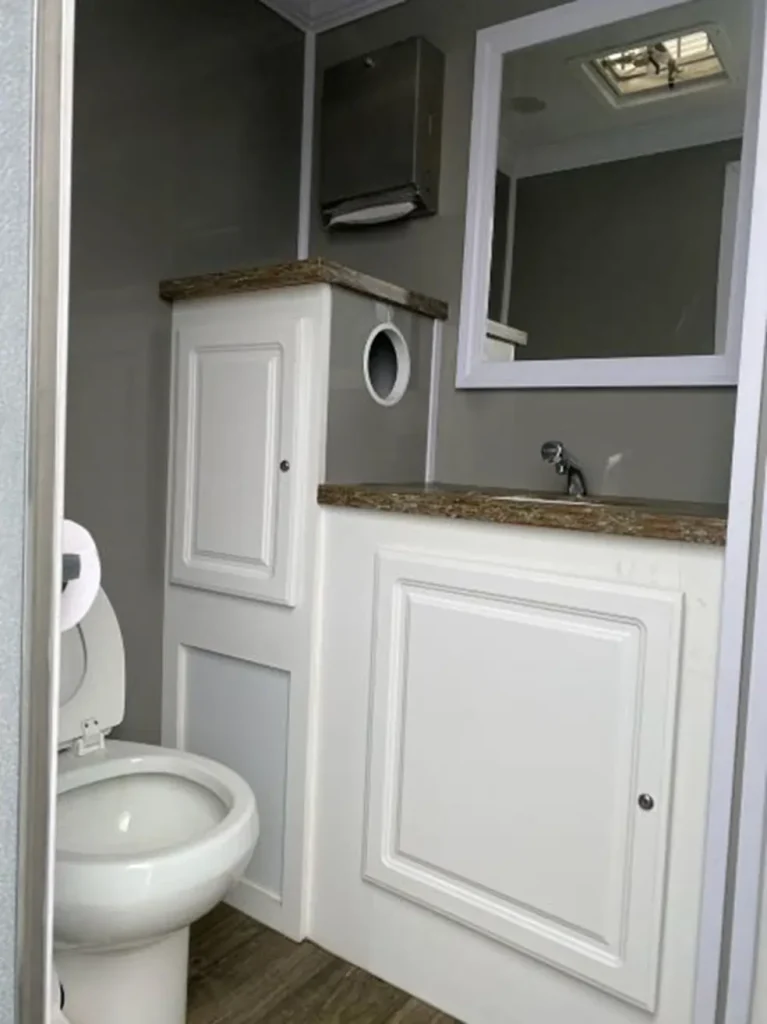
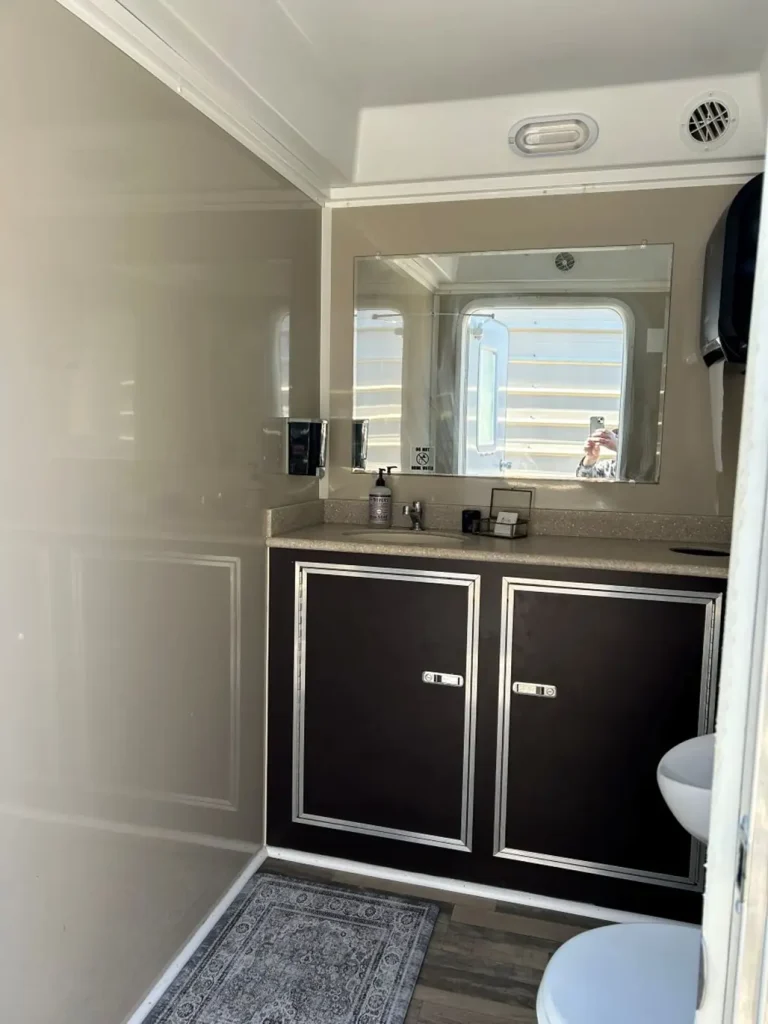
- Durable interior surfaces for easy cleaning
- Weather-resistant exterior materials
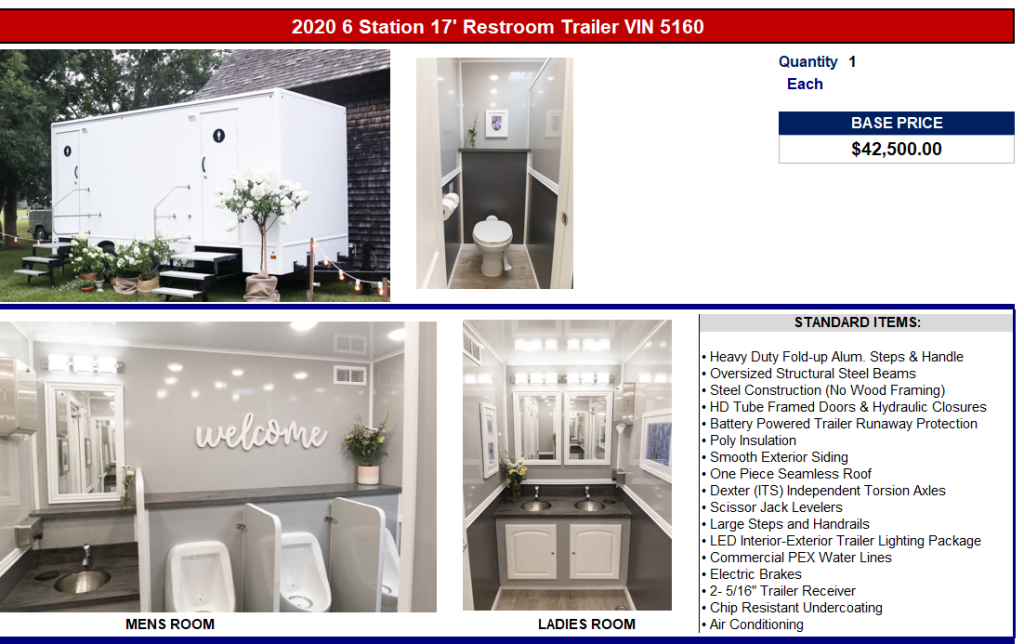
Reviewing available restroom trailer inventory allows you to compare build quality and specifications.
Durability directly impacts lifespan and maintenance costs.
Consider ADA Compliance & Accessibility
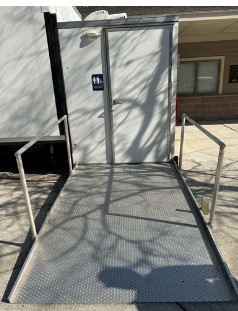
Many projects require ADA-compliant restroom facilities. Ensuring your trailer meets accessibility standards is essential for compliance and inclusivity.
ADA-compliant features typically include:
- 36-inch door clearances
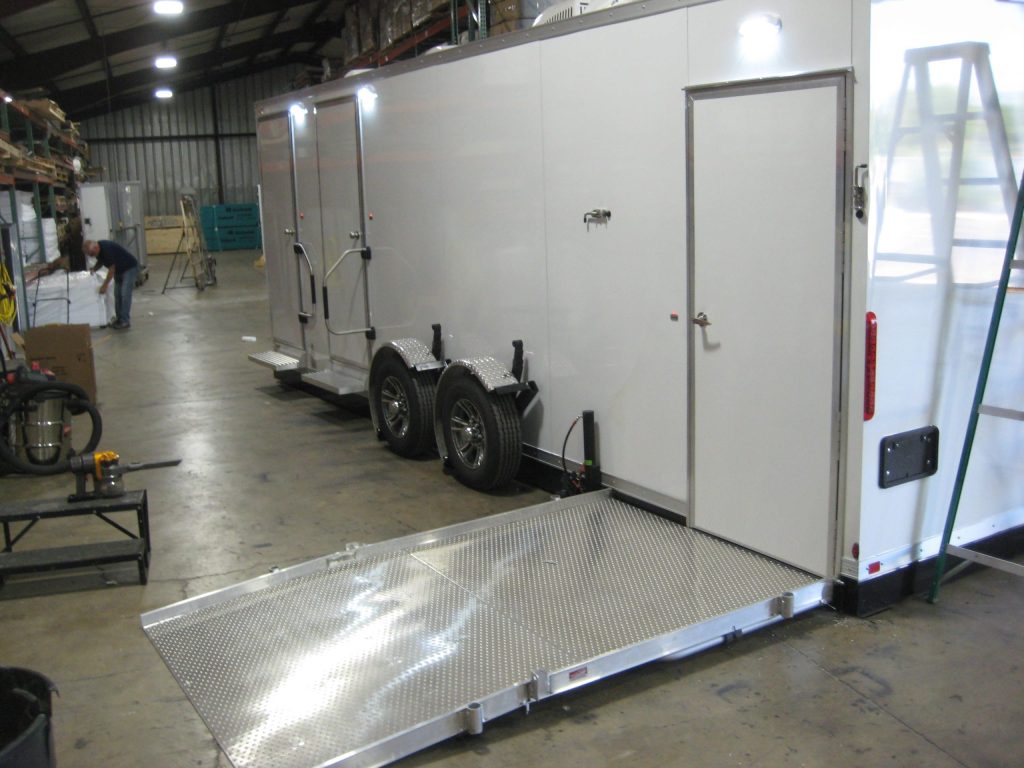
- Ramp systems with proper slope ratios
- Spacious interior turning radius
- Accessible sinks and fixtures
If your project involves public access, government contracts, or large events, ADA compliance should be a top priority.
Review Key Features & Amenities
Modern restroom trailers offer a range of features that enhance comfort and usability. The right combination of amenities depends on your target use case.
Common features include:
- Climate control (heating and air conditioning)
- Interior lighting and ventilation
- Freshwater and waste tank systems
- Hands-free fixtures
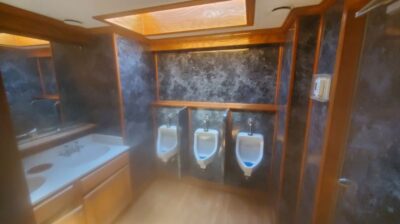
- Upgraded interior finishes for events
These features not only improve user experience but can also influence rental value and client satisfaction.
Understand Maintenance & Long-Term Costs
Owning a restroom trailer involves ongoing maintenance and operational costs. Factoring these into your decision helps avoid unexpected expenses.
Consider:
- Cleaning and servicing requirements
- Plumbing and electrical maintenance
- Seasonal preparation (especially in colder climates)
- Replacement parts and repairs
Choosing a well-built trailer reduces long-term costs and ensures consistent performance.
Work with a Trusted Manufacturer
Partnering with an experienced manufacturer ensures you receive a high-quality product backed by industry knowledge and support.
An established provider can offer:
- Guidance on selecting the right unit
- Customization options
- Reliable product support
- Nationwide delivery and service
Working with a trusted manufacturer gives you confidence in both your purchase and long-term investment.
Buying a portable restroom trailer is more than just selecting a unit—it’s about choosing a solution that aligns with your operational goals, budget, and long-term needs.
By evaluating usage requirements, size, build quality, compliance, and features, you can make an informed decision that delivers reliable performance and long-term value.
To explore available models and find the right configuration for your needs, contact NRT Sales today and speak with a specialist about your next restroom trailer purchase.
Frequently Asked Questions About Buying a Portable Restroom Trailer
What size portable restroom trailer should I buy?
The size depends on the number of users and usage frequency. Small projects may require 2–3 stall units, while larger events or job sites often need multi-stall trailers with separate sections and higher capacity.
How much does a portable restroom trailer cost?
Costs vary based on size, features, and customization. Smaller units are more affordable, while larger or ADA-compliant trailers with upgraded amenities require a higher investment.
What features should a high-quality restroom trailer include?
A quality restroom trailer should include durable construction, commercial-grade plumbing, climate control, proper ventilation, freshwater and waste systems, and optional features like hands-free fixtures or upgraded interiors.
Do I need an ADA-compliant restroom trailer?
ADA-compliant restroom trailers are often required for public events, government projects, and certain job sites. They include accessible entry ramps, proper door widths, and interior space for wheelchair use.
How long do portable restroom trailers last?
With proper maintenance, a well-built restroom trailer can last many years. Longevity depends on usage, environment, and regular servicing of plumbing, electrical, and structural components.
Is it better to buy or rent a restroom trailer?
Buying is ideal for long-term use, frequent deployments, or business operations, while renting is better for short-term events or temporary needs. Ownership allows for customization and long-term cost savings.