Why ADA Compliance Matters at Every Public Event
If your event is open to the public and you’re providing restrooms, federal law requires that some of those facilities be accessible to people with disabilities. The Americans with Disabilities Act (ADA) sets specific rules for how many accessible units you need, how they’re built, and where they’re placed. Getting it right isn’t just about avoiding penalties under Title II and Title III — it’s about making sure every guest can actually use the facilities you provide. This guide breaks down the requirements event organizers deal with most, and how they apply to restroom trailers for events.
The 5% Rule: How Many ADA Units You Need
The core ADA guideline for events is the 5% rule: at least 5% of the total restroom units you provide must be ADA-compliant, with a baseline minimum of at least one accessible unit whenever facilities are offered to the public. Planners typically apply a ratio of one ADA-compliant unit for every 20 standard units.
- 20 total units or fewer — at least 1 ADA-compliant unit
- More than 20 total units — maintain the 5% accessible ratio
- Gender-separated facilities — accessible units (or unisex accessible options) must be reachable by all attendees
Working out your overall restroom count first makes the ADA math easy — run your total on our restroom trailer size calculator, then apply the 5% rule.
What Makes a Restroom ADA-Compliant
An accessible unit has to meet specific dimensional and hardware standards — “roomier than standard” isn’t the same as ADA-compliant. The key specifications:
- Door width — a clear opening of at least 32 inches
- Interior turning space — a clear 60-inch (5-foot) turning radius for a 360-degree wheelchair turn
- Grab bars — a horizontal bar at least 36 inches long behind the toilet and at least 42 inches long beside it
- Toilet height — seat height between 17 and 19 inches from the floor, with the centerline 16 to 18 inches from the side wall
- Operable hardware — handles or levers usable with one hand, without tight grasping, pinching, or twisting
- Signage — the International Symbol of Accessibility, with raised characters and Braille
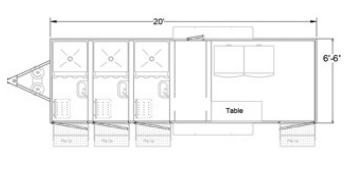
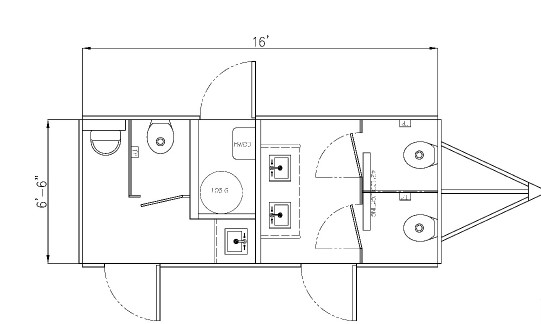
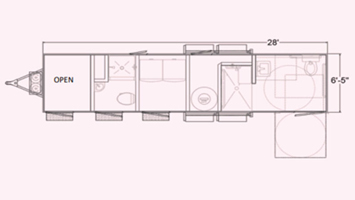
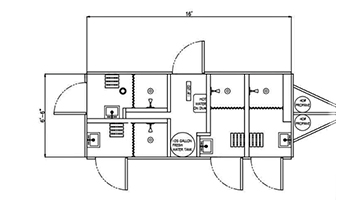
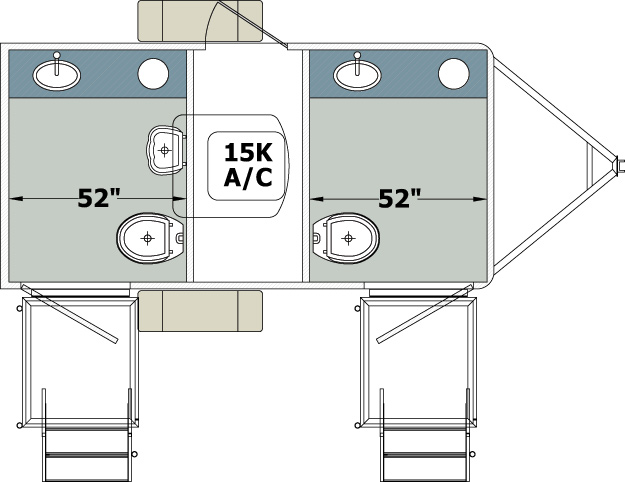
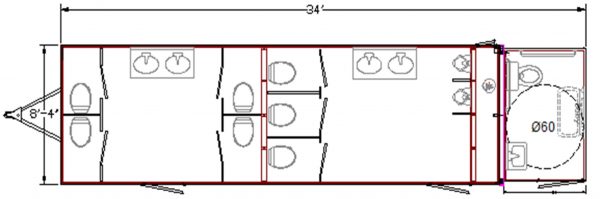
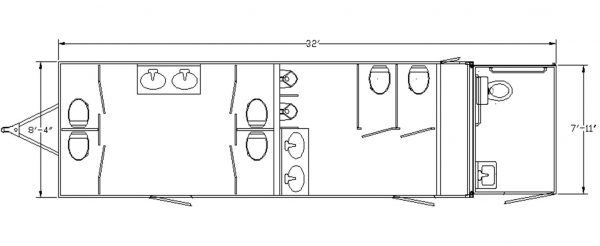
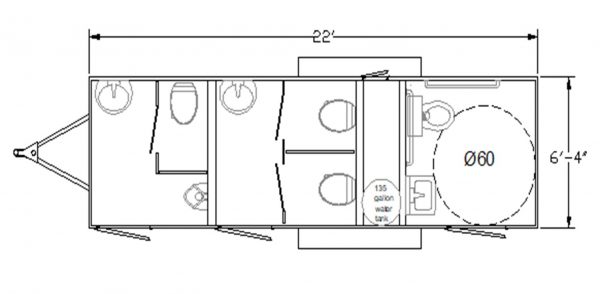
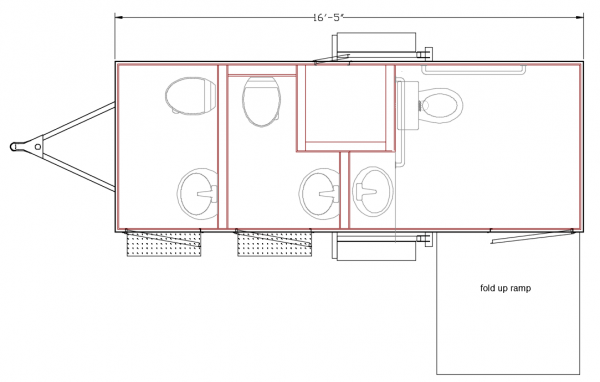
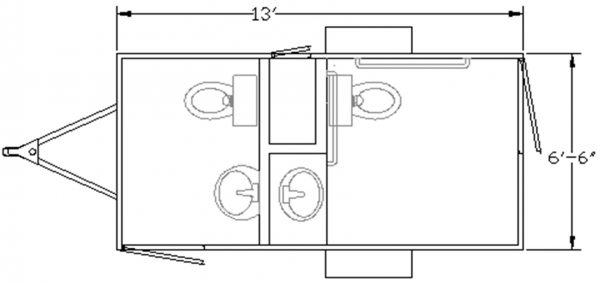
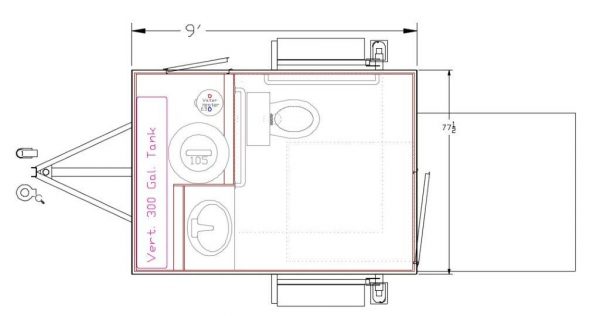
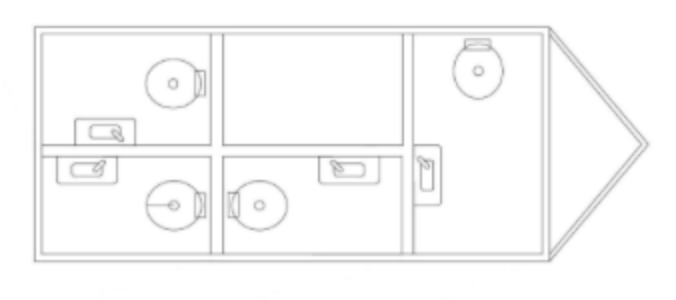
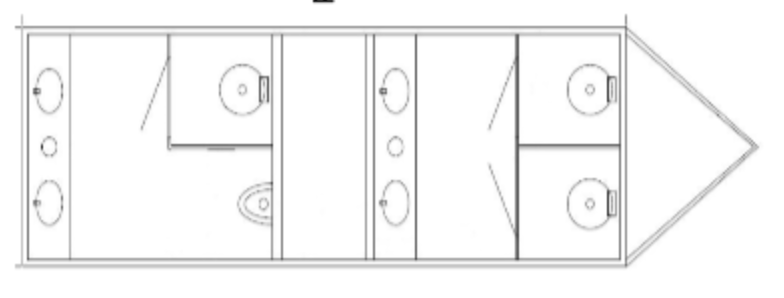
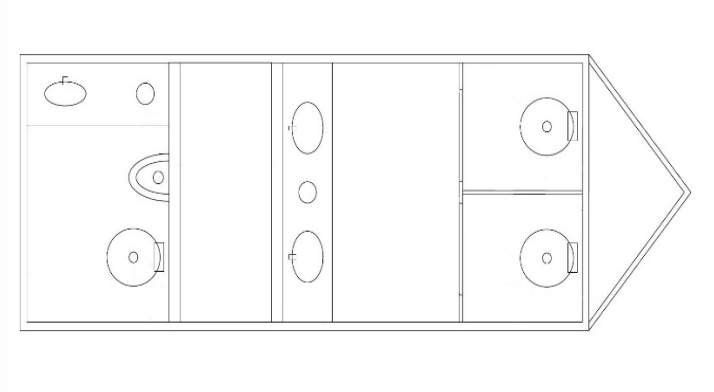
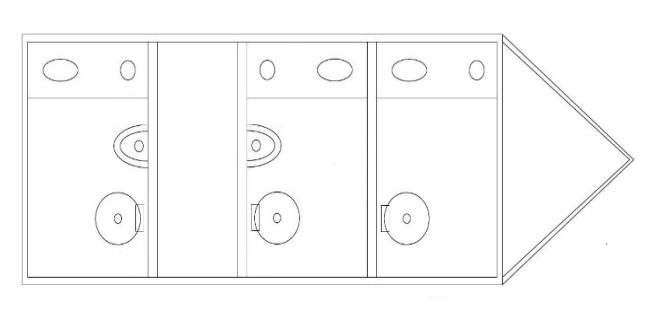
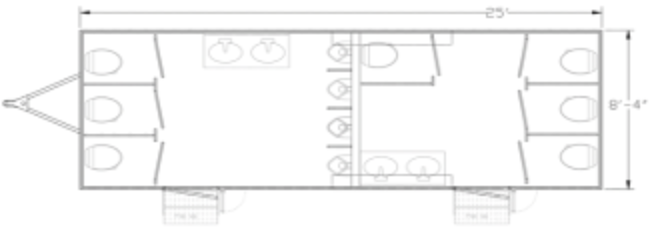
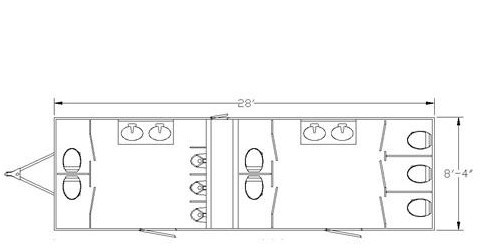
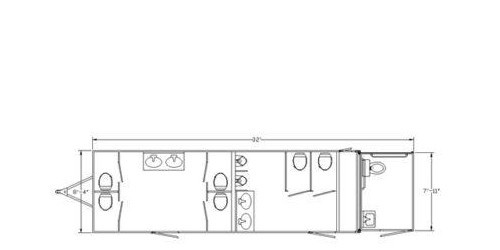
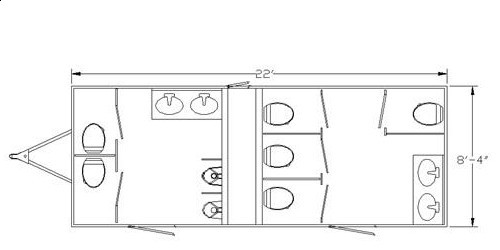
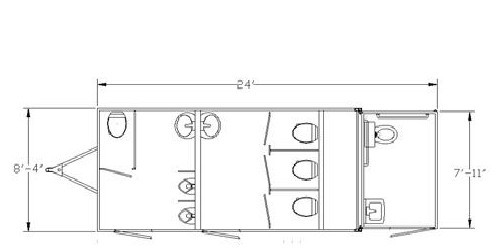
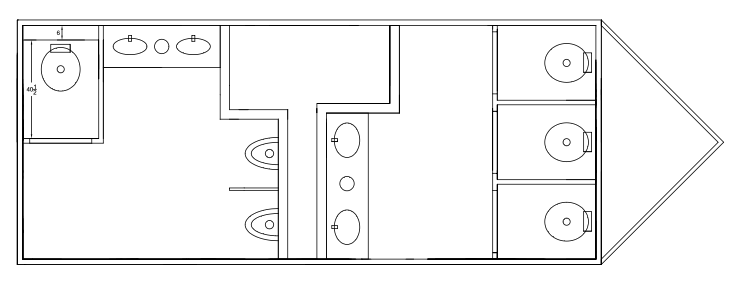
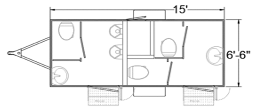
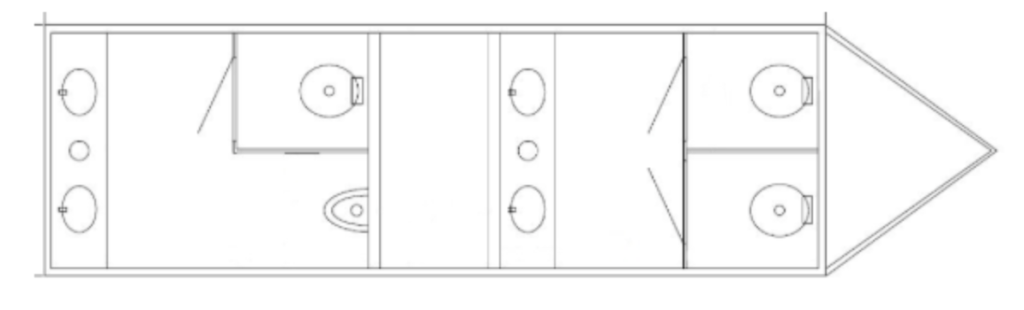
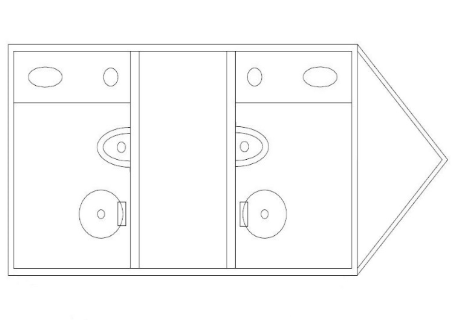
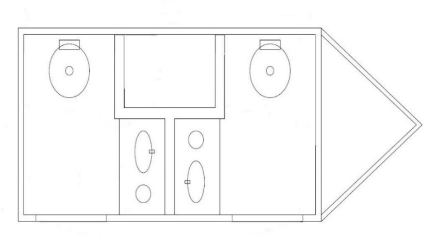
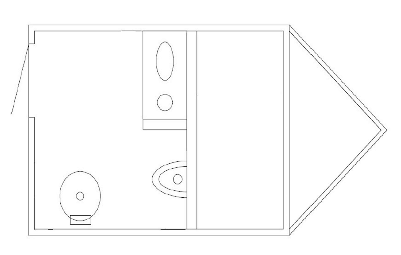
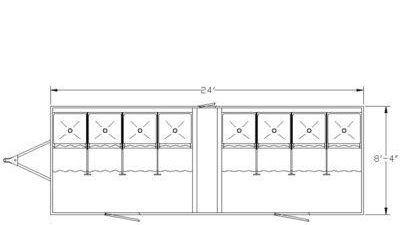
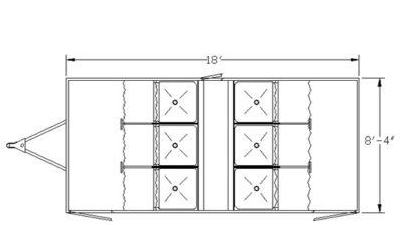
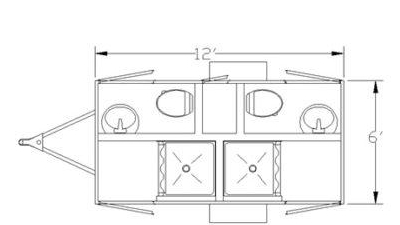
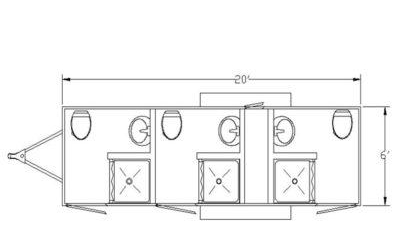
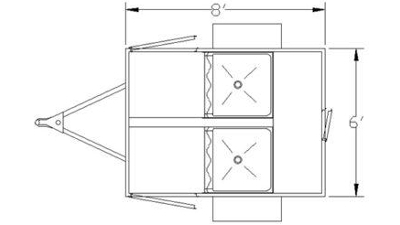
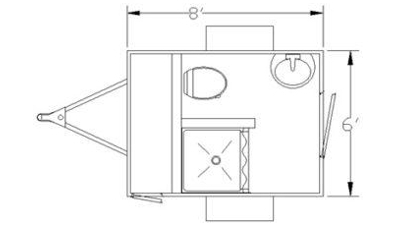
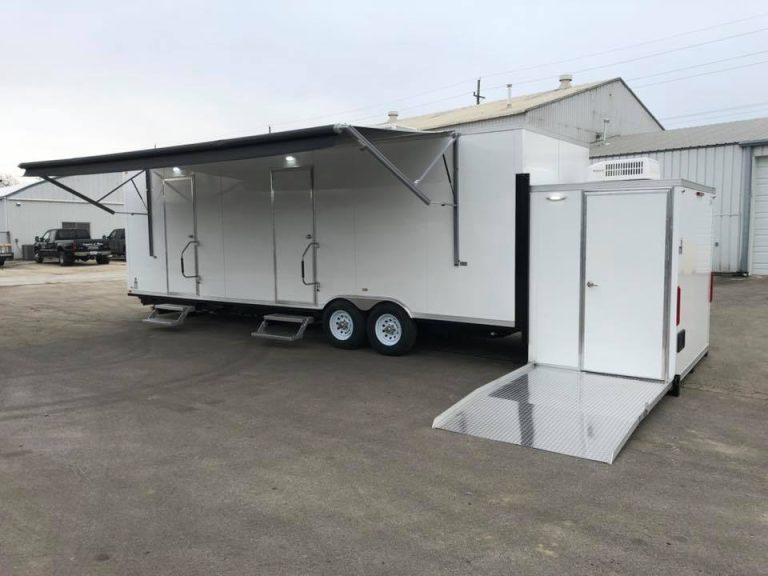
NRT ADA restroom trailers are built to these standards. Review layouts on our ADA trailer floor plans.
Placement and the Accessible Route
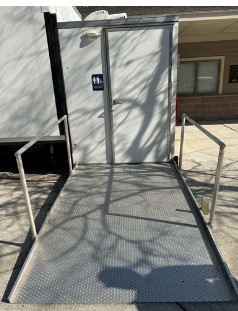
Meeting the specs inside the unit isn’t enough — the unit also has to be reachable. ADA units must sit on a firm, stable, slip-resistant surface connected to the main event path. Soft grass, sand, or loose gravel generally fails accessible-route requirements, so plan placement on pavement, compacted surfaces, or with proper matting. Handwashing or sanitizer stations serving accessible units must also be mounted at reachable heights.
Single ADA Units vs. ADA Restroom Trailers
You have two ways to meet the requirement, and larger events often use both:
- Single ADA portable units — ground-level entry with no steps, wrap-around grab bars, and 60+ inches of interior turning clearance. Economical for smaller events.
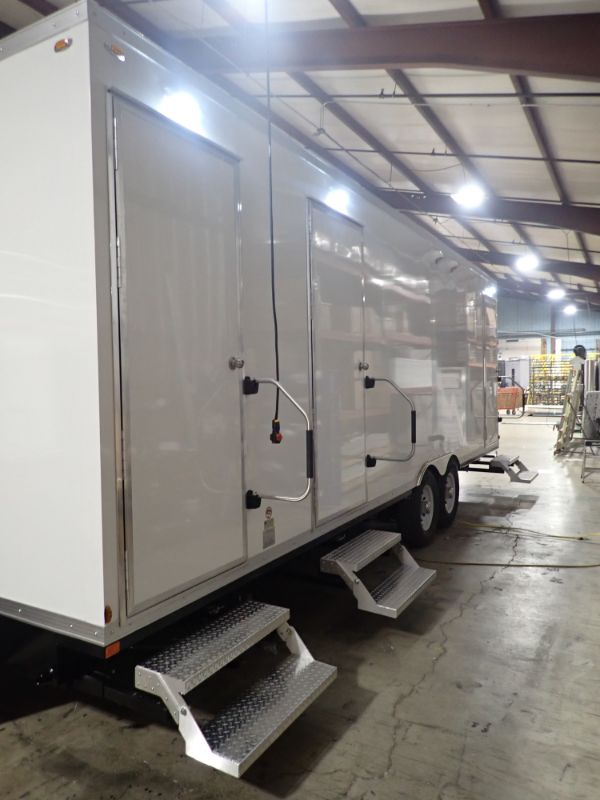
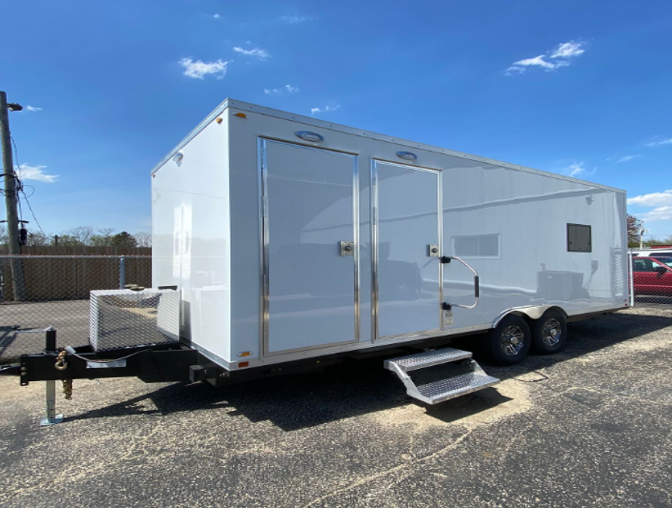
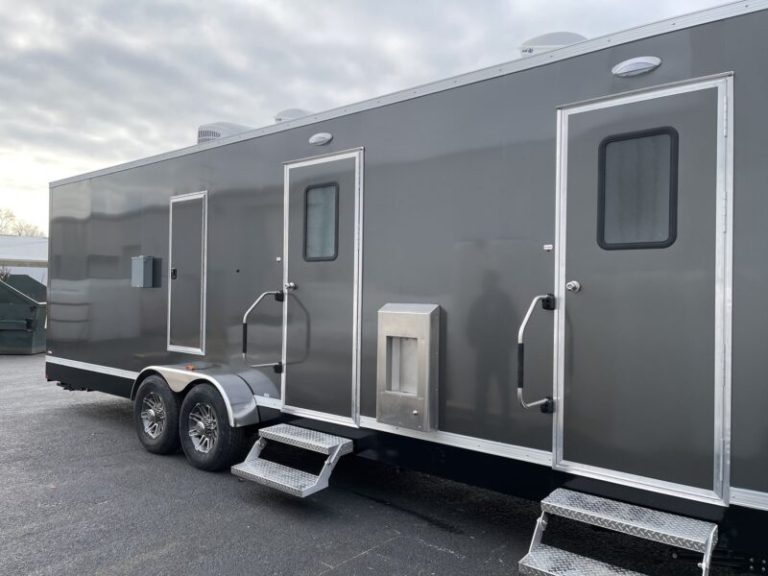
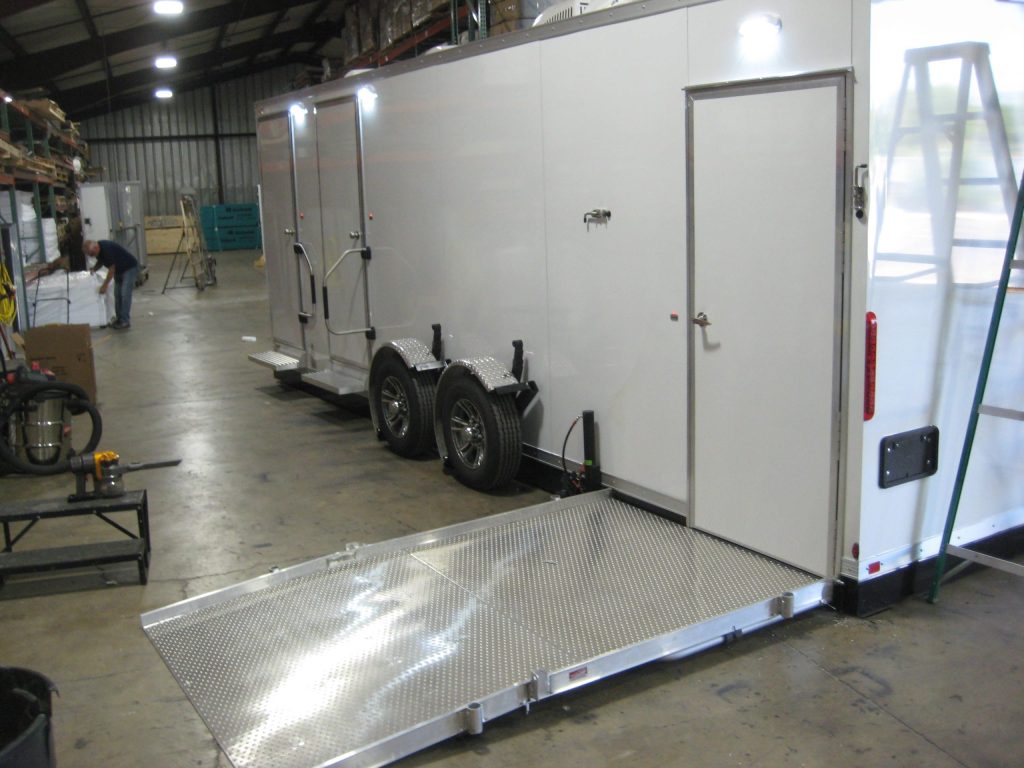
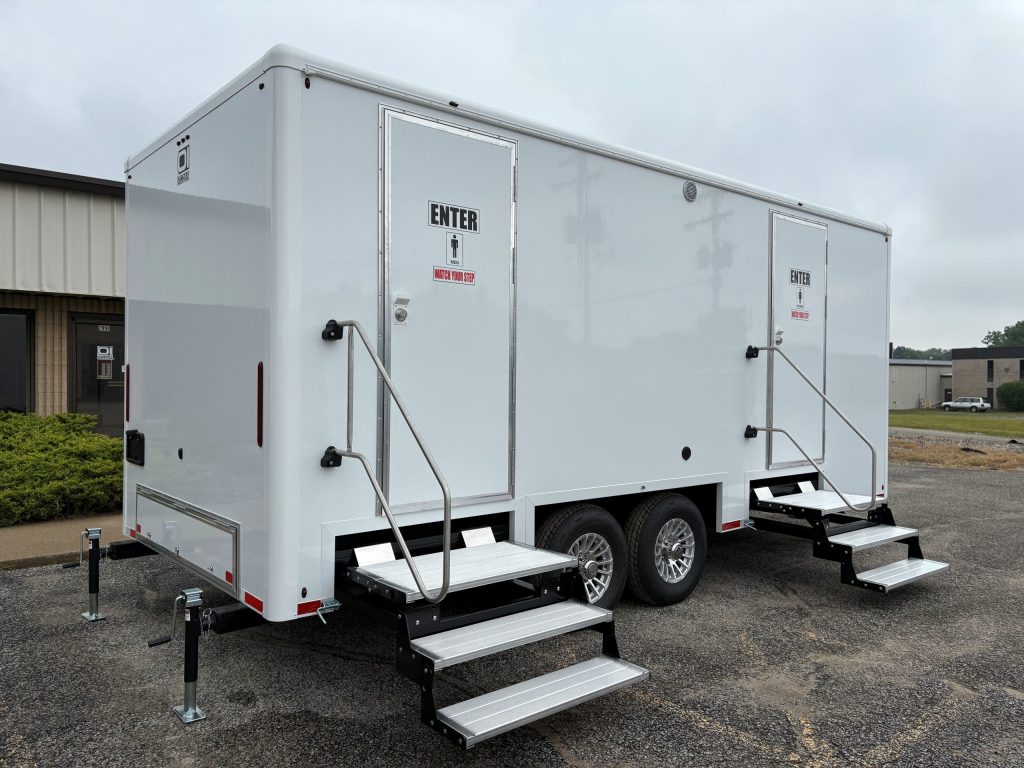
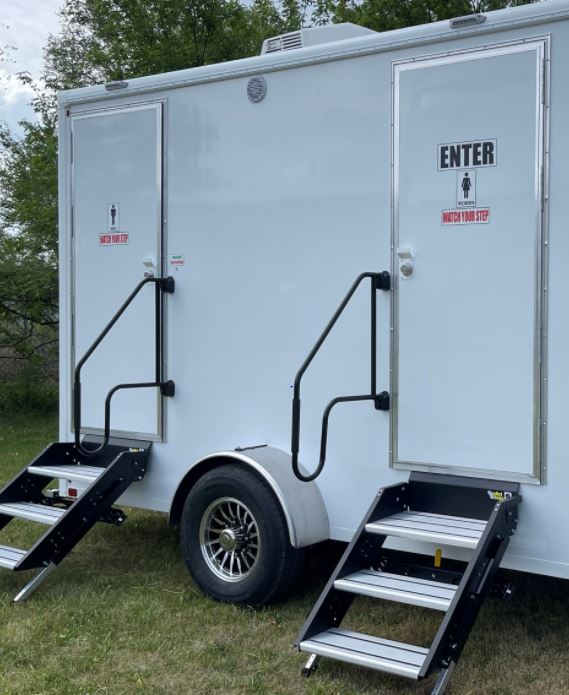
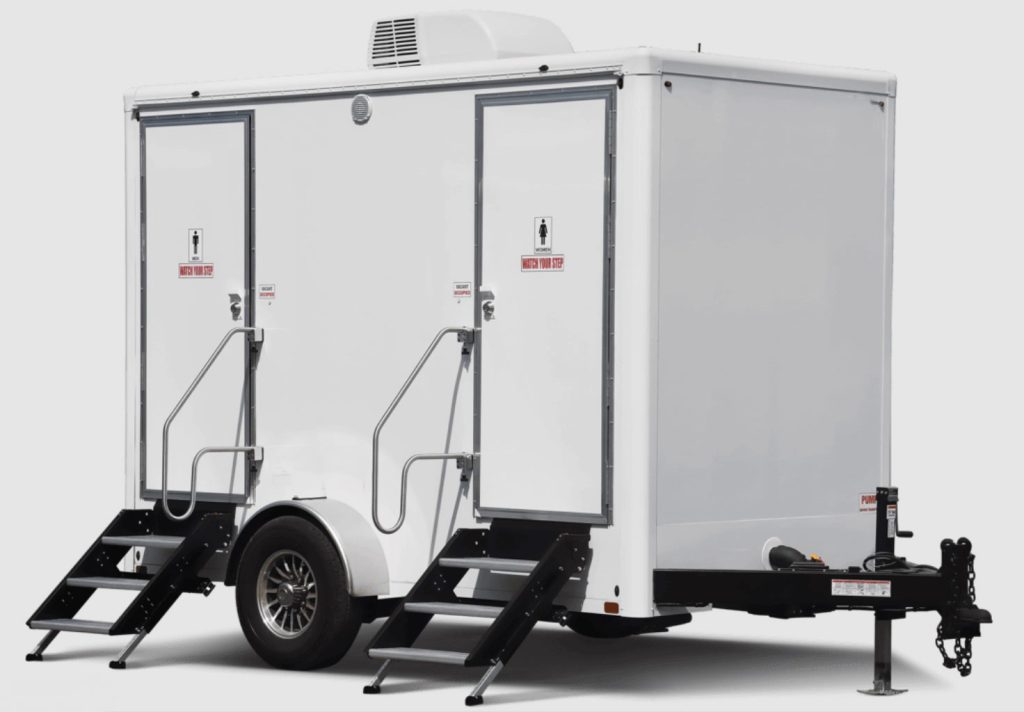
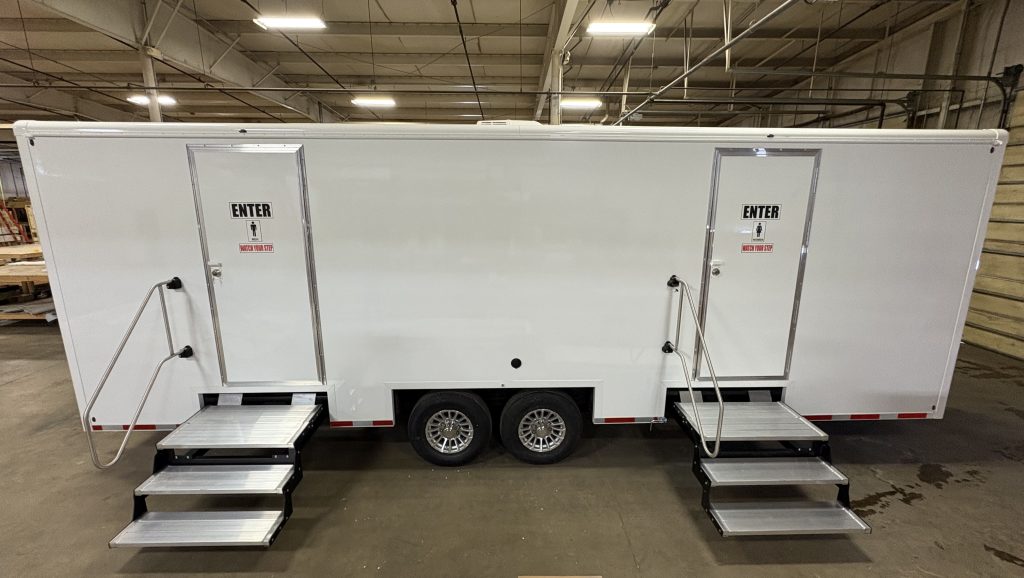
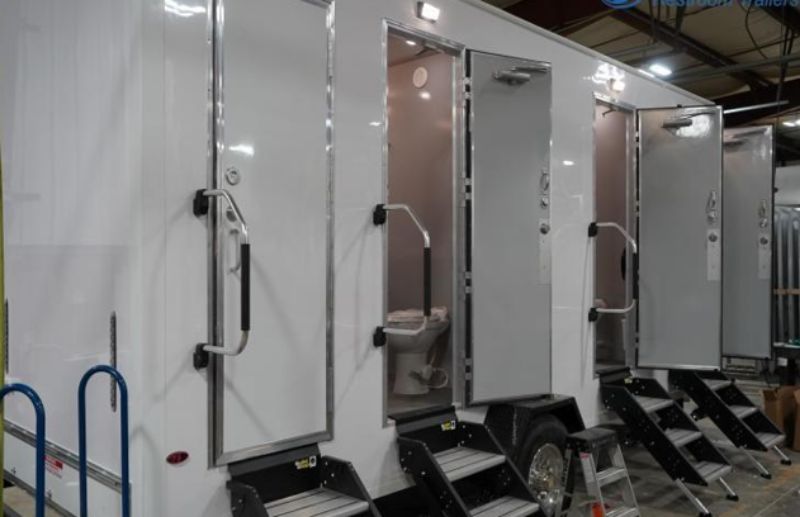
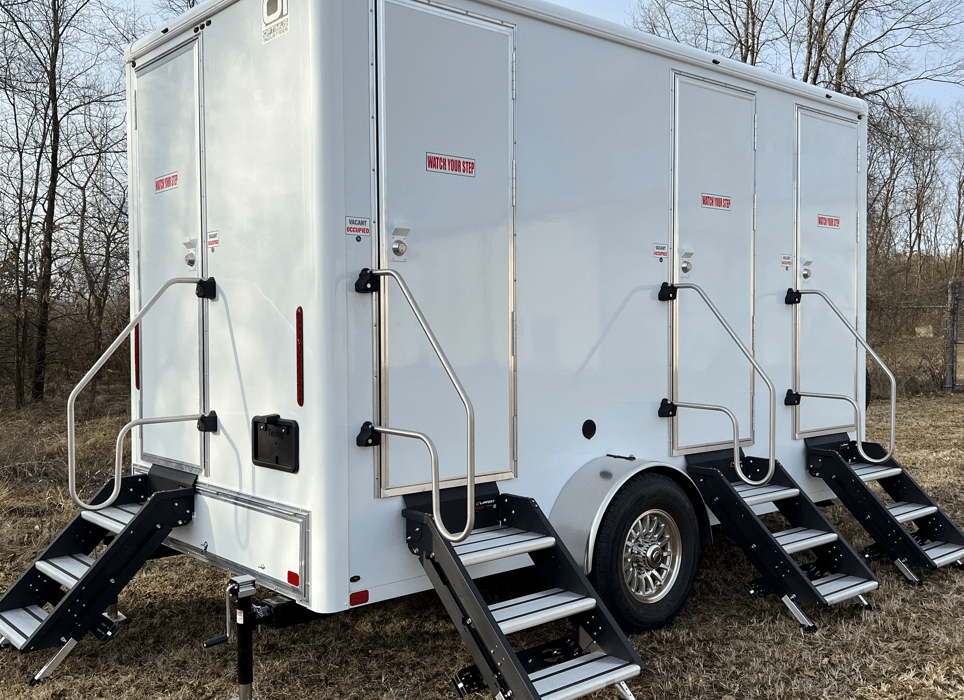
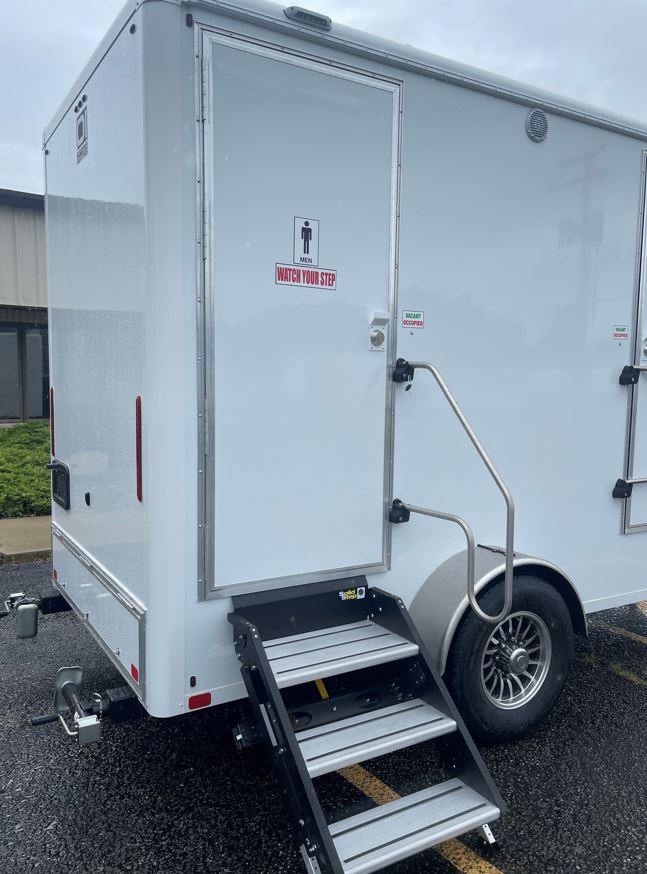
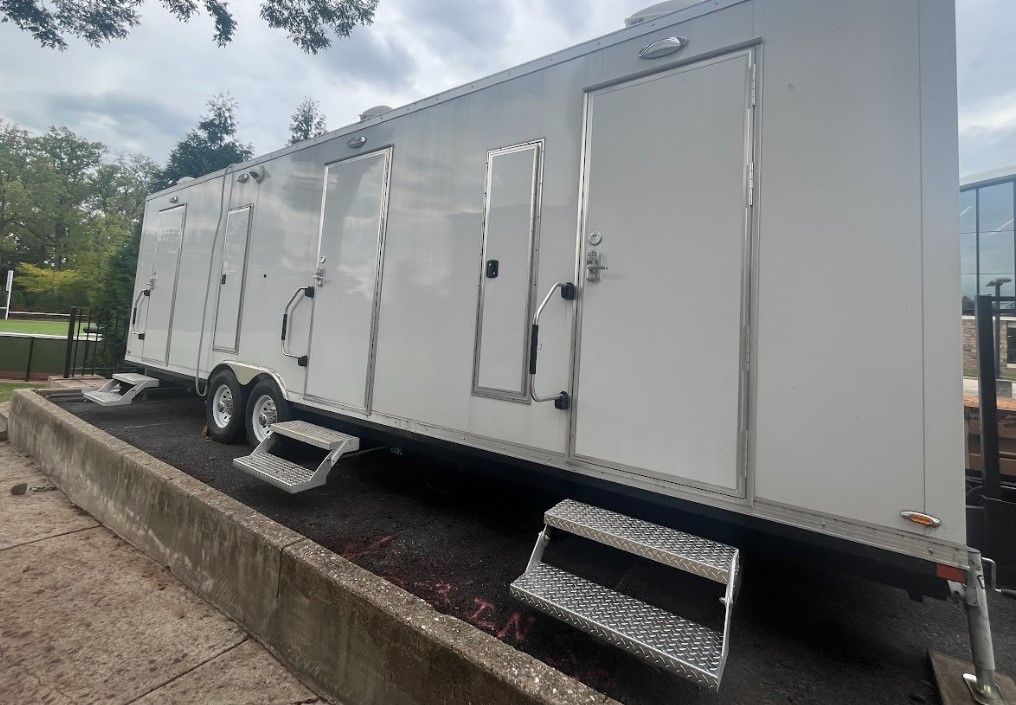
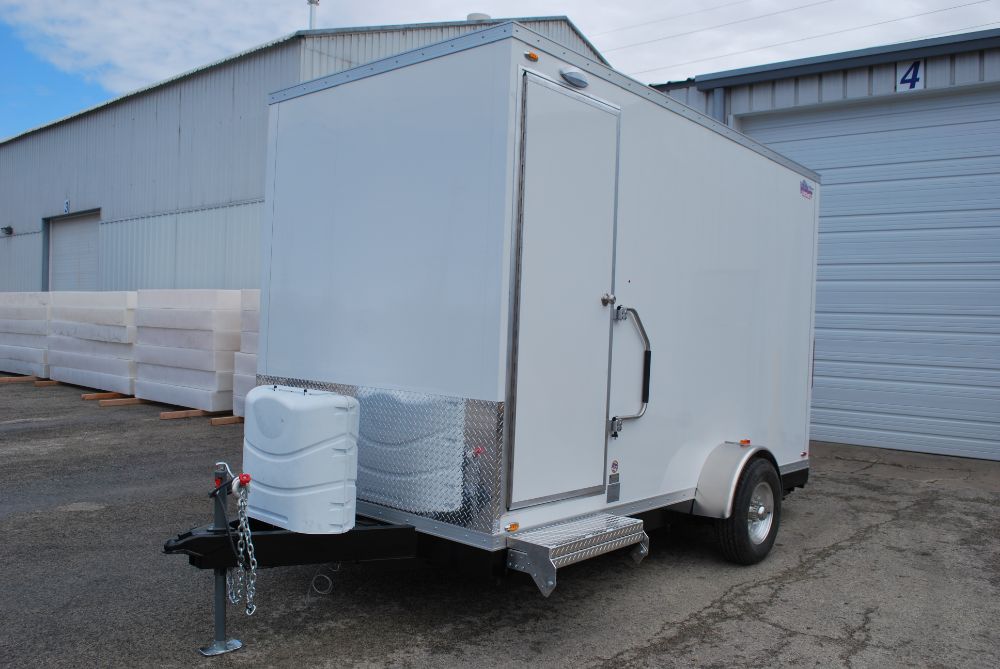
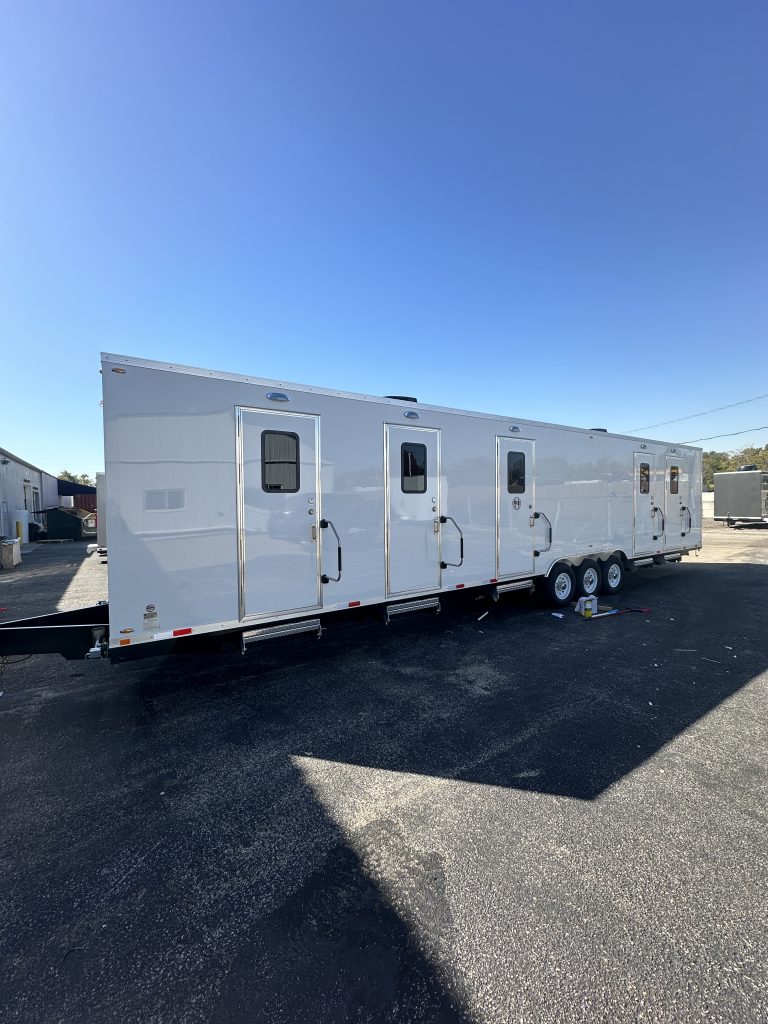
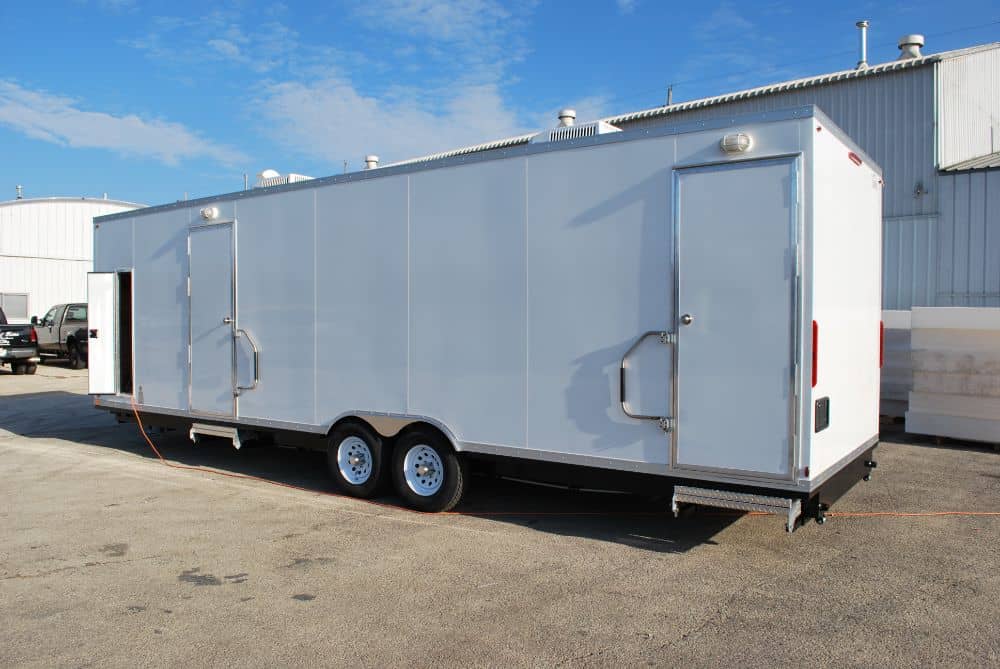
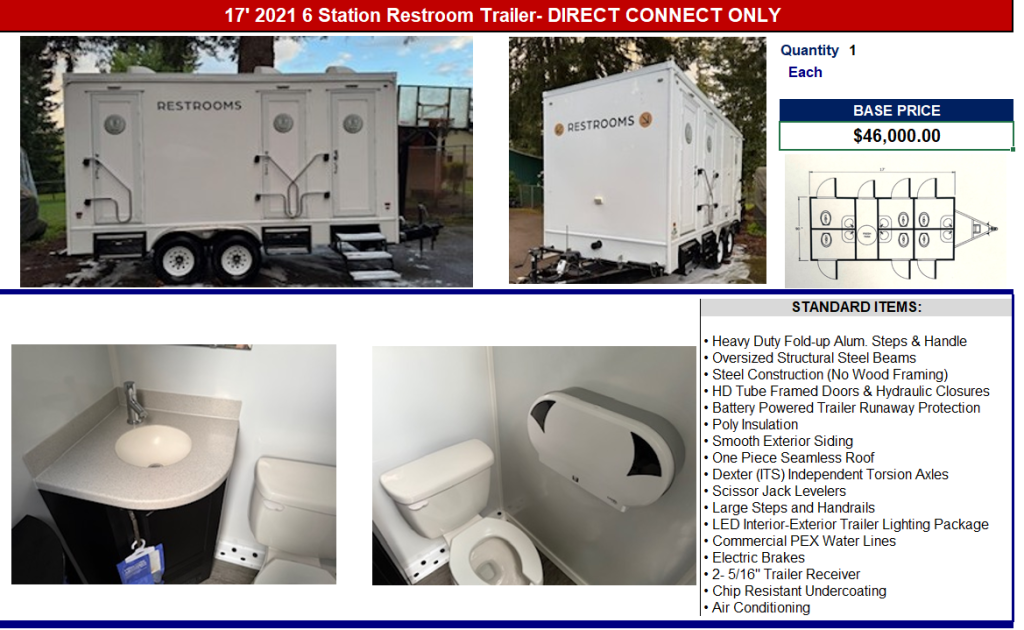
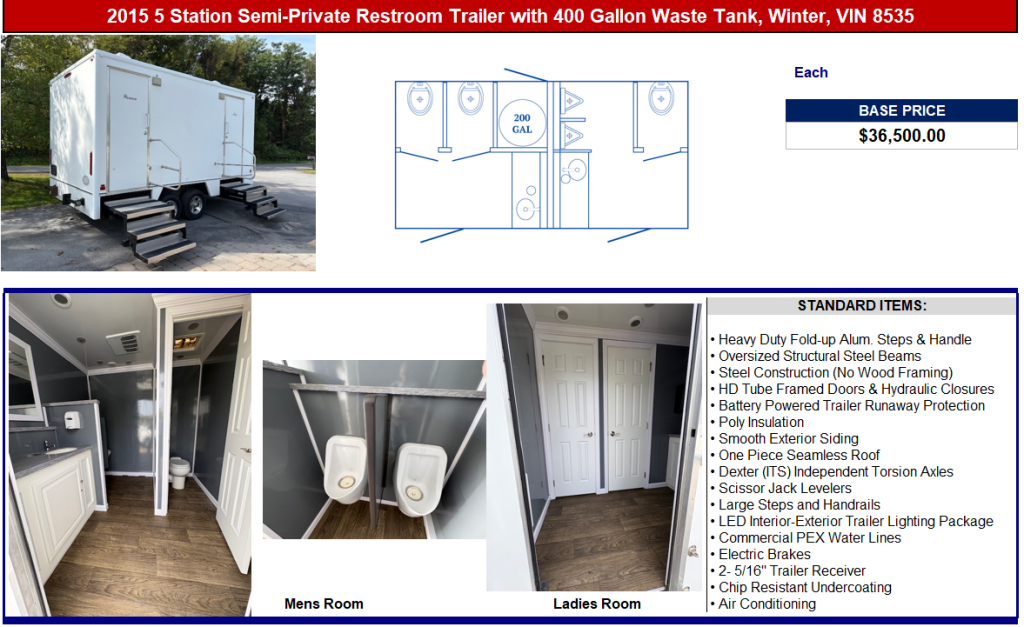
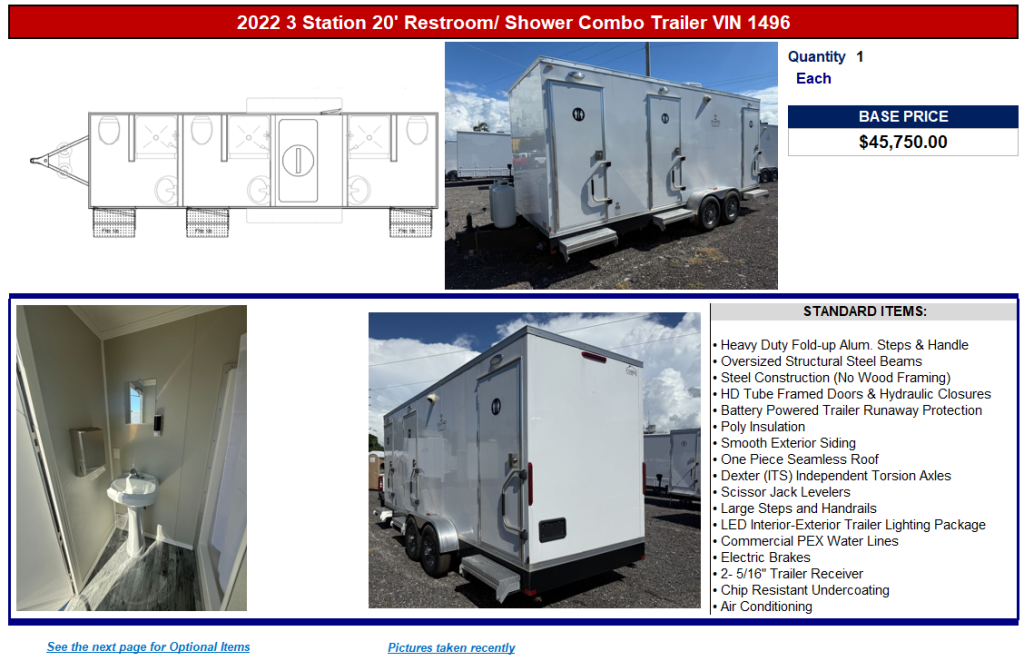
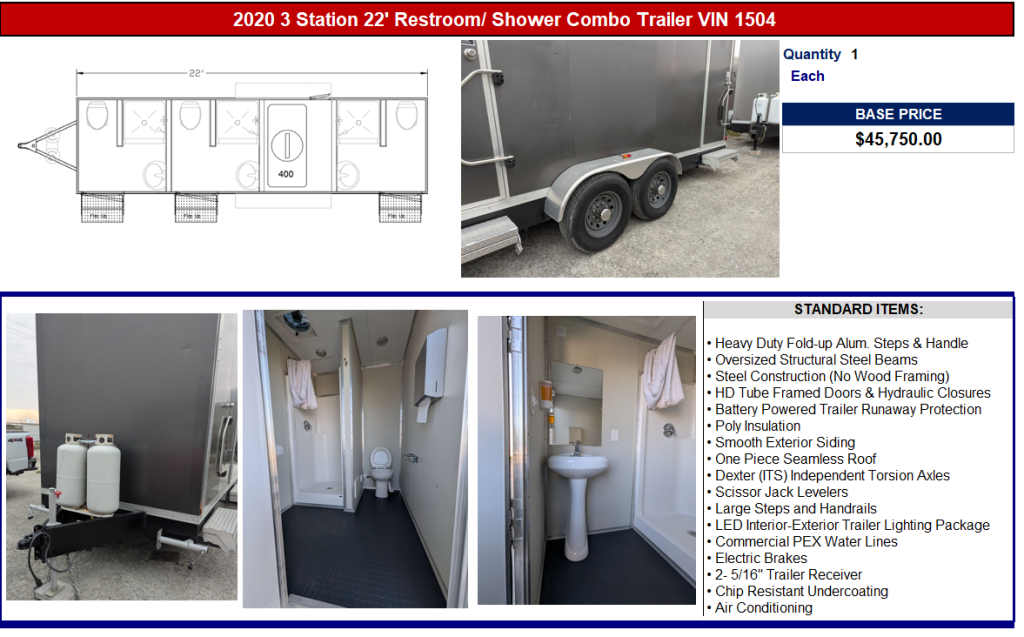
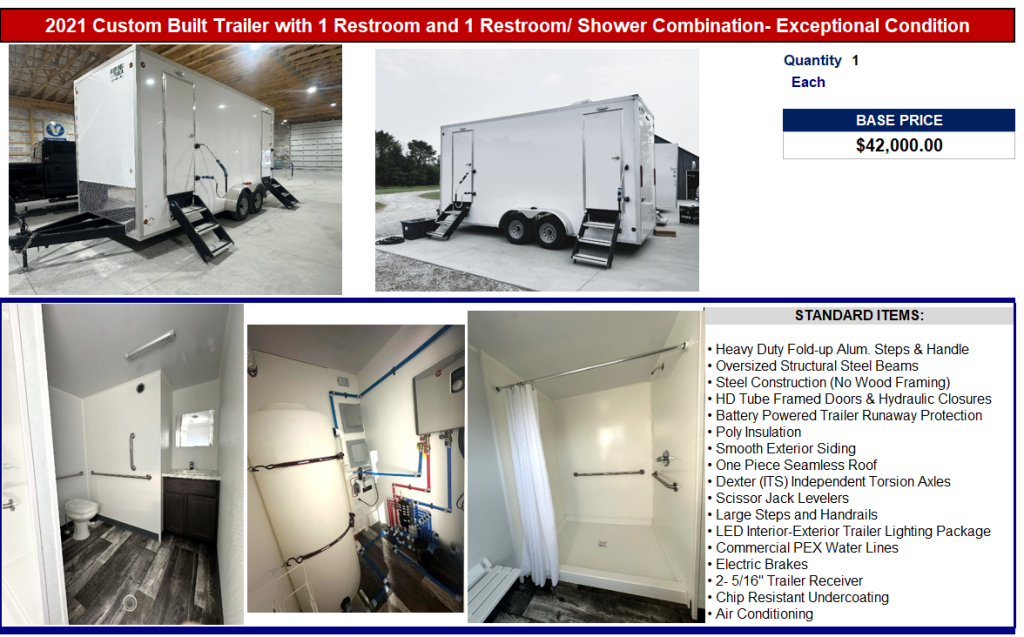
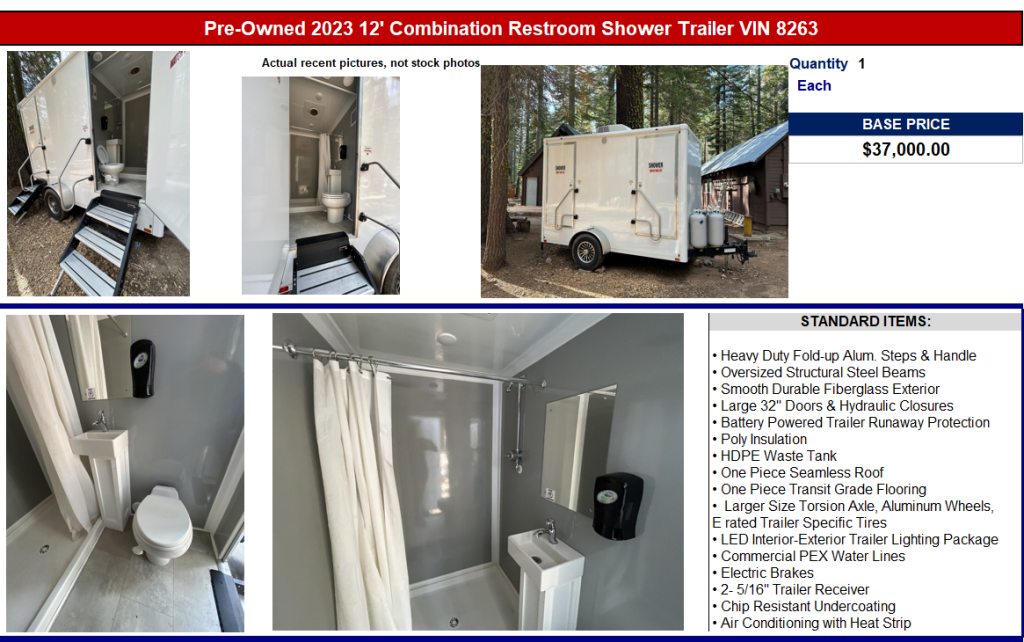
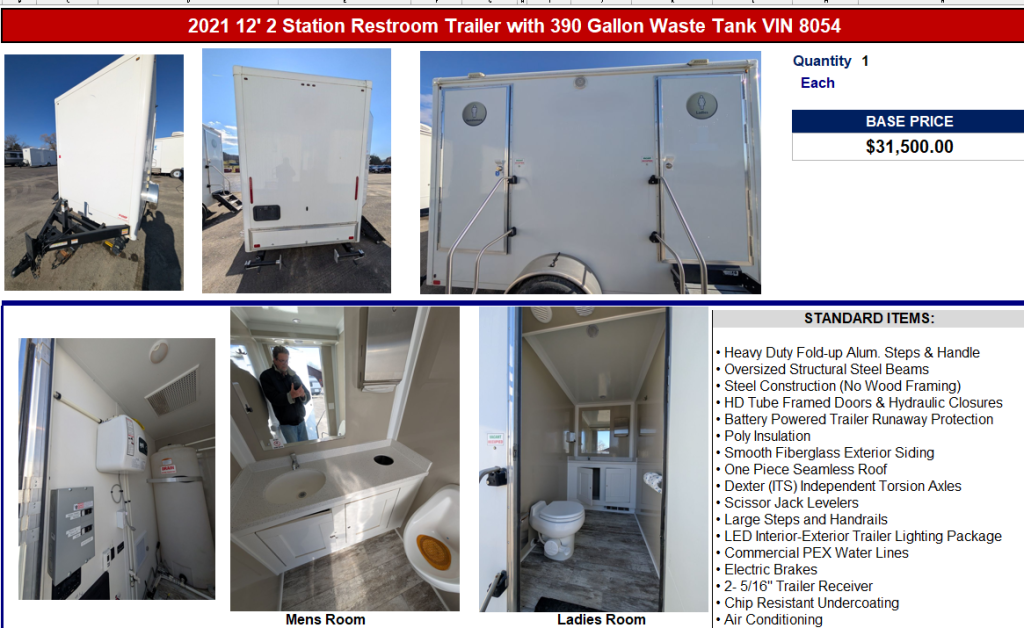
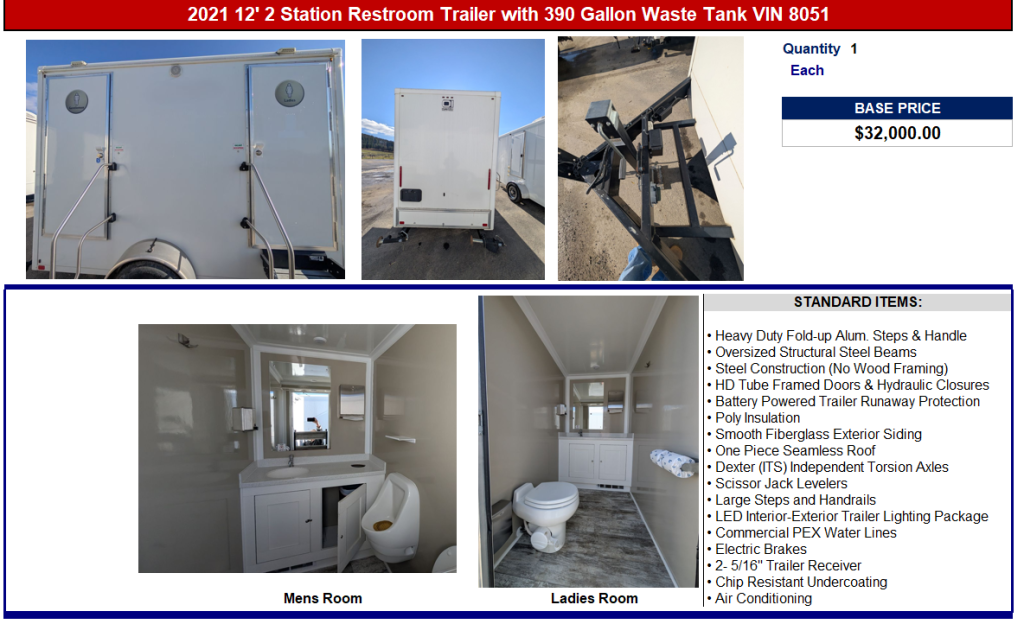
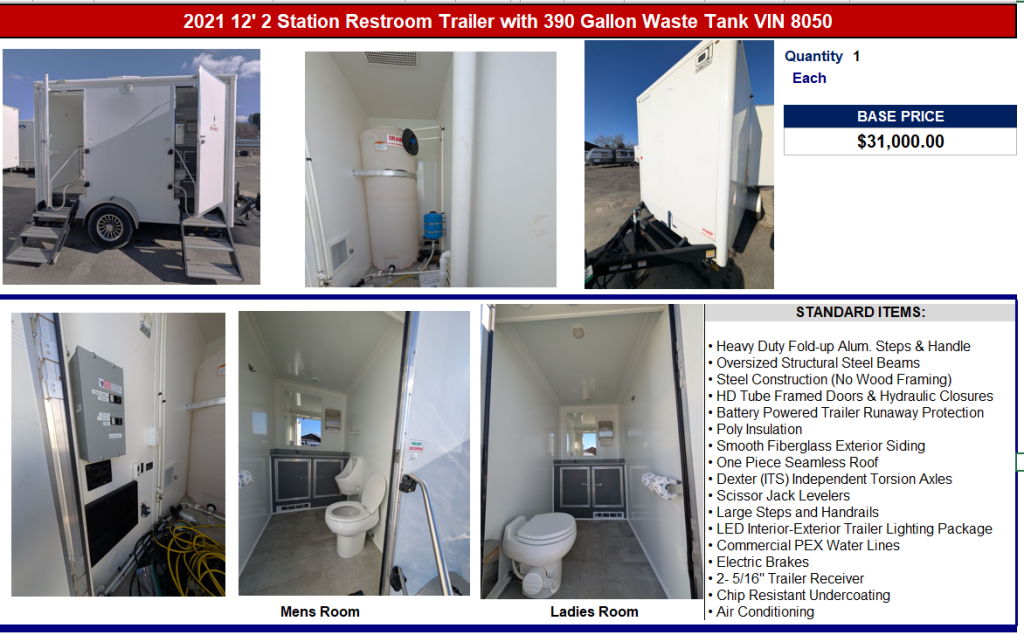
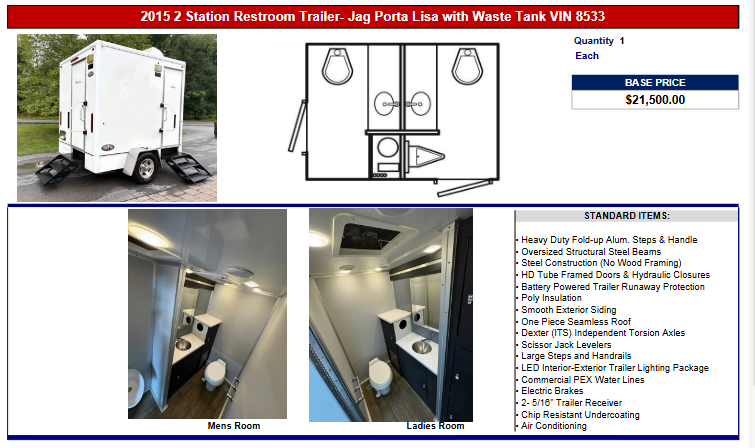
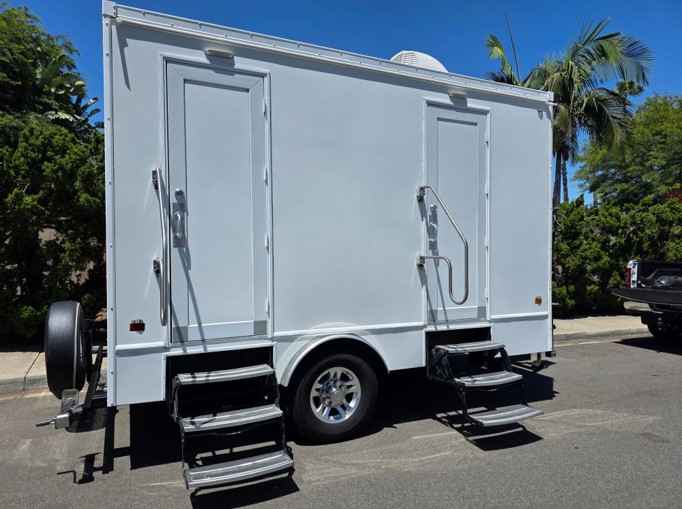
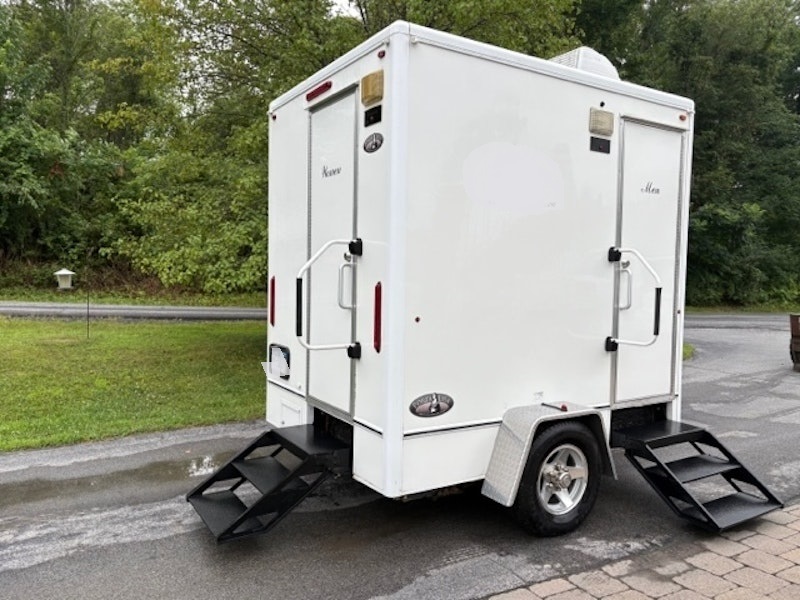
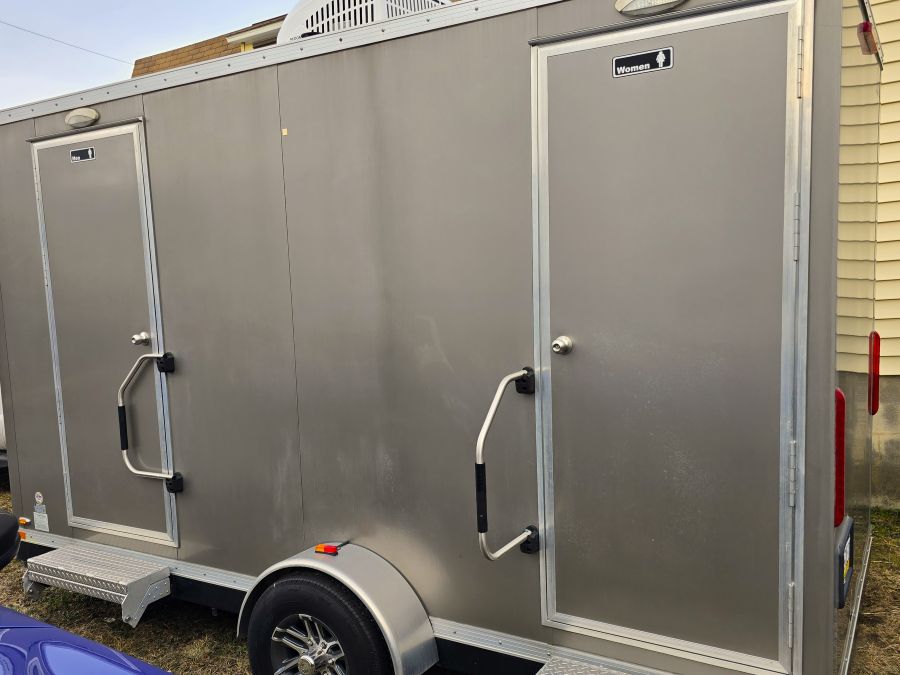
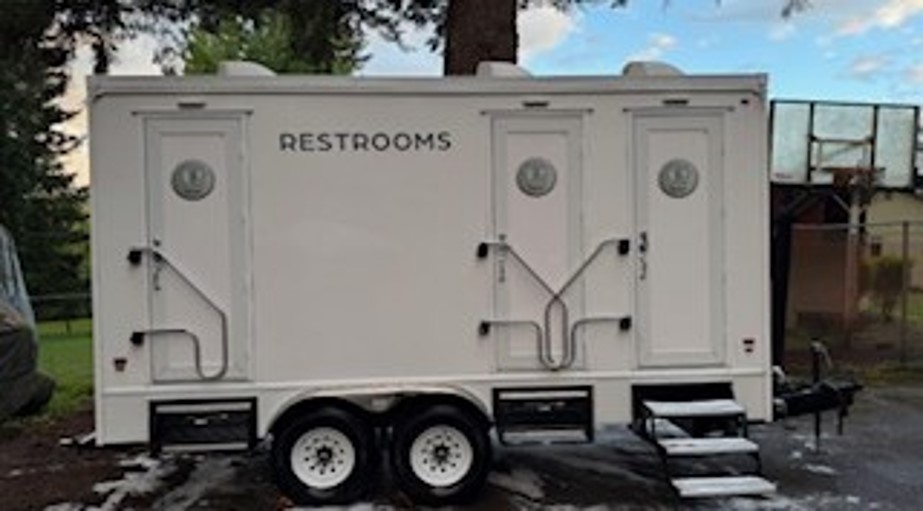
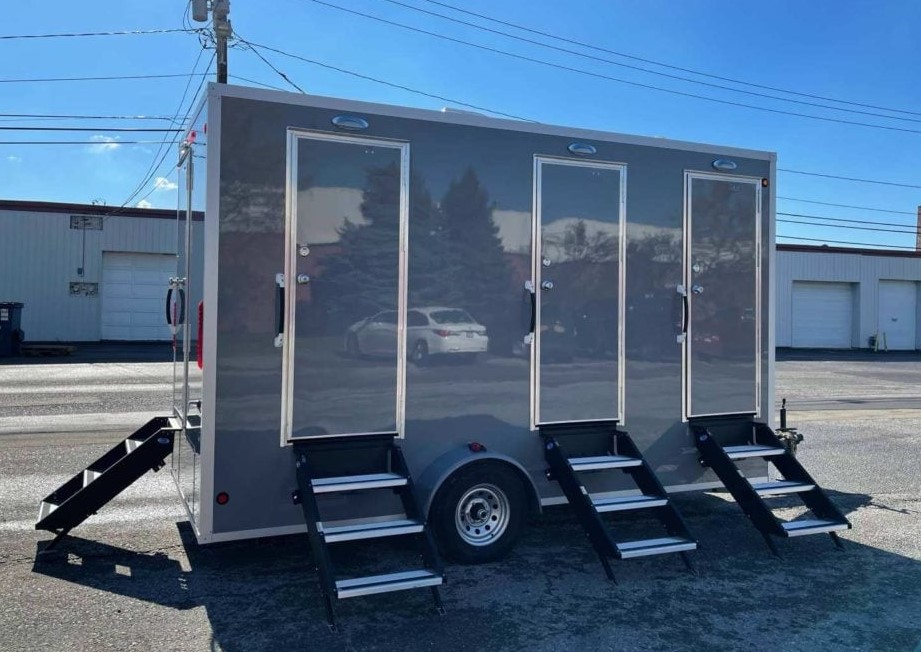
- ADA restroom trailers — multi-stall mobile units with hydraulic or low-incline ramps, flushing porcelain toilets, running-water sinks, climate control, and room for a caregiver or family use. A better fit for weddings, festivals, and corporate events where the standard units are already trailers.
Matching your ADA facilities to the rest of your restroom setup keeps the guest experience consistent — see the full event restroom trailer options and our take on trailers vs. portable toilets for events. For more on inclusive setups, read why accessibility matters at events.
Planning Ahead: Buy or Rent Your ADA Units
Event operators who run recurring events often add ADA trailers to a fleet they own, while one-time organizers rent for the date. NRT supports both — browse restroom trailers for sale to build a fleet, or arrange units through our restroom trailer rentals. Either way, confirm your ADA count against the 5% rule before you lock your order.
Frequently Asked Questions
How many ADA portable toilets do I need for an event?
At least 5% of the total restroom units you provide must be ADA-compliant, with a minimum of one accessible unit whenever facilities are offered to the public. Planners typically use a ratio of one ADA unit for every 20 standard units.
Is one ADA restroom enough for an event?
One ADA unit is sufficient only if your total restroom inventory is 20 units or fewer. If you provide more than 20 total units, you must maintain the 5% accessible ratio and add units accordingly.
What makes a portable restroom ADA-compliant?
An ADA-compliant unit requires a flat, step-free entrance, a door with at least a 32-inch clear opening, a minimum 60-inch interior turning space, interior grab bars, an accessible toilet height of 17 to 19 inches, and hardware operable with one hand without tight grasping or twisting.
What are the grab bar and toilet height requirements?
ADA standards call for a horizontal grab bar at least 36 inches long mounted behind the toilet and at least 42 inches long beside it. The toilet seat height must be between 17 and 19 inches from the floor, with the toilet centerline 16 to 18 inches from the side wall.
What’s the difference between a “handicap accessible” and an ADA-compliant restroom?
A unit labeled “handicap accessible” is usually larger than a standard unit but may not meet every federal ADA requirement. An ADA-compliant unit strictly meets the specifications — a 60-inch interior turning circle, exact grab bar placement, operable hardware, and flat roll-in entry.
Can ADA restroom units be placed on grass?
Standard units can go on grass, but ADA units must connect to an accessible route on a firm, stable, slip-resistant surface. Unpaved grass, sand, or loose gravel often fails ADA pathway compliance, so place accessible units on pavement, compacted surfaces, or proper matting.
What signage does an ADA restroom need?
Accessible units must be marked with the International Symbol of Accessibility, accompanied by raised characters and Braille so the signage itself is accessible.
Does an ADA restroom trailer count toward the 5% requirement?
Yes. Each ADA-compliant stall you provide — whether a single portable unit or a stall within an ADA restroom trailer — counts toward your accessible total. For events already using restroom trailers, an ADA trailer keeps the accessible facilities consistent with the standard ones.
Get the Right ADA Setup for Your Event
Planning an event and want your restroom setup — standard and accessible — handled correctly from the start? Request a quote or contact our team, and see our full lineup of restroom trailers for events.