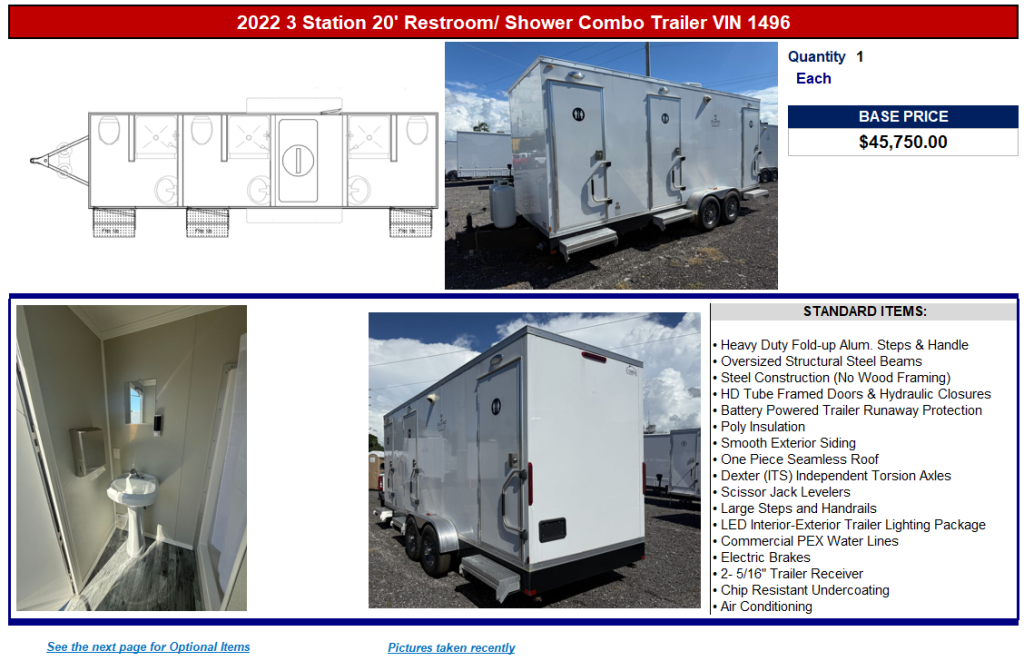
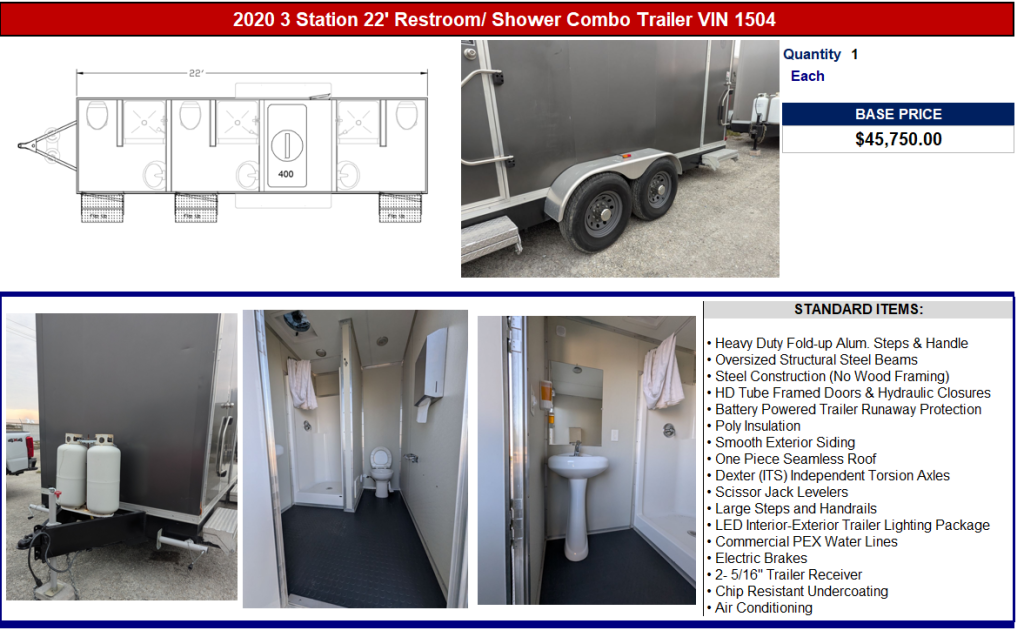
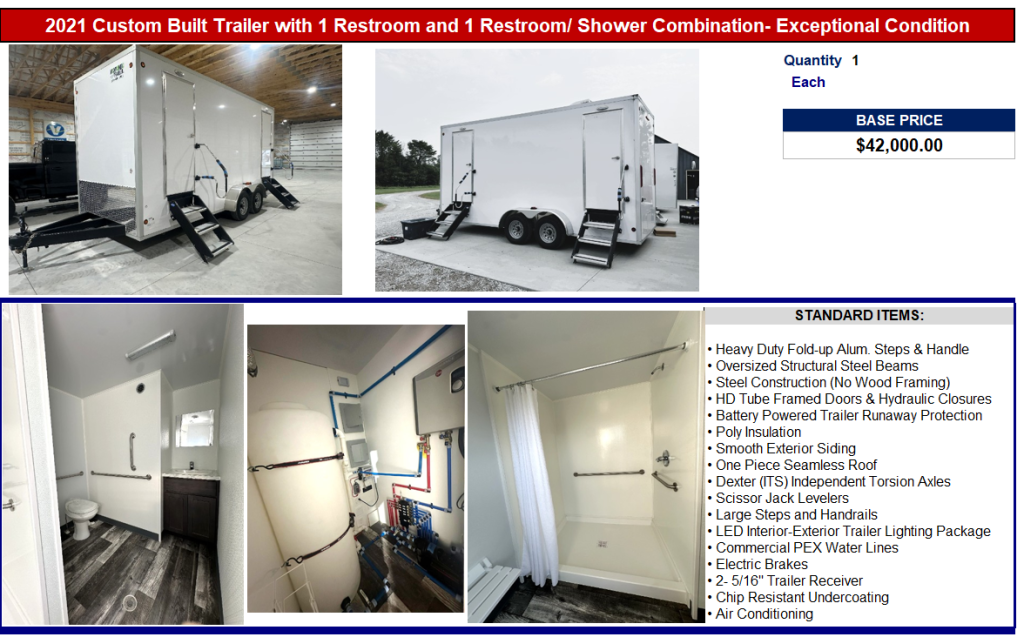
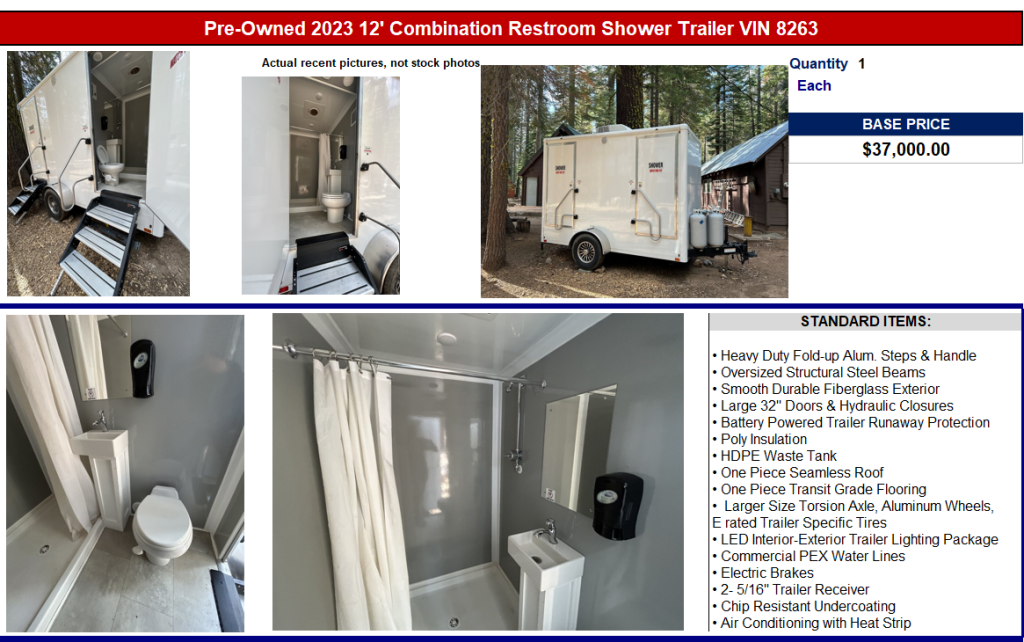
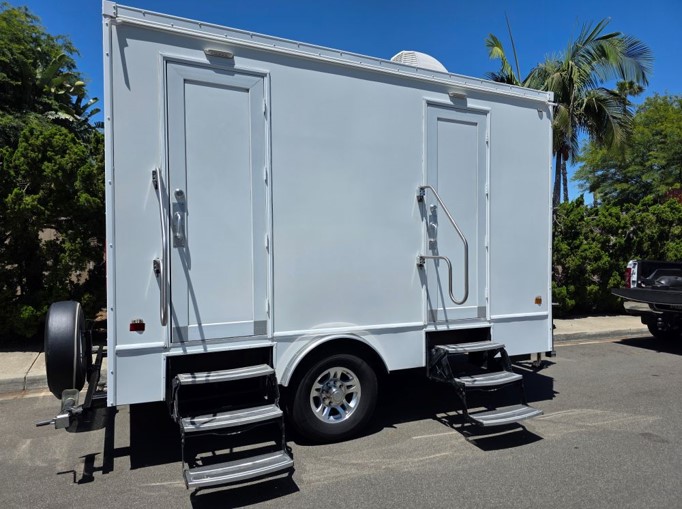
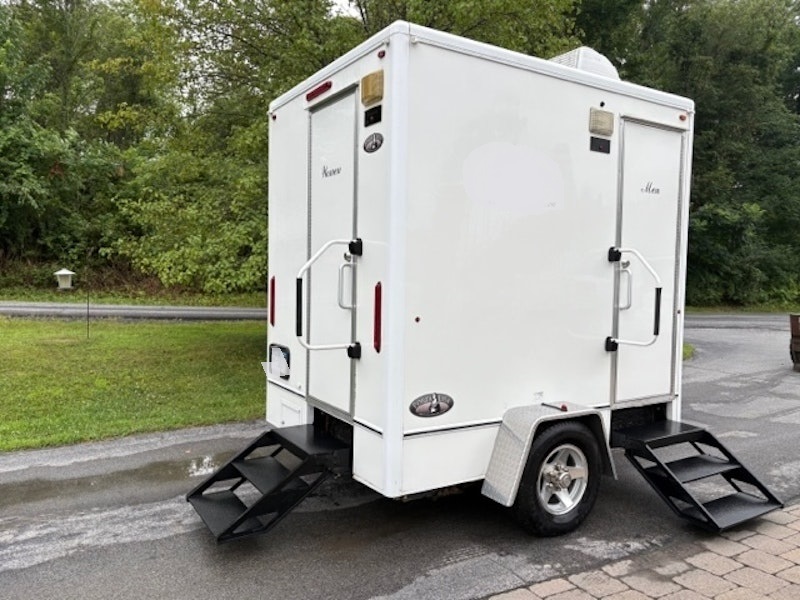
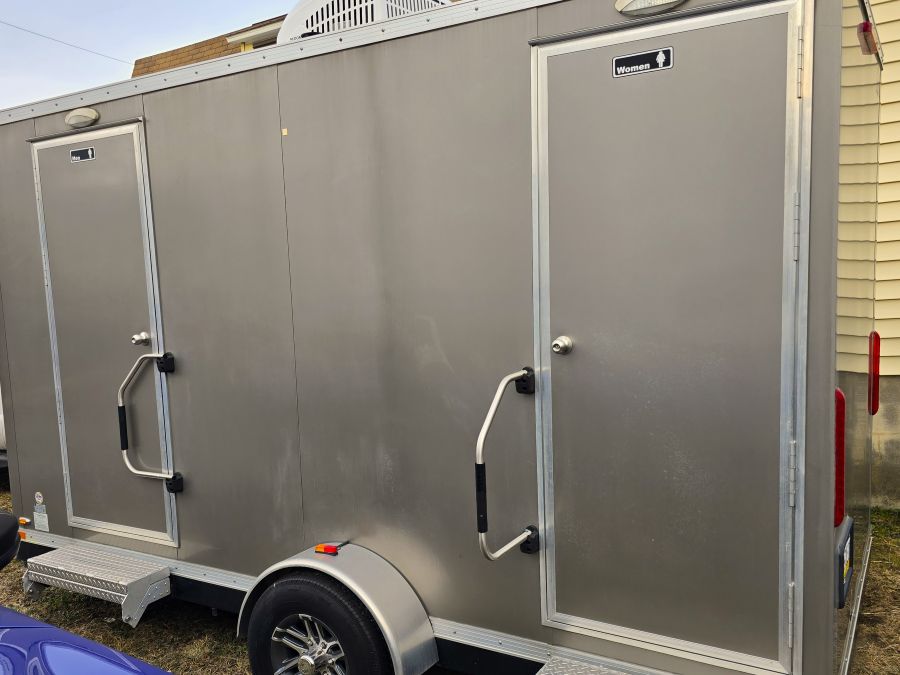
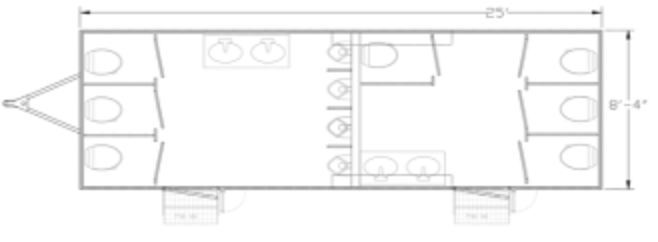
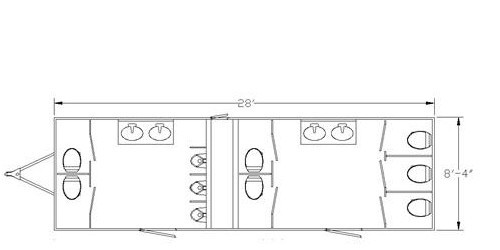
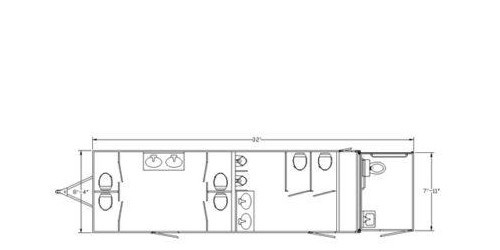
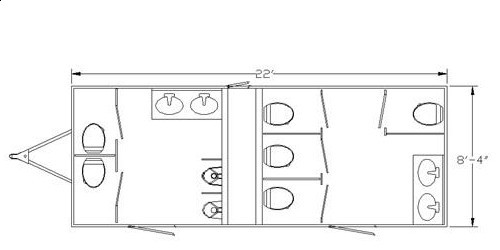
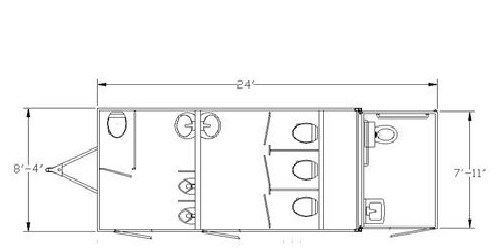
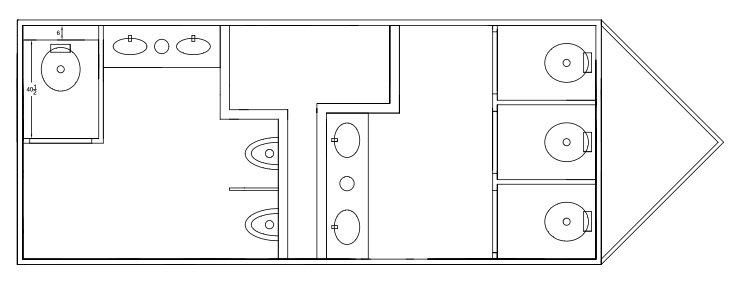
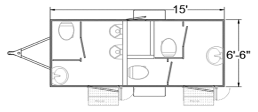
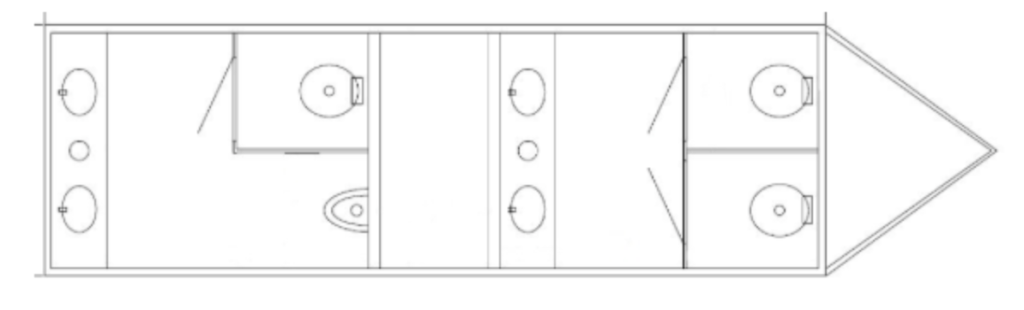
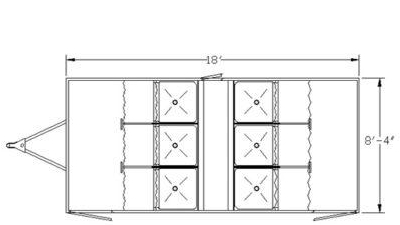
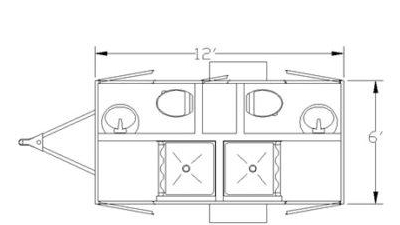
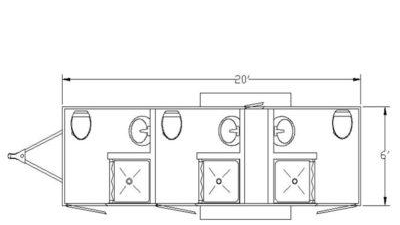
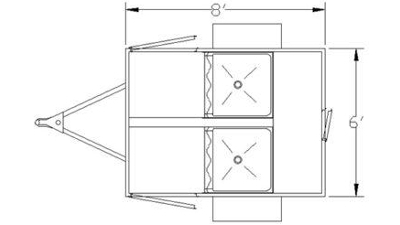
Decontamination Trailers for Sale
Decontamination Trailers Built for Mission-Critical Response
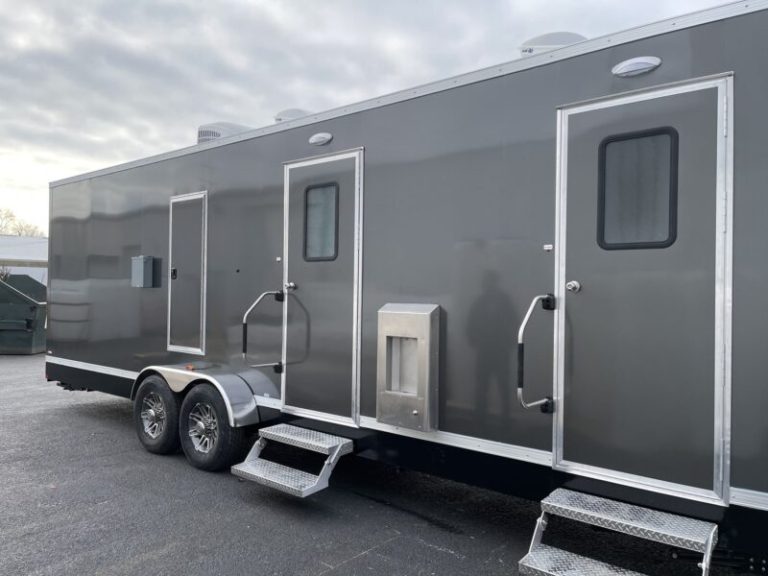
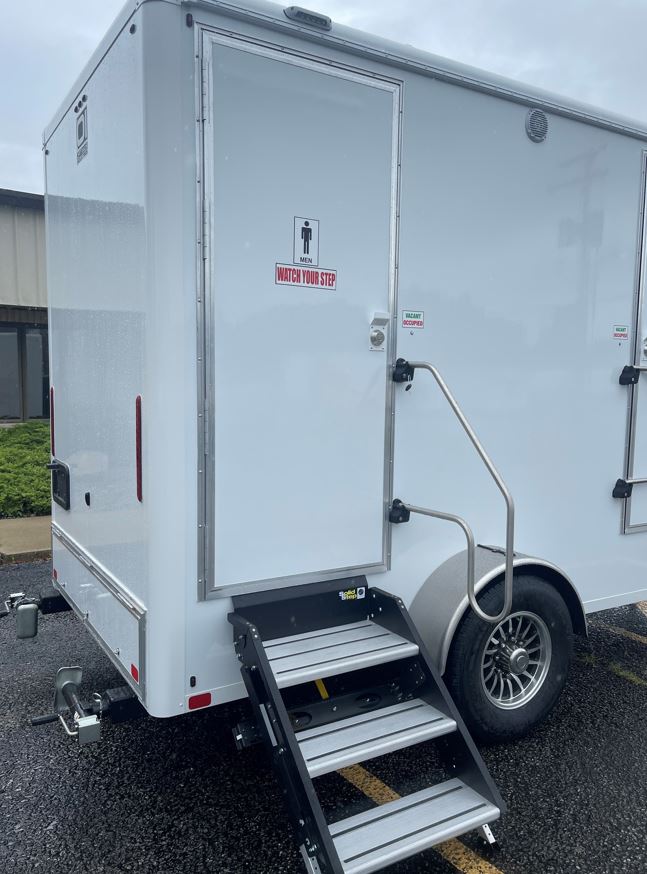
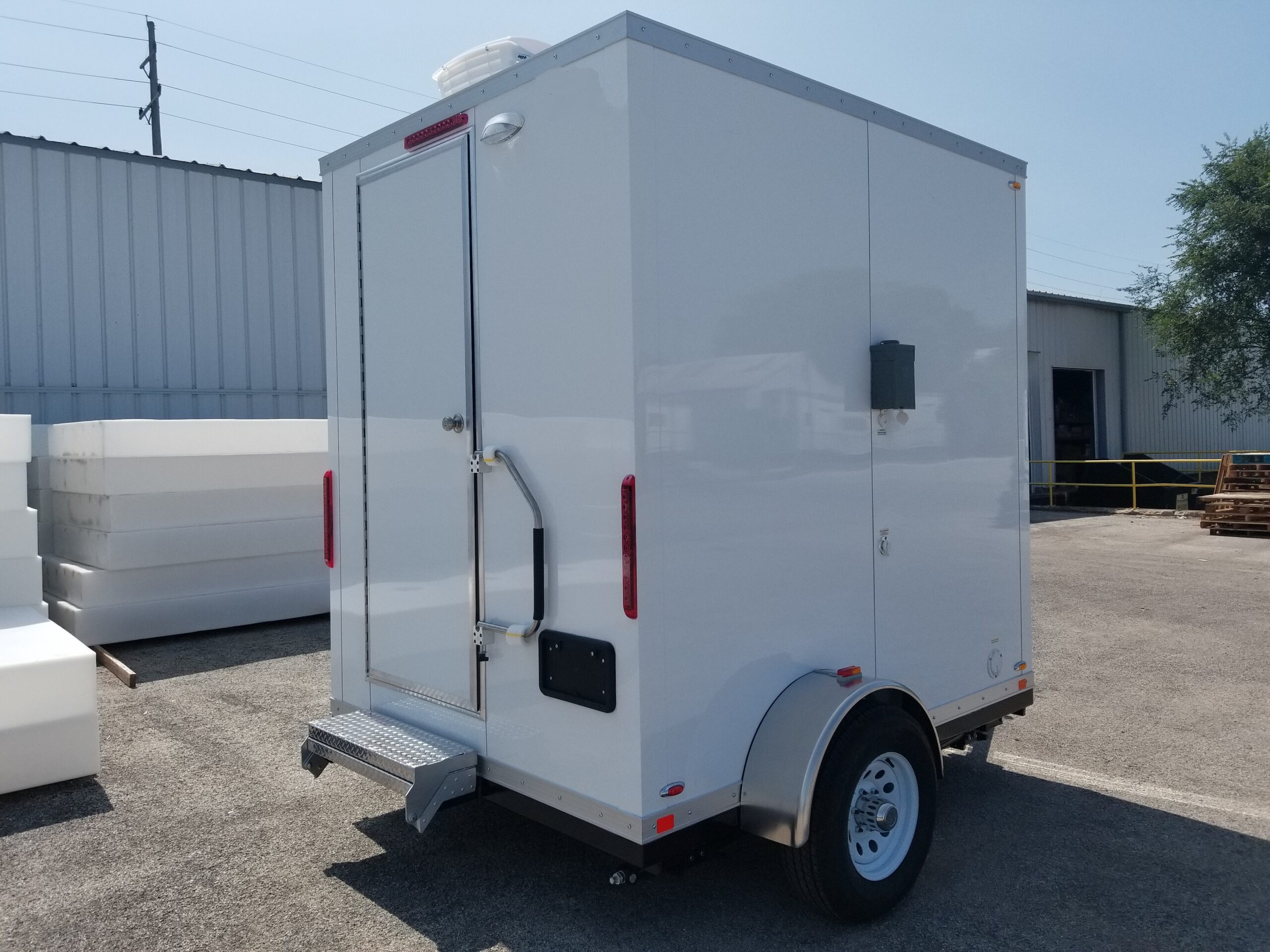
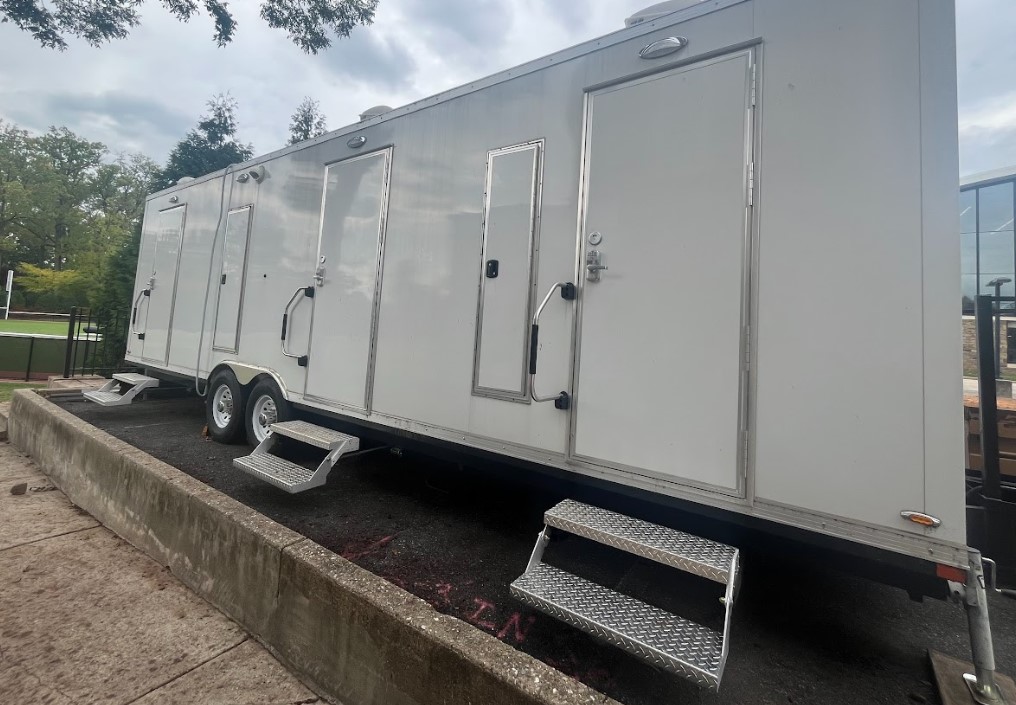
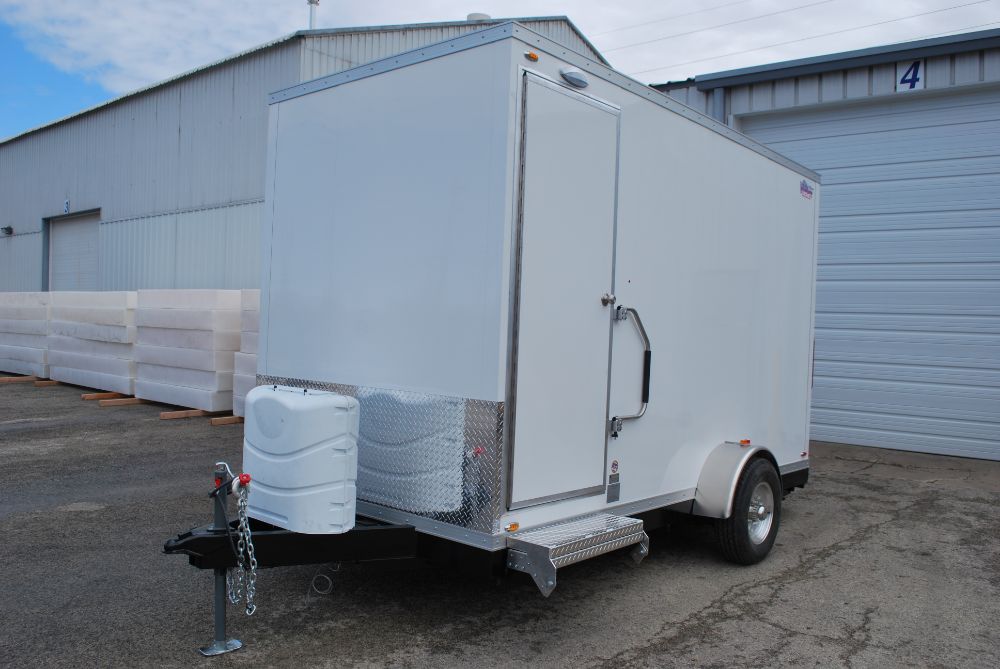
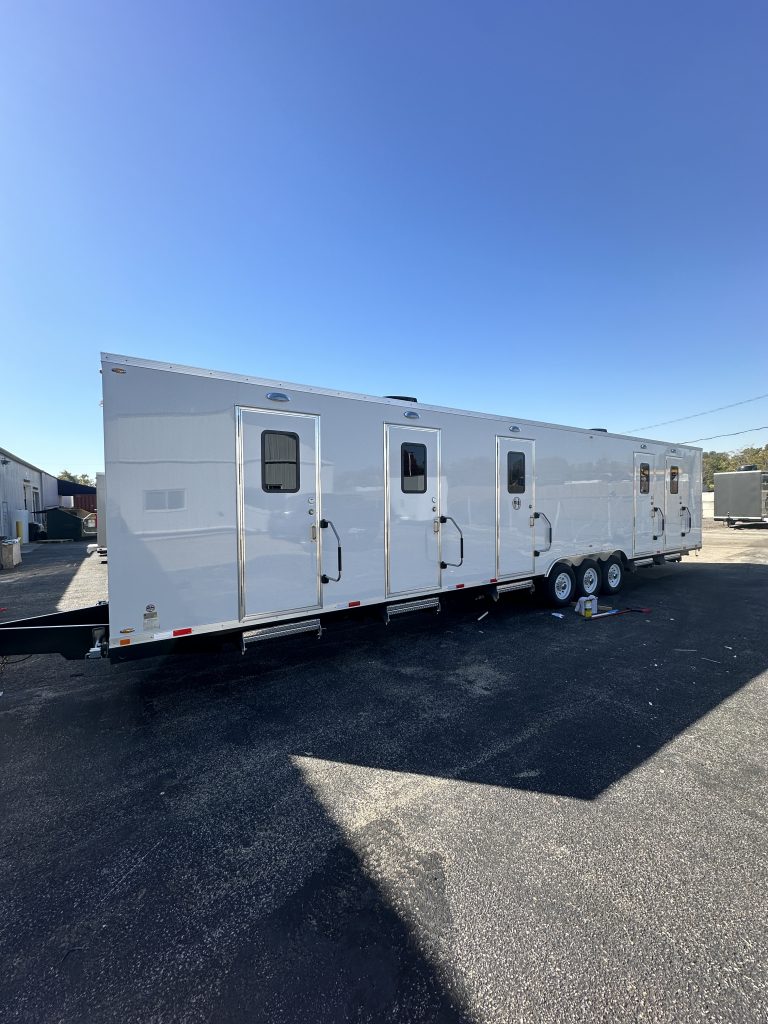
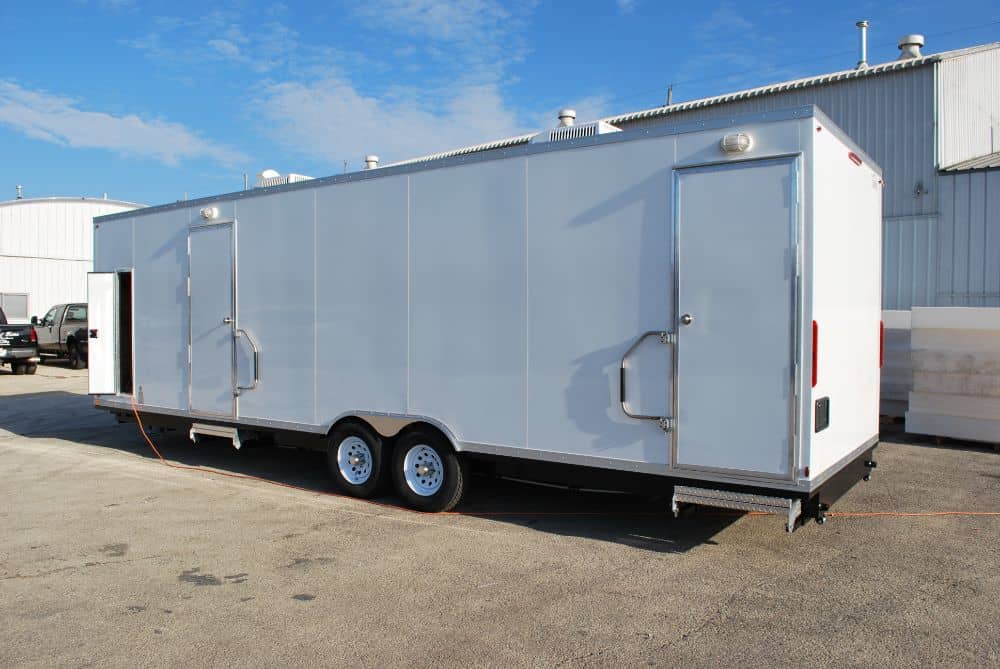
NRT decontamination trailers give HazMat teams, fire departments, military units, industrial facilities, and emergency management agencies field-deployable decon capability. Built with self-contained water systems, dedicated decon stations, and contained wastewater capture, every unit is configured for operations where contamination control is the mission.
Request A QuoteField-Deployable Decontamination Capability
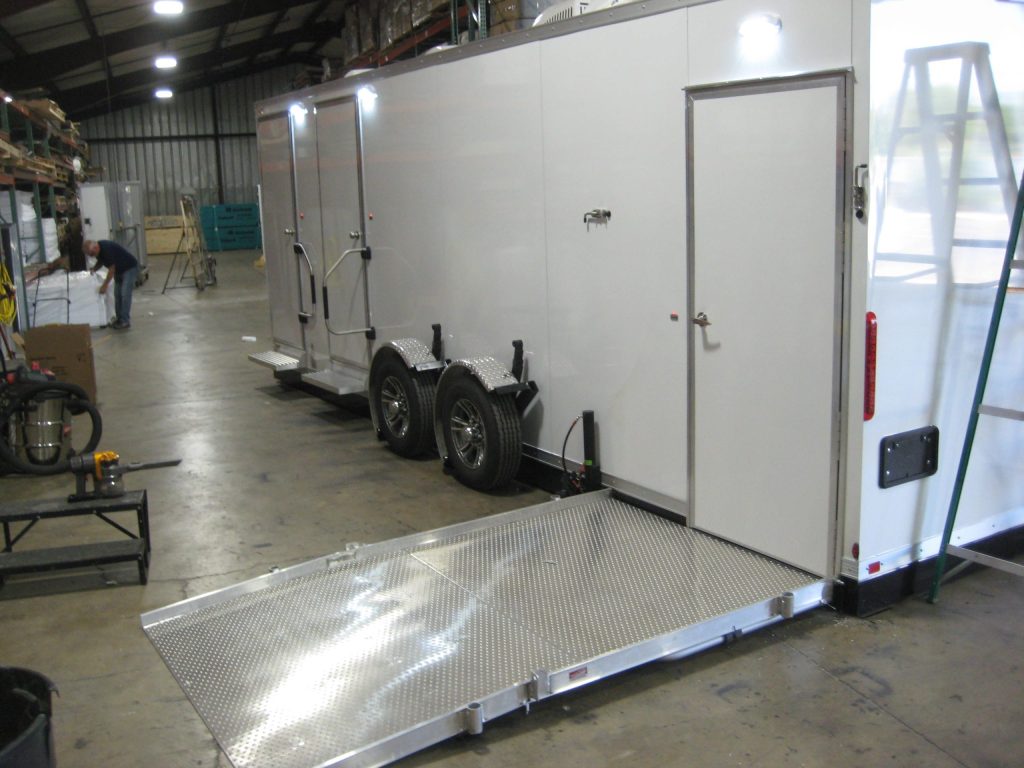
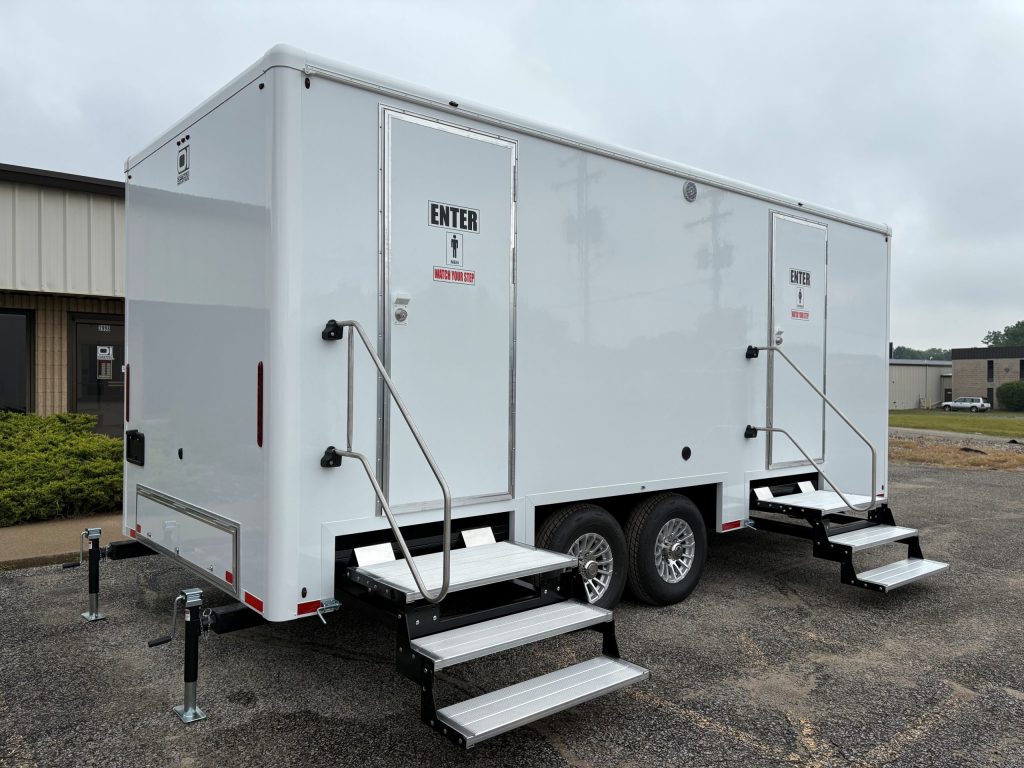
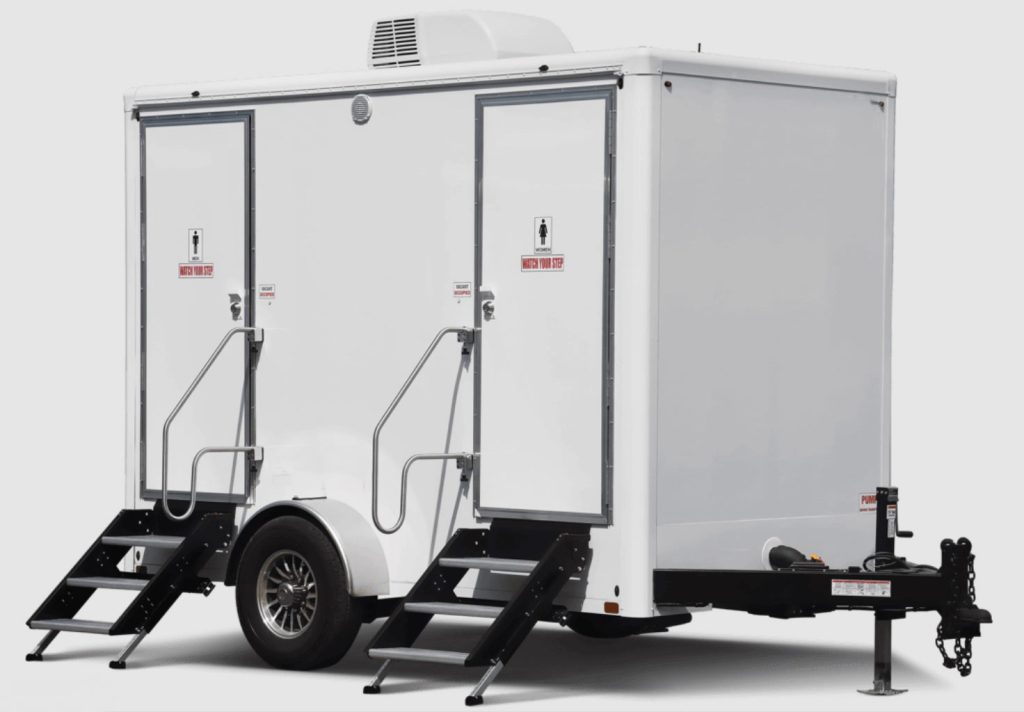
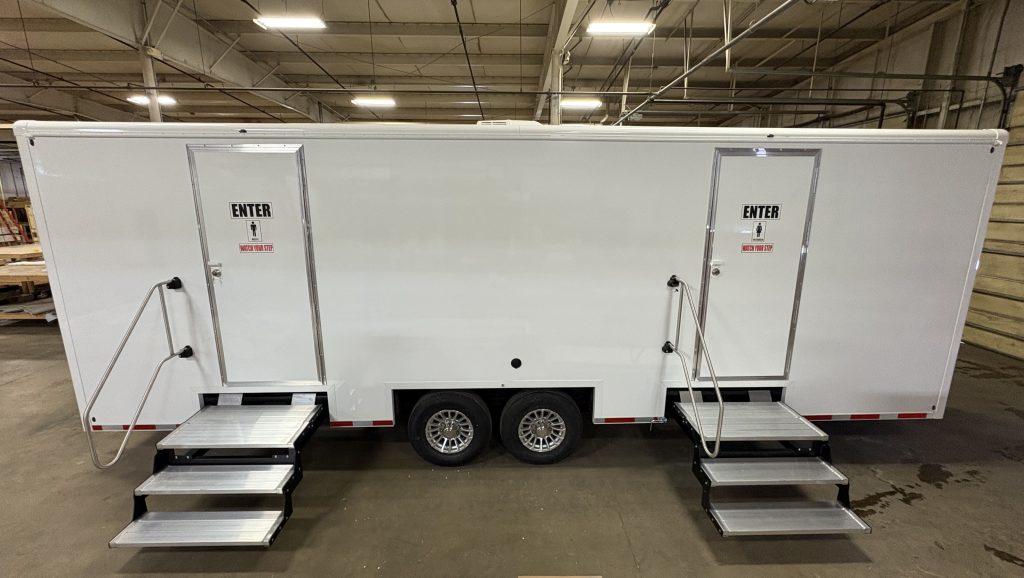
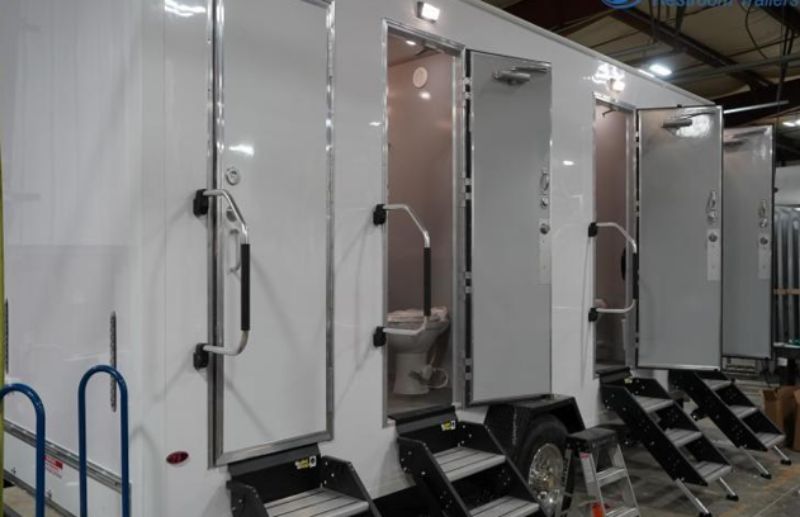
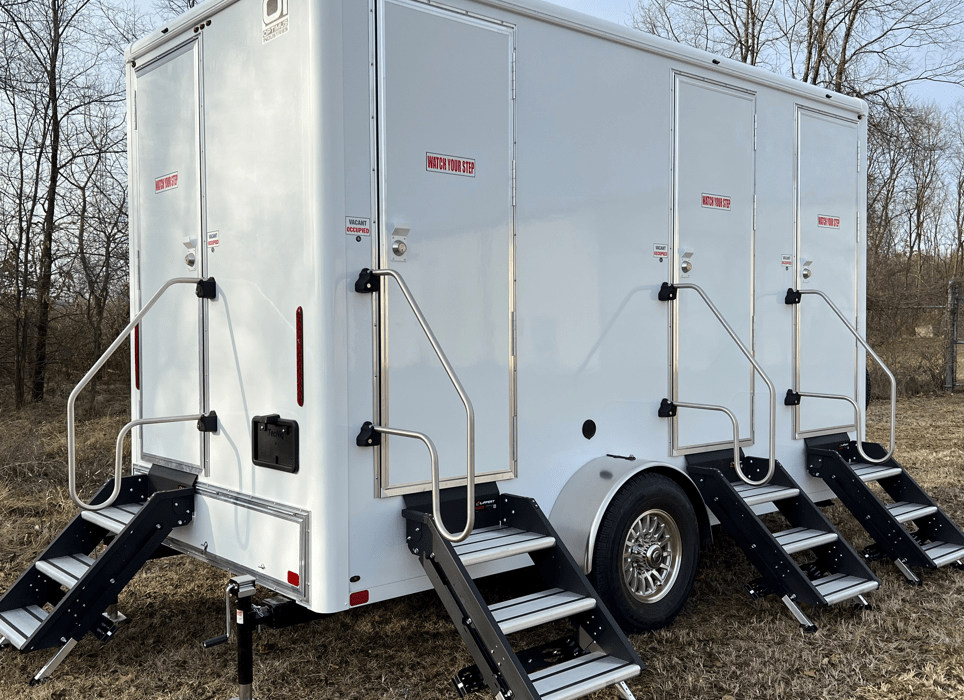
A decontamination trailer protects responders, military personnel, industrial workers, and the public from chemical, biological, radiological, and hazardous-material exposure. It gives a team a controlled, contained place to remove contamination, with self-contained water and waste systems, staged decon flow, and climate-rated operation built on a chassis that travels to the incident.
NRT builds decon trailers for HazMat teams, fire departments, military units, federal and emergency management agencies, industrial facilities, and hospitals. Most decon purchases are configured to the buyer’s mission, threat profile, and equipment standards.
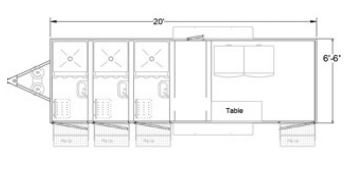
Staged Decon Flow
- Entry: a dedicated contaminated-side entrance
- Gross decon: initial removal of contaminants
- Technical decon: thorough wash and rinse stations
- Fine decon: final rinse before clean side
- Clean-side staging: separate exit and dress-out area
- Contained wastewater: captured, not discharged
Who Uses Decontamination Trailers
Fire & HazMat Teams
Technical, mass-casualty, and special operations decon.
Military & CBRN Units
Chemical, biological, radiological, and nuclear response. See military & federal trailers.
Emergency Management
Decon for chemical spills and large-scale incidents. See emergency response trailers.
Industrial Facilities
Chemical exposure response at plants, refineries, and processing sites.
Hospitals & Public Health
Mass-casualty decon during contamination events.
Nuclear & Energy
Radiological decon at facilities and during transport operations.
[Insert notable customer references here, e.g. from NRT’s homepage: Department of Defense, US Border Patrol, Los Alamos National Laboratory. Confirm with NRT or delete before publish.]
Decontamination Trailer Configurations
Mass-Casualty Decon
Sized for high-volume civilian decon during chemical events and public health emergencies.
Technical Decon
Responder decon after HazMat operations.
CBRN Decon
Configured for chemical, biological, radiological, and nuclear response.
Industrial Decon
Chemical exposure response at manufacturing and processing facilities.
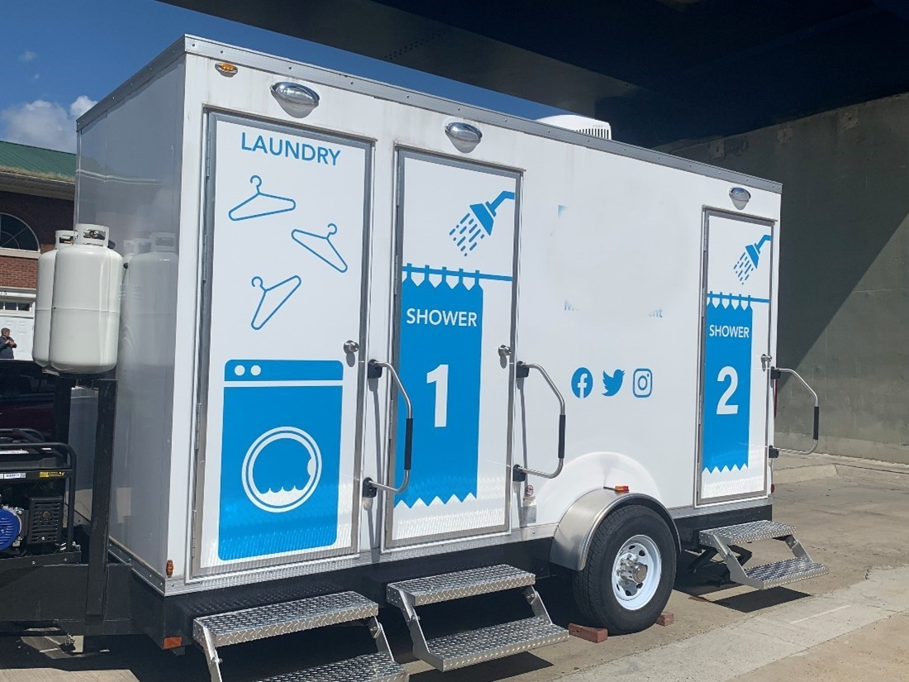
Decon Shower Trailers
Multi-station decon showers with contained wastewater capture.
Decon + Command
Decon paired with on-scene coordination. See emergency response command centers.
Built for Rapid Deployment
Decon trailers deploy when an incident calls for them, often with little warning and in rough conditions. NRT builds them to travel and set up in those conditions:
- Frame: heavy-duty steel with reinforced welds and corrosion-resistant coatings
- Water: self-contained freshwater and waste systems for sites without infrastructure
- Hot water: on-demand heating sized for continuous decon operations
- Wastewater: sealed capture and contained discharge
- Climate: HVAC for cold-weather and hot-weather deployment
- Power: generator-ready electrical systems for off-grid sites
- Interior: slip-resistant flooring and chemical-resistant surfaces
- Running gear: high-load axles and suspension for rough terrain
Decon Trailer or Shower Trailer?
A standard shower trailer is built for hygiene: hot showers for crews, athletes, or displaced residents. A decon trailer is built for contamination control, with staged decon flow, separate contaminated-side and clean-side access, contained wastewater capture, and chemical-resistant interior surfaces. Some portable shower trailers can be configured for decon support, but when contamination control is the main mission, a dedicated decon trailer is the right choice.
Custom Decontamination Builds
- Water and waste capacity sized to your mission
- PPE storage and donning and doffing zones
- Electrical and communications infrastructure
- Specialized HVAC for chemical-vapor environments
- Reinforced exterior and security packages
- Branded exteriors for agency fleets
Start a configuration with Build Your Own Trailer, or work with our team on a custom-made trailer from the ground up.
Decon as Part of a Full Response Setup
Decontamination rarely deploys alone. Agencies pair decon trailers with incident command trailers, mobile command trailers, restroom trailers, bunkhouse trailers, and base camp setups for multi-day incidents. NRT coordinates multi-trailer deployments so the full response arrives together.
Government buyers can also review our government programs. [Confirm with NRT before publish: GSA / Sourcewell purchasing language.]
Coast-to-Coast Delivery
NRT operates manufacturing facilities in Chicago, Indiana, New York, Texas, and California, so your decon trailer ships from the facility nearest your agency or site. We coordinate transport, placement, and hookup support. See our service areas for coverage.
Frequently Asked Questions: Decontamination Trailers
What is a decontamination trailer?
A decontamination trailer is a mobile unit built to remove chemical, biological, radiological, or hazardous-material contamination from people or equipment. It typically includes staged decon flow, self-contained freshwater and waste systems, contained wastewater capture, heated water, and areas for handling PPE.
What is the difference between a decon trailer and a shower trailer?
A shower trailer is built for hygiene. A decon trailer is built for contamination control, with staged decon flow, separate contaminated-side and clean-side access, contained wastewater capture, and chemical-resistant surfaces. When contamination control is the main mission, a dedicated decon trailer is the right choice.
What types of decontamination do these trailers support?
NRT decon trailers can be configured for gross, technical, mass-casualty, and CBRN (chemical, biological, radiological, nuclear) decontamination. The right configuration depends on your threat profile and how your team runs decon.
Can decontamination trailers be customized?
Yes. Most decon trailers are configured to the buyer’s mission, including water and waste capacity, PPE storage and donning and doffing zones, electrical and communications infrastructure, specialized HVAC, security packages, and branded exteriors.
What hookups does a decontamination trailer need?
Decon trailers are usually configured to run self-contained, with onboard freshwater, waste capture, and generator-ready power for sites without infrastructure. Many can also connect to on-site water and electrical service when it is available.
Can decon trailers be paired with command and base camp trailers?
Yes. Decon trailers are often deployed with incident command and mobile command trailers, restroom and shower trailers, bunkhouse units, and base camp setups. NRT coordinates multi-trailer deployments so the full response arrives together.
How much does a decontamination trailer cost?
Every decon trailer is quoted based on configuration, number of decon stations, water and waste capacity, power and climate requirements, and any custom features. Contact our team with your mission requirements and we will put together a quote.
Request a Quote on a Decontamination Trailer
For a quote on a decontamination trailer, request a quote online or contact our team directly. Tell us your mission profile, expected deployment conditions, and any agency-specific purchasing requirements, and we will recommend the right configuration.
Field-Deployable Decontamination Capability
A decontamination trailer protects responders, military personnel, industrial workers, and the public from chemical, biological, radiological, and hazardous-material exposure. It gives a team a controlled, contained place to remove contamination, with self-contained water and waste systems, staged decon flow, and climate-rated operation built on a chassis that travels to the incident.
NRT builds decon trailers for HazMat teams, fire departments, military units, federal and emergency management agencies, industrial facilities, and hospitals. Most decon purchases are configured to the buyer’s mission, threat profile, and equipment standards.
Staged Decon Flow
- Entry: a dedicated contaminated-side entrance
- Gross decon: initial removal of contaminants
- Technical decon: thorough wash and rinse stations
- Fine decon: final rinse before clean side
- Clean-side staging: separate exit and dress-out area
- Contained wastewater: captured, not discharged
Who Uses Decontamination Trailers
Fire & HazMat Teams
Technical, mass-casualty, and special operations decon.
Military & CBRN Units
Chemical, biological, radiological, and nuclear response. See military & federal trailers.
Emergency Management
Decon for chemical spills and large-scale incidents. See emergency response trailers.
Industrial Facilities
Chemical exposure response at plants, refineries, and processing sites.
Hospitals & Public Health
Mass-casualty decon during contamination events.
Nuclear & Energy
Radiological decon at facilities and during transport operations.
[Insert notable customer references here, e.g. from NRT’s homepage: Department of Defense, US Border Patrol, Los Alamos National Laboratory. Confirm with NRT or delete before publish.]
Decontamination Trailer Configurations
Mass-Casualty Decon
Sized for high-volume civilian decon during chemical events and public health emergencies.
Technical Decon
Responder decon after HazMat operations.
CBRN Decon
Configured for chemical, biological, radiological, and nuclear response.
Industrial Decon
Chemical exposure response at manufacturing and processing facilities.
Decon Shower Trailers
Multi-station decon showers with contained wastewater capture.
Decon + Command
Decon paired with on-scene coordination. See emergency response command centers.
Built for Rapid Deployment
Decon trailers deploy when an incident calls for them, often with little warning and in rough conditions. NRT builds them to travel and set up in those conditions:
- Frame: heavy-duty steel with reinforced welds and corrosion-resistant coatings
- Water: self-contained freshwater and waste systems for sites without infrastructure
- Hot water: on-demand heating sized for continuous decon operations
- Wastewater: sealed capture and contained discharge
- Climate: HVAC for cold-weather and hot-weather deployment
- Power: generator-ready electrical systems for off-grid sites
- Interior: slip-resistant flooring and chemical-resistant surfaces
- Running gear: high-load axles and suspension for rough terrain
Decon Trailer or Shower Trailer?
A standard shower trailer is built for hygiene: hot showers for crews, athletes, or displaced residents. A decon trailer is built for contamination control, with staged decon flow, separate contaminated-side and clean-side access, contained wastewater capture, and chemical-resistant interior surfaces. Some portable shower trailers can be configured for decon support, but when contamination control is the main mission, a dedicated decon trailer is the right choice.
Custom Decontamination Builds
- Water and waste capacity sized to your mission
- PPE storage and donning and doffing zones
- Electrical and communications infrastructure
- Specialized HVAC for chemical-vapor environments
- Reinforced exterior and security packages
- Branded exteriors for agency fleets
Start a configuration with Build Your Own Trailer, or work with our team on a custom-made trailer from the ground up.
Decon as Part of a Full Response Setup
Decontamination rarely deploys alone. Agencies pair decon trailers with incident command trailers, mobile command trailers, restroom trailers, bunkhouse trailers, and base camp setups for multi-day incidents. NRT coordinates multi-trailer deployments so the full response arrives together.
Government buyers can also review our government programs. [Confirm with NRT before publish: GSA / Sourcewell purchasing language.]
Coast-to-Coast Delivery
NRT operates manufacturing facilities in Chicago, Indiana, New York, Texas, and California, so your decon trailer ships from the facility nearest your agency or site. We coordinate transport, placement, and hookup support. See our service areas for coverage.
Frequently Asked Questions: Decontamination Trailers
What is a decontamination trailer?
A decontamination trailer is a mobile unit built to remove chemical, biological, radiological, or hazardous-material contamination from people or equipment. It typically includes staged decon flow, self-contained freshwater and waste systems, contained wastewater capture, heated water, and areas for handling PPE.
What is the difference between a decon trailer and a shower trailer?
A shower trailer is built for hygiene. A decon trailer is built for contamination control, with staged decon flow, separate contaminated-side and clean-side access, contained wastewater capture, and chemical-resistant surfaces. When contamination control is the main mission, a dedicated decon trailer is the right choice.
What types of decontamination do these trailers support?
NRT decon trailers can be configured for gross, technical, mass-casualty, and CBRN (chemical, biological, radiological, nuclear) decontamination. The right configuration depends on your threat profile and how your team runs decon.
Can decontamination trailers be customized?
Yes. Most decon trailers are configured to the buyer’s mission, including water and waste capacity, PPE storage and donning and doffing zones, electrical and communications infrastructure, specialized HVAC, security packages, and branded exteriors.
What hookups does a decontamination trailer need?
Decon trailers are usually configured to run self-contained, with onboard freshwater, waste capture, and generator-ready power for sites without infrastructure. Many can also connect to on-site water and electrical service when it is available.
Can decon trailers be paired with command and base camp trailers?
Yes. Decon trailers are often deployed with incident command and mobile command trailers, restroom and shower trailers, bunkhouse units, and base camp setups. NRT coordinates multi-trailer deployments so the full response arrives together.
How much does a decontamination trailer cost?
Every decon trailer is quoted based on configuration, number of decon stations, water and waste capacity, power and climate requirements, and any custom features. Contact our team with your mission requirements and we will put together a quote.
Request a Quote on a Decontamination Trailer
For a quote on a decontamination trailer, request a quote online or contact our team directly. Tell us your mission profile, expected deployment conditions, and any agency-specific purchasing requirements, and we will recommend the right configuration.
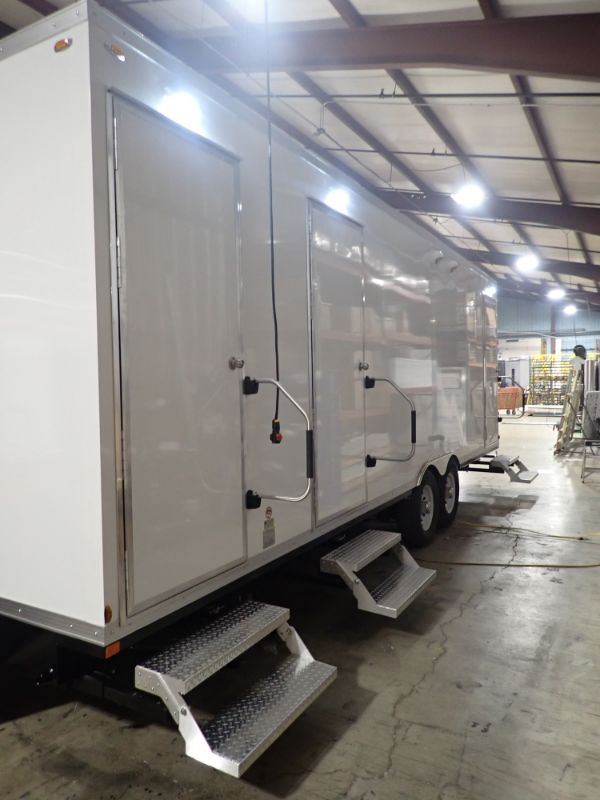
Shop new trailers with the latest features and warranties.
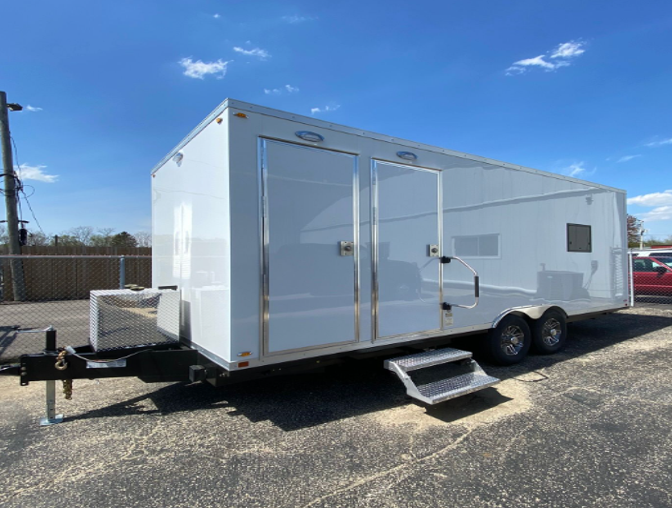
Find quality pre-owned trailers inspected and ready for immediate use.